Do Neon Tetras Breed Easily – Breeding Guide
While keeping Neon Tetras (Paracheirodon innesi) is relatively easy, breeding them successfully presents a significant challenge for most aquarists due to their specific environmental requirements and delicate fry. It demands precise water parameters, a dedicated breeding setup, and careful fry care.
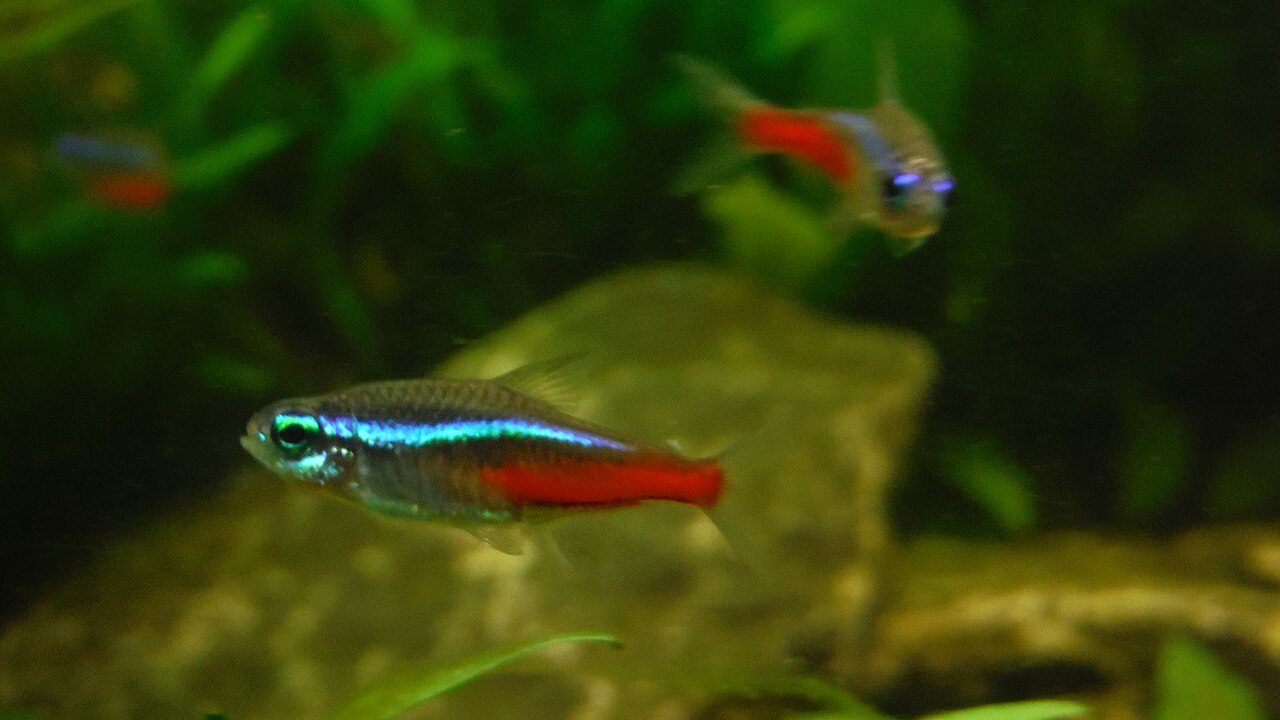
Welcome, fellow aquarists! If you’ve ever gazed at a bright school of Neon Tetras shimmering in your tank and wondered about bringing a new generation into the world, you’re not alone. These small, jewel-like fish are undoubtedly among the most popular choices for community aquariums, cherished for their peaceful nature and striking iridescent stripe. Many hobbyists, myself included, eventually ponder the question: do Neon Tetras breed easily?
In my nearly two decades of fish keeping, I’ve learned that while maintaining a healthy Neon Tetra aquarium is quite straightforward, encouraging them to reproduce is a different beast entirely. It requires a deep look at their natural habitat, a bit of patience, and a dedicated approach. This comprehensive guide will equip you with the knowledge and actionable steps you need to attempt this satisfying, albeit challenging, endeavor. We’ll explore everything from setting up the ideal breeding tank to caring for the delicate fry.
At a glance: Neon tetra (Paracheirodon innesi)
- Temperature
- 72–78°F (22–26°C)
- Water pH
- 6.0–7.0
- Adult size
- 1.5 in (4 cm)
- Minimum tank
- 10 gal (20 gal for a proper school)
- Group size
- Groups of 8+
- Temperament
- Peaceful
- Diet
- Omnivore: micro pellets, flakes, frozen daphnia
- Lifespan
- 5–8 years
Keeper’s tip: Add neons only to a fully cycled, stable tank; they are among the first fish to suffer from ammonia swings.
Understanding the Challenge: Why Neon Tetras Aren’t “Easy” Breeders
Let’s address the elephant in the room right away. Compared to livebearers like Guppies or Mollies, or even some other egg-laying species, Neon Tetras are not considered “easy” breeders in the home aquarium. Their native environment in the blackwater streams of South America is very specific, and replicating these conditions is vital for spawning success.
The primary reason for their breeding difficulty lies in their strict water parameter requirements for spawning, the delicate nature of their eggs, and the extremely tiny, vulnerable fry. Many hobbyists can get them to spawn, but seeing the fry survive past the first few days is the real hurdle. It’s a sign of the intricate balance of nature.
The Native Habitat Clues
Neon Tetras, scientifically known as Paracheirodon innesi, hail from soft, acidic blackwater tributaries of the Amazon River basin. These waters are typically low in minerals, stained by decaying plant matter (tannins), and have very low levels of Total Dissolved Solids (TDS). This unique environment is what triggers their reproductive instincts.
When we try to breed them, we’re essentially trying to mimic these precise conditions in a controlled tank environment. Without these specific parameters, the fish may not feel secure enough to spawn, or if they do, the eggs may not be viable.
Setting Up the Ideal Breeding Aquarium
To successfully breed Neon Tetras, you’ll need a dedicated breeding tank. Attempting to breed them in a community tank is almost always futile. Other fish will likely eat the eggs, and the fry, if they hatch, will become instant snacks.
Tank Size and Placement
A small, dedicated breeding tank is ideal. A 5-10 gallon tank works perfectly. I’ve found that a 5-gallon tank, like a Tetra 5-gallon aquarium, is often sufficient, especially if you’re only conditioning a single pair or a small group.
Place the tank in a quiet area, away from high traffic and direct sunlight. This helps reduce stress for the breeding pair and prevents algae blooms in the low-light setup.
Water Parameters: The Key to Success
This is arguably the most critical aspect of breeding Neon Tetras. Their preference for soft, acidic water is non-negotiable for successful spawning.
| Parameter | Ideal Breeding Range | Notes |
|---|---|---|
| Temperature | 75-78°F (24-25.5°C) | Slightly higher than typical community tank temps helps stimulate spawning. |
| pH | 5.0-6.0 | Highly acidic; key for egg viability. |
| GH (General Hardness) | 0-4 dGH (0-70 ppm) | Extremely soft water is essential. |
| KH (Carbonate Hardness) | 0-1 dKH (0-18 ppm) | Very low; contributes to low pH and softness. |
| TDS (Total Dissolved Solids) | 20-50 ppm | Measured with a TDS meter, indicates water purity. |
Achieving these parameters usually requires using reverse osmosis water (RO water) or deionized (DI) water, then remineralizing it slightly to the desired levels. Tap water, even if filtered, is rarely soft and acidic enough. Adding peat moss filtration or blackwater extract can help lower pH and provide beneficial tannins.
Pro Tip: When aiming for such soft, acidic water, invest in reliable test kits for pH, GH, KH, and a TDS meter. Drastic swings in these parameters can be fatal. Gradually adjust your water over several days to avoid shocking the fish. I typically prepare my RO water in a separate container, adjust it, and then use it for water changes in the breeding tank.
Filtration and Aeration
A gentle sponge filter is ideal for a breeding tank. It provides biological filtration without creating strong currents that could stress the fish or scatter the eggs too much. Make sure the air flow is minimal.
Aeration can be provided by the sponge filter itself. Avoid air stones that create strong bubbles, as this also contributes to water movement that isn’t ideal for delicate eggs.
Lighting
Neon Tetras are somewhat photophobic, preferring dim lighting. For a breeding tank, keep the light very subdued. You can even cover three sides of the tank with dark paper or fabric to create a sense of security.
Once spawning occurs, the eggs are highly sensitive to light. This is why many breeders keep the tank completely dark for the first 24-48 hours after spawning.
Spawning Medium
Neon Tetras are egg scatterers, meaning they don’t build nests or care for their eggs. They simply scatter them among fine-leaved plants or other substrates. Since they will readily eat their own eggs, you need to provide a medium that protects the eggs.
Good options include:
- Spawning mop: Made from synthetic yarn, these provide a safe place for eggs to fall into, out of reach of the parents.
- Fine-leaved plants: Java moss, Christmas moss, or artificial spawning grass work well. Help they are thoroughly cleaned and free of pests.
- A mesh grid: Placed a few inches above the bottom, allowing eggs to fall through to safety.
I’ve had the most consistent success with a combination of a spawning mop and a layer of marbles or a mesh grid on the bottom to protect eggs.
Selecting and Conditioning Breeding Pairs
Choosing healthy, mature fish is essential for successful breeding. You’ll want to select your best specimens from your main Neon Tetra aquarium fish.
Sexual Dimorphism: Male vs. Female
Identifying male and female Neon Tetras can be tricky, but there are subtle differences, often referred to as sexual dimorphism.
- Females: Typically appear plumper and rounder, especially when gravid (full of eggs). Their iridescent stripe might appear slightly bent or curved due to their fuller body.
- Males: Generally slimmer and more torpedo-shaped. Their iridescent stripe usually runs straighter along their body.
It takes a keen eye and some practice to differentiate them. I usually pick out several of the plumpest females and the slimmest males from my school.
Conditioning the Parents
Once you’ve selected your potential breeders, it’s vital to condition them for spawning. This involves providing them with a high-quality, varied diet to ensure they are in peak health.
For about 1-2 weeks before introducing them to the breeding tank, feed them a diet rich in protein:
- Live foods: Brine shrimp, daphnia, micro worms.
- Frozen foods: Bloodworms, cyclops, brine shrimp.
- High-quality flake or micro-pellet food.
Feed them small amounts several times a day. This conditioning helps the females develop eggs and makes sure both sexes are sturdy enough for the rigors of spawning.
The Spawning Process: A Delicate Dance
Once your breeding tank is set up and conditioned, and your chosen pair (or trio—one female to two males can sometimes be more effective) is ready, it’s time to introduce them.
Introducing the Fish
I usually introduce the pair to the breeding tank in the late afternoon or evening. This gives them time to acclimate to their new surroundings overnight. Keep the tank as dark as possible during this period.
Spawning typically occurs in the early morning, often as the first rays of light (or controlled tank light) begin to penetrate the water.
Common Mistake: Overcrowding the breeding tank. While you might be tempted to put in multiple pairs, it can increase stress and reduce spawning success. Stick to one pair or one female with two males in a 5-10 gallon tank. Give them space and privacy.
The Spawning Ritual
The actual spawning is a quick, often shy affair. The male will chase the female, nudging her towards the spawning medium. They will swim side-by-side, often in a swirling motion, as the female releases tiny, transparent eggs, and the male simultaneously fertilizes them. These eggs are non-adhesive and will fall into the spawning mop or onto the substrate.
This process can last for several hours, with eggs being laid in batches. A healthy female can lay anywhere from 60 to 130 eggs.
Removing the Parents
As soon as spawning is complete, or if you observe the parents starting to eat the eggs, remove them immediately. They are notorious egg eaters. Gently net them out and return them to your main tetra community tank.
At this point, it’s key to make the breeding tank as dark as possible. The eggs are highly sensitive to light, which can damage them or promote fungal growth.
Egg and Fry Care: The Ultimate Test
This is where the real challenge often begins. Neon Tetra eggs and fry are incredibly fragile and require precise care.
Protecting the Eggs
After the parents are removed and the tank is darkened, consider adding a very small amount of methylene blue to the water. This antifungal agent helps prevent fungus from growing on infertile eggs, which can spread to healthy ones. Use it sparingly, as too much can be detrimental.
Eggs typically hatch within 24-36 hours, depending on the temperature.
The Hatchlings (Wigglers)
Once hatched, the fry are incredibly tiny and almost transparent. They are often called “wigglers” because they mostly remain attached to surfaces, consuming their yolk sac. During this stage (the first 3-5 days), they do not need to be fed.
Keep the tank dark during this period to minimize stress and prevent fungal growth. Keep gentle aeration from the sponge filter.
First Feeding: The Infusoria Stage
After their yolk sacs are absorbed (around 3-5 days post-hatch), the fry will become free-swimming. This is the most critical feeding stage. Neon Tetra fry are so small that they cannot eat conventional fry food. They require microscopic food sources like Infusoria.
- Infusoria: These are single-celled organisms that you can culture yourself. You can easily start an infusoria culture a week or two before spawning by putting some dried banana peel, lettuce leaves, or a few grains of rice in a jar of aquarium water and letting it sit in a well-lit area.
- Liquid fry food: Some commercially available liquid fry foods are designed for extremely small fry and can be used as a supplement or alternative.
Feed tiny amounts of infusoria or liquid fry food several times a day. Overfeeding can quickly foul the water, which is deadly for fry.
Gradual Progression to Larger Foods
As the fry grow (which can take several weeks), you can gradually introduce larger foods:
- Day 7-14: Micro worms, freshly hatched brine shrimp nauplii.
- Week 3-4: Finely crushed flake food, powdered fry food.
Regular, small water changes (10-15% daily or every other day) using perfectly matched, aged breeding water are essential to maintain pristine conditions. Use an airline tube to siphon out any uneaten food or debris from the bottom gently.
Common Pitfalls and Troubleshooting
Breeding Neon Tetras is a learning process, and you’re bound to encounter challenges.
- No Spawning: Check your water parameters carefully. Are they soft and acidic enough? Is the temperature stable? Are the fish well-conditioned? Sometimes, a small, cool water change (a few degrees lower) followed by a rise back to ideal temperature can stimulate spawning.
- Eggs Fungusing: This is common. It usually indicates water quality issues, lack of methylene blue, or unfertilized eggs. Remove any fungused eggs immediately with a pipette to prevent spread.
- Fry Dying: The most common cause is improper feeding (either not enough, or overfeeding leading to fouled water) or unstable water parameters. Help your infusoria culture is stable and your water changes are precise.
Do Neon Tetras Breed Easily? FAQ
Q1: Can Neon Tetras breed in a community tank?
No, it is highly unlikely. Neon Tetras are egg scatterers and their parents, along with other tank inhabitants, will almost certainly eat the eggs or fry. A dedicated breeding tank is essential.
Q2: How do I tell a male from a female Neon Tetra?
Males are generally slimmer with a straighter iridescent stripe. Females are plumper, especially when gravid, and their stripe may appear slightly curved. This sexual dimorphism becomes more apparent as they mature and especially when females are ready to spawn.
Q3: What water parameters are critical for breeding Neon Tetras?
Extremely soft water (0-4 dGH), very low KH (0-1 dKH), and acidic pH (5.0-6.0) are vital. A temperature of 75-78°F (24-25.5°C) is also important to stimulate spawning. Reverse osmosis (RO) water is often needed to achieve these conditions.
Q4: What do Neon Tetra fry eat?
Newly hatched Neon Tetra fry are incredibly small and require microscopic food like Infusoria. As they grow, you can transition them to microworms and then freshly hatched brine shrimp nauplii.
Q5: How long does it take for Neon Tetra eggs to hatch?
Neon Tetra eggs typically hatch within 24-36 hours after spawning, depending on the water temperature.
Q6: Why are my Neon Tetra eggs turning white?
White eggs usually indicate that they are infertile or have succumbed to fungal infection. Remove them promptly to prevent the fungus from spreading to healthy eggs. Methylene blue can help prevent fungal growth.
Conclusion: A Rewarding Challenge
While the answer to “do Neon Tetras breed easily” is a resounding no, the journey of attempting to breed these beautiful fish is incredibly satisfying. It pushes your aquarium skills to a new level, forcing you to master water chemistry and delicate fry care. It’s a sign of the dedication that many aquarists develop for breeding tetra fish.
With the right setup, careful attention to water parameters, proper conditioning of your breeding pair, and patience, you might just be able to witness the magic of tiny Neon Tetra fry swimming in your tank. Don’t be discouraged by initial failures; each attempt is a learning experience that brings you closer to success. Happy breeding.

- 2003First tank
- 20+Years keeping
- 40+Tanks kept
- 0Sponsored picks
Howard set up his first 10-gallon planted tank in 2003 and lost half of it within six weeks. Two decades and more than forty aquariums later, he writes the guides he wished he had then: clear numbers, the reasons behind them, and what actually goes wrong in home tanks.