Neon Tetra Fish Disease – Identification, Treatment, And Prevention
Neon tetra fish disease is a devastating parasitic condition caused by Pleistophora hyphessobryconis. Since it has no known cure, early identification of symptoms like loss of color and spinal curvature is vital for aquarium safety.
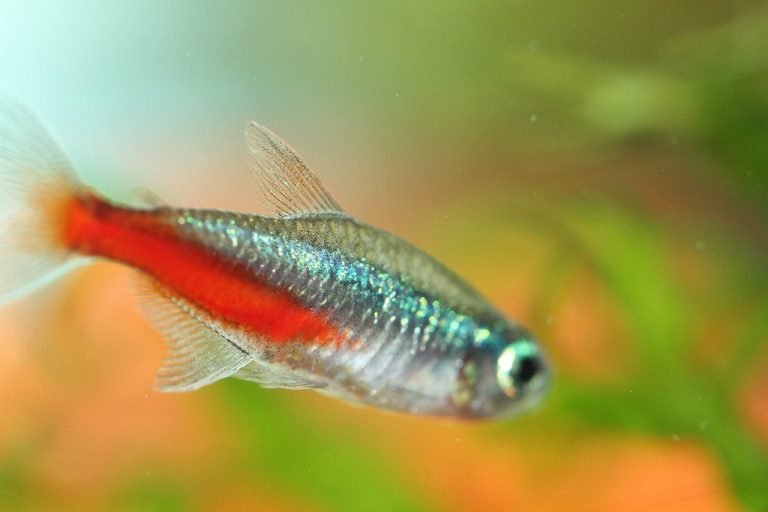
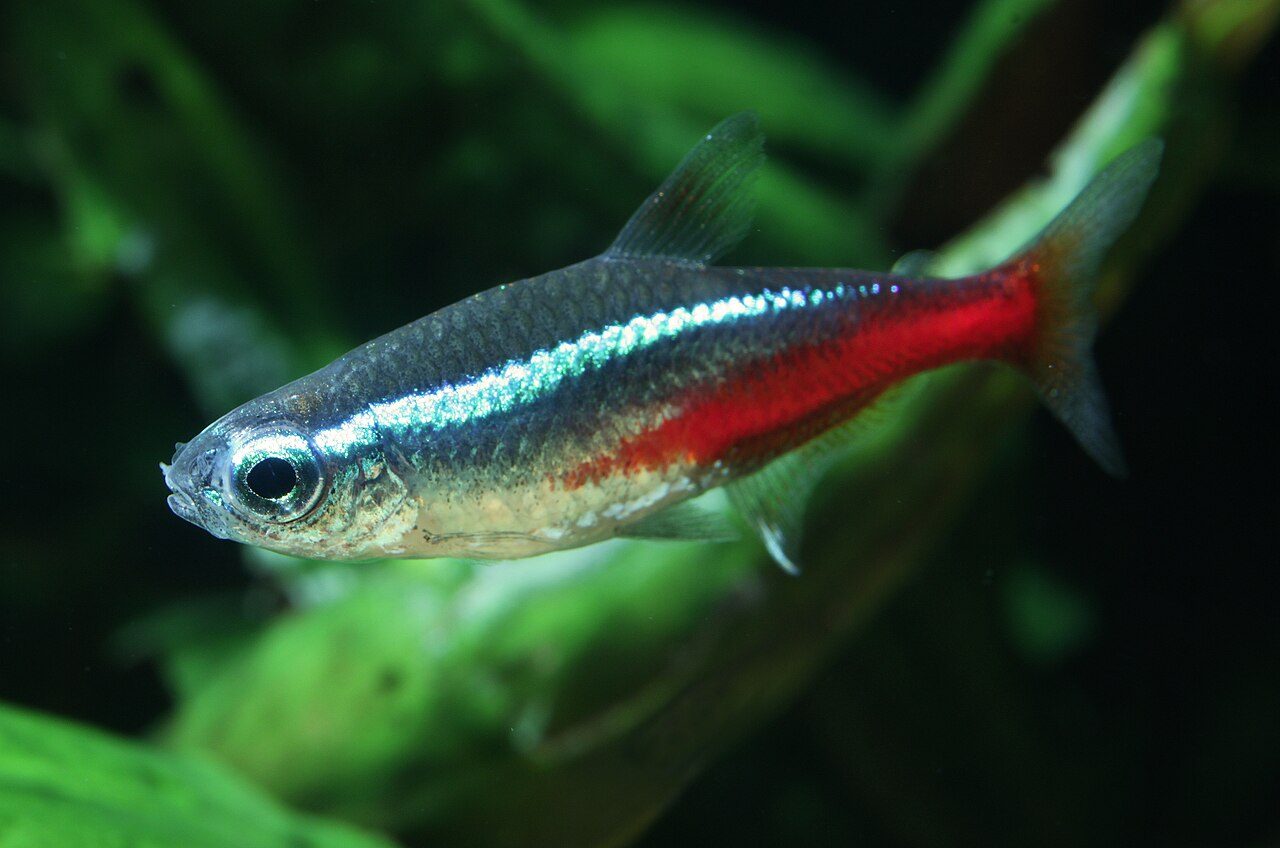
Watching a shimmering school of Paracheirodon innesi glide through a well-planted tank is one of the most satisfying sights in the hobby. In my ten years of maintaining community tanks, I have found that these bright fish are often the “canaries in the coal mine” for water quality.
Unfortunately, they are also susceptible to a specific and often fatal ailment known as neon tetra fish disease. This condition can wipe out an entire school if the keeper isn’t vigilant about the early warning signs.
Understanding how to manage this disease is a rite of passage for many aquarists. While the news isn’t always good regarding treatment, knowing how to protect your healthy fish is the hallmark of an expert keeper.
At a glance: Neon tetra (Paracheirodon innesi)
- Temperature
- 72–78°F (22–26°C)
- Water pH
- 6.0–7.0
- Adult size
- 1.5 in (4 cm)
- Minimum tank
- 10 gal (20 gal for a proper school)
- Group size
- Groups of 8+
- Temperament
- Peaceful
- Diet
- Omnivore: micro pellets, flakes, frozen daphnia
- Lifespan
- 5–8 years
Keeper’s tip: Add neons only to a fully cycled, stable tank; they are among the first fish to suffer from ammonia swings.
What Exactly is Neon Tetra Fish Disease?
Neon tetra fish disease (NTD) is caused by a microsporidian parasite known as Pleistophora hyphessobryconis. Unlike many bacterial infections that sit on the surface of the skin, this parasite penetrates deep into the muscle tissue of the fish.
Once inside, the parasite begins to produce spores that consume the fish from the inside out. This process leads to the destruction of muscle fibers, a condition technically referred to as myolysis.
In my experience, the most heartbreaking part of this disease is its efficiency. It spreads through horizontal transmission, meaning healthy fish become infected by consuming the remains of an infected tank mate or by picking at the substrate where spores have settled.
The Life Cycle of the Parasite
The infection begins when a fish ingests the spores. Once inside the digestive tract, the sporoplasm (the infectious part of the spore) is released and migrates into the muscle cells.
As the parasite multiplies, it forms large cysts that eventually replace the healthy muscle tissue. When the host fish eventually dies, these cysts rupture, releasing thousands of new spores into the water column to find their next host.
Pro Tip: Never leave a dead or dying fish in your tank for more than a few minutes if you suspect NTD. The primary way this disease spreads is through other fish scavenging on the carcass of an infected individual.
Identifying the Symptoms of Infection
Spotting neon tetra fish disease early is the only way to save the rest of your community. The symptoms usually progress in a specific order, starting with behavioral changes before physical deformities appear.
The first thing I usually notice is a fish that separates itself from the school. Healthy neons are social and love to swim together; a loner is often a sick fish.
Visual Cues and Physical Deformity
As the myolysis progresses, the colorful neon blue and red stripes will begin to fade. You might see white or grayish patches appearing under the skin where the muscle is being destroyed.
The most advanced stage of the disease involves a distinct curvature of the spine. The fish may struggle with osmoregulation and buoyancy, often swimming at odd angles or “twitiching” as they try to stay level.
| Symptom Stage | Physical Signs | Behavioral Signs |
|---|---|---|
| Early Stage | Slight dulling of the neon stripe. | Restlessness, swimming away from the school. |
| Intermediate Stage | White patches (muscle rot), erratic swimming. | Loss of appetite, hiding in plants. |
| Late Stage | Lumpiness, curved spine (S-shape). | Complete lethargy, secondary bacterial infections. |
Neon Tetra Disease vs. False Neon Tetra Disease
It is extremely important to distinguish between true NTD and what we call “False Neon Tetra Disease.” While the symptoms look almost identical, the causes and treatments are world apart.
False NTD is actually a bacterial infection caused by Flavobacterium columnare (Columnaris). Unlike the parasitic NTD, Columnaris can often be treated with antibiotics if caught in time.
In my years of troubleshooting tank issues, I’ve found that Columnaris usually presents with more “fuzzy” or “cotton-like” growths, whereas true NTD looks like the muscle itself is turning into white marble.
How to Tell the Difference
Because true neon tetra fish disease has no cure, many hobbyists assume any white patch is a death sentence. However, if you see redness or sores around the white patches, you might be dealing with a bacterial issue that can be fixed.
Maintaining stable water conditions is your best defense against both. Stress from fluctuating pH or temperature often weakens the fish’s immune system, allowing these pathogens to take hold.
Treatment and Management Strategies
I will be honest with you: there is currently no known medical cure for Pleistophora hyphessobryconis. Once a fish is infected with the microsporidian parasite, the damage to the muscle tissue is irreversible.
The goal of treatment is not to save the infected fish, but to prevent the horizontal transmission of spores to the rest of the tank. This requires swift and decisive action.
Immediate Isolation
The moment you see a fish displaying a faded stripe or a curved back, move it to a quarantine tank. Do not wait to see if it “gets better.” In tetras, waiting 24 hours can mean the difference between losing one fish and losing twenty.
If the fish is clearly suffering and showing late-stage deformities, the most humane and responsible course of action is often euthanasia. This prevents the fish from releasing more spores into your main display tank.
Pro Tip: When setting up a quarantine tank for sick tetras, keep the lighting dim and the decorations minimal. This allows you to monitor the fish easily and reduces the stress that can worsen their condition.
Common Secondary Infections to Watch For
When a fish is struggling with a parasitic load, its immune system is compromised. This often leads to secondary infections that can confuse the diagnosis.
One common interloper is Ichthyophthirius multifiliis, commonly known as Ich or White Spot Disease. While Ich looks like tiny grains of salt, NTD looks like internal discoloration.
Other Potential Look-alikes
You might also encounter Dermocystidium, which produces clear, worm-like cysts on the skin or fins. While unsightly, it is far less lethal than NTD.
Another factor to consider is the diet. Fish that are not receiving high-quality nutrition may show dull colors that mimic the early stages of disease. Always make sure you are feeding a variety of flakes, pellets, and frozen foods to keep their immune systems sturdy.
Prevention: The Only Real Cure
Since we cannot cure neon tetra fish disease, we must focus entirely on prevention. This starts at the local fish store. Always observe the tank you are buying from for at least five minutes.
If you see even one dead fish or one fish swimming erratically, do not buy from that tank. The spores are likely already present in the water and the other inhabitants.
The Importance of Quarantine
I cannot stress this enough: always quarantine new arrivals for at least two to four weeks. This gives you time to observe them for symptoms of NTD or Columnaris before they enter your main ecosystem.
Maintaining pristine water quality is equally vital. High nitrates or fluctuating temperatures stress the fish, making them more susceptible to any spores that might be lingering in the environment.
Tank Maintenance Checklist
- Perform weekly water changes of 25-30%.
- Vacuum the substrate to remove potential spores and decaying organic matter.
- Monitor ammonia and nitrite levels to help they stay at 0ppm.
- Avoid overstocking, which increases stress and speeds up disease transmission.
Common questions
Can other fish species catch neon tetra disease?
Yes, despite the name, it is not exclusive to neons. It can infect other tetras, danios, and even some species of barbs. However, Paracheirodon innesi is the most susceptible.
Is there any medication that helps?
There are no medications that kill the Pleistophora parasite once it is inside the muscle. Some hobbyists use wide-spectrum antibiotics to treat “False NTD” (Columnaris), which may save the fish if the diagnosis was bacterial.
How do I disinfect a tank after an outbreak?
If you have had a confirmed case of neon tetra fish disease, you must be very careful. You can use a mild bleach solution (1:19 ratio) to disinfect nets and equipment, but the best approach is to monitor the remaining fish closely for several months.
Can humans catch this disease?
No, the parasites that cause NTD are not zoonotic. They cannot infect humans or other non-aquatic pets.
Final Thoughts on Keeping Your School Safe
Dealing with neon tetra fish disease is one of the most challenging aspects of the hobby, but it shouldn’t discourage you from keeping these beautiful fish. By being proactive and maintaining a strict quarantine protocol, you can enjoy a flourishing, colorful aquarium for years.
In my experience, the keepers who find the most success are those who pay attention to the small details. Watch your fish daily, keep their water clean, and never underestimate the power of a good diet.
If you do encounter this disease, keep in mind that removing the infected fish is an act of protection for the rest of your aquatic family. Stay observant, stay patient, and your aquarium will continue to be a source of joy and tranquility. Strong husbandry is always the best medicine.

- 2003First tank
- 20+Years keeping
- 40+Tanks kept
- 0Sponsored picks
Howard set up his first 10-gallon planted tank in 2003 and lost half of it within six weeks. Two decades and more than forty aquariums later, he writes the guides he wished he had then: clear numbers, the reasons behind them, and what actually goes wrong in home tanks.