Ember Tetra Tank Mates – Compatibility Guide
The best Ember Tetra tank mates are small, peaceful nano fish and invertebrates like Chili Rasboras, Pygmy Corydoras, and Neocaridina shrimp. Avoid large or aggressive species that could easily swallow these tiny, one-inch fish.
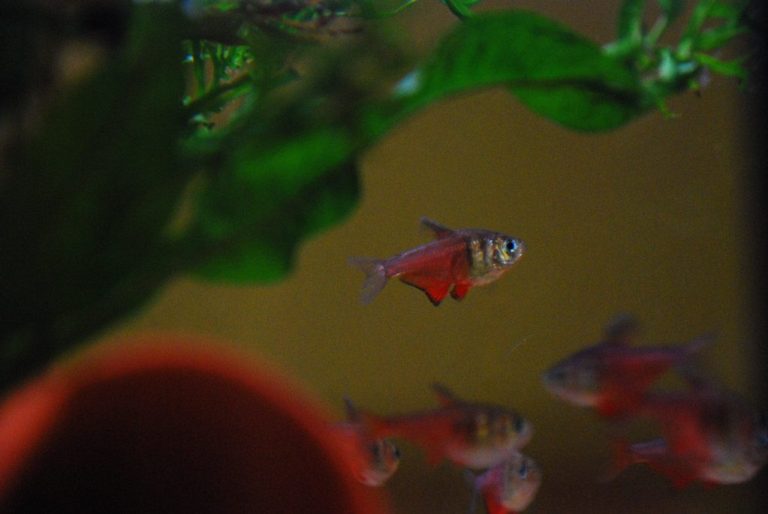
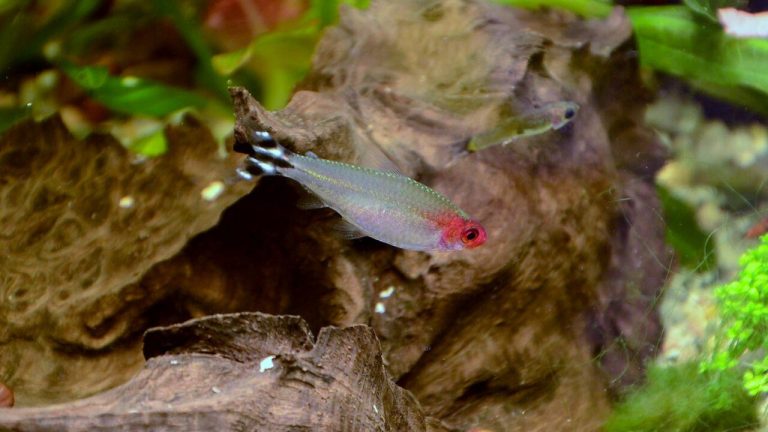
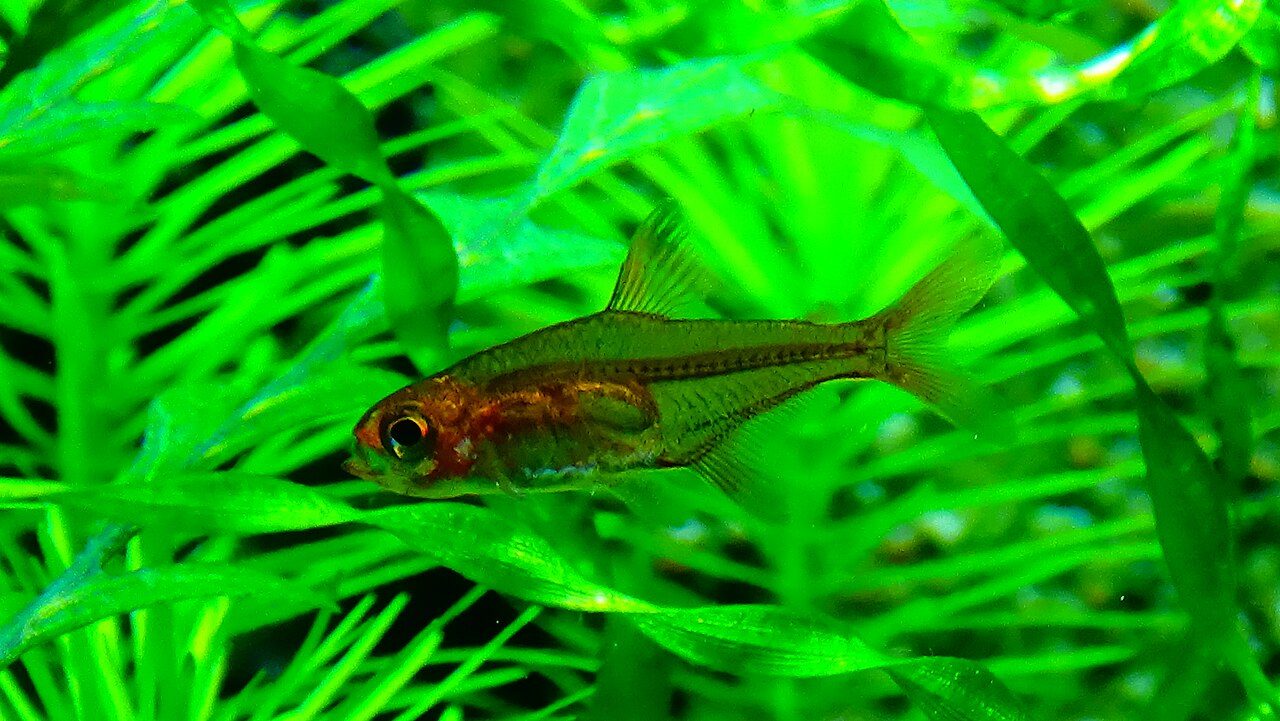
Building a community around the rich, fiery glow of the Ember Tetra (Hyphessobrycon amandae) is one of the most satisfying projects for any aquarist. These tiny jewels rarely exceed an inch in length, making them the perfect candidates for nano setups and heavily planted displays.
In my decade of keeping various characins, I have found that success with Ember Tetra tank mates depends entirely on scale and temperament. Because of their diminutive size, they can easily become a snack for even moderately sized fish that aren’t necessarily “aggressive.”
When you get the combination right, the sight of a school of Embers darting through greenery alongside compatible neighbors is striking. This guide will walk you through the nuances of selecting the perfect companions while maintaining a healthy, stress-free environment.
At a glance: Ember tetra (Hyphessobrycon amandae)
- Temperature
- 72–82°F (22–28°C)
- Water pH
- 5.0–7.0
- Adult size
- 0.8 in (2 cm)
- Minimum tank
- 10 gal
- Group size
- Groups of 8+
- Temperament
- Very peaceful
- Diet
- Micro-predator: crushed flakes, baby brine shrimp, micro pellets
- Lifespan
- 2–4 years
Keeper’s tip: Their colour deepens over dark substrate with plenty of plants and floating cover.
Understanding the Needs of Your Ember Tetras
Before we go through specific species, we must understand the biological “rules” that govern these fish. Embers originate from the Araguaia River basin in Brazil, where they do well in slow-moving, soft, and slightly acidic waters.
They are naturally shy schooling fish that find safety in numbers. I always recommend keeping them in groups of at least 10 to 12 individuals to ensure they feel secure enough to display their best colors.
When they feel stressed by boisterous neighbors, their brilliant orange hue can fade to a dull translucent grey. To keep them looking their best, you should aim for the following water parameters when selecting companions.
| Parameter | Ideal Range |
|---|---|
| Temperature | 73°F – 84°F (23°C – 29°C) |
| pH Level | 5.5 – 7.0 |
| Water Hardness (GH) | 5 – 10 dGH |
| Tank Size (Minimum) | 10 Gallons |
Pro Tip: Embers love “blackwater” conditions. Adding botanical items like Indian Almond leaves or alder cones releases Humic substances that lower pH and provide a natural, tea-colored tint that makes their orange scales pop.
Top Nano Fish as Ember Tetra tank mates
The safest bets for a community tank are other nano fish that share the same dietary needs and swimming patterns. Since Embers occupy the middle to upper layers of the water column, they get along famously with other small schooling species.
One of my favorite combinations is the Chili Rasbora (Boraras brigittae). These fish are even smaller than Embers and share that intense red-orange palette, creating a smooth “fire” effect in a planted tank.
Another excellent choice is the Lambchop Rasbora (Trigonostigma espei). They are slightly larger and more active, but they are incredibly peaceful and won’t outcompete your Embers for food.
Small Schooling Companions
When choosing community companions, you want to avoid “fin-nippers” or fish that are overly frantic. Embers are calm swimmers and can be easily spooked by high-energy tank mates like Zebra Danios.
Instead, look toward the Celestial Pearl Danio (CPD). These striking fish stay small and occupy similar niches without causing any territorial disputes.
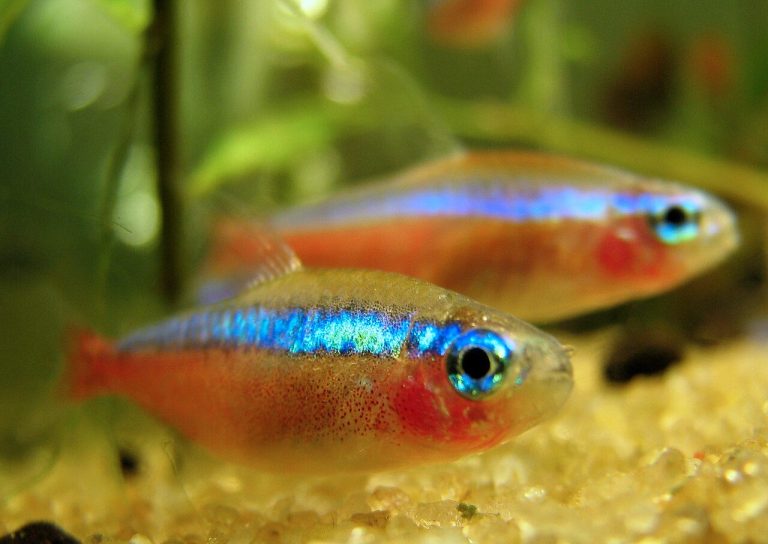
If you are looking for a bit of contrast, the Neon Tetra is a classic choice. However, I often suggest looking at the Green Neon Tetra as they stay smaller and are less prone to the health issues sometimes seen in standard Neons.
| Species Name | Max Size | Temperament |
|---|---|---|
| Chili Rasbora | 0.7 inches | Very Peaceful |
| Celestial Pearl Danio | 1.0 inch | Peaceful / Shy |
| Endler’s Livebearer | 1.0 – 1.5 inches | Active / Peaceful |
Bottom-Dwelling Friends for a Balanced Tank
To create a dynamic aquarium, you need to think about the different zones of the tank. While the Embers own the middle, you can add interest to the substrate with peaceful bottom-dwellers.
The Corydoras pygmaeus (Pygmy Cory) is perhaps the single best bottom-dwelling companion for Embers. Unlike larger Cories, Pygmies often swim in the mid-water with the tetras, creating a beautiful multi-species school.
If you prefer a fish that stays strictly on the floor, look for the Habrosus Cory. They have all the charm of the larger species but in a tiny, 1-inch package that won’t bulldoze your delicate plants.
The Essential Cleanup Crew
Every tank benefits from an algae eater, but many common options like the Chinese Algae Eater grow too large and aggressive. For an Ember Tetra setup, the Otocinclus vittatus is the gold standard.
These “Otos” are dedicated biofilm and algae grazers that completely ignore their tank mates. They are quite sensitive to water quality, so make sure your tank is well-established before adding them.
I have found that adding a group of three to five Otos keeps the glass and plant leaves pristine without adding much to the bio-load. They are the definition of “set it and forget it” community members.
Invertebrates: Shrimp and Snail Compatibility
Many hobbyists ask me if they can keep shrimp with their Embers. The answer is a resounding yes, but with one small caveat regarding breeding.
The Neocaridina davidi (Cherry Shrimp) is a fantastic choice. The bright red of the shrimp complements the orange of the tetras perfectly, and they share identical water preferences.
While adult shrimp are perfectly safe, Embers are opportunistic foragers. If a tiny baby shrimp swims directly in front of an Ember, it might become a snack, but a well-planted tank prevents this from being a major issue.
Best Invertebrate Options
If you are worried about shrimp populations, the Caridina multidentata (Amano Shrimp) is a better choice. They are significantly larger than Cherry shrimp and are far too big for an Ember Tetra to bother.
For snails, you can’t go wrong with Nerite snails or Mystery snails. They add a different shape and movement to the tank while helping control algae and leftover fish food.
Pro Tip: To protect baby shrimp, always include a thick carpet of Taxiphyllum barbieri (Java Moss). This provides a “nursery” where shrimplets can hide and graze until they are large enough to wander the tank safely.
Choosing a Centerpiece Fish Carefully
Sometimes, a school of small fish can feel like it’s missing a “main character.” While many traditional centerpiece fish like Angelfish are dangerous to Embers, there are some safe, small-scale alternatives.
The Honey Gourami is an excellent candidate. They are slow-moving, peaceful, and stay under three inches. Their soft yellow or sunset colors blend beautifully with the Ember’s orange.
Another sophisticated choice is the Apistogramma borellii (Umbrella Cichlid). This is one of the most peaceful dwarf cichlids and typically ignores small schooling fish, provided the tank is at least 20 gallons with plenty of caves.
The Betta Question
Can you keep an Ember Tetra with a Betta? It is possible, but it depends entirely on the Betta’s personality. Because Embers are not “nippy” like Serpae Tetras, they don’t usually provoke the Betta.
However, a highly aggressive Betta might still see the small tetras as intruders. If you try this, make sure you have a backup plan and plenty of visual breaks like tall plants or driftwood. Knowing how to identify males and females can also help you manage aggression if you decide to breed them in a separate setup later.
Creating the Perfect Environment for Success
Selecting the right Ember Tetra tank mates is only half the battle; the environment must support everyone. Embers feel most secure in “dim” conditions, which can be achieved through plant cover.
I highly recommend using floating plants like Pistia stratiotes (Water Lettuce) or Amazon Frogbit. The hanging roots provide a natural canopy that diffuses light, making the fish feel less exposed to “predators” from above.
When fish feel safe, they are more likely to interact peacefully. A bare tank with no hiding spots will lead to stressed fish and potential nipping, even among peaceful species.
Planting for Peace
A heavily planted tank is a happy tank. Use a variety of textures and heights to create “neighborhoods” within the aquarium.
Foreground plants like Staurogyne repens provide a playground for bottom-dwellers, while mid-ground plants like Cryptocorynes offer resting spots for the tetras. This vertical layering ensures that different species aren’t constantly bumping into each other.
If you ever notice your fish acting lethargic or losing color, it’s vital to check for signs of illness or stress immediately. Often, the issue is water quality or an incompatible, bullying tank mate.
Reader questions
How many Ember Tetras should I keep together?
You should keep a minimum of 6 to 8, but they do well in groups of 12 or more. In larger schools, they are much bolder and their schooling behavior is more synchronized and impressive.
Can Ember Tetras live with Guppies?
Yes, they can live with Guppies, but Guppies are much more active and can sometimes outcompete the shy Embers for food. If you mix them, ensure you disperse the food across the water surface so everyone gets a share.
Do Ember Tetras nip the fins of their tank mates?
Generally, no. Embers are one of the most peaceful tetra species. If you see nipping, it is usually a sign that the tank is too small or the school is too small, causing the fish to feel insecure and defensive.
Will Ember Tetras eat my plants?
Not at all. They are strictly micro-predators in the wild, eating tiny crustaceans and worms. They will not bother your aquatic plants, making them perfect for high-end aquascapes.
What is the best food for a community tank with Embers?
Because they have very small mouths, you must provide crushed flakes, micro-pellets, or small frozen foods like daphnia and baby brine shrimp. High-quality food is the secret to maintaining those deep orange colors.
Before you go
Choosing the right Ember Tetra tank mates is the secret to a long-lasting and beautiful aquarium. If you focus on other peaceful nano species like Pygmy Cories, Chili Rasboras, and Amano shrimp, you create a miniature ecosystem that mimics the tranquility of nature.
Always keep in mind that in nano fish, less is often more. It is better to have two large, healthy schools of different species than a chaotic mix of five or six different types of fish.
With the right water parameters, plenty of plants, and a bit of patience, your Ember Tetra community will become the centerpiece of your home. These little orange “embers” may be small, but when paired with the right friends, they bring a massive amount of life and color to the hobby.

- 2003First tank
- 20+Years keeping
- 40+Tanks kept
- 0Sponsored picks
Howard set up his first 10-gallon planted tank in 2003 and lost half of it within six weeks. Two decades and more than forty aquariums later, he writes the guides he wished he had then: clear numbers, the reasons behind them, and what actually goes wrong in home tanks.