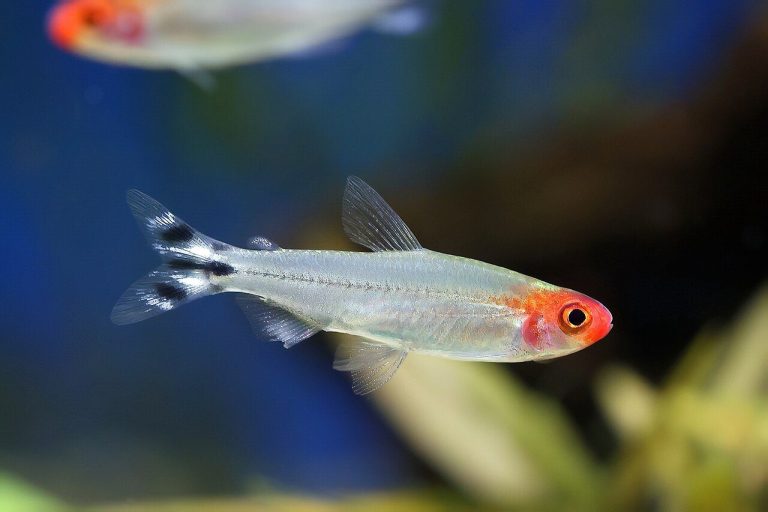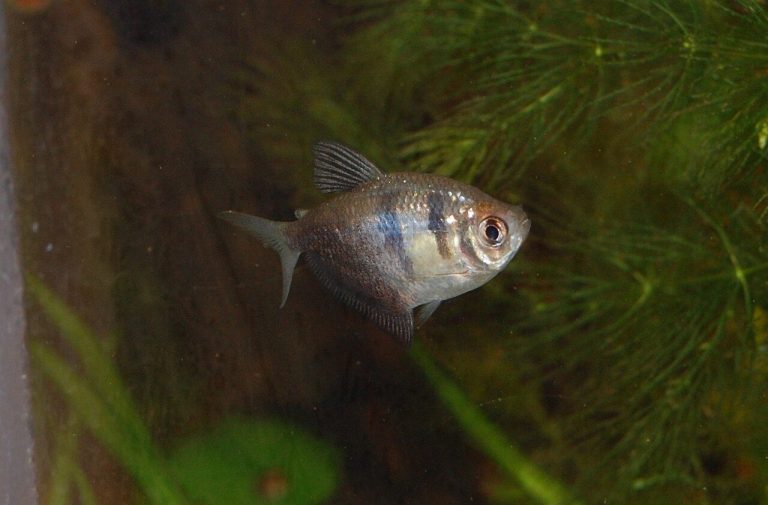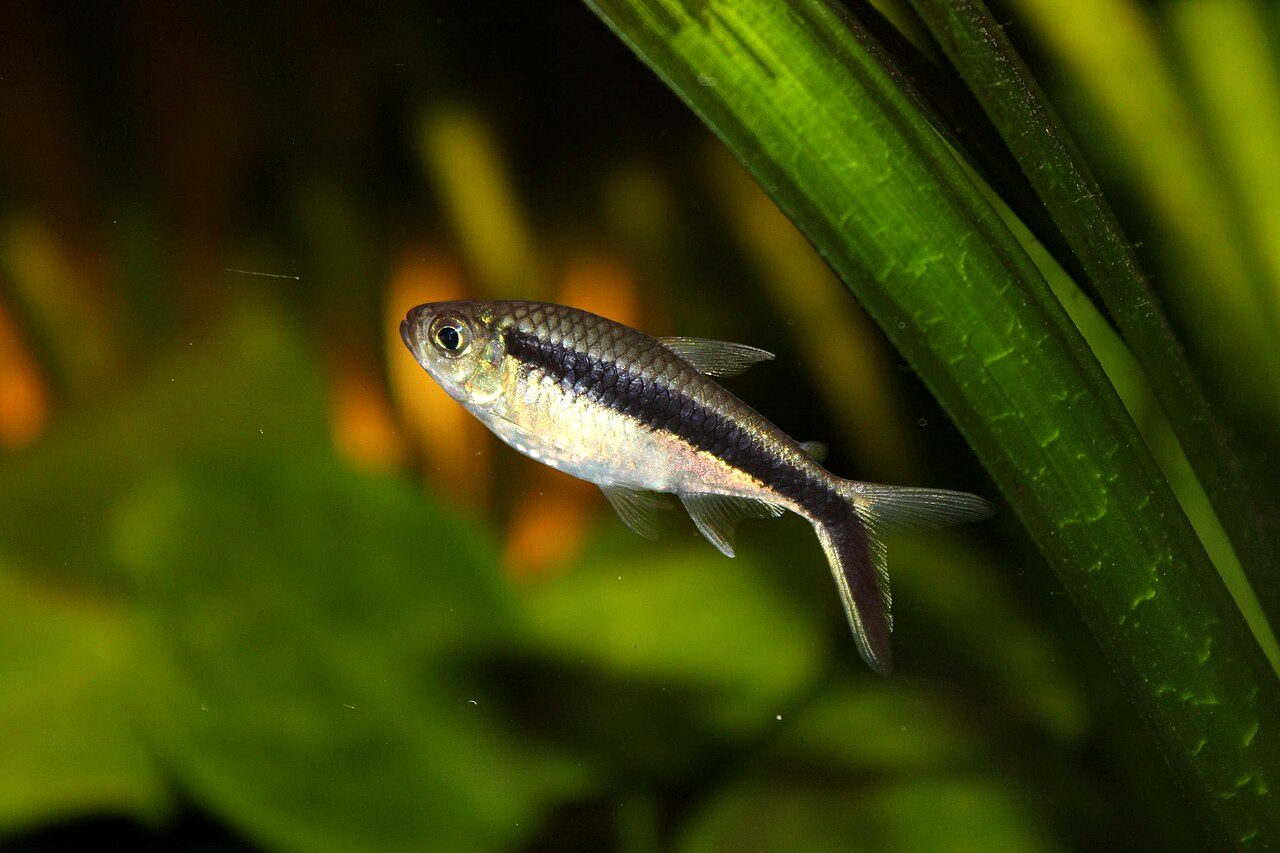
Penguin Tetra Size – The Complete Guide To Growth, Tank Requirements
The average Penguin Tetra size is approximately 2.5 to 3 inches (6 to 7.5 cm) in length. While they are relatively small, their active schooling nature and unique swimming style require a minimum tank size of 20 to 30 gallons.
The Penguin Tetra, scientifically known as Thayeria boehlkei, is one of the most distinctive members of the Characidae family. I remember the first time I saw a school of these fish in a local shop; their striking black stripe and odd swimming posture immediately caught my eye.
Unlike many other tetras that swim horizontally, the Penguin Tetra is famous for its oblique swimming angle. They typically hover with their heads pointing upward, which gives them a quirky, charming personality in a community tank.
Understanding the Penguin Tetra size is essential for any hobbyist looking to provide a healthy environment. While they are often sold as tiny juveniles, they have a surprising amount of energy that demands more space than you might initially expect.
In this guide, I will share my decade of experience keeping these “hockey stick” tetras. We will cover everything from their growth rates and sexual dimorphism to the specific tank dimensions they need to flourish.
At a glance: Penguin tetra (Thayeria boehlkei)
- Temperature
- 72–82°F (22–28°C)
- Water pH
- 6.0–8.0
- Adult size
- 2.5 in (6 cm)
- Minimum tank
- 20 gal
- Group size
- Groups of 6+
- Temperament
- Peaceful, slightly nippy
- Diet
- Omnivore: flakes, small pellets, frozen foods
- Lifespan
- 5 years
Keeper’s tip: They swim at a head-up angle naturally; that tilt is normal and not a swim bladder problem.
Understanding Penguin Tetra Size and Growth Expectations
When we discuss Penguin Tetra size, it is important to distinguish between different measurements used in the hobby. Most experts refer to either Standard Length (SL) or Total Length (TL) when describing fish.
Standard Length measures the fish from the tip of the snout to the base of the tail, whereas Total Length includes the entire tail fin. For the Penguin Tetra, the caudal fin extension is a significant part of their overall appearance, as the black stripe extends into the lower lobe of the tail.
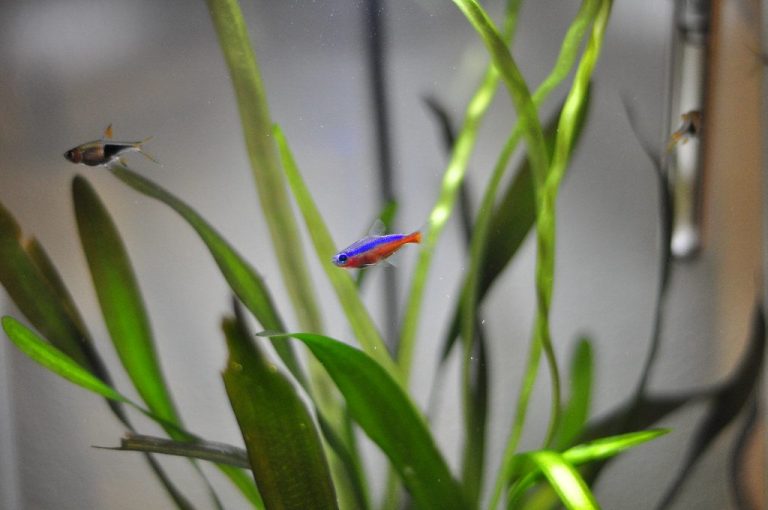
In a home aquarium, you can expect an adult Thayeria boehlkei to reach about 3 inches in total length. This makes them slightly larger than your average Neon Tetra but smaller than some of the “deep-bodied” species like the emperor tetra size which can feel much bulkier in the water.
Pro Tip: When buying Penguin Tetras, look for individuals that are at least 1 inch long. Juveniles smaller than this can be quite fragile and may struggle to compete for food with larger tank mates during the acclimation phase.
It is also worth noting that there is a closely related species called Thayeria obliqua. While they look very similar, Thayeria boehlkei is the species most commonly found in the trade and generally grows slightly larger and more sturdy.
The growth rate of these fish is relatively moderate. In my experience, a well-fed juvenile will reach its full adult Penguin Tetra size within about 8 to 12 months, provided the water quality remains high.
| Growth Stage | Approximate Size (Inches) | Approximate Size (cm) |
|---|---|---|
| Juvenile (at shop) | 0.75 – 1.25″ | 2 – 3 cm |
| Sub-Adult (6 months) | 1.5 – 2.0″ | 4 – 5 cm |
| Adult (Full Size) | 2.5 – 3.0″ | 6 – 7.5 cm |
Factors Influencing the Growth of Thayeria boehlkei
Achieving the maximum Penguin Tetra size isn’t just about time; it is about the quality of the environment you provide. These fish originate from the Amazon Basin, specifically in areas that often resemble a blackwater biotope.
In the wild, they have access to a massive variety of live foods, including small insects, larvae, and crustaceans. To mimic this in the aquarium, you should offer a high-quality varied diet.
I have noticed that Penguin Tetras fed exclusively on low-quality flakes rarely reach their full size or colorful coloration. I highly recommend supplementing their diet with frozen or live daphnia, brine shrimp, and bloodworms.
Water volume also plays a role in growth. While a fish won’t literally “grow to the size of the tank,” a cramped environment leads to stress, which stunts growth and weakens the immune system.
Common Mistake: Many beginners assume that because a fish is small, it can live in a 10-gallon tank. For Penguin Tetras, this is a mistake because they are high-energy sprinters that need length to swim.
Maintaining pristine water conditions is the final piece of the puzzle. Regular water changes help remove growth-inhibiting hormones that can accumulate in closed aquatic systems.
Tank Size Requirements for Active Schoolers
Because of the Penguin Tetra size and their active nature, I always recommend a minimum of a 20-gallon “Long” tank. A standard 20-gallon high is acceptable, but the extra horizontal space in a “Long” model is much better for their schooling behavior.
These fish are tight schoolers, especially when they feel insecure. To see their best behavior, you should keep them in groups of at least 6 to 10 individuals.
When you have a group of ten 3-inch fish, the biological load adds up quickly. Furthermore, their “hockey stick” swimming style involves quick darts and sudden stops, which requires clear flight paths.
If you are planning a community tank with other active species, such as those mentioned in the buenos aires tetra care guide, you should look toward a 30-gallon or 40-gallon breeder tank. This ensures everyone has enough “fin room” to avoid territorial squabbles.
| Number of Penguin Tetras | Minimum Tank Size | Ideal Tank Type |
|---|---|---|
| 6 – 8 Fish | 20 Gallons | 20 Gallon Long |
| 10 – 15 Fish | 30 – 40 Gallons | 40 Gallon Breeder |
| 20+ Fish | 55+ Gallons | 4-Foot Standard |
Sexual Dimorphism: Identifying Males and Females
Identifying the sex of your Penguin Tetras can be a bit tricky when they are young. However, as they approach their full Penguin Tetra size, the differences become much more apparent.
This is known as sexual dimorphism. In Thayeria boehlkei, the differences are primarily related to body shape rather than color or fin length.
Females are generally larger and have a much more rounded abdomen, especially when they are “in spawn” (carrying eggs). From a top-down view, the females will look significantly wider than the males.
Males, on the other hand, tend to be slightly smaller and much more streamlined. Their colors might appear a tiny bit more intense during courtship, but the physical girth is the most reliable indicator.
I’ve found that keeping a mixed group with more females than males helps reduce any potential aggression. Males can sometimes be a bit “pesty” toward each other when trying to impress a mate.
While the Penguin Tetra size makes them suitable for many community tanks, their behavior is a factor you must consider. They are generally peaceful, but they can be “nippy” if they are bored or kept in too small a group.
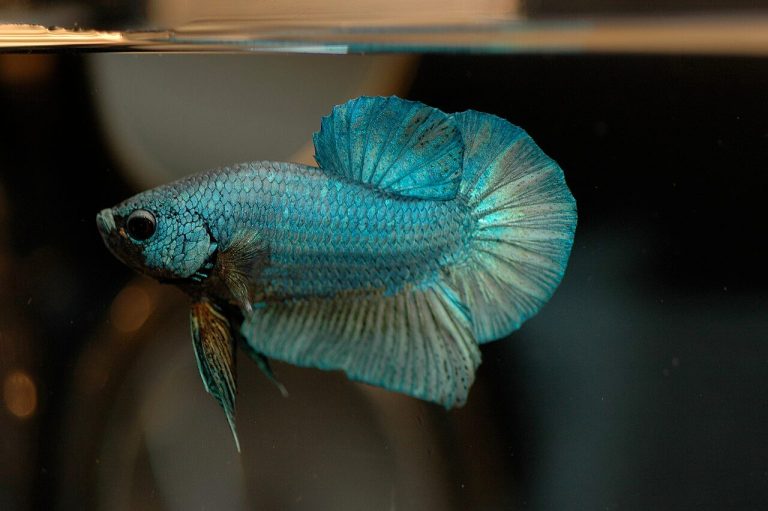
They do best with other active, short-finned fish. Avoid pairing them with slow-moving fish that have long, flowing fins, such as fancy guppies or bettas, as the Penguin Tetras might find those fins too tempting to ignore.
Excellent tank mates include other tetras, rasboras, and corydoras. If you are looking for something with a bit more presence, they also pair well with dwarf cichlids like Apistogramma or Rams.
I have successfully kept them with various shrimp species as well. However, because an adult Penguin Tetra size is large enough to snack on baby shrimp, ensure you have plenty of moss and hiding places if you want your shrimp colony to grow.
Pro Tip: To minimize nipping behavior, always keep Penguin Tetras in a school of at least 8. In larger groups, they spend their energy interacting with each other rather than bothering their tank mates.
Creating the Perfect Environment for Thayeria boehlkei
To see your Penguin Tetras reach their full potential, you should try to replicate their natural habitat. They love a tank with plenty of plants but also require open water for swimming.
I recommend planting the back and sides of the tank heavily with species like Vallisneria or Amazon Swords. This provides security and mimics the riverbanks of the Amazon.
Floating plants are also a fantastic addition. They help dim the light, which makes the Penguin Tetras feel much safer and more likely to display their deep black and silver coloration.
In terms of water parameters, they are quite adaptable but prefer slightly acidic to neutral water. If you can maintain a stable temperature and keep nitrates low, your fish will likely live for 5 years or more.
| Parameter | Ideal Range |
|---|---|
| Temperature | 72°F – 82°F (22°C – 28°C) |
| pH Level | 6.0 – 7.5 |
| Water Hardness | 3 – 12 dGH |
| Nitrate | < 20 ppm |
Common questions
How long does it take for a Penguin Tetra to reach full size?
In most home aquariums, a Penguin Tetra will reach its full adult size of 3 inches in about 8 to 12 months. This depends heavily on diet and water quality.
Can Penguin Tetras live in a 10-gallon tank?
While they might physically fit, I do not recommend it. Their active swimming style and the need for a large school make a 20-gallon tank the practical minimum for long-term health.
Are Penguin Tetras aggressive?
They are not inherently aggressive, but they can be nippy if kept in small groups. Keeping them in a school of 8 or more usually solves this problem entirely.
Do Penguin Tetras jump?
Yes, they are very capable jumpers. Always make sure your aquarium has a tight-fitting lid, especially during the first few days when they are settling into a new environment.
What is the unique swimming angle of the Penguin Tetra?
Penguin Tetras are famous for swimming at an oblique swimming angle, usually with their heads pointing up at about a 30 to 45-degree angle. This is perfectly normal for the species.
A last word
The Penguin Tetra size may be modest, but their impact on an aquarium is significant. Their striking black stripe, unique swimming posture, and energetic schooling make them a joy to watch.
If you provide them with a tank of at least 20 to 30 gallons and a high-quality diet, you help they reach their full 3-inch potential. These are social creatures that settle in on the company of their own kind.
Whether you are a beginner or an intermediate keeper, Thayeria boehlkei offers a wonderful blend of hardiness and visual interest. If you provide them with the space they need, they will reward you with years of active, healthy behavior.
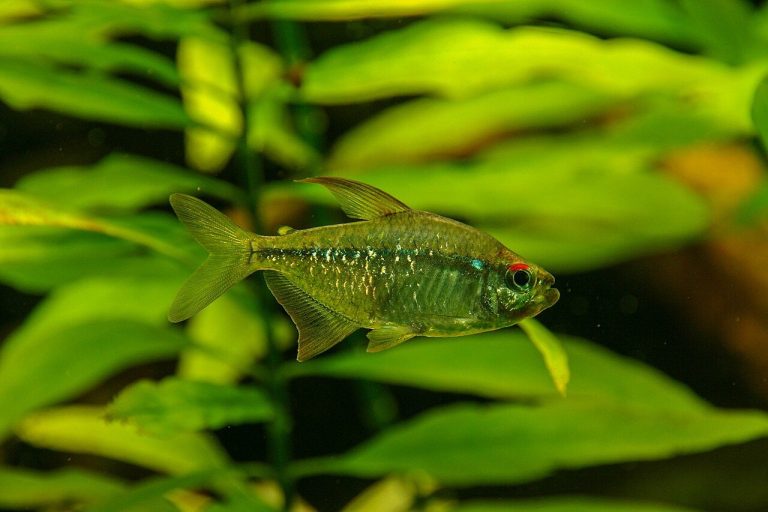
If you enjoyed learning about these unique characins, you might also want to check out our guide on the diamond tetra size to see how they compare to other popular species.

- 2003First tank
- 20+Years keeping
- 40+Tanks kept
- 0Sponsored picks
Howard set up his first 10-gallon planted tank in 2003 and lost half of it within six weeks. Two decades and more than forty aquariums later, he writes the guides he wished he had then: clear numbers, the reasons behind them, and what actually goes wrong in home tanks.