High Fin Tetra – Care Guide
The high fin tetra is a selectively bred variant of species like the Serpae or Black Skirt Tetra, prized for dramatic dorsal fin elongation. They require stable water, schools of six or more, and peaceful tank mates.
Few sights in the freshwater hobby are as eye-catching as a school of high fin tetra gliding through a lushly planted aquarium. These fish are not a distinct species found in the wild but are the result of careful selective breeding within the Characidae family.
Over my ten years of maintaining various characins, I have found that these long-finned varieties add a layer of elegance that standard tetras simply cannot match. Their trailing fins act like sails, catching the light and creating a sense of motion even when the fish are hovering.
However, that extra finnage comes with specific care requirements that every hobbyist should understand before diving in. In this guide, I will share everything I have learned about keeping these beautiful fish healthy, from water chemistry to social dynamics.
At a glance: Tetras (general) (Family Characidae and relatives)
- Temperature
- 72–80°F (22–27°C) for most species
- Water pH
- 6.0–7.5 for most species
- Adult size
- 1–3 in (2.5–8 cm)
- Minimum tank
- 10–30 gal depending on species
- Group size
- Groups of 6–10+
- Temperament
- Mostly peaceful schooling fish
- Diet
- Omnivores: quality flakes or micro pellets plus frozen foods
- Lifespan
- 3–8 years
Keeper’s tip: Schooling size matters more than tank size for most tetras: small groups hide, nip and stress.
Understanding the High Fin Tetra Varieties
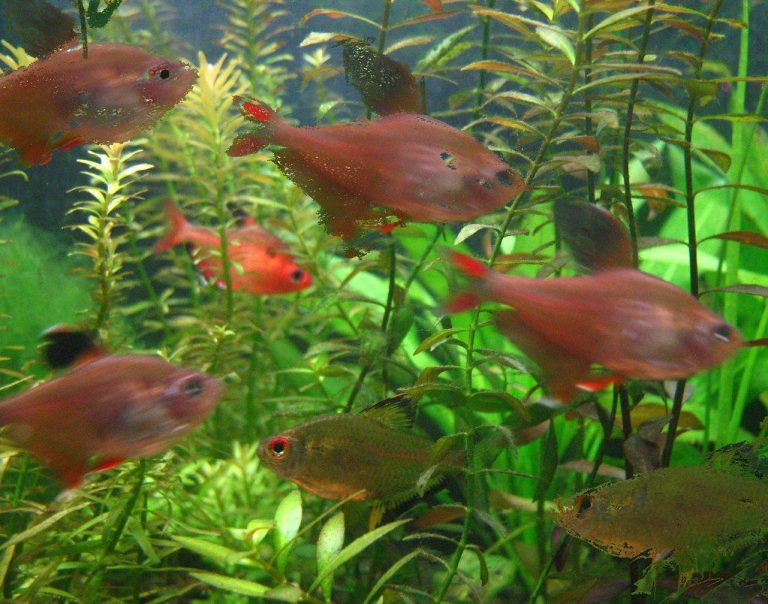
When you see a high fin tetra at your local fish store, you are usually looking at one of two primary species. The most common is the High Fin Serpae Tetra (Hyphessobrycon eques), known for its fiery red body and black “comma” mark.
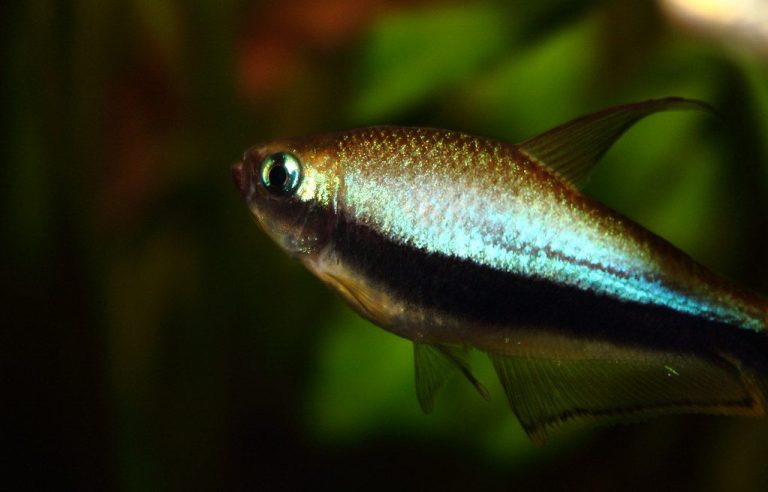
The other frequent find is the High Fin Black Skirt Tetra (Gymnocorymbus ternetzi), which features deep black vertical bands and a broad, flowing anal fin. Both species have been bred for dorsal fin elongation, which gives them their distinctive “high fin” silhouette.
It is important to identify exactly which species you have, as their temperaments can vary slightly. Serpae tetras are notorious for being a bit “nippy,” while Black Skirts tend to be slightly more sedate as they age.
Pro Tip: Always look for specimens with clear, undamaged fins at the store. Because their fins are so long, they are prone to nipping and secondary infections in overcrowded retail tanks.
Ideal Water Parameters for High Fin Varieties
Maintaining pristine water quality is the foundation of success for any long-finned fish. Because their fins have a high surface area, they are more sensitive to fluctuations in water chemistry and waste levels.
In my experience, providing a stable environment is more important than chasing a “perfect” number on a test kit. However, aiming for a slightly acidic to neutral environment will help these fish display their best colors.
| Parameter | Ideal Range |
|---|---|
| Temperature | 72°F to 82°F (22°C – 28°C) |
| pH Level | 6.0 to 7.5 |
| Hardness (dGH) | 5 to 15 dGH |
| Carbonate Hardness (kH) | 2 to 8 kH |
You should also keep an eye on the specific conductance of your water if you are keeping high-end varieties. High levels of dissolved solids can sometimes lead to “fin curling” or poor growth in developing juveniles.
Tank Setup and Design for Long-Finned Tetras
When designing a home for your high fin tetra, you must consider the physical limitations of their long fins. Strong, turbulent currents can exhaust these fish, as their fins act like sails in the wind.
I recommend using a filter with an adjustable flow or a pre-filter sponge to baffle the output. Choosing the right choosing the right filter is essential to make sure the water stays clean without tossing the fish around the tank.
A 20-gallon setups is usually the minimum size I suggest for a school of six. This provides enough horizontal swimming space for them to display their natural shoaling behavior without feeling cramped.
Substrate and Decor
I have noticed that dark substrates, like black sand or dark brown gravel, really make the colors of the High Fin Serpae pop. It also provides a sense of security, as bright white substrates can sometimes wash out their colors and cause stress.
Avoid any decorations with sharp edges or narrow crevices where those long fins could get snagged. Driftwood and smooth river stones are excellent choices that mimic their natural South American habitats.
The Role of Live Plants
Plants are not just decorative; they are functional for these fish. Tall, stem plants like Vallisneria or Amazon Swords provide “break-up” lines in the tank, allowing subdominant fish to hide from more assertive tank mates.
I often incorporate peat filtration or add Indian Almond leaves to the tank. This releases humic acid into the water, which has mild antibacterial properties and helps keep those delicate fins healthy.
Diet and Nutritional Requirements
A varied diet is the secret to colorful colors and long-term health. While they will readily accept high-quality flake food, relying solely on dry food can lead to nutritional deficiencies.
I like to feed mine a mix of frozen daphnia, brine shrimp, and bloodworms at least twice a week. These protein-rich foods provide the building blocks needed for continuous fin growth and repair.
If you are keeping the Serpae variety, look for foods containing carotenoids. These natural pigments help maintain the deep, fiery reds that make this species so famous in the hobby.
Pro Tip: Feed smaller amounts twice a day rather than one large meal. This ensures that the slower-moving high fin individuals get their fair share before the faster fish consume everything.
The high fin tetra is a social creature that must be kept in a group. In my experience, a group of at least six is mandatory, but eight to ten is even better for diffusing aggression.
When kept in small numbers, these fish can become stressed and may start nipping at each other or their tank mates. A larger school creates a hierarchy that keeps their focus on one another rather than other species.
Choosing tank mates requires some thought. You want to avoid other “nippy” fish that might find those long, flowing fins irresistible to bite.
- Good Mates: Corydoras catfish, peaceful dwarf cichlids (like Apistogramma), and larger rasboras.
- Avoid: Tiger barbs, certain aggressive tetras, and large cichlids that might see them as a snack.
Before adding new residents, always consult a compatible tank mates guide to help long-term harmony in your community.
Common Health Issues and Prevention
Long-finned fish are unfortunately more susceptible to certain pathogens. Their fins are often the first place you will see signs of stress or illness.
One of the most common issues is Ichthyophthirius multifiliis, better known as Ich. These white spots are easily visible on the clear sections of the high fins and should be treated immediately with heat or copper-based medications.
Another concern is Cytophaga columnaris, or Columnaris. This bacterial infection often appears as “fin rot” or cottony patches on the body. It does well in high-organic-waste environments, which is why regular water changes are non-negotiable.
| Disease | Early Signs | Primary Cause |
|---|---|---|
| Ich | Salt-like white spots | Temperature fluctuations |
| Fin Rot | Ragged, milky fin edges | Poor water quality |
| Columnaris | Gray/white fuzzy patches | High stress/High waste |
Breeding the High Fin Tetra
Breeding these variants is a satisfying challenge. Because the “high fin” trait is genetic, you will need a male and female that both carry the gene to produce a high percentage of long-finned offspring.
I suggest setting up a separate 10-gallon breeding tank with a mesh bottom or plenty of Java Moss. This protects the eggs from being eaten by the parents immediately after spawning.
Condition the pair with live foods for a week before moving them to the breeding tank. A slight temperature increase and a large water change with soft, acidic water usually triggers the spawning process.
Once the eggs are laid, remove the adults. The fry are tiny and will require infusoria or liquid fry food for the first few days before they can graduate to baby brine shrimp.
Quick answers
Are high fin tetras more aggressive than regular tetras?
They are generally the same temperament as their short-finned counterparts. However, because they move slightly slower, they may be more defensive if they feel threatened by faster tank mates.
How long do high fin tetras live?
Looked after properly, a high fin tetra can live for 3 to 5 years. Maintaining low nitrate levels and providing a high-quality diet are the biggest factors in their longevity.
Why are my tetra’s fins turning white at the tips?
This is often the first sign of fin rot. Check your ammonia and nitrite levels immediately. If the water is clean, it may be a bacterial infection that requires treatment with an antibacterial medication.
Do they need a heater?
Yes, these are tropical fish. They require a stable temperature between 72°F and 82°F. Fluctuations in temperature can weaken their immune system and lead to outbreaks of Ich.
Final Thoughts on Keeping High Fin Tetras
The high fin tetra is proof of the beauty that can be achieved through dedicated fish keeping and selective breeding. While they require a bit more attention to water flow and tank mates, the visual payoff is well worth the effort.
I have found that what matters most is patience. Allow your tank to mature before adding these fish, and always prioritize stability over rapid changes.
If you provide a peaceful environment, clean water, and a nutritious diet, you can enjoy the graceful beauty of these fish for many years. Whether you choose the fiery Serpae or the classic Black Skirt, they are sure to become the center of attention in your aquarium.

- 2003First tank
- 20+Years keeping
- 40+Tanks kept
- 0Sponsored picks
Howard set up his first 10-gallon planted tank in 2003 and lost half of it within six weeks. Two decades and more than forty aquariums later, he writes the guides he wished he had then: clear numbers, the reasons behind them, and what actually goes wrong in home tanks.