How Long Do Glofish Tetras Live – Lifespan Facts
On average, GloFish Tetras live between 3 to 5 years. With pristine water conditions, a high-quality diet, and a stress-free environment, many experienced hobbyists successfully keep them for 7 years or more.
GloFish Tetras are among the most rich and eye-catching additions to the modern freshwater aquarium. As a beginner-friendly species, they bring a splash of neon color that can transform any room.
However, the most common question I receive from new keepers is, “how long do glofish tetras live?” Understanding their lifespan is important for providing the long-term care these eye-catching creatures deserve.
In my decade of keeping various characins, I have found that their longevity is directly tied to the consistency of their environment. While their colors are engineered, their biological needs remain identical to their wild ancestors.
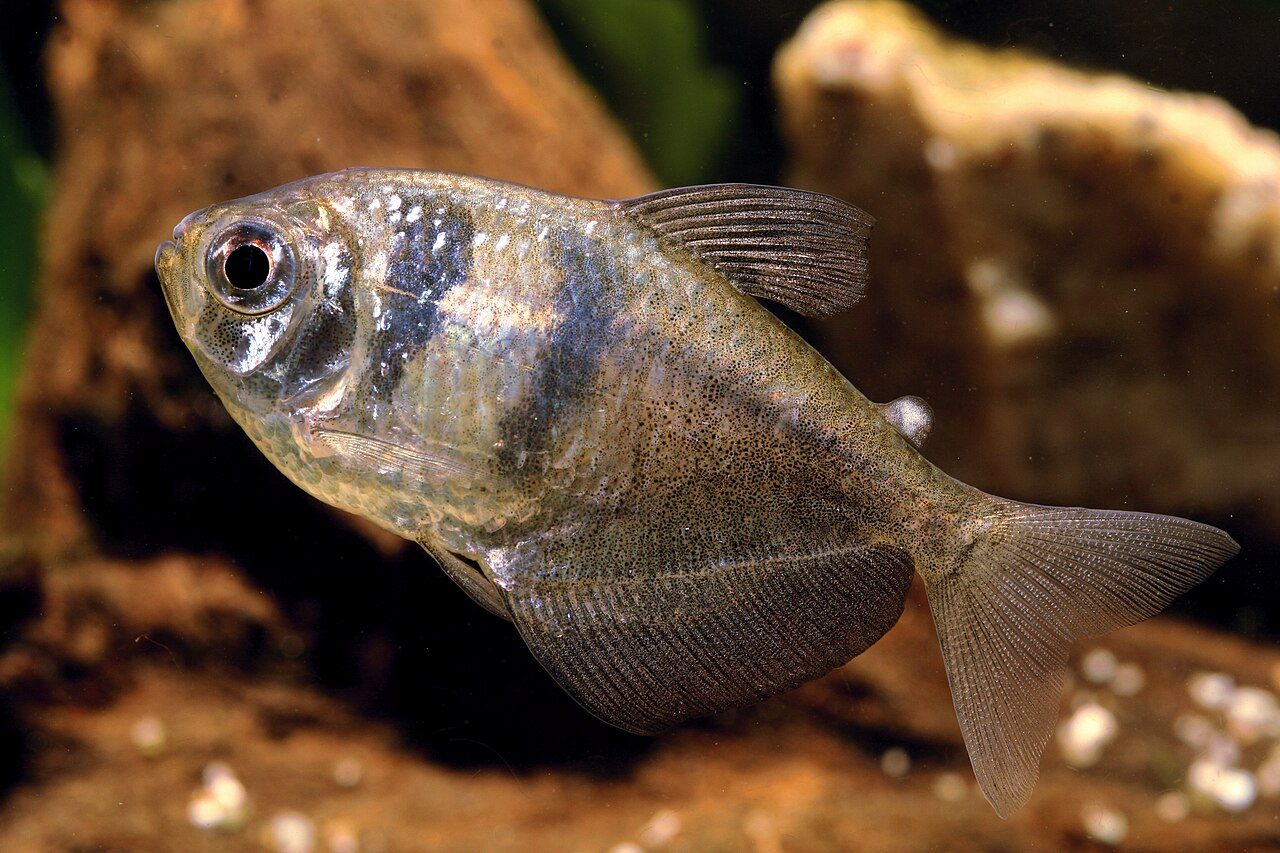
At a glance: Black skirt tetra (Gymnocorymbus ternetzi)
- Temperature
- 70–85°F (21–29°C)
- Water pH
- 6.0–7.5
- Adult size
- 2.5 in (6 cm)
- Minimum tank
- 20 gal
- Group size
- Groups of 6+
- Temperament
- Semi-peaceful, may nip fins
- Diet
- Omnivore: flakes, pellets, frozen foods
- Lifespan
- 3–5 years
Keeper’s tip: Keep them in a proper group; singles and pairs are the ones that harass bettas and angelfish.
Understanding the Biology of the GloFish Tetra
To understand the lifespan of these fish, we must first look at their origins. GloFish Tetras are scientifically known as Gymnocorymbus ternetzi, which is the same species as the popular Black Skirt Tetra.
These fish were originally bred to help detect environmental pollutants in waterways. Today, they are a staple in the hobby, known for their hardy nature and schooling behavior.
Because they are essentially Black Skirt Tetras, their natural genetics allow for a relatively long life compared to smaller species like Neon Tetras. In a well-maintained mid-sized 20-gallon aquarium, they can easily reach their full potential.
The Impact of Genetic Modification on Longevity
A common myth is that the genetic modification used to create their “glow” shortens their life. In my experience, this is simply not true.
The fluorescent protein is passed down from generation to generation and does not harm the fish’s health. Their lifespan is far more dependent on your maintenance routine than their genetic makeup.
When comparing them to other schooling fish, you will find they are quite solid. They handle minor fluctuations better than many of their cousins, provided the tank is fully cycled.
Pro Tip: When purchasing GloFish, look for active swimmers with clear eyes and intact fins. Starting with healthy stock from a reputable source is the first step in ensuring they live a full 5-year life.
Water Quality: The Key to a Long Life
If you want to know how long do glofish tetras live in your specific setup, look no further than your water test kit. Poor water quality is the leading cause of premature death in the hobby.
GloFish Tetras are sensitive to the Nitrogen cycle, just like any other tropical fish. Accumulations of waste products can lead to chronic stress and a weakened immune system.
Managing Ammonia and Nitrates
Ammonia toxicity is a silent killer that burns the gills of your fish. Even low levels can cause permanent damage that shortens their overall lifespan.
High Nitrate concentration is another factor that often goes overlooked. While not as immediately lethal as ammonia, high nitrates lead to “old tank syndrome,” causing fish to fade away slowly over months.
To keep your tetras flourishing for years, aim for the following water parameters:
| Parameter | Ideal Range | Importance |
|---|---|---|
| Temperature | 72°F – 82°F | Metabolic stability |
| pH Level | 6.0 – 7.5 | Acidity balance |
| Ammonia / Nitrite | 0 ppm | Prevents toxicity |
| Nitrate | < 20 ppm | Long-term health |
| Carbonate Hardness (KH) | 4 – 8 dKH | pH Buffering |
The Importance of Hardness and Osmoregulation
General hardness (GH) and Carbonate hardness (KH) play a vital role in osmoregulation. This is the process by which fish maintain the fluid balance in their bodies.
If the water is too soft or too hard, the fish’s organs must work overtime. Over several years, this unnecessary strain can lead to organ failure and an early death.
Consistent water changes are the best way to replenish minerals and keep these levels stable. I recommend a 25% water change every week for most community setups.
Habitat and Schooling Behavior
The physical environment of the tank significantly impacts how long do glofish tetras live. These are social animals that require the company of their own kind to feel safe.
In the wild, Gymnocorymbus ternetzi lives in large schools. When kept alone or in small groups, they become neurotic and aggressive.
The “Power of Six” Rule
I always advise keeping a minimum of six GloFish Tetras together. This distributes the bio-load evenly and allows the fish to establish a natural pecking order.
Stress is a major factor in fish mortality. A lonely tetra is a stressed tetra, and stress directly suppresses the immune system.
If you provide a proper school, you reduce their cortisol levels. This simple step can add a year or more to their expected lifespan.
Tank Size and Swimming Space
While you might see them sold for small kits, they need room to move. A cramped environment leads to stunted growth and poor dissolved oxygen levels.
Make sure your tank has plenty of open swimming space in the middle. However, they also appreciate plants or decorations to hide in when they feel threatened.
Before adding them to your home, I suggest checking a compatibility guide to make sure their tank mates won’t cause them grief. Peaceful environments are essential for longevity.
Pro Tip: Avoid placing your aquarium in direct sunlight or near drafty windows. Rapid temperature swings are incredibly stressful and can trigger outbreaks of disease.
Diet and Nutritional Requirements
Feeding is perhaps the most enjoyable part of fish keeping, but it is also where many mistakes happen. A varied diet is essential for a long-lasting GloFish.
In their natural habitat, they are omnivores. They eat a mix of plant matter, small insects, and larvae.
Quality Over Quantity
Do not rely solely on cheap flake food. Many low-end brands are filled with “binders” and “fillers” that provide little nutritional value.
I recommend a high-quality pellet or flake as the base of their diet. Supplement this with frozen or freeze-dried foods like bloodworms and brine shrimp.
Feeding small amounts twice a day is better than one large feeding. Overfeeding leads to excess waste, which crashes your water quality and shortens their life.
Common Diseases and Prevention
Even with perfect care, fish can sometimes fall ill. Knowing what to look for can help you intervene before a condition becomes fatal.
One of the most common issues is Ichthyophthirius multifiliis, commonly known as Ich or White Spot Disease. It presents as small white grains of salt on the fish’s body and fins.
Spotting Stress Signs Early
If you notice your tetras gasping at the surface, they may be suffering from low dissolved oxygen. This is often caused by high temperatures or lack of surface agitation.
Clamped fins and lethargy are also major red flags. These symptoms usually indicate that something is wrong with the water chemistry.
Always quarantine new fish before adding them to your main display. This prevents the introduction of parasites and bacteria that could wipe out your entire school.
Factors That Can Shorten Their Lifespan
We have discussed how to extend their life, but what actively shortens it? Avoiding these pitfalls is key to reaching that 5-to-7-year milestone.
Overstocking is a frequent error made by beginners. Too many fish in a small space leads to a massive bio-load that the beneficial bacteria cannot handle.
The Danger of Incompatible Tank Mates
GloFish Tetras are generally peaceful, but they can be “nippy” if they are bored or crowded. Conversely, keeping them with aggressive fish like large Cichlids will keep them in a state of constant fear.
Chronic fear leads to physical exhaustion. A fish that is always hiding will not eat properly and will likely die young.
Always research the temperament of potential tank mates. Stability and peace are the cornerstones of a long-lived aquarium community.
FAQ: Frequently Asked Questions
Do GloFish Tetras live longer than regular Tetras?
No, they have the same lifespan as the standard Black Skirt Tetra. Their unique coloring does not provide a biological advantage or disadvantage in a home setting.
Can GloFish Tetras live in a 5-gallon tank?
It is not recommended for their long-term health. A 5-gallon tank is too small for a proper school of six, which is necessary for their psychological well-being.
How can I tell if my GloFish Tetra is old?
Older tetras may show a slight “hump” in their back and their colors may become slightly less intense. They may also move more slowly than the younger members of the school.
Why did my GloFish Tetra die suddenly?
Sudden death is usually linked to acute Ammonia toxicity or a massive temperature spike. Always check your water parameters immediately if you lose a fish unexpectedly.
Final thoughts
So, how long do glofish tetras live? While the average is 3 to 5 years, your dedication as a keeper can push that number even higher.
If you focus on stable water chemistry, a high-quality diet, and a stress-free social environment, you can enjoy these neon gems for many years. They are living creatures that rely entirely on you for their well-being.
The reward for your effort is a healthy, colorful aquarium that brings joy and tranquility to your home. Keep testing that water, keep observing their behavior, and your GloFish Tetras will surely flourish.

- 2003First tank
- 20+Years keeping
- 40+Tanks kept
- 0Sponsored picks
Howard set up his first 10-gallon planted tank in 2003 and lost half of it within six weeks. Two decades and more than forty aquariums later, he writes the guides he wished he had then: clear numbers, the reasons behind them, and what actually goes wrong in home tanks.