Cardinal Tetra Paracheirodon Axelrodi – The Ultimate Expert Care
The cardinal tetra (Paracheirodon axelrodi) is a eye-catching, peaceful schooling fish known for its full-length red stripe. They stay healthy in soft, acidic water with temperatures between 73°F and 81°F and require a well-established planted tank.
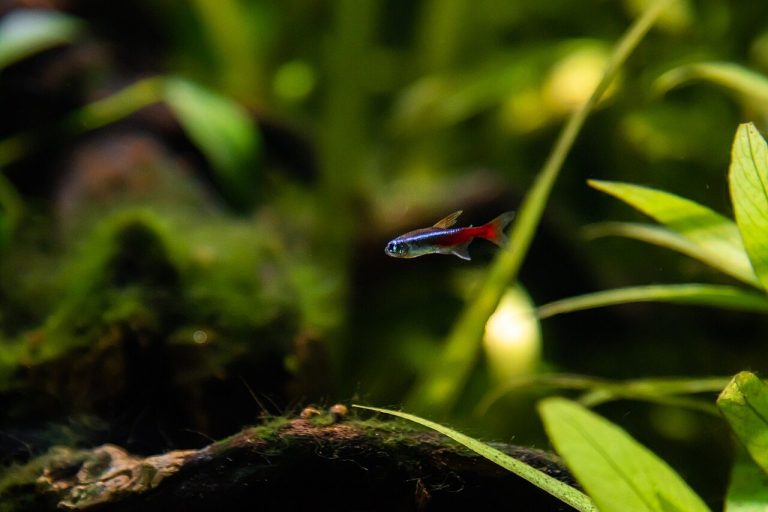
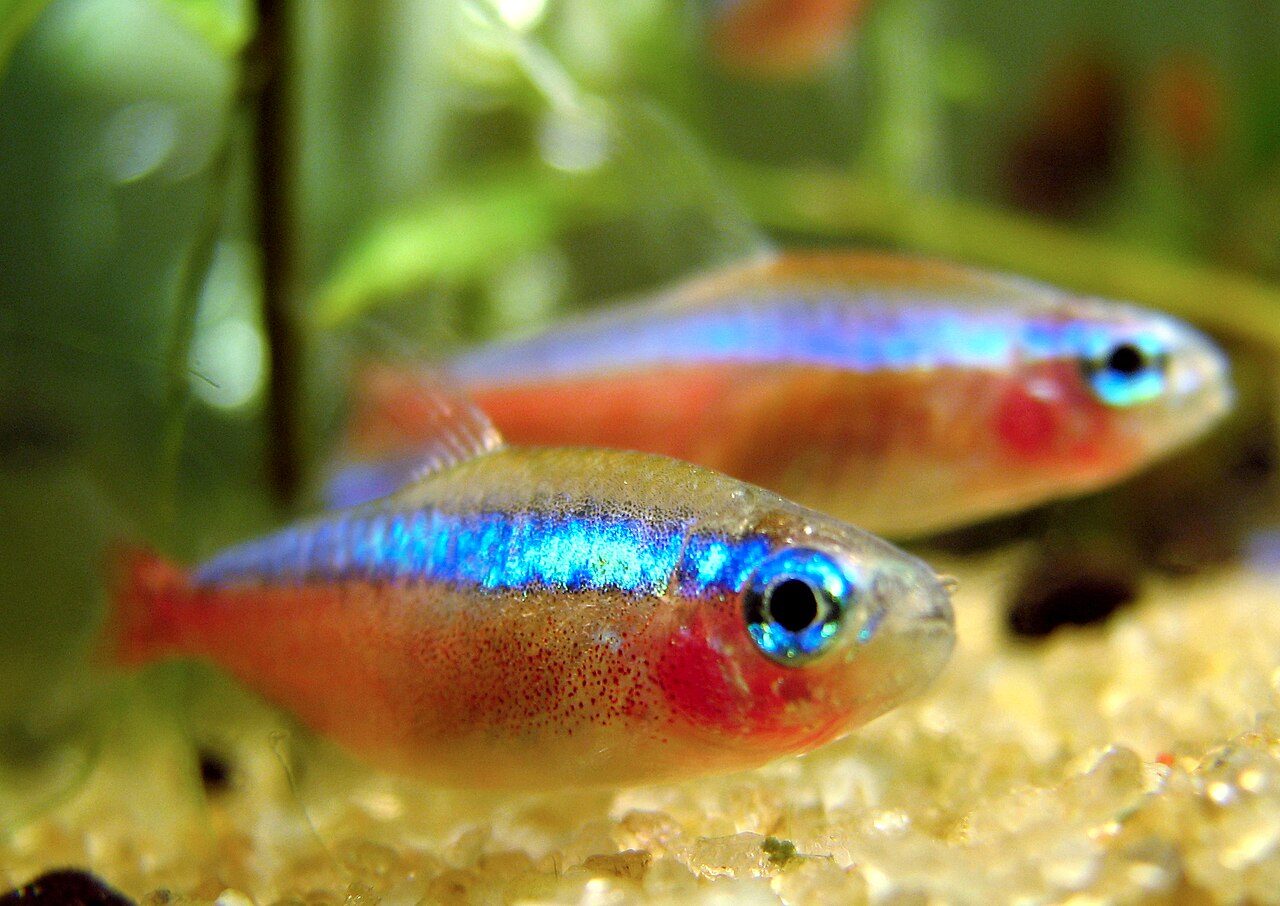
The cardinal tetra paracheirodon axelrodi is arguably the most iconic freshwater fish in the aquarium hobby. Its striking neon blue line paired with a deep crimson belly makes it a centerpiece for any aquascape.
In my decade of keeping these gems, I have found that they are much more than just a “prettier neon tetra.” They possess a unique grace and require specific environmental conditions to display their best colors.
Native to the Rio Negro basin in South America, these fish are adapted to very specific water chemistry. Understanding their natural habitat is the first step toward long-term success in your home aquarium.
At a glance: Cardinal tetra (Paracheirodon axelrodi)
- Temperature
- 76–84°F (24–29°C)
- Water pH
- 4.5–7.0
- Adult size
- 2 in (5 cm)
- Minimum tank
- 20 gal
- Group size
- Groups of 8+
- Temperament
- Peaceful
- Diet
- Omnivore: small pellets, flakes, frozen bloodworm
- Lifespan
- 4–6 years
Keeper’s tip: Cardinals like it warmer and softer than neons, so they are a poor match for cool-water tank mates.
Understanding the cardinal tetra paracheirodon axelrodi and Its Origins
The cardinal tetra paracheirodon axelrodi belongs to the family Characidae. This family includes many of our favorite schooling fish, but the Cardinal stands out due to its intense pigmentation.
In the wild, these fish inhabit slow-moving tributaries and flooded forests. These areas are often characterized by “blackwater,” which is stained the color of tea by decaying organic matter.
This environment is rich in humic substances and has a very low specific conductance. This means the water is nearly devoid of minerals, making it incredibly soft and acidic.
Cardinal Tetra vs. Neon Tetra
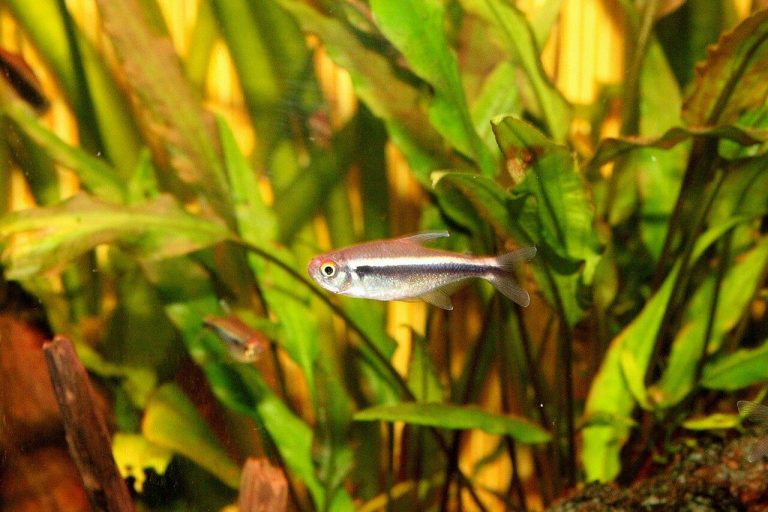
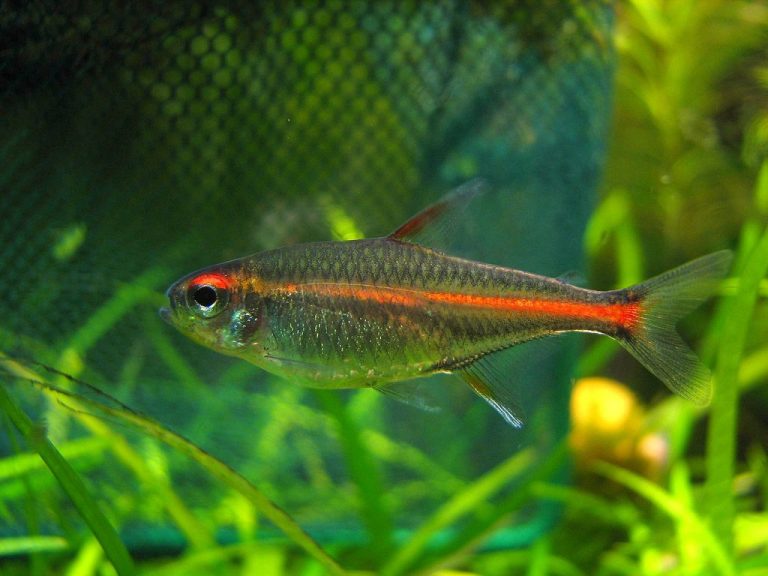
It is a common mistake for beginners to confuse this species with Paracheirodon innesi, the common Neon Tetra. While they look similar at first glance, the differences are distinct once you know where to look.
The Cardinal Tetra features a red stripe that runs the entire length of its body. In contrast, the Neon Tetra’s red stripe only extends from the middle of the body to the tail.
Additionally, the Cardinal grows slightly larger and is generally considered more sensitive to water quality. They also possess a small adipose fin, a characteristic feature of many characins.
Expert Pro Tip: When choosing fish at the store, look for individuals that are actively schooling. Avoid any that appear lethargic or have “pinched” bellies, as this can indicate internal parasites or high stress levels.
Designing the Perfect Blackwater Biotope
To see your fish flourish, you should aim to replicate a blackwater biotope. This doesn’t mean your tank has to be dark, but it should include elements that mimic the Amazonian floor.
I recommend using a dark substrate to make their iridescent colors pop. In my experience, a mix of fine sand and leaf litter creates a very natural and comforting environment for them.
Adding driftwood and dried Indian Almond leaves will release tannic acid into the water. This naturally lowers the pH and provides the fish with the chemical cues they expect from their native home.
The Importance of Schooling
The cardinal tetra paracheirodon axelrodi is a highly social species. They should never be kept in groups of fewer than six, though ten or more is much better for their well-being.
In larger groups, you will notice a interesting “shimmer” effect as they move in unison. This behavior is a natural defense mechanism that helps them confuse predators in the wild.
Keeping them in a large school also reduces stress. A stressed tetra is much more susceptible to disease, so providing safety in numbers is a vital part of their care.
Ideal Water Parameters for Health and Longevity
Maintaining stable water conditions is the most challenging part of keeping these fish. They do not tolerate sudden swings in chemistry or temperature very well.
I always suggest using a high-quality heater to keep the ideal temperature ranges consistent. In the wild, they are used to warm, tropical environments that rarely fluctuate.
Because they come from such pure water, they are sensitive to nitrates. Regular water changes are essential, but you must help the new water matches the tank’s parameters closely.
| Parameter | Ideal Range |
|---|---|
| Temperature | 73°F – 81°F (23°C – 27°C) |
| pH Level | 4.5 – 7.0 (Aim for 6.0) |
| Water Hardness | 1 – 4 dGH (Very Soft) |
| Ammonia/Nitrite | 0 ppm |
| Nitrate | < 20 ppm |
The Role of Peat Filtration
If your tap water is naturally hard or alkaline, you might consider peat filtration. Adding aquarium-safe peat to your filter can help soften the water and lower the pH naturally.
This method also adds beneficial organic compounds to the water column. It is a much safer way to adjust chemistry than using harsh liquid pH-down products.
Be aware that peat will tint your water a light amber color. Most experienced keepers embrace this look, as it is highly beneficial for the health of the cardinal tetra paracheirodon axelrodi.
Dietary Needs and Feeding Strategies
Cardinals are omnivores and are generally not picky eaters in the aquarium. However, to maintain that brilliant red stripe, they need a varied and nutrient-rich diet.
I have found that a base of high-quality flake or micro-pellet food works best. You should look for high-quality food options that contain color-boosting ingredients like spirulina or krill.
To keep them in peak condition, I supplement their diet with live or frozen foods. Baby brine shrimp, daphnia, and bloodworms are excellent choices that mimic their natural prey.
Feeding Frequency
It is better to feed your tetras small amounts twice a day rather than one large meal. This makes sure that all fish in the school have a chance to eat.
Because they have small mouths, make sure the food size is appropriate. If the pellets are too large, the fish will struggle to eat and the food will end up rotting on the substrate.
Watching them feed is also a great way to monitor their health. A fish that refuses to join the feeding frenzy is often the first sign of an underlying issue.
Common Mistake: Overfeeding is the leading cause of water quality issues in small tetra tanks. Only feed what they can consume in two minutes, and remove any leftovers immediately.
Common Health Challenges and Disease Prevention
The cardinal tetra paracheirodon axelrodi is generally hardy once acclimated, but it can be susceptible to certain ailments. The most feared among these is Pleistophora hyphessobryconis, commonly known as Neon Tetra Disease.
This condition is caused by a microsporidian parasite that attacks the muscle tissue. Symptoms include loss of color, cysts, and a curved spine. Unfortunately, there is no known cure.
Prevention is the only real strategy against this disease. This is why I always emphasize the importance of a quarantine tank for any new additions to your aquarium.
Dealing with Ich and Fungus
Standard aquarium pests like Ich (white spot disease) can also occur if the fish are stressed by temperature swings. Since Cardinals are sensitive to copper, be careful when choosing medications.
Fungal infections can also appear if the water quality drops. Keeping the water acidic and rich in tannins actually provides a natural anti-fungal environment.
Always help your proper aquarium dimensions allow for adequate swimming space and filtration. A cramped tank leads to higher stress and a weaker immune system.
Breeding the Cardinal Tetra
Breeding the cardinal tetra paracheirodon axelrodi is considered a challenge even for intermediate hobbyists. They are egg-scatterers and require very specific triggers to spawn.
The water must be incredibly soft (almost 0 GH) and slightly acidic. Most successful breeders use a separate spawning tank with dim lighting and fine-leaved plants like Java Moss.
The parents will often eat their own eggs, so they must be removed immediately after spawning. The eggs are also light-sensitive, meaning the tank must remain dark until they hatch.
Raising the Fry
If you are successful in getting eggs to hatch, the fry will be microscopic. They require specialized food like infusoria or liquid fry food for the first several days.
As they grow, you can transition them to freshly hatched brine shrimp. Raising Cardinal fry is a labor of love that requires patience and careful water management.
Most hobbyists prefer to enjoy the beauty of the adults in a community setting rather than attempting to breed them. However, it remains a satisfying goal for those looking to level up their skills.
Frequently asked questions
How long do Cardinal Tetras live?
In a well-maintained aquarium, they typically live for 3 to 5 years. Some experts have reported them living up to 8 years in perfect conditions.
Can they live with Bettas?
Generally, yes. Since they are peaceful and inhabit different areas of the tank, they often make good tankmates. However, ensure the tank is large enough (at least 20 gallons) to avoid territorial disputes.
Why are my Cardinal Tetras losing their color at night?
This is perfectly normal! Many tetras “turn off” their colors when they sleep to hide from predators. Their bright stripes will return within minutes of the lights turning back on.
Do they need a planted tank?
While not strictly required, they are much happier in a planted environment. Live plants provide cover, oxygenate the water, and help process nitrates, which these fish are sensitive to.
My final take
The cardinal tetra paracheirodon axelrodi is a showpiece of nature that brings life and color to any freshwater setup. While they require a bit more attention to water chemistry than some other species, the reward is well worth the effort.
If you focus on soft, acidic water and providing a stress-free environment with plenty of tankmates, you can enjoy these shimmering beauties for years. Start with a cycled tank and always prioritize stability over quick fixes.
I encourage you to try keeping a school; you will quickly see why they have remained a favorite for decades.

- 2003First tank
- 20+Years keeping
- 40+Tanks kept
- 0Sponsored picks
Howard set up his first 10-gallon planted tank in 2003 and lost half of it within six weeks. Two decades and more than forty aquariums later, he writes the guides he wished he had then: clear numbers, the reasons behind them, and what actually goes wrong in home tanks.