Tetra Filters For Fish Tanks – The Ultimate Guide To Superior Water
Tetra filters for fish tanks provide essential mechanical, chemical, and biological filtration through reliable systems like the Whisper and Whisper IQ series. These filters keep crystal-clear water and a healthy environment by removing waste and promoting beneficial bacteria growth.
Keeping an aquarium is one of the most satisfying hobbies I have pursued over the last decade.
There is something inherently peaceful about watching a school of fish glide through pristine water.
To achieve that level of clarity, choosing the right tetra filters for fish tanks is often the first step for many successful hobbyists.
In my experience, the filtration system acts as the heart of the aquarium.
It does not just move water; it processes waste and keeps your aquatic friends alive.
Whether you are setting up your first tank or upgrading an existing one, understanding how these systems work is vital.
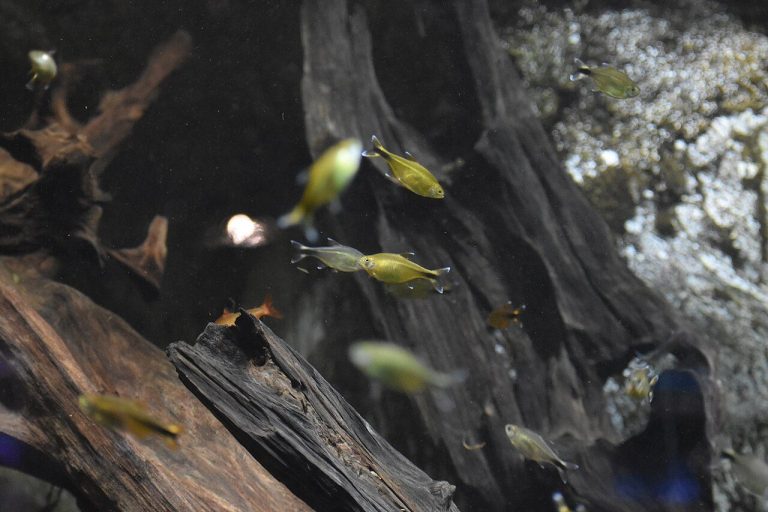
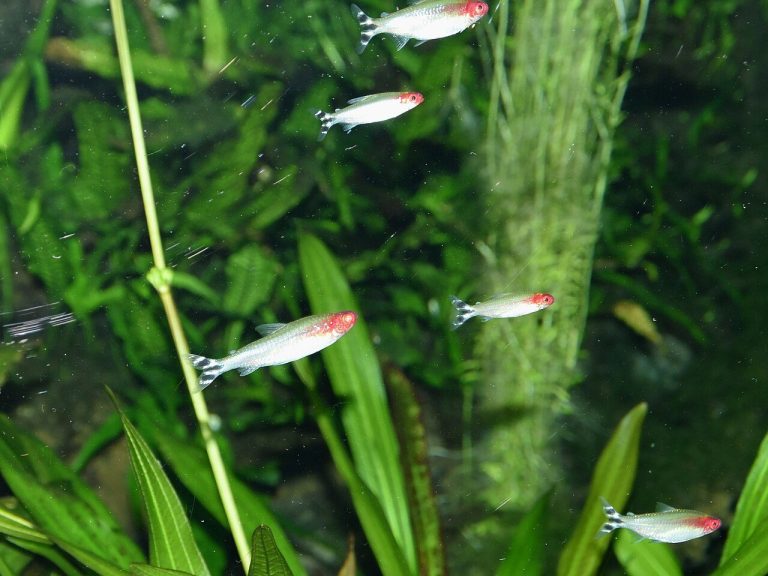
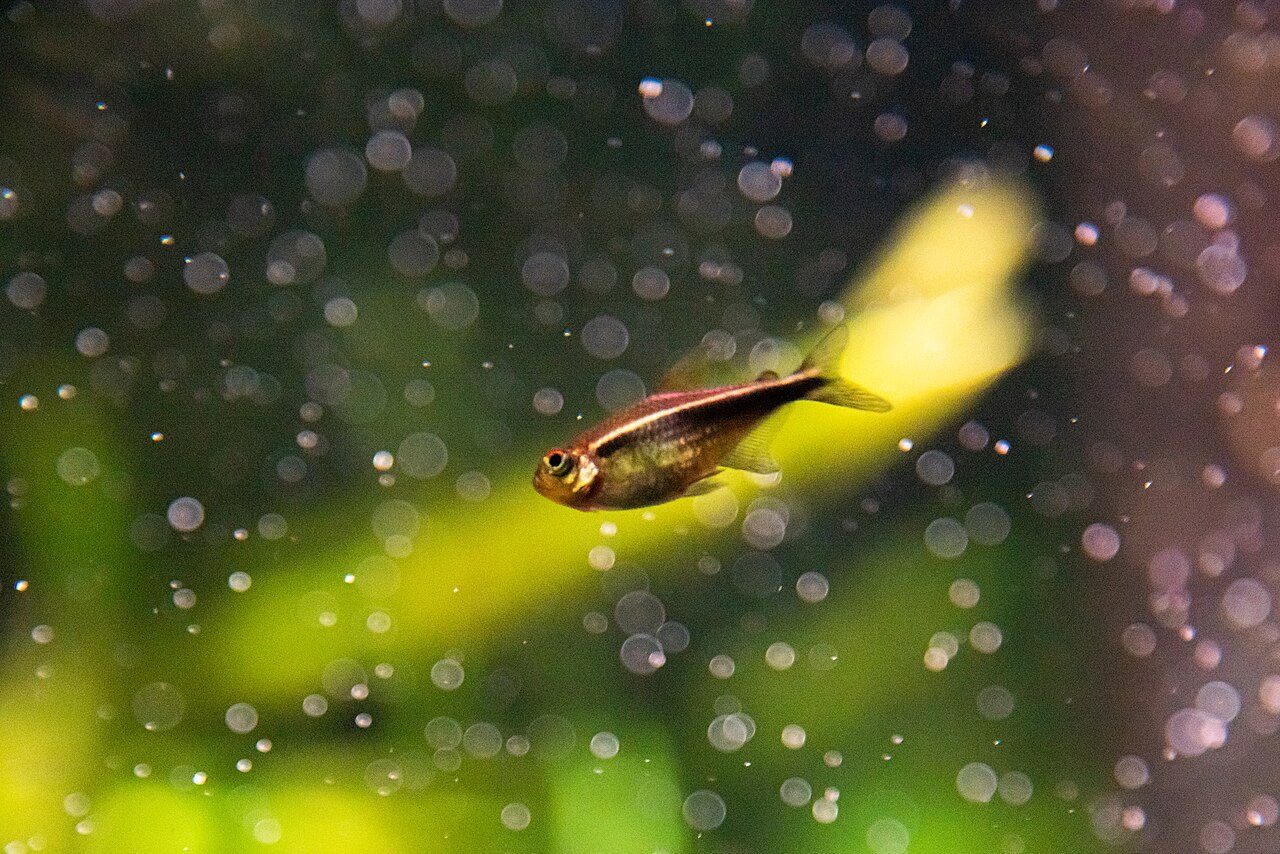
At a glance: Tetras (general) (Family Characidae and relatives)
- Temperature
- 72–80°F (22–27°C) for most species
- Water pH
- 6.0–7.5 for most species
- Adult size
- 1–3 in (2.5–8 cm)
- Minimum tank
- 10–30 gal depending on species
- Group size
- Groups of 6–10+
- Temperament
- Mostly peaceful schooling fish
- Diet
- Omnivores: quality flakes or micro pellets plus frozen foods
- Lifespan
- 3–8 years
Keeper’s tip: Schooling size matters more than tank size for most tetras: small groups hide, nip and stress.
Understanding the Power of Tetra Filters for Fish Tanks
When we talk about tetra filters for fish tanks, we are discussing a legacy of accessible and effective aquarium technology.
Tetra has designed its systems to tackle the three pillars of filtration: mechanical, chemical, and biological.
Without these three components working in harmony, your tank can quickly become a toxic environment for your fish.
Mechanical filtration involves physically straining debris like uneaten food and plant matter from the water.
Chemical filtration typically uses activated carbon to remove odors, discolorations, and dissolved impurities.
Biological filtration is perhaps the most critical, as it provides a home for nitrifying bacteria to grow.
These bacteria are responsible for ammonia oxidation, turning toxic fish waste into less harmful nitrates.
I have noticed that beginners often overlook the biological side, but Tetra’s design ensures this process happens naturally.
By using specialized media, these filters maintain a stable nitrogen cycle even in smaller setups.
Pro Tip: Never wash your filter media in tap water. The chlorine will kill the beneficial bacteria living on the sponge. Always rinse your media in a bucket of dechlorinated tank water during a water change to preserve your biological colony.
The Evolution of the Whisper Series
The Whisper series is arguably the most famous line within tetra filters for fish tanks.
Over the years, I have seen these units evolve from basic air-driven filters to the ultra-quiet Whisper IQ power filters.
The name “Whisper” is not just marketing; these units are designed to minimize vibration and motor noise.
The newer IQ models feature a submersible impeller, which means the motor is under the water line.
This design makes the filter self-priming, so you do not have to worry about the motor burning out after a power outage.
It also significantly reduces the “hum” that many older power filters used to produce.
Comparing Popular Tetra Filter Models
Choosing the right model depends heavily on your tank volume and the species you keep.
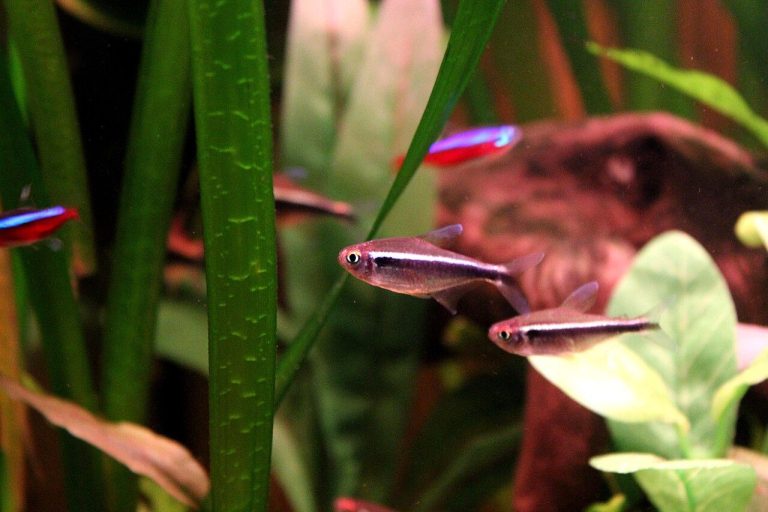
If you are maintaining a colorful neon tetra freshwater setup, you need a different flow than a large cichlid tank.
Below is a comparison of the current Tetra filtration lineup to help you decide.
| Model Name | Tank Size Capacity | GPH Flow Rate | Best For |
|---|---|---|---|
| Whisper IQ 10 | Up to 10 Gallons | 130 GPH | Small community tanks, Bettas |
| Whisper IQ 30 | Up to 30 Gallons | 175 GPH | Standard 20 or 29-gallon tanks |
| Whisper IQ 60 | Up to 60 Gallons | 300 GPH | Larger community or planted tanks |
| Internal Filter 10i | Up to 10 Gallons | 80 GPH | Low-profile setups, Shrimp tanks |
Understanding GPH Flow Rate
The GPH flow rate (Gallons Per Hour) is a measure of how many times the filter can cycle the total volume of your tank in an hour.
For most freshwater setups, I recommend a filter that can move the tank’s volume at least 4 to 6 times per hour.
If you have a 20-gallon tank, a filter with at least 80-120 GPH is ideal to keep the water moving.
However, some fish, such as the delicate Paracheirodon innesi, prefer a more moderate flow.
The Whisper IQ series is excellent because it features an adjustable flow knob.
This allows you to reduce the current during feeding time or if your fish seem to be struggling against the stream.
Maintenance and Bio-Bag Filter Cartridges
One of the biggest advantages of using tetra filters for fish tanks is the ease of maintenance.
The system relies on Bio-Bag filter cartridges, which combine mechanical and chemical filtration into one unit.
These cartridges are pre-filled with activated carbon and wrapped in a floss material that catches debris.
Replacing these bags is a “stay-clean” process that takes less than a minute.
However, you must be careful not to replace all your media at once.
The Bio-Scrubber (the stationary plastic grid in the filter) is where most of your biological colony lives.
While you change the Bio-Bag for clarity, the Bio-Scrubber remains in place to maintain dissolved oxygen levels and bacterial health.
I have found that keeping the Bio-Scrubber clean of heavy sludge is key.
Just give it a quick shake in old tank water every few months to keep the pores open for water flow.
Common Mistake: Many keepers think a loud filter means it is broken. Usually, it just means the submersible impeller has a bit of sand or slime on it. Simply unplug the unit, pull out the impeller, and wipe it with a soft cloth to restore silent operation.
Optimizing Mechanical Filtration Media
While the standard cartridges are great, you can often customize your tetra filters for fish tanks.
If you have a high bio-load because you are feeding high-quality nutritious fish food, you might need extra mechanical help.
I sometimes add a thin layer of fine filter floss behind the Bio-Bag to catch the smallest particles.
This “polishes” the water, giving it that professional, crystal-clear look.
Just monitor the water level in the filter box.
If the water starts bypassing the media and flowing over the top, it is time to clean or replace your floss.
The Importance of Surface Agitation
A filter does more than just clean; it also facilitates gas exchange.
Surface agitation is the process where the surface of the water is broken by the returning filter flow.
This allows carbon dioxide to escape and oxygen to enter the water column.
High dissolved oxygen levels are essential for both your fish and your beneficial bacteria.
If you notice your fish gasping at the surface, it often indicates a lack of oxygen rather than a dirty tank.
Tetra power filters are designed with a “waterfall” return that creates excellent agitation.
For those with deeper tanks, making sure this agitation reaches the bottom is important.
I often suggest positioning the filter on one side of the tank to create a circular current.
This ensures that oxygen-rich water is distributed throughout the entire aquarium.
Setting Up Your Tetra Filter for Success
When you first unbox your tetra filters for fish tanks, the setup process is straightforward.
First, rinse the filter housing and the Bio-Bag under cool tap water to remove any dust.
Assemble the intake tubes, making sure they are firmly seated so the pump can create a vacuum.
Place the filter on the back of the tank and fill the filter reservoir with dechlorinated water.
This is a essential step; even self-priming filters benefit from being “pre-filled” to reduce stress on the motor.
Once you plug it in, the water should begin to flow within a few seconds.
If you are transitioning from an old filter, I recommend running both filters simultaneously for two weeks.
This allows the bacteria from the old unit to “seed” the new Tetra filter.
I’ve seen many hobbyists skip this and end up with a dangerous ammonia spike in their community fish tanks.
Troubleshooting Noise and Flow
Even the best equipment can run into hiccups.
If your Tetra filter is making a grinding noise, check the intake tube for obstructions.
Sometimes a small snail or a piece of gravel can get sucked up and rattle against the impeller.
If the flow seems weak, it is usually a sign that the mechanical filtration media is clogged.
Check the intake strainer at the bottom of the tube as well.
Plant leaves often get sucked against the strainer, which chokes the flow and puts pressure on the motor.
Advanced Strategies for Long-Term Success
To master tetra filters for fish tanks, you should look beyond just “plug and play.”
I like to keep a log of when I change my cartridges.
Over time, you will learn the rhythm of your specific tank.
A heavily planted tank might need fewer cartridge changes than a tank with large, messy fish.
| Maintenance Task | Frequency | Why It Matters |
|---|---|---|
| Rinse Intake Strainer | Weekly | Prevents motor strain and maintains flow. |
| Replace Bio-Bag | Every 2-4 Weeks | Refreshes carbon and removes trapped waste. |
| Clean Impeller Assembly | Every 3 Months | Helps keep quiet operation and longevity. |
| Flush Intake Tubes | Monthly | Removes algae buildup that slows water movement. |
Customizing for Specific Needs
If you are keeping shrimp or very small fry, the intake of a power filter can be a hazard.
I suggest using a pre-filter sponge over the intake tube.
This prevents tiny inhabitants from being sucked into the filter while providing extra surface area for bacteria.
Tetra filters are versatile enough to handle these small modifications without losing efficiency.
FAQ: Common Questions About Tetra Filters
How often should I change the carbon in my filter?
Most tetra filters for fish tanks use cartridges where the carbon is built-in. These should be changed every 2 to 4 weeks. If the water begins to smell or looks yellow, the carbon is likely exhausted and needs replacement.
Can I use Tetra filters in a saltwater tank?
While primarily designed for freshwater, some models can work in saltwater. However, salt creep can be an issue for hang-on-back models. I generally recommend them for freshwater community tanks where they excel.
Why is my Whisper IQ flashing a red light?
The newer Whisper IQ models have a “Timestrip” or indicator light system. A red light typically indicates that the flow is restricted or it has been 30 days since your last cartridge change. It is a helpful reminder to perform maintenance.
Is the internal filter better than the power filter?
Internal filters are great for small tanks or tanks where you cannot hang anything off the back. However, they take up space inside the aquarium. Power filters (HOB) are usually easier to maintain and offer more room for custom media.
The short version
Investing in quality tetra filters for fish tanks is a decision that pays dividends in the health and beauty of your aquarium.
If you provide a balance of mechanical, chemical, and biological filtration, these systems take the guesswork out of water chemistry.
Monitor your GPH flow rate and keep up with your Bio-Bag filter cartridges to make sure the best results.
In my years of fish keeping, I have found that consistency is the biggest factor.
A reliable filter does the heavy lifting, but your observation and care complete the picture.
Whether you are watching a school of tetras or a lone betta, a clean tank is a happy tank.
Take the time to set up your filtration correctly, and your aquatic ecosystem will flourish for years to come.

- 2003First tank
- 20+Years keeping
- 40+Tanks kept
- 0Sponsored picks
Howard set up his first 10-gallon planted tank in 2003 and lost half of it within six weeks. Two decades and more than forty aquariums later, he writes the guides he wished he had then: clear numbers, the reasons behind them, and what actually goes wrong in home tanks.