Albino Neon Tetra – Care Guide
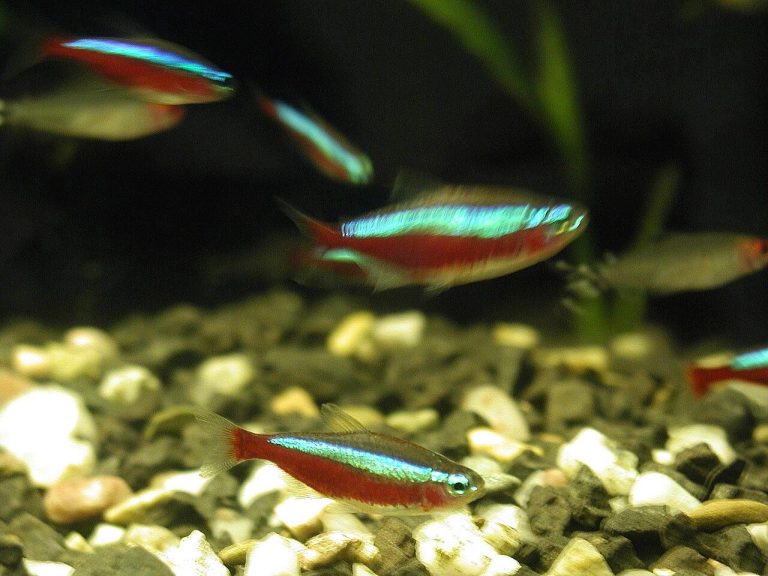
The albino neon tetra is a eye-catching color morph of the standard Neon Tetra, featuring a lack of melanin that results in a creamy white body, striking red eyes, and a glowing lateral stripe.
The albino neon tetra is one of those fish that stops people in their tracks when they see a well-maintained school.
In my fifteen years of keeping various members of the Characidae family, I have found that this specific morph offers a ghostly, ethereal beauty that the standard neon simply cannot match.
While they share the same DNA as the classic Paracheirodon innesi, their unique lack of pigment brings a different set of aesthetic and care considerations to your home aquarium.
If you are looking to add a splash of “radiant white” to your tank, understanding their specific needs is the first step toward success.
In this guide, I will share everything I have learned about maintaining these delicate beauties, from water chemistry to social dynamics.
At a glance: Neon tetra (Paracheirodon innesi)
- Temperature
- 72–78°F (22–26°C)
- Water pH
- 6.0–7.0
- Adult size
- 1.5 in (4 cm)
- Minimum tank
- 10 gal (20 gal for a proper school)
- Group size
- Groups of 8+
- Temperament
- Peaceful
- Diet
- Omnivore: micro pellets, flakes, frozen daphnia
- Lifespan
- 5–8 years
Keeper’s tip: Add neons only to a fully cycled, stable tank; they are among the first fish to suffer from ammonia swings.
Understanding the albino neon tetra and Its Unique Traits
The albino neon tetra is not a separate species found in the wild; rather, it is a selectively bred color variant of the common neon tetra.
This fish exhibits a condition known as melanin deficiency, which prevents the development of dark pigments in the skin and eyes.
Instead of the deep black or indigo tones usually seen on a neon, you get a translucent, pearlescent body that seems to glow under the right lighting.
Identifying the Albino Morph
When you look closely at these fish, you will notice they still retain the iconic horizontal stripe.
However, because of the lack of melanin, the blue portion of the stripe often appears more “electric” or silvery, while the red stripe remains quite vivid.
One of the most defining characteristics is the eye color; true albinos will always have bright red or pinkish eyes because the blood vessels show through the unpigmented iris.
The Importance of the Adipose Fin
Like most tetras, the albino neon tetra possesses a small, fleshy adipose fin located between the dorsal fin and the tail.
While it might seem insignificant, this fin is a hallmark of the characin family and is a sign of a healthy, well-developed specimen.
In my experience, monitoring the condition of this tiny fin can actually help you spot early signs of fin rot or bacterial stress before it spreads to the larger fins.
Pro Tip: When selecting fish at the store, look for individuals that are active and staying in the middle of the water column. Avoid any that appear lethargic or have “cloudy” red eyes, as this can indicate a secondary bacterial infection.
Ideal Habitat and Water Parameters for Success
Creating the right environment for your albino neon tetra is about more than just filling a tank with water.
These fish are biologically wired to flourish in soft, acidic conditions that mimic the slow-moving tributaries of the Amazon basin.
Because they lack protective skin pigment, they are slightly more sensitive to harsh lighting and poor water quality than their standard counterparts.
Water Chemistry Essentials
I have always found that these fish do best when the water is “stained” slightly with tannic acid.
This is often achieved by using driftwood or dried Indian Almond leaves, which release humic substances into the water column.
These substances lower the pH naturally and also provide mild antibacterial and antifungal properties that protect the fish’s sensitive skin.
| Parameter | Ideal Range |
|---|---|
| Temperature | 72°F to 78°F (22°C to 26°C) |
| pH Level | 5.5 to 7.0 |
| Water Hardness (dGH) | 2 to 10 dGH |
| Ammonia / Nitrite | 0 ppm (Strict) |
| Nitrate | < 20 ppm |
Maintaining ideal water conditions is the single most important factor in preventing premature loss.
I’ve noticed that sudden swings in pH are particularly hard on the albino variety, so always acclimate them slowly using the drip method.
The Role of Peat Filtration
If your tap water is naturally hard or alkaline, you might consider peat filtration.
By adding aquarium-safe peat moss to your filter media, you can gently soften the water and introduce beneficial tannins.
This creates a “tea-colored” water effect that makes the white bodies of your tetras stand out beautifully while making them feel much more secure.
Setting Up the Perfect albino neon tetra Tank
When I first started keeping albinos, I made the mistake of putting them in a brightly lit tank with white sand.
The fish were constantly hiding and appeared washed out.
I quickly learned that their environment dictates their confidence and their color intensity.
Lighting and Substrate
Because they lack melanin, the albino neon tetra can be quite sensitive to intense overhead lighting.
I recommend using floating plants like Frogbit or Salvinia to create dappled shade across the tank.
For the substrate, a dark brown or black sand is ideal, as it provides a high-contrast background that makes the fish’s ghostly glow pop.
Creating a Blackwater Biotope
A blackwater biotope is perhaps the most natural way to house these fish.
In this setup, you use plenty of leaf litter, twisted branches, and botanicals to create a complex, organic environment.
The low light and high tannin content mimic their ancestral home, reducing stress and encouraging natural shoaling behavior.
Pro Tip: Use “dimmable” LED lights if possible. Start with a low intensity and gradually increase it over several weeks to let your albinos adjust without causing them to hide in the corners.
Diet and Nutritional Requirements
To keep your albino neon tetra healthy, you must provide a diet that is as varied as possible.
In the wild, their ancestors are micropredators, feeding on tiny crustaceans, insect larvae, and algae.
In the aquarium, they are generally not picky, but their small mouths require appropriately sized morsels.
Recommended Foods
I suggest a base of high-quality crushed flakes or micro-pellets.
However, to really see them do well, you should supplement with live or frozen foods.
Baby brine shrimp, daphnia, and cyclops are excellent choices that provide the protein needed for growth and the carotenoids needed to make sure that red stripe colorful.
Feeding Frequency
It is better to feed small amounts twice a day rather than one large meal.
These fish have very high metabolisms and can become stunted if they are not getting consistent nutrition.
If you are unsure about what to provide, checking out best feeding practices can give you a great head start on a balanced menu.
One of the most rewarding aspects of keeping the albino neon tetra is watching them interact as a group.
They are social creatures that rely on the “safety in numbers” principle to feel comfortable in their surroundings.
The Importance of Shoaling
You should never keep these fish in groups of fewer than six.
In my experience, a group of 10 to 12 is the “sweet spot” where they begin to exhibit true shoaling behavior.
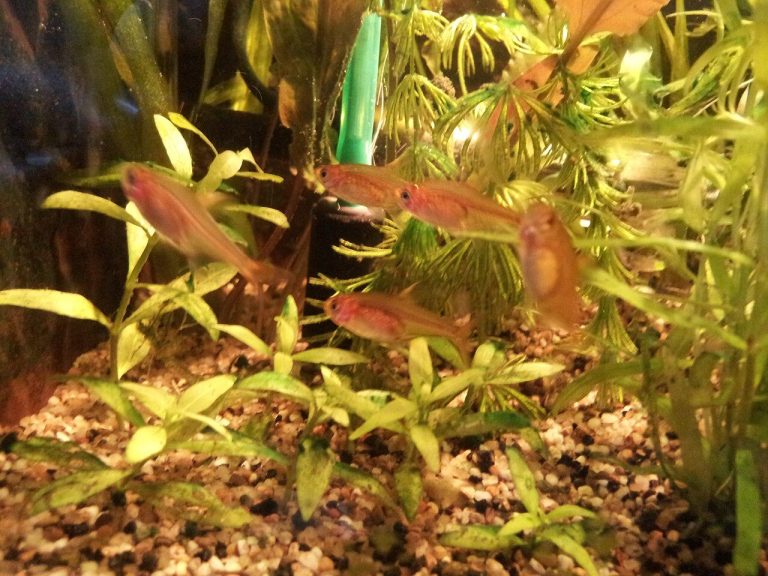
When kept in a large enough group, they will move together through the plants, creating a shimmering effect that is hypnotic.
Choosing Compatible Tank Mates
Since they are peaceful and relatively small, you must choose tank mates that will not bully them or view them as a snack.
Avoid large cichlids, goldfish, or aggressive barbs.
Instead, look for other small, peaceful species that enjoy similar water parameters.
| Ideal Tank Mates | Why They Work |
|---|---|
| Corydoras Catfish | Peaceful bottom dwellers that won’t bother the tetras. |
| Cherry Shrimp | Great for cleaning; tetras rarely bother adult shrimp. |
| Ember Tetras | Similar size and temperament; provides a nice color contrast. |
| Honey Gourami | A gentle centerpiece fish that shares the same water needs. |
Health Challenges and Disease Prevention
Keeping the albino neon tetra does come with some specific health risks.
Because they are often mass-bred, their immune systems can sometimes be less sturdy than wild-type neons.
Neon Tetra Disease (Pleistophora hyphessobryconis)
The biggest threat to any neon tetra is the dreaded Neon Tetra Disease.
This is caused by a microsporidian parasite that attacks the muscle tissue.
In albinos, it can be harder to spot the initial “fading” of color, but you should look for lumps under the skin or a curved spine.
Unfortunately, there is no known cure for this, so prevention through strict quarantine is vital.
Stress-Induced Illness
Due to their lack of pigment, these fish can become stressed more easily by environmental factors.
High nitrates or fluctuating temperatures can lead to secondary fungal infections.
I always recommend keeping a close eye on their fins; if you see any fraying, it is usually a sign that your water quality is slipping.
Breeding the albino neon tetra
Breeding these fish is a challenge, but it is incredibly rewarding for the intermediate hobbyist.
The process is virtually identical to breeding standard neons, but you must be even more diligent about light levels.
The Spawning Setup
You will need a separate breeding tank with very soft water (1-2 dGH) and a pH of around 5.5 to 6.0.
The tank should be kept in almost complete darkness, as the eggs are highly light-sensitive.
Using a mesh bottom or plenty of fine-leaved plants like Java Moss will help protect the eggs from the parents, who will eat them if given the chance.
Raising the Fry
Once the eggs hatch, the fry are microscopic and will require infusoria or “liquifry” for the first several days.
As they grow, you can transition them to freshly hatched brine shrimp.
It is interesting to watch the fry develop; they start out almost completely transparent before that faint albino stripe begins to show.
Quick answers
Are albino neon tetras more expensive than regular ones?
Generally, yes. Because they are a specific color morph that requires selective breeding, they often command a slightly higher price at local fish stores.
How long do they live?
With proper care and stable water parameters, an albino neon tetra can live for 3 to 5 years. Some hobbyists have reported them living even longer in dedicated species-only tanks.
Can I mix them with regular Neon Tetras?
Absolutely. They are the same species and will often school together. Mixing the two varieties can create a beautiful visual contrast in your aquarium.
Do they need special lighting?
They don’t need “special” bulbs, but they do prefer lower light intensity. Plenty of floating plants or a dimmable light fixture will keep them much happier and more active.
Final Thoughts on the albino neon tetra
The albino neon tetra is a sign of the incredible variety available in the aquarium hobby.
While they require a bit more attention to detail regarding lighting and water stability, the reward is a school of fish that looks like living jewels.
If you focus on a blackwater biotope approach and providing high-quality nutrition, you can make sure these “ghosts” of the Amazon stay healthy in your home.
Just remember: keep them in a group, keep their water clean, and they will reward you with years of shimmering beauty.

- 2003First tank
- 20+Years keeping
- 40+Tanks kept
- 0Sponsored picks
Howard set up his first 10-gallon planted tank in 2003 and lost half of it within six weeks. Two decades and more than forty aquariums later, he writes the guides he wished he had then: clear numbers, the reasons behind them, and what actually goes wrong in home tanks.