Tetra Species List – Top Picks for Your Tank
A comprehensive tetra species list includes colorful options like Neon, Cardinal, and Rummy Nose tetras, alongside unique varieties like Congo and Emperor tetras, all belonging to the diverse Characidae family celebrated for their active shoaling behavior.
When you step into freshwater fish keeping, it is almost impossible not to fall in love with tetras.
These shimmering, active, and social creatures belong to the order Characiformes and are primarily found in the river systems of South America and Africa.
In my experience of maintaining over twenty different setups over the last decade, I have found that a well-chosen tetra species list can turn a stagnant tank into a living showpiece of movement and color.
Most tetras are characterized by their small size and the presence of a tiny, fleshy fin between the dorsal fin and the tail, known as the adipose fin.
This anatomical feature is a hallmark of many members of the Characidae family.
Whether you are looking for a flash of neon blue or a deep, moody black, there is a tetra out there that fits your specific aquarium vision.
Pro Tip: When selecting fish from a tetra species list, always buy them in groups of at least six to eight. I have noticed that tetras kept in smaller numbers often become stressed, hide more frequently, and may even display nippy behavior toward their tank mates.
At a glance: Tetras (general) (Family Characidae and relatives)
- Temperature
- 72–80°F (22–27°C) for most species
- Water pH
- 6.0–7.5 for most species
- Adult size
- 1–3 in (2.5–8 cm)
- Minimum tank
- 10–30 gal depending on species
- Group size
- Groups of 6–10+
- Temperament
- Mostly peaceful schooling fish
- Diet
- Omnivores: quality flakes or micro pellets plus frozen foods
- Lifespan
- 3–8 years
Keeper’s tip: Schooling size matters more than tank size for most tetras: small groups hide, nip and stress.
Defining the Best Options on a Tetra Species List
Working through the vast array of available fish can be overwhelming for a beginner.
The diversity within the Characidae family means that while most are peaceful, some have specific requirements regarding water chemistry and tank mates.
Understanding the behavioral traits and biological needs of these fish is the first step toward a successful community aquarium.
The Role of Shoaling Behavior
One of the most eye-catching aspects of making sure these fish is their shoaling behavior.
Unlike schooling, where fish move in a tight, synchronized formation, shoaling is a more relaxed social grouping that provides safety in numbers.
In the wild, these groups can number in the thousands, creating a shimmering wall of color that confuses predators.
In a home aquarium, this social structure is vital for their mental well-being.
I have seen many hobbyists struggle with “shy” fish, only to find that adding four or five more individuals of the same species completely changes the dynamic of the tank.
A larger group provides the confidence these fish need to explore the mid-water levels of your aquarium.
Water Chemistry and the Blackwater Biotope
Many species on a standard tetra species list originate from soft, acidic waters.
In their natural habitats, the water is often stained the color of tea by humic substances leaching from fallen leaves and submerged wood.
This is known as a blackwater biotope, and it is a fantastic way to display the natural colors of your fish.
Using botanical items like almond leaves or peat moss can help replicate these conditions.
I’ve found that species like the Cardinal Tetra show significantly more intense reds and blues when kept in these slightly tinted, acidic environments.
A Detailed Tetra Species List for Every Tank Size
To help you decide which fish are right for your setup, I have categorized some of the most popular and hardy species.
Each of these fish brings a unique personality and aesthetic to the water column.
| Species Name | Scientific Name | Avg. Size | Min. Tank Size |
|---|---|---|---|
| Neon Tetra | Paracheirodon innesi | 1.5 inches | 10 Gallons |
| Cardinal Tetra | Paracheirodon axelrodi | 2.0 inches | 20 Gallons |
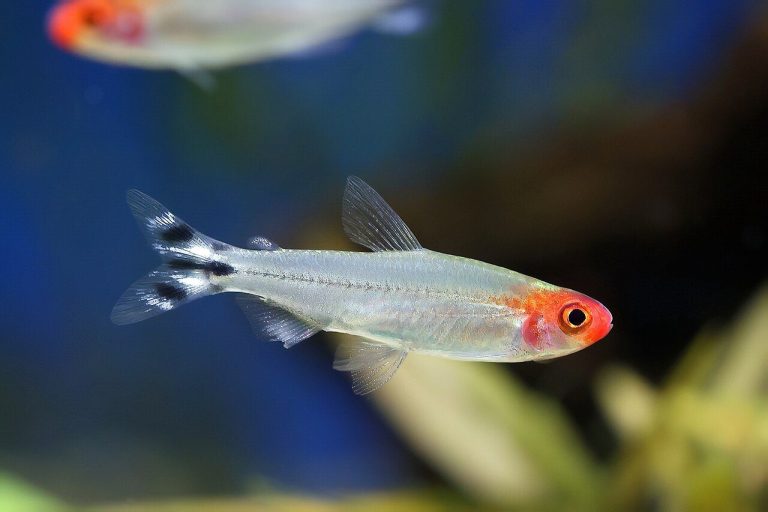
| Rummy Nose Tetra | Hemigrammus rhodostomus | 2.5 inches | 20 Gallons |
| Congo Tetra | Phenacogrammus interuptus | 3.5 inches | 40 Gallons |
| Black Skirt Tetra | Gymnocorymbus ternetzi | 2.5 inches | 20 Gallons |
The Iconic Paracheirodon Genus
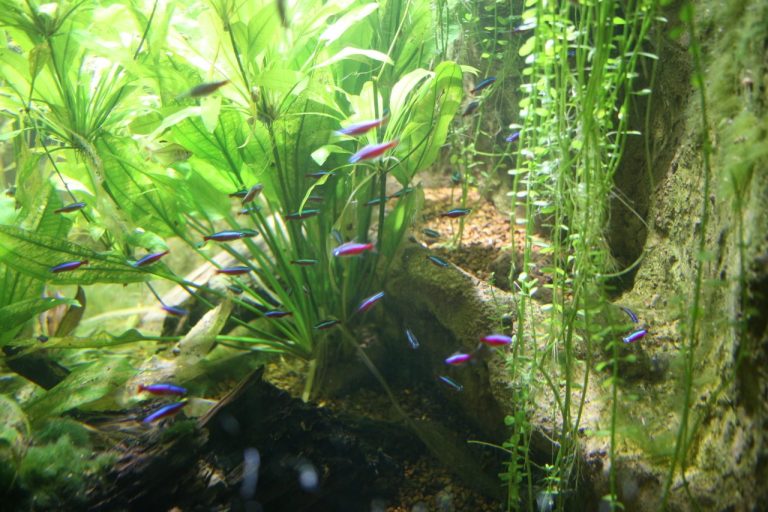
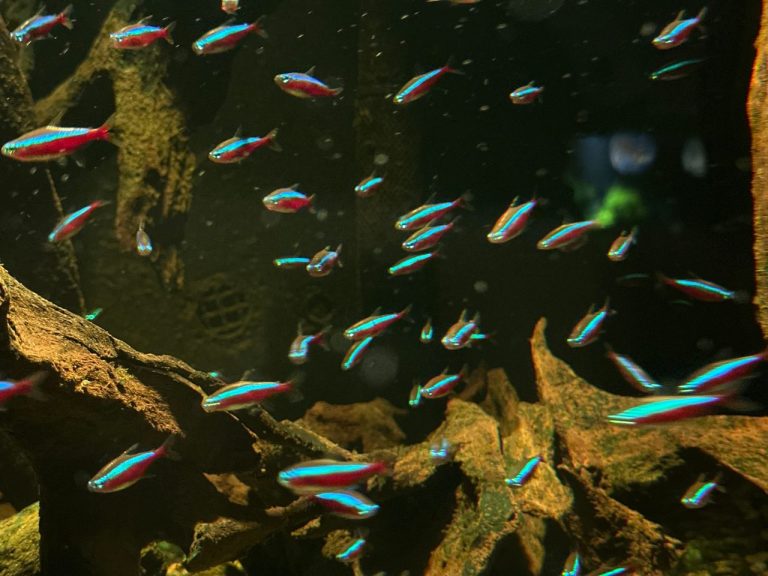
The Paracheirodon genus contains the two most famous species: the Neon and the Cardinal.
The Neon Tetra is perhaps the most recognizable fish in the entire hobby.
With its striking blue horizontal stripe and red tail, it provides a glow that few other freshwater fish can match.
The Cardinal Tetra looks similar but features a red stripe that runs the full length of its body.
In my experience, Cardinals are slightly hardier than Neons once they are acclimated, but they do require more stable water parameters to flourish long-term.
The Active Hemigrammus and Hyphessobrycon Generas
Species in the Hemigrammus and Hyphessobrycon genera are known for being incredibly active and hardy.
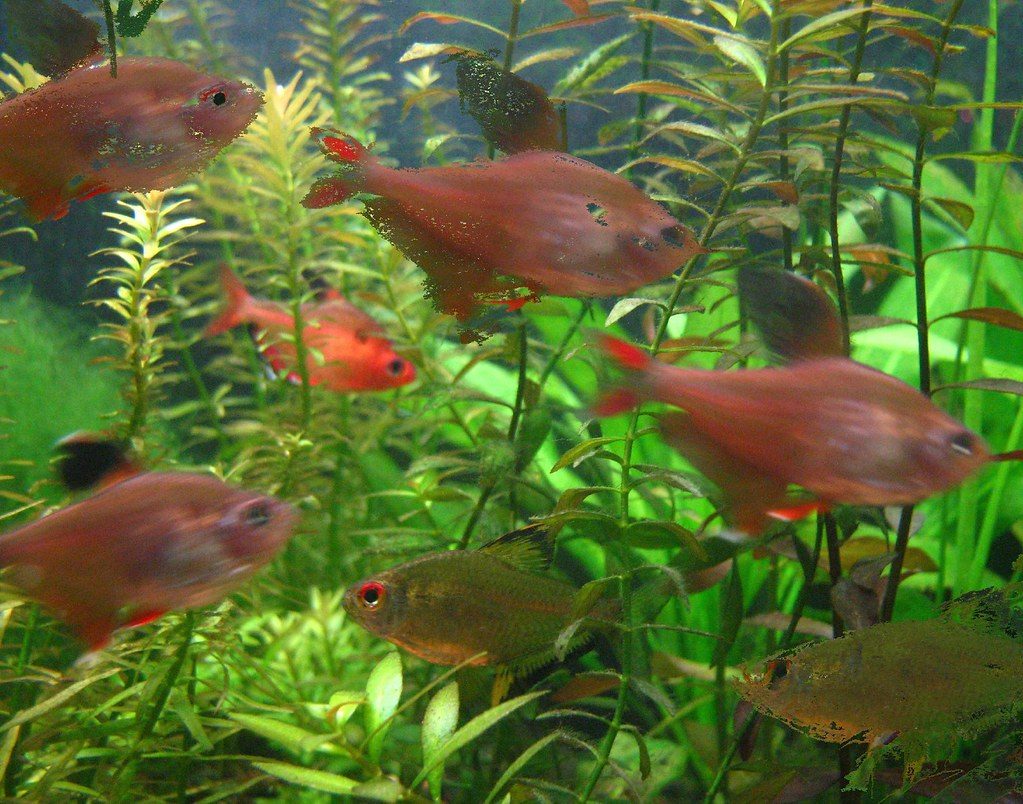
The Rummy Nose Tetra is a standout in this group.
They are famous for their bright red faces and black-and-white striped tails.
Even more interesting is that their facial color is a direct indicator of water quality; if the red fades, it is usually a sign that your nitrates are creeping too high.
I often use them as a “canary in the coal mine” for my larger community tanks.
The Ember Tetra (Hyphessobrycon amandae) is another favorite of mine, especially for nano tanks.
These tiny, fiery orange fish are perfect for heavily planted setups where their color pops against the green foliage.
Despite their small size, they are surprisingly brave and will readily join a tetra species list for a 5 or 10-gallon aquarium.
Advanced Tetra Species for Large Displays
While many people think of tetras as tiny fish, several species grow large enough to be the centerpiece of a substantial aquarium.
If you have a 40-gallon tank or larger, you can explore some of the more impressive African and South American varieties.
The Majestic Congo Tetra
The Congo Tetra is the crown jewel of African tetras.
The males develop long, flowing fins and an iridescent rainbow of colors across their scales.
They are much larger than their South American cousins and require plenty of swimming space.
When I first kept a school of twelve Congo Tetras in a 75-gallon tank, I was amazed by how they shimmered under high-intensity LED lighting.
The Unique Emperor Tetra
The Emperor Tetra (Nematobrycon palmeri) offers a more sophisticated look.
They have a deep purple and black coloration and a unique “trident” tail shape in males.
Unlike many other species on a tetra species list, Emperor males can be somewhat territorial with one another.
However, they rarely do any real damage and mostly engage in beautiful “sparring” displays to impress the females.
Common Mistake: Many beginners assume all tetras are strictly peaceful. While most are, larger-bodied species like the Bucktooth Tetra (Exodon paradoxus) are actually quite aggressive and should be kept in a species-only tank. Always research the specific temperament before adding a new species to your community.
Health and Nutrition for a Healthy School
Keeping the fish on your tetra species list healthy requires more than just clean water.
Nutrition plays a massive role in their color development and immune system strength.
Most tetras are omnivores, meaning they need a mix of plant-based and protein-based foods.
I recommend a high-quality flake or micro-pellet as a staple diet.
To really see those colors shine, supplement their diet with frozen or live foods like baby brine shrimp, daphnia, or bloodworms.
Feeding a variety of specialized foods helps make sure they receive all the necessary vitamins for growth.
Dealing with Plistophora hyphessobryconis
One of the most daunting challenges for tetra keepers is “Neon Tetra Disease,” caused by the parasite Plistophora hyphessobryconis.
This condition causes muscle wasting, loss of color, and curved spines.
Unfortunately, there is no known cure for this ailment.
The best defense is prevention: always quarantine new arrivals for at least two weeks and maintain pristine water conditions.
Regular water changes and monitoring the aquarium temperature are essential steps in preventing stress-related illnesses.
A stressed fish is far more susceptible to parasites and bacterial infections.
Creating the Perfect Environment for Tetras
To appreciate the beauty of a tetra species list, you need to provide an environment that mimics their natural home.
Most tetras feel most secure in a tank with plenty of cover.
The Importance of Live Plants
Live plants are not just for aesthetics; they provide vital hiding spots and help maintain water quality.
Species like Java Fern, Anubias, and various Cryptocoryne species are excellent choices.
Floating plants are also highly recommended, as they diffuse the light and make the fish feel safer, encouraging them to swim in the open more often.
Substrate and Lighting
I have found that using a dark substrate—either black sand or dark brown gravel—makes the colors of the fish stand out much more vividly.
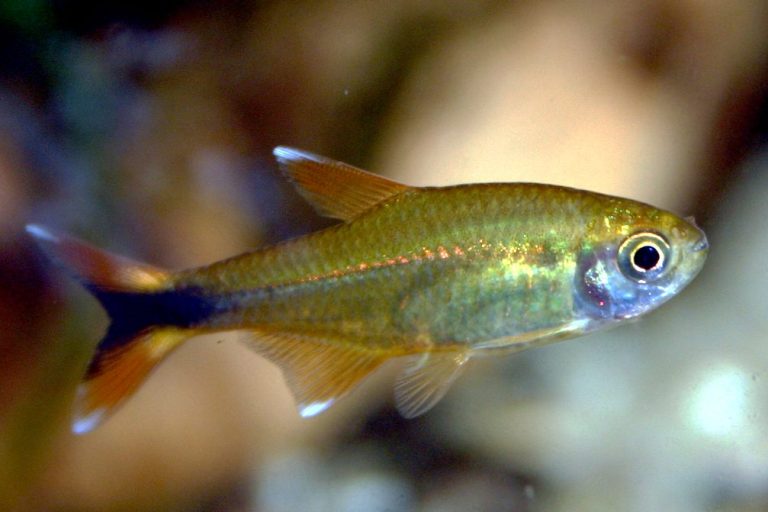
Bright, white substrates can sometimes wash out the delicate pigments of species like the Glowlight Tetra or the Neon.
Pairing a dark substrate with moderate lighting and plenty of “tannin-stained” water creates a professional-looking display that is also biologically beneficial.
Common questions about Tetra Species
Which tetra is the easiest for beginners?
In my experience, the Black Skirt Tetra and the Ember Tetra are among the hardiest. They can tolerate a wider range of water parameters than more sensitive species like the Cardinal Tetra.
How many tetras should I keep together?
You should aim for a minimum of six individuals of the same species. However, a group of ten to twelve is much better if your tank size allows for it, as it promotes more natural social behavior.
Can tetras live with Bettas?
Yes, many tetras can live with Bettas, but you must choose carefully. Avoid “nippy” species like Serpae Tetras. Peaceful options like the Neon or Ember Tetra usually make great tank mates for a Betta in a 20-gallon tank.
What is the lifespan of a typical tetra?
Most small tetras live between 3 and 5 years. Some larger species, like the Black Skirt or Congo Tetra, can live up to 7 or 8 years with excellent care and a consistent maintenance routine.
Before you go
Building a tetra species list for your home aquarium is one of the most rewarding parts of the hobby.
From the shimmering blues of the Neon to the majestic fins of the Congo, these fish offer endless variety and excitement.
If you focus on their social needs, providing high-quality nutrition, and maintaining stable water parameters, you can enjoy these colorful creatures for years to come.
Remember that the key to a successful aquarium isn’t just picking the prettiest fish; it’s about creating a balanced ecosystem where every inhabitant can flourish.
Start with a few hardy species, learn their behaviors, and slowly expand your collection as you gain confidence in your fish-keeping skills.

- 2003First tank
- 20+Years keeping
- 40+Tanks kept
- 0Sponsored picks
Howard set up his first 10-gallon planted tank in 2003 and lost half of it within six weeks. Two decades and more than forty aquariums later, he writes the guides he wished he had then: clear numbers, the reasons behind them, and what actually goes wrong in home tanks.