Penguin Tetra Disease / Dying / Stress Signs – An Expert Guide
To prevent Penguin Tetras from dying, monitor for lethargy, clamped fins, or white spots. Keep stable water parameters, high dissolved oxygen, and immediate treatment for infections like Ich or Columnaris to restore health.
The Penguin Tetra, scientifically known as Thayeria boehlkei, is a popular member of the Characidae family.
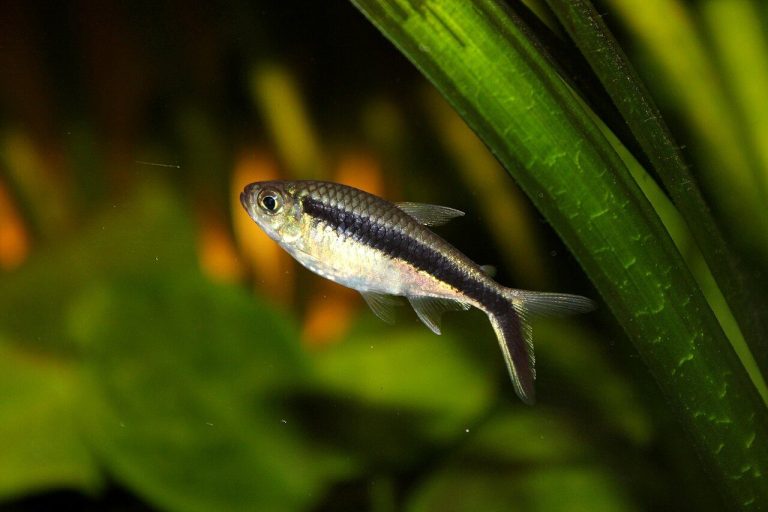
These fish are famous for their unique swimming posture, usually hovering at an upward angle that makes them look like they are constantly ready to take off.
However, when you notice your Penguin Tetra disease / dying / stress signs, it can be a heart-wrenching experience for any aquarist.
In my ten years of maintaining community tanks, I have learned that these fish are hardy but highly sensitive to sudden environmental shifts.
Understanding the subtle cues they give off is the difference between a well-kept school and a failing aquarium.
This guide will walk you through the clinical signs of distress and the actionable steps you can take to save your fish.
Pro Tip: Always observe your Penguin Tetras during feeding time. A healthy fish will be aggressive and alert; a fish that ignores food is almost always signaling the onset of a serious illness.
At a glance: Penguin tetra (Thayeria boehlkei)
- Temperature
- 72–82°F (22–28°C)
- Water pH
- 6.0–8.0
- Adult size
- 2.5 in (6 cm)
- Minimum tank
- 20 gal
- Group size
- Groups of 6+
- Temperament
- Peaceful, slightly nippy
- Diet
- Omnivore: flakes, small pellets, frozen foods
- Lifespan
- 5 years
Keeper’s tip: They swim at a head-up angle naturally; that tilt is normal and not a swim bladder problem.
Penguin Tetra Disease / Dying / Stress Signs: Identifying Symptoms Early
Identifying Penguin Tetra disease / dying / stress signs requires a keen eye for both behavioral and physical changes.
Because they are schooling fish, one sick individual often indicates a potential problem for the entire group.
Early detection is your best weapon against losing your livestock.
Behavioral Red Flags
One of the first signs of stress is a change in the opercular movement rate, which is the speed at which their gill covers open and close.
If you see your tetras gasping at the surface or their gills moving rapidly while they sit at the bottom, they are likely suffering from respiratory distress.
Another common behavioral sign is isolation.
Healthy Thayeria boehlkei are social and stay within their school, so a fish that hides in the corner or behind a heater is likely unwell.
Physical Indicators of Illness
Physical changes are often more obvious but can sometimes appear too late if you aren’t looking closely.
Look for “clamped fins,” where the fish holds its fins tight against its body rather than spreading them out.
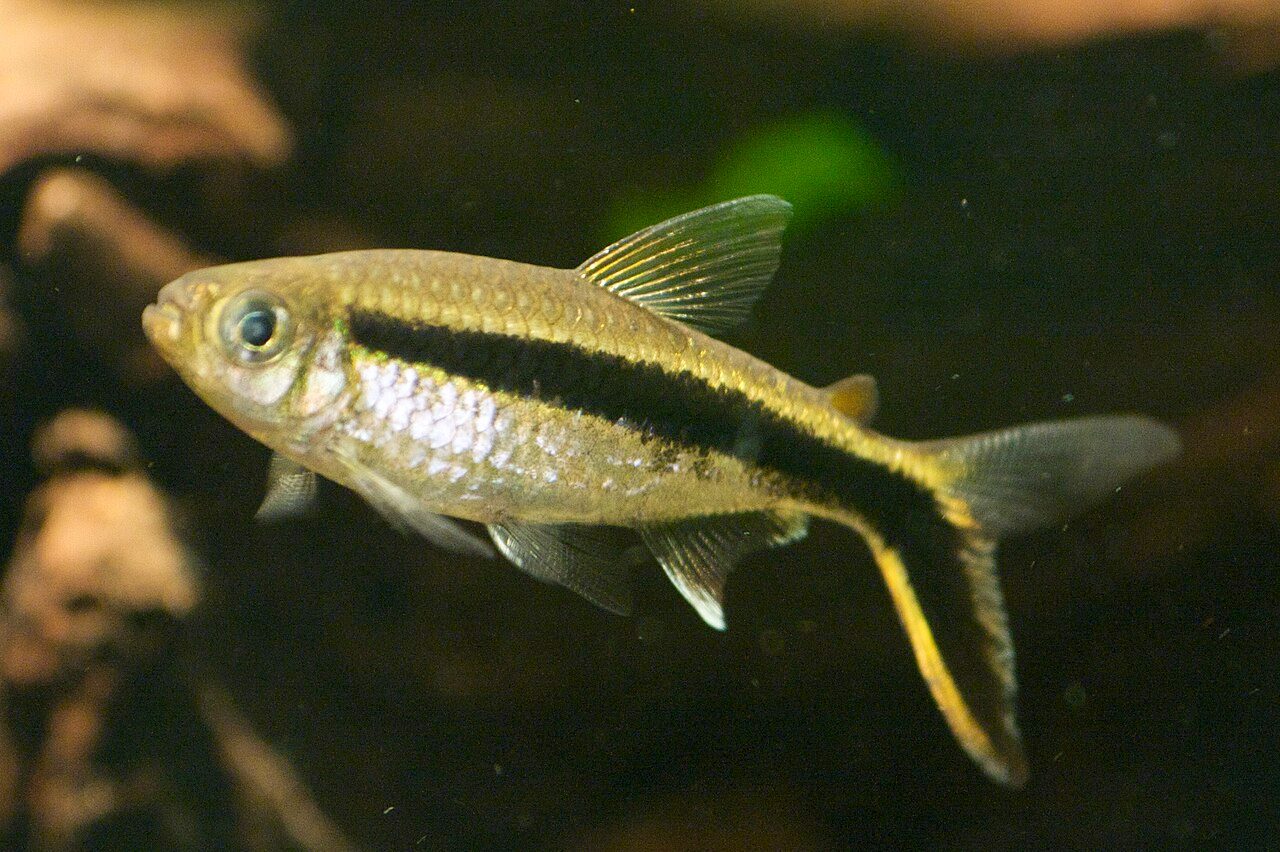
You might also notice a loss of the characteristic black stripe’s vibrancy, which often fades when the fish is under significant osmotic regulation stress.
| Symptom Type | Healthy Sign | Stress/Disease Sign |
|---|---|---|
| Swimming Pattern | Active, 45-degree angle | Erratic, shimmying, or floating |
| Appetite | Enthusiastic eater | Refusing food / Spitting it out |
| Coloration | Deep black stripe, silver body | Pale, washed-out, or reddened gills |
| Gills | Slow, rhythmic movement | Rapid gasping (high opercular rate) |
Common Pathogens and Diseases in Thayeria boehlkei
When dealing with Penguin Tetra disease / dying / stress signs, you are often fighting one of three common aquatic enemies.
These pathogens can enter your tank through new fish, plants, or even contaminated equipment.
Knowing the difference between a parasite and a bacterial infection is essential for choosing the right treatment.
Ichthyophthirius multifiliis (White Spot Disease)
Commonly known as “Ich,” this parasite is the most frequent cause of death in small tetras.
It presents as tiny white salt-like grains over the body and fins.
In my experience, Penguin Tetras are particularly prone to Ich if the water temperature fluctuates too wildly during water changes.
Flavobacterium columnare (Columnaris)
Columnaris is a bacterial infection that is often mistaken for a fungus.
It typically appears as “saddleback” lesions or white, fluffy patches around the mouth and scales.
This bacterium stays healthy in high-stress environments and can wipe out a school of tetras in just 48 hours if not treated with antibiotics.
Swim Bladder Inflammation
If you notice your Penguin Tetra struggling to stay upright or sinking to the bottom, it may be suffering from swim bladder inflammation.
This is often caused by poor diet or a secondary bacterial infection.
Unlike some easy-to-keep species, Penguin Tetras have a delicate internal balance that requires high-quality, varied nutrition.
Environmental Stressors and Water Chemistry
The most frequent cause of Penguin Tetra disease / dying / stress signs isn’t actually a germ, but the water itself.
As an expert, I always tell beginners that we don’t keep fish; we keep water.
If the water is healthy, the fish will be too.
Nitrite Toxicity and Ammonia
Ammonia and Nitrite are silent killers in the aquarium hobby.
Nitrite toxicity prevents the fish’s blood from carrying oxygen, effectively causing them to suffocate even in well-aerated water.
If your test kit shows any level of these toxins, you must act immediately.
Using a water conditioner that promotes ammonia sequestration can buy your fish time while the beneficial bacteria catch up.
I have seen many tanks crash because the owner neglected their weekly testing routine.
Dissolved Oxygen Saturation
Penguin Tetras come from moving waters in the Amazon basin, which are naturally high in oxygen.
Low dissolved oxygen saturation is a major stressor that weakens their immune systems.
Ensure your filter provides plenty of surface agitation, or add an air stone to increase gas exchange.
Pro Tip: When treating for diseases, keep in mind that many medications reduce the oxygen levels in the water. Always add extra aeration when dosing your tank to prevent secondary respiratory stress.
Understanding Physiological Stress Responses
When a fish is stressed, its body undergoes complex changes to try and survive.
Understanding these can help you realize why a “stressed” fish often becomes a “diseased” fish.
Stress triggers a hormonal response that diverts energy away from the immune system.
Osmotic Regulation Failure
Fish spend a great deal of energy maintaining the salt balance in their bodies, a process called osmotic regulation.
When a Penguin Tetra is stressed by poor water quality, this system fails.
The fish may appear bloated or “pineconed” (scales sticking out), which is a sign of dropsy, a condition often resulting from organ failure due to osmotic stress.
The Role of Temperature Stability
While Penguin Tetras are tropical, they do not handle rapid temperature swings well.
A drop of just five degrees can trigger a stress response that makes them susceptible to Flavobacterium columnare.
Using a high-quality, calibrated heater is a non-negotiable part of maintaining neon tetras and their Penguin cousins.
Proactive Care and Quarantine Protocols
The best way to handle Penguin Tetra disease / dying / stress signs is to prevent them from happening in the first place.
I cannot stress the importance of a quarantine tank enough.
Every new fish should spend at least two to four weeks in a separate tank before joining your main display.
Nutrition and Vitamin Support
Feeding a diet of just flakes is a common mistake.
To keep their immune systems strong, provide a mix of high-quality flakes, frozen brine shrimp, and daphnia.
Daphnia is especially helpful for preventing swim bladder inflammation as it acts as a mild laxative for small characids.
Regular Maintenance Schedule
Consistency is the key to longevity in the aquarium hobby.
A 25% weekly water change removes nitrates and replenishes essential minerals.
In my decade of keeping fish, I’ve noticed that the most successful tanks are those where the owner sticks to a strict schedule.
Things people often ask
Why is my Penguin Tetra swimming vertically?
While it is normal for them to swim at a slight upward angle, swimming completely vertically or struggling to stay level usually indicates a swim bladder issue or extreme stress.
How do I treat Ich in Penguin Tetras?
Raise the temperature slowly to 82°F (28°C) and use a copper-based or malachite green medication. Make sure you remove any carbon from your filter, as it will neutralize the medicine.
Can Penguin Tetras live with aggressive fish?
No, aggressive tank mates are a primary cause of Penguin Tetra disease / dying / stress signs. Constant nipping or chasing will weaken their immune system and lead to premature death.
What is the ideal pH for Penguin Tetras?
They prefer slightly acidic to neutral water, ideally between 6.0 and 7.5. Sudden shifts in pH are much more dangerous than a slightly “imperfect” but stable reading.
Why are my tetras’ gills red?
Red, inflamed gills are a classic sign of ammonia poisoning. Perform an immediate 50% water change and use a detoxifier to protect your fish.
The short version
Recognizing Penguin Tetra disease / dying / stress signs early is the most important skill you can develop as an aquarist.
If you watch their opercular movement rate, making sure high dissolved oxygen saturation, and maintaining stable water chemistry, you can prevent the most common causes of death.
Remember that these fish rely entirely on you for their environment.
When you see signs of lethargy, clamped fins, or unusual spots, don’t wait—test your water and start a treatment plan immediately.
With the right care and attention to detail, your school of Thayeria boehlkei will remain a bright and healthy centerpiece of your aquarium for years to come.

- 2003First tank
- 20+Years keeping
- 40+Tanks kept
- 0Sponsored picks
Howard set up his first 10-gallon planted tank in 2003 and lost half of it within six weeks. Two decades and more than forty aquariums later, he writes the guides he wished he had then: clear numbers, the reasons behind them, and what actually goes wrong in home tanks.