Red Phantom Tetra Tank Size (Gallons) – The Ultimate Guide
The ideal Red Phantom Tetra tank size (gallons) is a minimum of 20 gallons. While they are small, their active shoaling dynamics and need for horizontal swimming space require a long tank to flourish.
Deciding on the perfect environment for your fish is the most critical step in successful fish keeping. I have spent over a decade observing how aquarium volume directly impacts the longevity and color of characins.
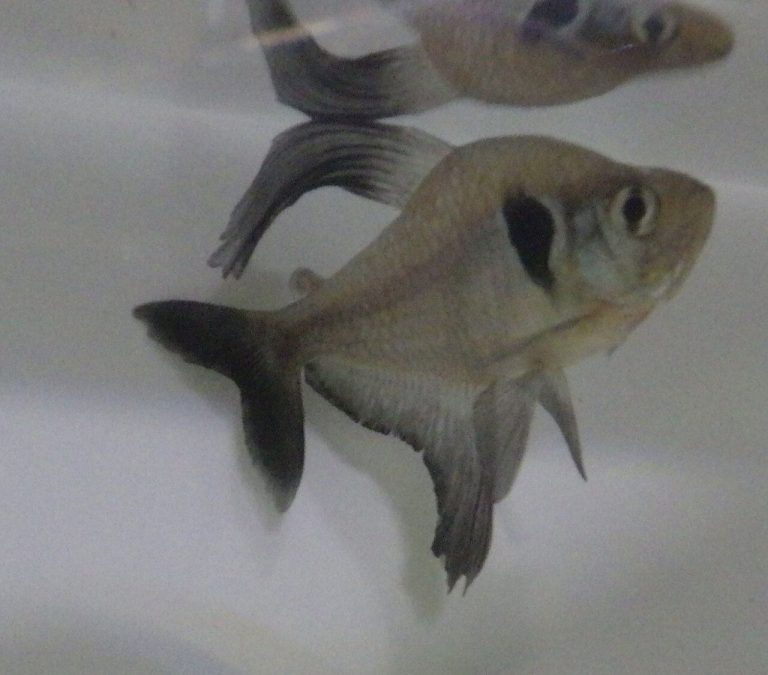
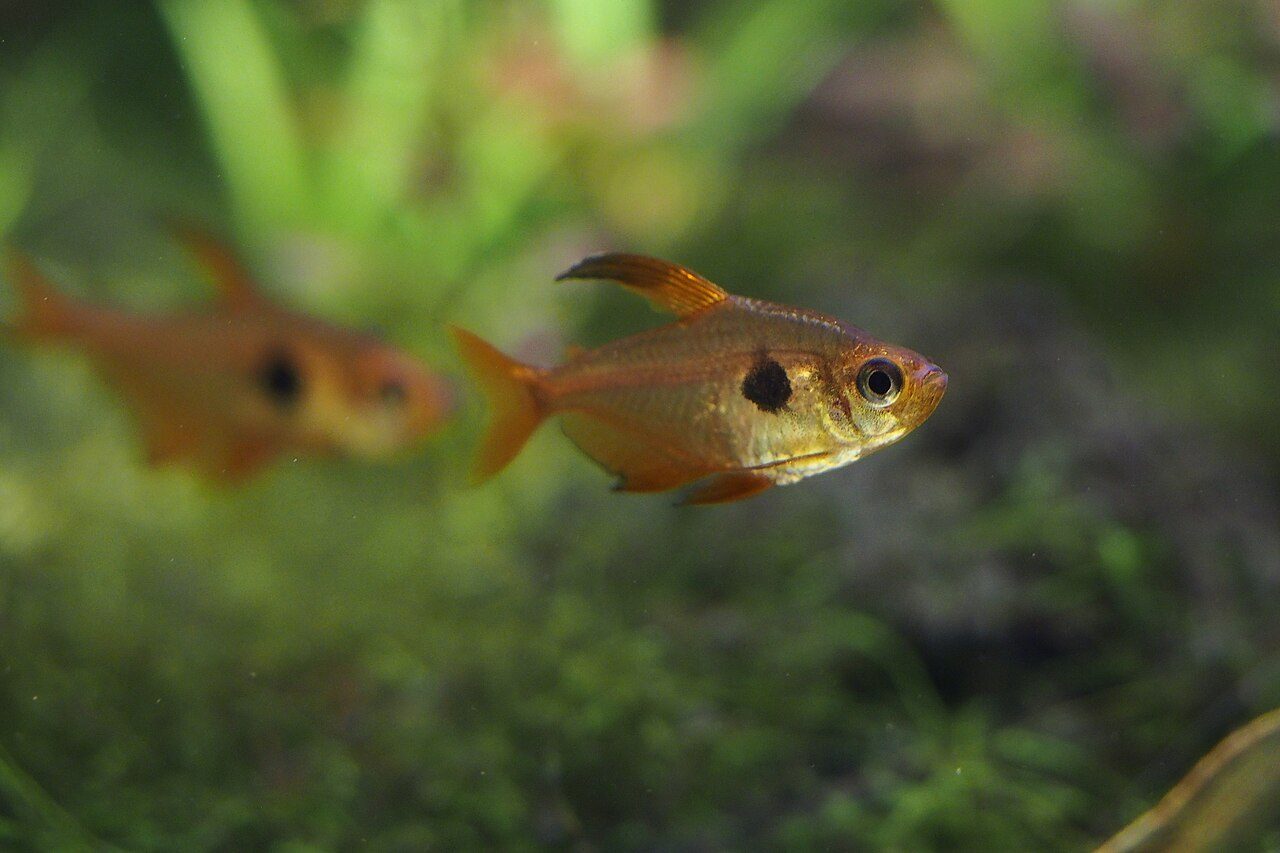
The Red Phantom Tetra, scientifically known as Hyphessobrycon sweglesi, is a striking addition to any peaceful setup. However, many beginners make the mistake of keeping them in cramped quarters, which leads to stress and suppressed colors.
In my experience, providing the correct Red Phantom Tetra tank size (gallons) is the difference between a fish that hides and one that displays colorful, deep crimson hues. Let’s look at why volume and dimensions matter so much for this specific species.
Pro Tip: Always prioritize “long” tanks over “tall” tanks for tetras. These fish are horizontal swimmers, and a 20-gallon long provides much more usable space than a standard 20-high or a 29-gallon tall.
At a glance: Red phantom tetra (Hyphessobrycon sweglesi)
- Temperature
- 68–77°F (20–25°C)
- Water pH
- 5.5–7.0
- Adult size
- 1.5 in (4 cm)
- Minimum tank
- 15 gal
- Group size
- Groups of 6+
- Temperament
- Peaceful
- Diet
- Omnivore: flakes, micro pellets, frozen foods
- Lifespan
- 4–5 years
Keeper’s tip: Prefers cooler, soft water than most tetras, so check your heater setting before adding them.
The Importance of Red Phantom Tetra tank size (gallons)
When we discuss the Red Phantom Tetra tank size (gallons), we are really talking about water stability and social behavior. These fish are not solitary; they rely on their group to feel secure and display natural behaviors.
A 20-gallon tank is the absolute baseline for a school of six to eight individuals. If you attempt to keep them in a 10-gallon tank, you will likely notice increased aggression among males and a higher susceptibility to disease.
Larger volumes of water act as a buffer against rapid changes in chemistry. In a small tank, a missed water change or overfeeding can cause an ammonia spike that proves fatal within hours.
Why Minimums Matter for Shoaling Dynamics
Shoaling dynamics are the biological “safety in numbers” behaviors that tetras exhibit. In a cramped tank, the fish cannot establish their natural hierarchy, which often results in fin nipping.
I’ve noticed that when kept in a 20-gallon long or larger, the males have enough room to engage in “sparring” without causing physical harm. This display is one of the most beautiful aspects of keeping this species.
Without enough space, the dominant male may relentlessly harass the others. A larger tank provides the visual breaks and swimming room necessary to keep the peace.
| Tank Size | Recommended School Size | Suitability |
|---|---|---|
| 10 Gallons | Not Recommended | Too small for active shoaling. |
| 20 Gallons (Long) | 6 – 10 Fish | Minimum ideal size for beginners. |
| 29 – 30 Gallons | 12 – 15 Fish | Excellent for a rich display. |
| 55 Gallons+ | 20+ Fish | Allows for a massive, impressive school. |
Understanding the Natural Habitat: The Orinoco River Basin
To understand why the Red Phantom Tetra tank size (gallons) needs to be generous, we must look at where they come from. These fish originate from the Orinoco River basin in South America, specifically in areas with slow-moving water.
In the wild, they are often found in tributaries and flooded forests filled with fallen leaves and submerged wood. These areas provide vast amounts of swimming space compared to a glass box.
The water in these regions is typically soft and acidic, stained a tea-color by tannic acid. Replicating these conditions in a larger tank is much easier than in a micro-environment.
The Role of Water Chemistry
Maintaining low Carbonate hardness (KH) and General hardness (GH) is essential for the long-term health of Hyphessobrycon sweglesi. They are sensitive to “hard” water, which can lead to kidney issues over time.
I recommend using peat filtration or adding Indian Almond leaves to the aquarium. This naturally lowers the pH and introduces beneficial humic substances into the water column.
When you have a larger tank, these parameters stay more consistent. Fluctuations in hardness or pH are much more dangerous to the fish than the absolute values themselves.
Creating the Perfect Aquascape: Macrophyte Density
A tank is not just about the volume of water; it is about how that volume is utilized. High macrophyte density, or a high concentration of aquatic plants, is vital for Red Phantoms.
Plants provide cover and help the fish feel safe enough to swim in the open. Without plants, these tetras often become shy and lose their brilliant red coloration.
I prefer using a mix of floating plants and rooted species like Amazon Swords or Cryptocorynes. These create shaded areas that mimic the canopy of the Orinoco.
Pro Tip: Use dark substrate to make the red colors of your tetras “pop.” When the substrate is light, the fish often wash out their colors to blend in with their surroundings.
The Benefit of Visual Barriers
In a 20-gallon tank, you can use driftwood and rockwork to create “sightline breaks.” This allows a fish that is being chased to quickly disappear from the view of an aggressor.
This is why the specific Red Phantom Tetra tank size (gallons) must be paired with thoughtful decor. A bare 20-gallon tank is often more stressful than a heavily planted 15-gallon tank.
Try to leave the center of the tank open for swimming while keeping the perimeter densely planted. This “stadium” style layout is perfect for showing off active schools.
One of the most unusual aspects of this species is dorsal fin dimorphism. Males possess a significantly longer and more pointed dorsal fin than females.
During courtship or territorial disputes, males will flare these fins to appear larger and more intimidating. This behavior requires enough space so the “loser” of the argument can retreat safely.
If you are planning a community aquarium, make sure your other inhabitants are just as peaceful. These tetras are gentle and can easily be outcompeted for food by more aggressive species.
Choosing Compatible Neighbors
Red Phantoms do exceptionally well with other South American species that share their water requirements. Small corydoras, dwarf cichlids, and other peaceful tetras make great companions.
If you find yourself dealing with algae, consider adding some algae-eating catfish to the mix. They occupy a different level of the tank and won’t interfere with the tetra school.
Always keep in mind that adding more fish increases the biological load. If you increase the population, you may need to reconsider your Red Phantom Tetra tank size (gallons) and upgrade to a 30 or 40-gallon setup.
| Parameter | Ideal Range |
|---|---|
| Temperature | 68°F – 77°F (20°C – 25°C) |
| pH Level | 5.5 – 7.0 |
| General Hardness (GH) | 2 – 10 dGH |
| Carbonate Hardness (KH) | 1 – 5 dKH |
Health and Common Pitfalls: Preventing Ich
Like many small tetras, Red Phantoms are susceptible to Ichthyophthirius multifiliis, commonly known as Ich or white spot disease. This parasite often takes hold when the fish are stressed.
The most common cause of stress is improper water parameters or a tank that is too small. When the Red Phantom Tetra tank size (gallons) is insufficient, the fish’s immune systems weaken.
Quarantining new arrivals is a non-negotiable step for any serious hobbyist. I always keep new fish in a separate tank for at least two weeks before introducing them to the main display.
The Danger of Overstocking
Beginners often want to fill every inch of their tank with fish. However, overstocking leads to high nitrate levels and low oxygen, both of which are catalysts for disease.
When selecting your community tank inhabitants, always calculate the adult size of the fish. A Red Phantom may only reach 1.5 inches, but their activity level requires more space than a sedentary fish of the same size.
If you notice your fish gasping at the surface or hiding constantly, it is time to check your ammonia levels and perhaps reduce the population.
Implementation Guide: Setting Up Your Red Phantom Tank
Setting up a dedicated tank for these beauties is a satisfying project. Follow these steps to make sure you create a healthy environment from day one.
Step 1: Choose Your Tank Select a 20-gallon long aquarium. This provides 30 inches of horizontal swimming space, which is perfect for a school of eight.
Step 2: Install Filtration and Heating Use a sponge filter or a hang-on-back filter with adjustable flow. Red Phantoms dislike strong currents, so aim for a gentle turnover.
Step 3: Add Substrate and Decor Use a dark, fine-grained sand or specialized plant substrate. Add pieces of driftwood and rocks to create caves and hiding spots.
Step 4: Planting Focus on high macrophyte density in the background. Use plants like Rotala or Vallisneria to create a leafy forest look.
Step 5: Cycling the Tank Never add fish to a brand-new tank. Use a bacterial starter and monitor your ammonia and nitrite levels until they both read zero.
Step 6: Acclimation Once the tank is cycled, use the drip acclimation method to introduce your tetras. This minimizes the shock of changing water chemistry.
Reader questions
Can Red Phantom Tetras live in a 10-gallon tank? While they can physically fit, it is not recommended. They will likely be stressed, aggressive, and more prone to diseases like Ich.
How many Red Phantom Tetras should be kept together? You should keep a minimum of six, but a group of ten or more is much better. They are social fish that rely on a group for security.
Do Red Phantom Tetras need a heater? Yes, they are tropical fish. While they prefer slightly cooler water than some other tetras (around 72-75°F), they still require a stable temperature provided by a heater.
What do Red Phantom Tetras eat? They are omnivores. I recommend a high-quality flake or micro-pellet supplemented with frozen foods like daphnia or brine shrimp to bring out their red color.
Are Red Phantom Tetras aggressive? Generally, no. Males will spar with each other by flaring their fins, but this rarely results in injury if the tank size is adequate.
Before you go
Choosing the right Red Phantom Tetra tank size (gallons) is the foundation of a successful aquarium. If you provide at least 20 gallons of space, you allow these fish to exhibit their eye-catching natural behaviors and vivid colors.
Prioritize horizontal swimming room, maintain soft and acidic water, and provide plenty of live plants. When you meet these basic needs, Hyphessobrycon sweglesi becomes one of the most satisfying species to keep.
Take the time to set up their environment correctly, and they will reward you with years of beauty and activity.

- 2003First tank
- 20+Years keeping
- 40+Tanks kept
- 0Sponsored picks
Howard set up his first 10-gallon planted tank in 2003 and lost half of it within six weeks. Two decades and more than forty aquariums later, he writes the guides he wished he had then: clear numbers, the reasons behind them, and what actually goes wrong in home tanks.