Why Is My Angelfish Swimming Sideways – Causes and Fixes
Angelfish swimming sideways usually indicates swim bladder dysfunction, poor water quality like ammonia poisoning, or internal infections. Immediate action includes testing water parameters, performing a 25% water change, and assessing for signs of constipation or parasites.
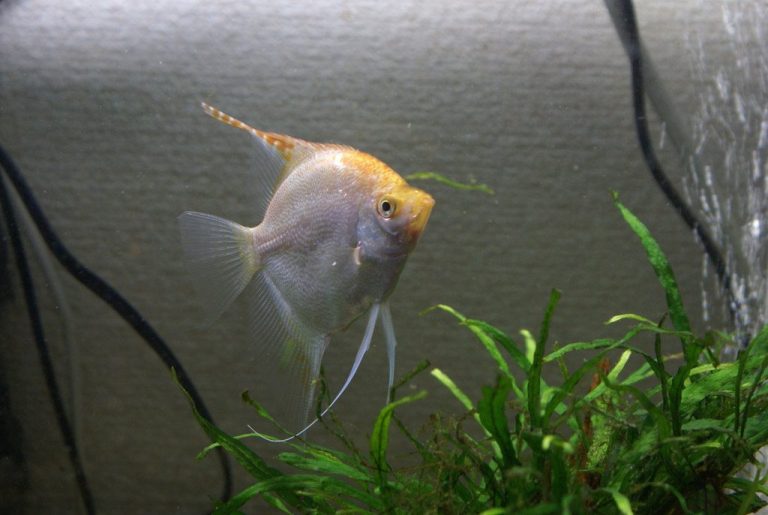
Seeing your majestic angelfish struggling to maintain its upright posture is one of the most heart-wrenching moments for any hobbyist. In my experience, this behavior is rarely a random occurrence and almost always serves as an urgent distress signal from your fish.
When you notice this “listing” or tilting, it suggests that the fish has lost its ability to regulate its buoyancy properly. This can stem from a variety of internal and environmental factors that require your immediate attention to prevent a tragic loss.
In my ten years of keeping these “Kings of the Aquarium,” I have learned that “why is my angelfish swimming sideways” is a question that demands a systematic approach. Once you understand the underlying biology and water chemistry, you can often nurse your fish back to health.
At a glance: Freshwater angelfish (Pterophyllum scalare)
- Temperature
- 76–84°F (24–29°C)
- Water pH
- 6.0–7.5
- Adult size
- 6 in long, 8 in tall (15 × 20 cm)
- Minimum tank
- 30 gal for a pair, 55 gal tall for a group
- Group size
- Pair or group of 5+
- Temperament
- Semi-aggressive, territorial when breeding
- Diet
- Omnivore: pellets, flakes, frozen bloodworm and brine shrimp
- Lifespan
- 10–12 years
Keeper’s tip: Choose a tall tank; height matters more than length for a fish that grows taller than it is long.
The Most Common Culprit: Swim Bladder Dysfunction
The swim bladder is a gas-filled organ that allows an angelfish to stay at a specific depth without wasting energy. When this organ is compromised, the condition is known as swim bladder dysfunction or swim bladder disorder.
This is not a single disease but rather a symptom caused by other issues, such as physical injury, congenital defects, or, most commonly, pressure from neighboring organs. When the swim bladder cannot expand or contract correctly, the fish may float to the top, sink to the bottom, or tilt significantly to one side.
In many cases, an enlarged stomach or digestive tract puts direct pressure on the bladder. This is particularly common in Pterophyllum scalare after a heavy meal of dry flakes or pellets that expand inside the gut.
Dietary Causes and Constipation
Feeding your angelfish low-quality food or strictly dry items can lead to severe constipation. As the intestinal tract swells with trapped waste and gas, it pushes against the swim bladder, causing the fish to lose its balance.
I’ve noticed that many beginners forget to soak their dry pellets before feeding. When the food absorbs water inside the fish’s stomach instead of in a cup, it expands rapidly, leading to the exact pressure that causes an angelfish to swim sideways.
Pro Tip: If you suspect constipation is the cause, try fasting your angelfish for 48 hours. Afterward, feed them a blanched, de-shelled green pea, which acts as a natural laxative to clear the digestive tract.
why is my angelfish swimming sideways: Water Quality and Toxicity
If you are asking “why is my angelfish swimming sideways,” the very first thing you should reach for is your liquid test kit. Environmental toxins are silent killers that affect the fish’s nervous system and internal organs long before they show physical spots or growths.
Ammonia poisoning and nitrite toxicity are frequent causes of neurological distress. When these levels rise, they damage the gills and enter the bloodstream, leading to fish osmoregulation failure and a total loss of equilibrium.
Sudden changes in water chemistry, often called pH shock, can also be the culprit. If the pH drops or rises too quickly during a massive water change, the fish’s internal systems may shut down, causing them to drift or swim at odd angles.
Critical Water Parameters for Angelfish
Maintaining stability is the secret to long-term success. Use the following table to ensure your aquarium meets the biological needs of your fish.
| Parameter | Ideal Range | Impact of Imbalance |
|---|---|---|
| Ammonia | 0 ppm | Gill damage and neurological failure. |
| Nitrite | 0 ppm | Suffocation and loss of balance. |
| Nitrate | < 20 ppm | Chronic stress and suppressed immunity. |
| pH | 6.5 – 7.5 | Sudden shifts cause osmotic shock. |
| Temperature | 78°F – 84°F | Metabolic slowdown or oxygen depletion. |
Maintaining proper water parameters is your first line of defense. If your levels are outside these ranges, your angelfish is likely suffering from environmental stress rather than a specific disease.
Infectious Diseases and Parasites
When water quality is perfect but the fish is still listing, we must look at biological threats. A bacterial infection in fish can target the swim bladder directly, causing it to fill with fluid or become inflamed.
Internal parasites are another major concern. Specifically, Pterophyllum scalare internal parasites like Hexamita can ravage the digestive tract and organs. These parasites consume the nutrients the fish needs, leading to muscle wasting and a loss of the strength required to swim upright.
If you notice your angelfish has sunken “cheeks” or a thin, “knife-edge” back along with the sideways swimming, parasites are the most probable cause. White, stringy feces are another classic indicator of an internal parasitic infestation.
Signs of Bacterial and Parasitic Distress
Identifying the specific cause helps you choose the right medication. Look for secondary symptoms like bloated abdomens, pineconing scales (dropsy), or cloudy eyes.
These symptoms often appear alongside the sideways swimming. When the infection reaches the nervous system, it can cause a neurological disorder in fish, leading to erratic spinning or “spiraling” behavior.
Pro Tip: Always use a quarantine tank when treating for infections. This prevents medications from crashing your main tank’s beneficial bacteria and protects your other healthy fish from potential contagion.
Oxygen Levels and Temperature Stability
Sometimes the answer to “why is my angelfish swimming sideways” is as simple as the air they breathe. Low dissolved oxygen levels can cause fish to gasp at the surface and eventually lose their ability to coordinate movement.
Warmer water holds less oxygen than cooler water. If your heater malfunctions or the room becomes too hot, the oxygen levels can plummet quickly, leaving your angelfish suffocating and disoriented.
Furthermore, water temperature stability is vital for their metabolism. A sudden drop in temperature can “shock” the fish’s system, causing their muscles to seize and their swim bladder to malfunction as their metabolic rate crashes.
Diagnostic Checklist: Identifying the Root Cause
To help you decide on the best course of action, I have put together this diagnostic checklist. Use this to Narrow down why your angelfish is struggling.
| Symptom Observed | Potential Cause | Immediate Action |
|---|---|---|
| Bloated belly, no feces | Constipation / SBD | Fast for 2 days; feed blanched peas. |
| Red gills, gasping at surface | Ammonia / Nitrite Spike | 50% water change; add water conditioner. |
| Pineconing scales (Dropsy) | Severe Internal Infection | Quarantine; treat with antibiotics. |
| White stringy feces, lethargy | Internal Parasites | Treat with Metronidazole or Praziquantel. |
| Floating/Sinking after feeding | Air Gulping / Poor Diet | Switch to sinking foods; soak pellets. |
How to Treat an Angelfish Swimming Sideways
Once you have identified the likely cause, you must act decisively. For swim bladder issues related to constipation, an Epsom salt bath can be a lifesaver.
Epsom salt (magnesium sulfate) acts as a muscle relaxant and laxative. It helps the fish expel trapped gas or waste that might be pressing against the swim bladder. For more on general health, consult our angelfish care guide to make sure your setup is ideal.
If the issue is bacterial, you will need broad-spectrum antibiotics. In my experience, medications containing Kanamycin or Nitrofurazone are effective for internal infections that affect buoyancy.
The Epsom Salt Bath Procedure
To perform a salt bath, use a separate container with tank water. Add 1 tablespoon of pure Epsom salt per 5 gallons of water.
Help the salt is fully dissolved before adding the fish. Let the angelfish sit in this solution for 15 to 20 minutes, monitoring them closely for signs of excessive stress. This can often jumpstart the digestive process and relieve buoyancy issues.
Some keepers also ask do angelfish need aquarium salt for regular maintenance. While aquarium salt is different from Epsom salt, it can help with general stress and gill function during recovery.
Preventing Future Buoyancy Issues
Prevention is always more effective than a cure. To keep your angelfish from ever swimming sideways again, focus on high-quality nutrition and impeccable tank maintenance.
Vary their diet with frozen bloodworms, brine shrimp, and high-quality flakes. This variety ensures they get the fiber they need to keep their digestive tract moving. Avoid overfeeding, as uneaten food rots and causes the ammonia spikes that lead to neurological damage.
Regularly vacuum your substrate to remove decaying organic matter. This prevents the buildup of harmful bacteria and parasites that could otherwise infect your fish’s internal organs.
Reader questions
Can an angelfish recover from swimming sideways?
Yes, many angelfish recover if the cause is constipation or a minor water quality issue. However, if the cause is a severe bacterial infection or permanent organ damage, the prognosis is much lower.
Is swimming sideways contagious to other fish?
If the cause is environmental (ammonia) or parasitic, then yes, your other fish are at risk. If it is purely a swim bladder injury or constipation, it is not contagious, but it often indicates a problem with the diet or tank conditions that might eventually affect others.
How long can a fish live swimming sideways?
A fish can survive for several days or even weeks in this state, but it is extremely stressful and prevents them from eating properly. Without intervention, they will eventually succumb to exhaustion or secondary infections.
Before you go
When you ask “why is my angelfish swimming sideways,” you are looking at a complex problem with several potential solutions. Whether it is a simple case of constipation or a more serious bacterial infection in fish, your quick response is the determining factor in their survival.
Start by checking your water parameters and performing a partial water change. Address the diet by fasting the fish and introducing high-fiber foods like peas. If symptoms persist, move to a quarantine tank for targeted medication or Epsom salt treatments.
By staying observant and maintaining a stable environment, you can protect your angelfish and enjoy their graceful presence for years to come. A healthy tank is a happy home, and your dedication is the key to their success.

- 2003First tank
- 20+Years keeping
- 40+Tanks kept
- 0Sponsored picks
Howard set up his first 10-gallon planted tank in 2003 and lost half of it within six weeks. Two decades and more than forty aquariums later, he writes the guides he wished he had then: clear numbers, the reasons behind them, and what actually goes wrong in home tanks.