What Triggers Angelfish To Spawn – Expert Secrets For Breeding Success
Angelfish are primarily triggered to spawn by frequent, large water changes with slightly cooler water, a high-protein diet of live or frozen foods, and a consistent temperature increase to approximately 80°F-82°F.
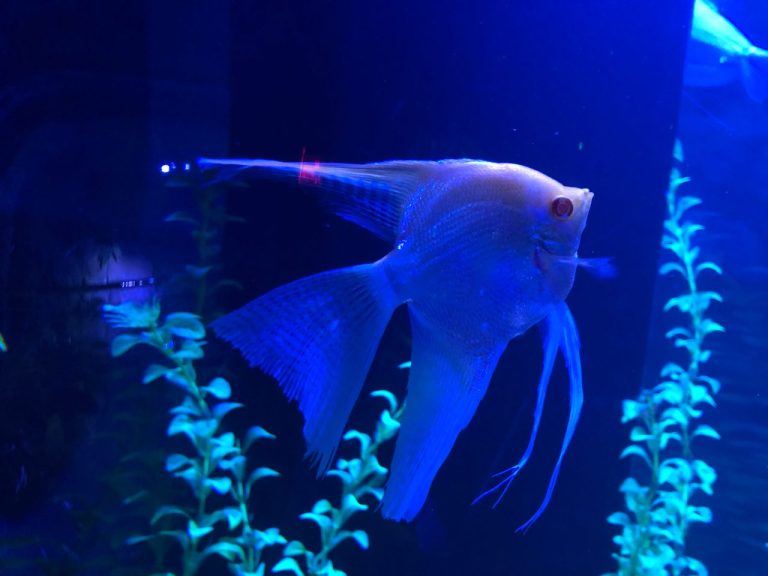
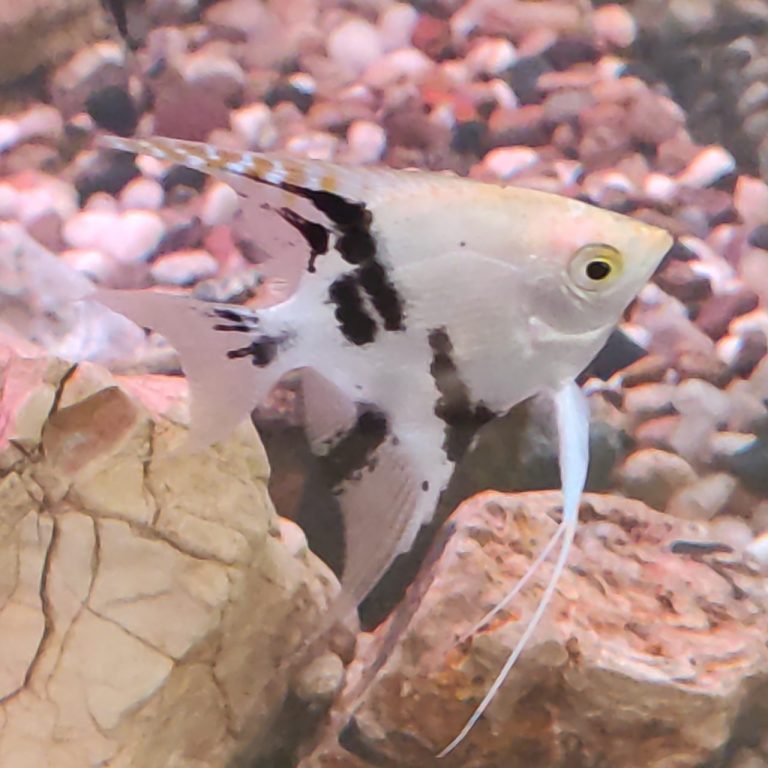
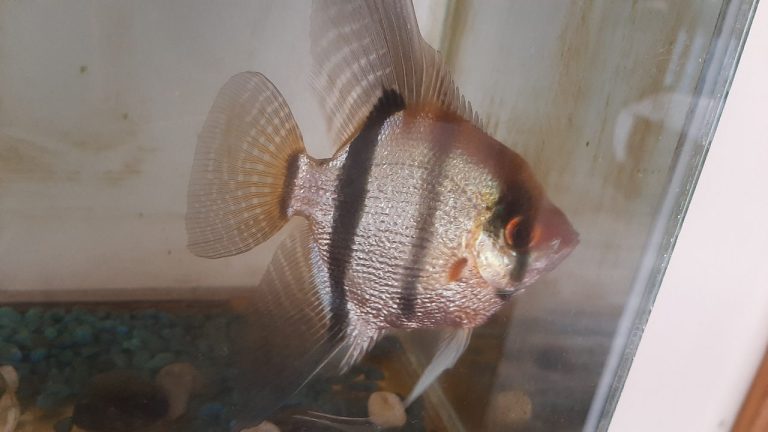
Watching a pair of Pterophyllum scalare prepare a nesting site is one of the most satisfying experiences in the aquarium hobby. After more than a decade of breeding these majestic cichlids, I have learned that success isn’t just about luck; it is about biology.
Understanding what triggers angelfish to spawn requires looking at their natural habitat and replicating the transition from the dry season to the rainy season. When you provide the right environmental cues, even the most stubborn pairs will often begin cleaning a site within days.
In this guide, I will share the exact methods I use to encourage breeding behavior.
At a glance: Freshwater angelfish (Pterophyllum scalare)
- Temperature
- 76–84°F (24–29°C)
- Water pH
- 6.0–7.5
- Adult size
- 6 in long, 8 in tall (15 × 20 cm)
- Minimum tank
- 30 gal for a pair, 55 gal tall for a group
- Group size
- Pair or group of 5+
- Temperament
- Semi-aggressive, territorial when breeding
- Diet
- Omnivore: pellets, flakes, frozen bloodworm and brine shrimp
- Lifespan
- 10–12 years
Keeper’s tip: Choose a tall tank; height matters more than length for a fish that grows taller than it is long.
What triggers angelfish to spawn: Simulating the Rainy Season
In the wild, the Amazonian rainy season brings an abundance of fresh, soft water and a massive increase in food availability. This is the primary biological signal that it is time to reproduce.
One of the most effective ways to mimic this is through a large water change of about 40% to 50%. By using water that is 2 to 3 degrees cooler than the tank water, you simulate the cooling effect of tropical rainfall.
This process often creates a slight osmotic shock that encourages the fish to shed old eggs or sperm and begin a new cycle. In my experience, performing these water changes every two to three days is the fastest way to see results.
Pro Tip: When doing your “rainy season” water changes, try to lower the total dissolved solids (TDS) by using a mix of RO water and tap water. Lowering the mineral content often acts as a massive “green light” for spawning pairs.
Conditioning with High-Protein Nutrition
You cannot expect your fish to produce healthy clutches of eggs if they are only eating basic flake food. Conditioning is the process of “bulking up” the female so she can develop a healthy supply of roe.
I highly recommend feeding high-protein live or frozen foods at least three times a day during the conditioning phase. Foods like bloodworms, brine shrimp, and tubifex worms provide the essential fats and proteins needed for egg production.
If you are serious about the health of the fry later on, feeding the parents Artemia nauplii (baby brine shrimp) can also be beneficial. It keeps the adults in peak metabolic condition and prepares them for the energy-intensive task of guarding the nest.
Ideal Water Parameters for Spawning
To give you a clear roadmap, I have compiled the ideal water parameters I use in my breeding setups. Consistency is just as important as the specific numbers.
| Parameter | Ideal Range | Purpose |
|---|---|---|
| Temperature | 80°F – 82°F (26.5°C – 28°C) | Speeds up metabolism and egg development. |
| pH Level | 6.5 – 6.8 | Mimics the acidic nature of the Amazon. |
| Water Hardness | 3 – 8 dGH | Soft water prevents egg shells from hardening too fast. |
| Nitrate | < 10 ppm | High nitrates can lead to egg fungus. |
Maintaining these levels helps make sure that the fish feel safe and physically capable of breeding. If you are unsure about your current setup, checking a majestic freshwater kings care resource can help you fine-tune your general maintenance.
Providing a Proper Spawning Substrate
Angelfish are substrate spawners, meaning they need a flat, typically vertical surface to deposit their eggs. In the wild, they often use broad leaves or submerged branches.
In the home aquarium, providing a dedicated spawning slate or a piece of PVC pipe is common practice. I have found that angelfish prefer a vertical substrate over horizontal ones because it allows them to fan the eggs more effectively.
If you don’t provide a suitable surface, they may choose the aquarium glass or the filter intake pipe. This can make it difficult to move the eggs later if you choose to raise them artificially.
Identifying Breeding Behavior and Anatomy
Before the actual spawning occurs, you will notice a change in the social dynamic of the tank. A bonded pair will become territorial and start chasing other fish away from their chosen corner.
You will see them “cleaning” the substrate with their mouths, picking off algae and debris. This is a sure sign that what triggers angelfish to spawn is currently working in your favor.
To confirm they are ready, look for the genital papilla (breeding tube) located between the ventral fins and the anal fin. In males, this tube is pointed and thin; in females, it is blunt, rounded, and much wider to allow for egg passage.
Common Mistake: Many hobbyists mistake aggressive lip-locking for fighting. While it can be aggressive, lip-locking is often a way for a pair to test each other’s strength before committing to a spawn. Don’t separate them unless you see actual physical damage.
The Role of Barometric Pressure
One of the more unusual triggers that many keepers overlook is barometric pressure. Many experienced breeders notice a spike in spawning activity right before a storm or a major weather front moves through.
When the atmospheric pressure drops, it signals to the fish that rain is coming. In their DNA, this means an influx of fresh water and food is imminent.
While you cannot control the weather, you can time your heavy feeding and water changes to coincide with local rainstorms. This “double whammy” of natural and artificial cues is often the final push a pair needs.
Light Cycles and Water Chemistry
The photoperiod, or the amount of light the tank receives, should be kept stable. I recommend 10 to 12 hours of light per day. Abrupt changes in lighting can stress the pair and cause them to eat their eggs.
Additionally, adding tannic acid to the water via Indian Almond leaves or driftwood can help. Tannins naturally lower the pH and provide mild antifungal properties, which protects the eggs from turning white.
When choosing the right variety of angelfish to breed, keep in mind that some highly bred strains, like Albinos, may have slightly more sensitive requirements regarding light and water clarity.
Quick answers
How long does it take for angelfish eggs to hatch?
Typically, the eggs will hatch in about 48 to 60 hours depending on the temperature. Higher temperatures lead to faster development, but 80°F is the “sweet spot” for healthy fry.
Why do my angelfish eat their eggs?
This is common with young, inexperienced pairs. They may feel threatened by tank mates, or they might sense the eggs are not viable. It often takes 3 to 5 tries before a pair learns to care for them properly.
Can I trigger spawning in a community tank?
Yes, but it is much harder. The presence of other fish can stress the parents, leading to egg-eating. For the best success, move your pair to a dedicated 20-gallon “tall” breeding tank.
What should I feed the fry once they hatch?
Once the fry are “free-swimming” (usually 5 days after hatching), they need microscopic live foods. Freshly hatched brine shrimp or liquid fry food are the best options.
A closing note
Successfully identifying what triggers angelfish to spawn is a masterclass in observation and patience. If you combine heavy water changes, high-quality proteins, and a stable environment, you are providing the “perfect storm” for your fish to settle in.
Every pair of Pterophyllum scalare is unique. Some will respond immediately to a cool water change, while others may require a few weeks of heavy conditioning with live foods.
If you are still setting up your tank, make sure you understand the basic freshwater environment requirements to provide a solid foundation. With time and the right triggers, you will soon be watching a new generation of angelfish grow.

- 2003First tank
- 20+Years keeping
- 40+Tanks kept
- 0Sponsored picks
Howard set up his first 10-gallon planted tank in 2003 and lost half of it within six weeks. Two decades and more than forty aquariums later, he writes the guides he wished he had then: clear numbers, the reasons behind them, and what actually goes wrong in home tanks.