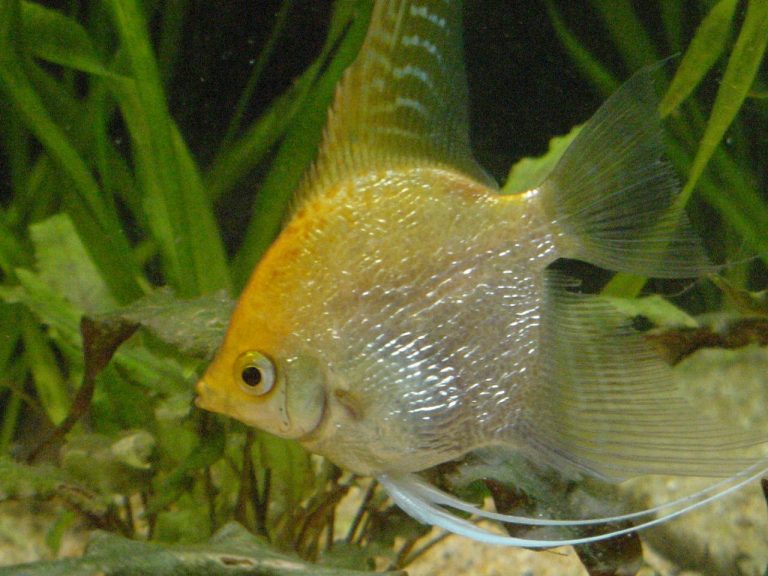
Signs My Angelfish Is Sick – The Expert Guide To Identification
Common signs my angelfish is sick include lethargy, loss of appetite, white spots, clamped fins, or gasping at the surface. Early detection of these behavioral and physical changes is vital for providing effective treatment and keeping recovery.
Watching a majestic Pterophyllum scalare glide through a well-maintained tank is one of the greatest joys in the hobby. In my experience of keeping these “kings of the aquarium” for over a decade, I have learned that they are incredibly expressive creatures.
However, their delicate fins and sensitive nature mean that when things go wrong, they go wrong quickly. Recognizing the early signs my angelfish is sick can be the difference between a simple water change and losing a prized inhabitant.
In this guide, we will look closely at the subtle cues and glaring symptoms that indicate your fish needs help. We will cover everything from parasitic infections like Ichthyophthirius multifiliis to environmental stressors like ammonia toxicity.
At a glance: Freshwater angelfish (Pterophyllum scalare)
- Temperature
- 76–84°F (24–29°C)
- Water pH
- 6.0–7.5
- Adult size
- 6 in long, 8 in tall (15 × 20 cm)
- Minimum tank
- 30 gal for a pair, 55 gal tall for a group
- Group size
- Pair or group of 5+
- Temperament
- Semi-aggressive, territorial when breeding
- Diet
- Omnivore: pellets, flakes, frozen bloodworm and brine shrimp
- Lifespan
- 10–12 years
Keeper’s tip: Choose a tall tank; height matters more than length for a fish that grows taller than it is long.
Behavioral Changes: The First signs my angelfish is sick
Often, the very first indication that something is wrong is not a physical spot or a wound, but a change in personality. Angelfish are naturally curious, somewhat aggressive, and very food-motivated.
If your fish is suddenly acting like a stranger, it is time to pay close attention. Behavioral shifts are the “check engine light” of the aquarium world.
Lethargy and Hiding
In my early years of keeping cichlids, I noticed that healthy angelfish are almost always front and center, especially when they see a human. If you notice your fish is tucked away in a corner or hiding behind a filter intake, take note.
Lethargy often indicates that the fish is redirecting all its energy toward fighting off an internal infection or coping with poor water quality. A fish that refuses to move even during feeding time is in significant distress.
Gasping at the Surface
If your angelfish is “piping” or gasping for air at the water’s surface, it is usually a sign of respiratory distress. This can be caused by low dissolved oxygen levels or damage to the gills from Ammonia toxicity.
I’ve noticed that this behavior is often accompanied by rapid gill movement. If you see this, check your aeration and test your water parameters immediately.
Pro Tip: Always keep an air stone or a sponge filter running in your tank. Even if your main filter provides surface agitation, an extra source of oxygen can be a lifesaver if temperatures rise or medications reduce oxygen levels.
Loss of Appetite
An angelfish that refuses its favorite frozen bloodworms or high-quality flakes is a major red flag. While a single missed meal might not be a crisis, consistent refusal to eat is a primary symptom of many ailments.
Loss of appetite is frequently associated with internal parasites like Spironucleus vortens. It can also be a sign of extreme stress from bullying or fluctuating temperatures.
Physical Symptoms You Should Never Ignore
Once a disease progresses, it will manifest in physical changes on the body of the fish. These signs are often easier to diagnose but usually mean the illness has already taken hold.
Regularly inspecting your fish’s scales, fins, and eyes is a habit every successful aquarist should develop. It only takes a few minutes a day to spot a problem before it becomes an epidemic.
White Spots and Fuzzy Patches
One of the most common physical signs my angelfish is sick is the appearance of tiny, white grains that look like salt. This is the classic presentation of Ichthyophthirius multifiliis, commonly known as Ich.
If you see white, cotton-like growth instead of small spots, you are likely dealing with Saprolegnia, a common water mold. These fungal infections usually target fish that already have a compromised immune system or a physical injury.
Fin and Tail Rot
Healthy angelfish should have crisp, clean edges on their long, flowing fins. If the edges look ragged, milky, or are turning black or red, you are likely dealing with fin rot.
This is often caused by a bacterial infection like Columnaris. In my experience, fin rot is almost always a secondary infection triggered by poor water conditions or high stress levels.
Bloating and Swimming Issues
If your angelfish looks like it has swallowed a marble, it is suffering from dropsy or extreme bloating. This is often a sign of organ failure or a severe internal bacterial infection.
If the fish is struggling to stay upright or is floating uncontrollably, it likely has Swim bladder disorder. This can be caused by gulping air at the surface, constipation, or more serious internal infections.
| Symptom | Potential Cause | Immediate Action |
|---|---|---|
| White salt-like spots | Ich (Ichthyophthirius) | Raise temp slowly, use Ich medication. |
| Fuzzy cotton growth | Fungal infection (Saprolegnia) | Check water quality, use antifungal meds. |
| Ragged, decaying fins | Fin Rot / Columnaris | 25% water change, antibacterial treatment. |
| Gasping at surface | Low Oxygen / Ammonia burn | Increase aeration, test for Ammonia/Nitrite. |
| Sunken belly / White poop | Internal Parasites / Hexamita | Medicated food (Metronidazole). |
Internal Parasites and Wasting Diseases
Internal issues are perhaps the most frustrating because they aren’t always immediately visible. You might have a fish that eats but continues to lose weight, leading to a “sunken belly” appearance.
This is common in South American cichlids and requires specific medications to resolve. If left untreated, internal parasites will slowly drain the life from your fish.
Hole-in-the-Head (Hexamita)
One of the most devastating signs my angelfish is sick is the development of small pits or “holes” around the head and lateral line. This is often caused by Hexamita or Spironucleus vortens.
This condition is sometimes referred to as Lateral line erosion. While the exact cause is debated, it is frequently linked to poor nutrition, activated carbon use, and deteriorating water quality.
Stringy White Feces
If you notice long, trail-like white feces hanging from your angelfish, it is a classic sign of an internal parasitic load. Healthy waste should be dark and break off quickly.
In my years of troubleshooting, I’ve found that treating the water alone often isn’t enough for internal issues. You generally need to use medicated food to ensure the active ingredients reach the gut of the fish.
Water Quality: The Silent Killer
Sometimes the signs of sickness are actually signs of poisoning. Many hobbyists rush to add medications when the real solution is simply fresh, clean water.
Angelfish are sensitive to nitrogenous wastes. Maintaining ideal water conditions is the best preventative medicine you can provide.
Ammonia and Nitrite Spikes
Even a small amount of ammonia can burn the gills and skin of your angelfish. Signs of Ammonia toxicity include red or purple gills and a thick coat of slime on the body as the fish tries to protect itself.
Nitrite poisoning is equally dangerous because it prevents the blood from carrying oxygen. This leads to “brown blood disease,” where the fish suffocates despite there being plenty of oxygen in the water.
The Importance of Testing
I cannot stress enough how important it is to own a liquid test kit. If you see any signs my angelfish is sick, your first step should always be to test the water.
If your nitrates are over 40ppm or if there is any trace of ammonia or nitrite, a large water change is mandatory. Often, correcting the environment allows the fish’s own immune system to take over and heal the minor issues.
Common Mistake: Many beginners try to “wait it out” when they see a fish acting slightly off. In fish keeping, waiting 24 hours can be the difference between a treatable infection and a total tank wipeout.
Troubleshooting Flow: What to Do When Symptoms Appear
When you identify that your angelfish is indeed unwell, you need a systematic approach. Panicking and dumping random medications into the tank often does more harm than good.
I have developed a mental checklist over the years that helps me narrow down the cause and find the right solution. Following a structured plan helps make sure you don’t miss anything critical.
Step 1: Observe and Test
Before doing anything else, watch the fish for five minutes. Is it being bullied? Is the heater working? Then, test the water for pH, Ammonia, Nitrite, and Nitrate.
If the water parameters are off, perform a 50% water change using a high-quality dechlorinator. Sometimes, this is all that is needed to see an improvement in behavior within hours.
Step 2: Check for External Parasites
Look for spots, slime, or velvet-like dust on the scales. If you see these, you may need to consider using aquarium salt or a copper-based medication.
Always remember to remove any activated carbon from your filter before adding medication. Carbon will neutralize the medicine, making the treatment completely ineffective.
Step 3: Quarantine if Necessary
If only one fish is showing symptoms, it is best to move it to a separate hospital tank. This prevents the spread of disease and allows you to treat the sick fish without exposing the healthy ones to chemicals.
A hospital tank can be a simple 10-gallon setup with a heater and a sponge filter. This also saves you money, as you won’t need to dose the entire main display aquarium.
Understanding the Role of Stress
Stress is the underlying cause of almost every fish illness. When an angelfish is stressed, its slime coat thins, and its immune system weakens, allowing pathogens to take hold.
By practicing proper angelfish maintenance, you can keep stress levels low. This includes providing enough space, the right tank mates, and a stable environment.
Tank Mates and Aggression
Angelfish are cichlids, and they can be quite territorial. Constant nipping from aggressive tank mates or bullying within an angelfish group can lead to physical injuries and chronic stress.
If you see torn fins but no signs of “rot” (like white or red edges), you are likely looking at physical damage. In this case, rearranging the decor or separating the aggressor is the best cure.
Temperature Fluctuations
Angelfish flourish in warmer water, typically between 78°F and 84°F. If your heater is undersized or malfunctioning, the temperature might swing during the night.
These fluctuations are a major trigger for Ich. Always use a reliable thermometer and check it daily to help the environment remains stable for your Pterophyllum scalare.
FAQ: Common Questions About Sick Angelfish
Why is my angelfish swimming sideways?
This is usually a sign of swim bladder disorder. It can be caused by constipation, an internal infection, or physical injury. Try feeding a blanched, skinned pea to help clear any digestive blockages.
Can angelfish recover from fin rot?
Yes, angelfish are remarkably resilient. If you catch fin rot early and improve the water quality, the fins will eventually grow back. However, they may not always return to their original perfectly straight shape.
Is white poop always a sign of parasites?
Not always, but it is a very strong indicator. Sometimes a change in diet or a short period of not eating can cause clear or white waste. If it persists for more than a couple of days, assume it is an internal parasite.
How do I know if my angelfish is dying?
A dying angelfish will often lose its ability to stay upright, sink to the bottom, or get stuck against the filter intake. If the fish is unresponsive to touch and has very slow gill movements, it is likely in its final stages.
Can I use salt with my angelfish?
Yes, angelfish can tolerate low doses of aquarium salt. It helps with gill function and promotes a healthy slime coat. However, be careful if you have live plants or scaleless tank mates like Corydoras.
Conclusion: Staying Proactive for Your Angelfish
Being able to identify the signs my angelfish is sick is an essential skill for any serious hobbyist. It requires a combination of keen observation and a solid understanding of fish biology.
In my experience, most angelfish illnesses are preventable. If you keep a strict water change schedule, providing a varied diet, and keeping a close eye on tank dynamics, you can prevent most issues before they start.
If you do find yourself facing a sick fish, do not get discouraged. Every expert aquarist has faced disease in their tanks at some point. The key is to act quickly, trust your observations, and provide the best care possible for your aquatic companions.
Keep your test kits ready, your hospital tank on standby, and always keep learning. Your angelfish will thank you with years of bright color and majestic displays in your home aquarium.

- 2003First tank
- 20+Years keeping
- 40+Tanks kept
- 0Sponsored picks
Howard set up his first 10-gallon planted tank in 2003 and lost half of it within six weeks. Two decades and more than forty aquariums later, he writes the guides he wished he had then: clear numbers, the reasons behind them, and what actually goes wrong in home tanks.