How To Treat Fin Rot In Angelfish – Causes and Treatment
To treat fin rot in angelfish, perform immediate 50% water changes to improve quality, remove carbon from filters, and administer antibacterial medications like Kanamycin or Erythromycin if the infection is severe or persistent.
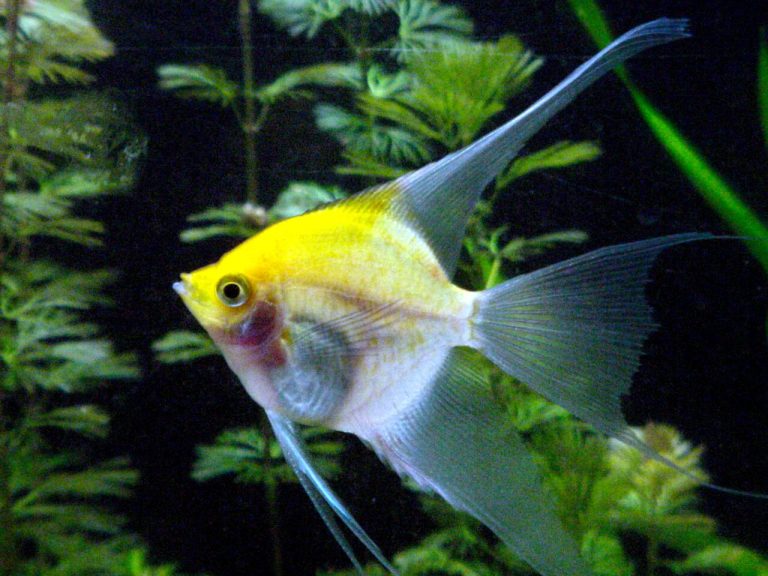
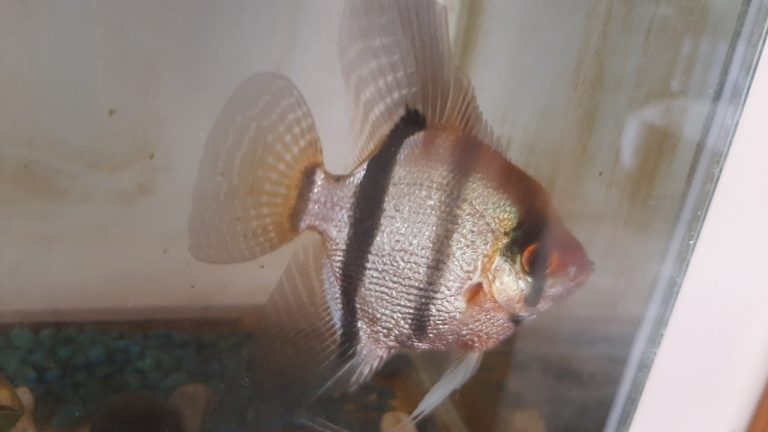
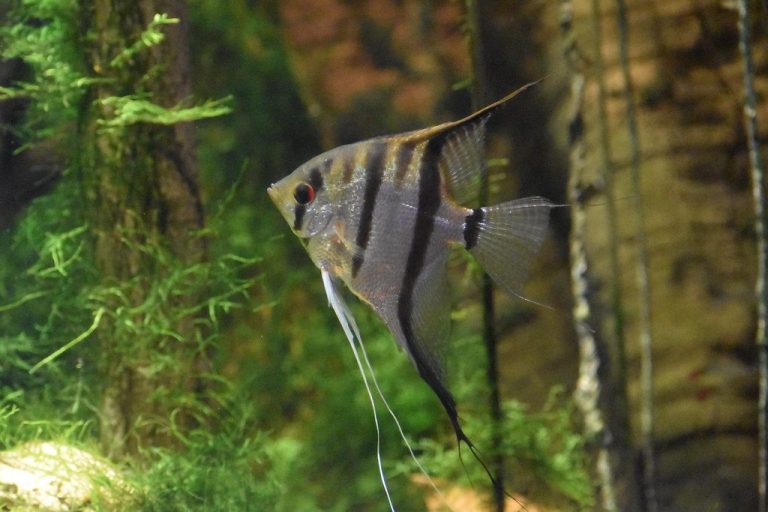
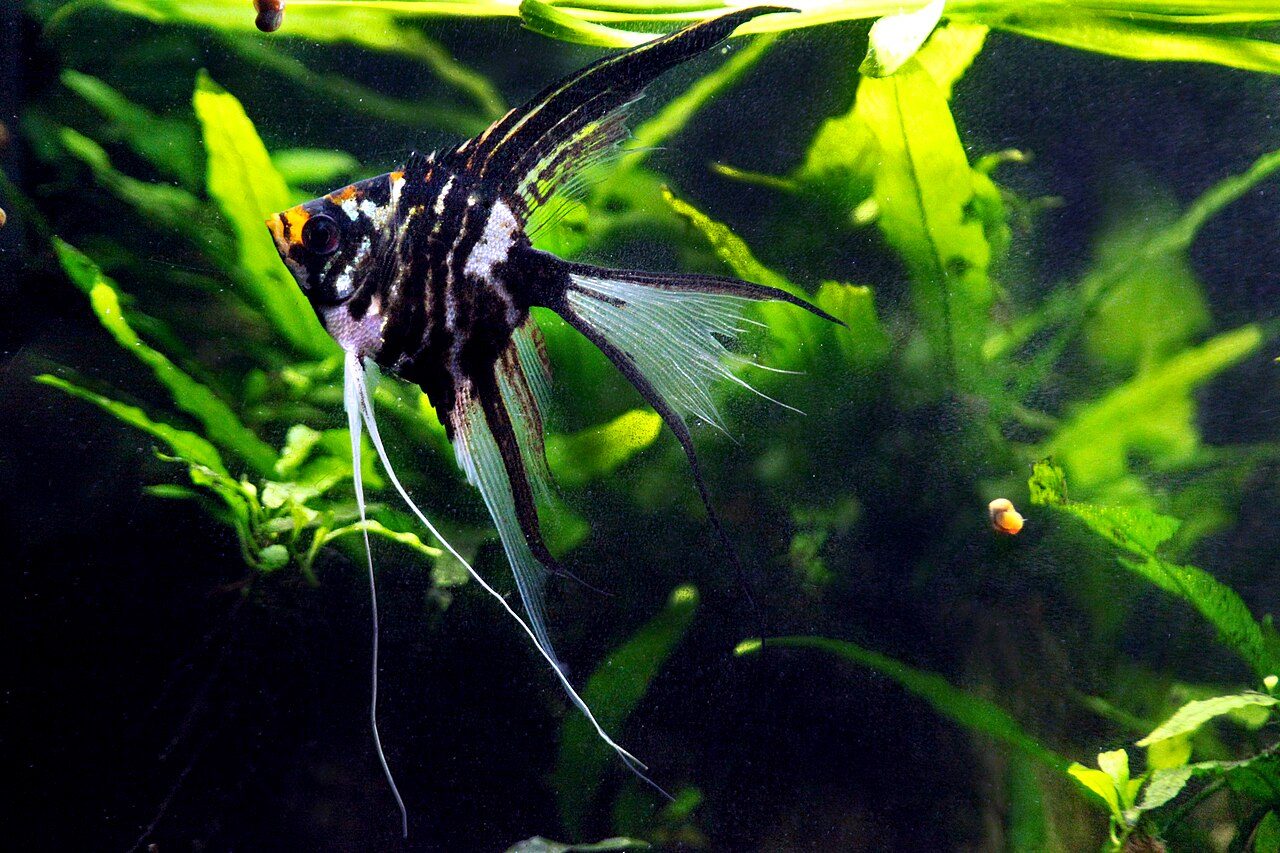
Seeing the elegant, trailing fins of your Pterophyllum scalare become ragged or milky is a heart-wrenching experience for any aquarist. In my ten years of keeping these “Kings of the Amazon,” I have learned that fin rot is rarely just a random occurrence.
It is almost always a signal that something in the environment has gone wrong, allowing opportunistic bacteria to take hold. Knowing how to treat fin rot in angelfish quickly can mean the difference between a full recovery and a permanent loss of those beautiful fin extensions.
This guide will walk you through the identification, treatment, and prevention of this common but stressful ailment. We will look at both medical and natural interventions to get your fish back to their majestic selves.
At a glance: Freshwater angelfish (Pterophyllum scalare)
- Temperature
- 76–84°F (24–29°C)
- Water pH
- 6.0–7.5
- Adult size
- 6 in long, 8 in tall (15 × 20 cm)
- Minimum tank
- 30 gal for a pair, 55 gal tall for a group
- Group size
- Pair or group of 5+
- Temperament
- Semi-aggressive, territorial when breeding
- Diet
- Omnivore: pellets, flakes, frozen bloodworm and brine shrimp
- Lifespan
- 10–12 years
Keeper’s tip: Choose a tall tank; height matters more than length for a fish that grows taller than it is long.
Understanding the Enemy: What is Fin Rot?
Fin rot is a symptomatic condition caused by various types of gram-negative bacteria, most commonly Aeromonas, Pseudomonas, or Vibrio. These bacteria exist in almost every aquarium but only become a problem when a fish’s immune system is compromised.
When an angelfish is stressed, its protective slime coat thins out, leaving the delicate tissue of the fins vulnerable to attack. Once the bacteria settle in, they begin to “eat” the tissue, leading to the characteristic frayed or melting appearance.
If left untreated, the infection can move from the fins into the body of the fish, a condition known as body rot or systemic sepsis. This stage is much harder to treat and often fatal, which is why early intervention is so critical.
Pro Tip: Always observe your fish during feeding time. If you notice a white, fuzzy edge on the fins or a sudden lack of appetite, start testing your water immediately; these are the earliest warning signs of an impending infection.
Identifying the Symptoms in Angelfish
Before you can decide how to treat fin rot in angelfish, you must be certain that you are dealing with a bacterial infection and not physical damage. Angelfish are cichlids, and they can be quite territorial, leading to nipped fins that look similar to rot.
True fin rot usually presents with a distinct white, cloudy, or even reddish margin at the edge of the fins. Physical damage from fin nipping behavior typically looks like clean “chunks” missing from the fin without the discolored edges.
In my experience, bacterial rot moves progressively, whereas nipping happens in sudden bursts. If the edges of the “tears” look like they are melting or dissolving, you are definitely dealing with a bacterial issue.
| Symptom | Mild Fin Rot | Severe Fin Rot |
|---|---|---|
| Fin Edges | Slightly white or opaque | Bloody, red, or black “burnt” look |
| Fin Shape | Frayed or uneven ends | Fin rays exposed; fins “melted” to base |
| Behavior | Mostly normal, slightly lethargic | Clamped fins, hiding, loss of appetite |
| Body Condition | No visible body sores | Inflammation at the base of fins |
Step 1: Optimize Water Quality Immediately
The most effective way to start the healing process is to provide pristine water. High levels of Ammonia and Nitrite directly irritate the skin and fins, making it impossible for the fish to heal.
I recommend performing a 50% water change as soon as you notice the rot. Use a high-quality water conditioner to neutralize chlorine and chloramines, and ensure the new water is the same temperature as the tank.
Check your proper water parameters to make sure the pH and hardness are within the ideal range for angelfish. Stable parameters are just as important as clean water when it comes to reducing stress levels.
The Role of Temperature
While angelfish enjoy warmer water, I have found that keeping the temperature around 80-82°F (27-28°C) is ideal during treatment. Very high temperatures can sometimes speed up bacterial reproduction, while too low can slow the fish’s metabolism.
Maintain a steady temperature to help the fish’s immune system function at its peak. Fluctuations in temperature are a major stressor that can exacerbate the rot.
Step 2: Choosing the Right Medication
When water changes aren’t enough, you need to look at how to treat fin rot in angelfish using targeted medications. Not all “cure-alls” work, so you must choose based on the severity of the case.
For mild cases, I often start with botanical treatments like Melafix or Pimafix. However, these are more like “antiseptics” and may not be strong enough for an aggressive Aeromonas infection.
If the rot is advancing toward the body, you must use a true antibiotic. Medications containing Kanamycin sulfate or Erythromycin are highly effective against the gram-negative bacteria that cause fin rot.
Using Kanamycin and Nitrofurazone
In my experience, a combination of Kanamycin (like Seachem Kanaplex) and Nitrofurazone (like API Furan-2) is the “gold standard” for severe rot. Kanamycin is absorbed through the skin, while Nitrofurazone treats the water and the surface of the fish.
Always follow the manufacturer’s dosage instructions exactly. Do not stop treatment early just because the fins look better, as this can lead to antibiotic-resistant bacteria in your tank.
Pro Tip: Before adding any medication, you MUST remove Activated carbon from your filter. Carbon is designed to pull impurities from the water, and it will remove your expensive medication before it has a chance to help your fish.
Step 3: The Hospital Tank vs. Main Tank
Deciding where to treat your angelfish is a vital step. If only one fish is affected, moving it to a separate hospital tank (quarantine tank) is usually the best course of action.
A hospital tank allows you to use less medication, which saves money. It also protects your beneficial bacteria in the main tank, as some antibiotics can unfortunately crash your nitrogen cycle.
If the entire tank seems to be suffering, or if you have a very large angelfish that would be stressed by a move, you may have to treat the display tank. Just be prepared to monitor Ammonia levels closely during and after the treatment.
Natural Remedies and Supportive Care
If you prefer a more natural approach or are dealing with a very mild case, there are several supportive measures you can take. These methods focus on boosting the fish’s natural defenses.
Methylene blue is an excellent tool for “dipping” fish. It has mild antibacterial properties and helps with osmoregulation, making it easier for the fish to breathe and maintain its internal salt balance.
Adding aquarium salt (sodium chloride) can also be beneficial. It stimulates the production of the slime coat and makes it harder for bacteria to flourish on the fish’s surface.
Using Salt Safely
When using salt for angelfish, I suggest a dose of 1 tablespoon per 5 gallons of water. Make sure you dissolve the salt in a cup of tank water before pouring it in, rather than dropping crystals directly onto the fish.
Keep in mind that salt does not evaporate. You should only add more salt when you perform a water change, and only for the volume of water you are replacing.
The Importance of Nutrition During Recovery
A sick angelfish needs high-quality protein and vitamins to rebuild its damaged tissue. While your fish is recovering, try to offer a variety of foods beyond just standard flakes.
Frozen bloodworms, brine shrimp, and high-quality pellets soaked in a vitamin supplement (like Selcon or Vita-Chem) can provide the building blocks needed for fin regrowth. In my experience, a well-fed fish heals twice as fast as one on a basic diet.
Check out our angelfish care guide for a more detailed look at the nutritional requirements of these fish. Proper feeding is a pillar of long-term health.
Monitoring Fin Regrowth
Once the infection has stopped, you will notice the edges of the fins becoming clear or “cellophane-like.” This is new tissue growth, and it is a very positive sign.
The new growth will eventually thicken and regain the fish’s natural color. Depending on the severity of the rot, it can take anywhere from a few weeks to several months for the fins to return to their original length.
Sometimes, if the rot reached the “rays” (the structural bones of the fin), the regrowth may be slightly crooked. This is purely cosmetic and does not affect the fish’s quality of life.
Common Mistakes When Treating Fin Rot
One of the most common mistakes I see beginners make is “shotgunning” medications. This involves dumping multiple different types of meds into the tank at once without a plan.
This often stresses the fish’s liver and kidneys, sometimes killing the fish before the bacteria does. Stick to one treatment plan and give it time to work before switching to something else.
Another mistake is neglecting the filter. While the medication is working, your biological filter might be weakened. Always test your water daily during treatment to help you don’t have a sudden spike in toxic waste.
Preventing Future Outbreaks
Preventing fin rot is significantly easier than treating it. Most outbreaks can be traced back to a lapse in maintenance or a stressful event like adding aggressive tank mates.
Ensure you are not overstocking your aquarium. Angelfish need plenty of vertical space and clean water to do well. If you are unsure about your setup, review the proper water parameters required for this species.
Regular 25% weekly water changes are the best insurance policy you can have. If you keep the bacterial load in the water column low, you give your angelfish the best chance at a long, healthy life.
Things people often ask
Can fin rot kill my angelfish?
Yes, if left untreated, the bacteria will move from the fins to the body. Once it becomes a systemic infection, it often leads to organ failure and death.
How long does it take for fins to grow back?
Minor fin damage can show signs of regrowth within 7 to 10 days. Severe damage may take months to fully heal, and in some cases, the fins may never reach their full original length.
Is fin rot contagious to other fish?
The bacteria themselves are usually already in the water, so it isn’t “contagious” in the traditional sense. However, if the water quality is poor, all fish in the tank are at risk of developing the condition.
Can I use salt with live plants?
Most aquarium plants can handle a low dose of salt (1 tablespoon per 5 gallons) for a short period. However, sensitive plants like Vallisneria or certain mosses may melt if the salt concentration is too high for too long.
The short version
Learning how to treat fin rot in angelfish is an essential skill for any serious hobbyist. While it can be intimidating to see your fish’s fins dissolving, keep in mind that most cases are completely curable with quick action and clean water.
Focus on the root cause—usually water quality or stress—and provide the necessary medical support to help your angelfish fight off the infection. With patience and proper care, your Pterophyllum scalare will soon be swimming with its majestic fins trailing behind it once again.
Keep a close eye on your parameters, feed a high-quality diet, and maintain a consistent cleaning schedule. Your reward will be a stable, beautiful aquarium filled with healthy, colorful angelfish.

- 2003First tank
- 20+Years keeping
- 40+Tanks kept
- 0Sponsored picks
Howard set up his first 10-gallon planted tank in 2003 and lost half of it within six weeks. Two decades and more than forty aquariums later, he writes the guides he wished he had then: clear numbers, the reasons behind them, and what actually goes wrong in home tanks.