Best Tank Mates For Freshwater Angelfish – The Ultimate Guide
The best tank mates for freshwater angelfish include medium-sized tetras like Rummy Nose, peaceful bottom-dwellers such as Corydoras catfish, and dwarf cichlids like Rams. Avoid tiny fish or fin-nippers to ensure a peaceful environment.
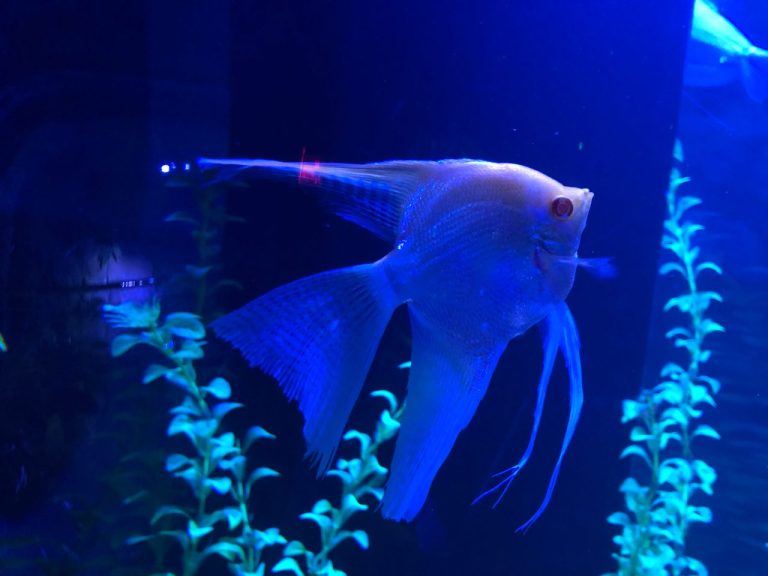
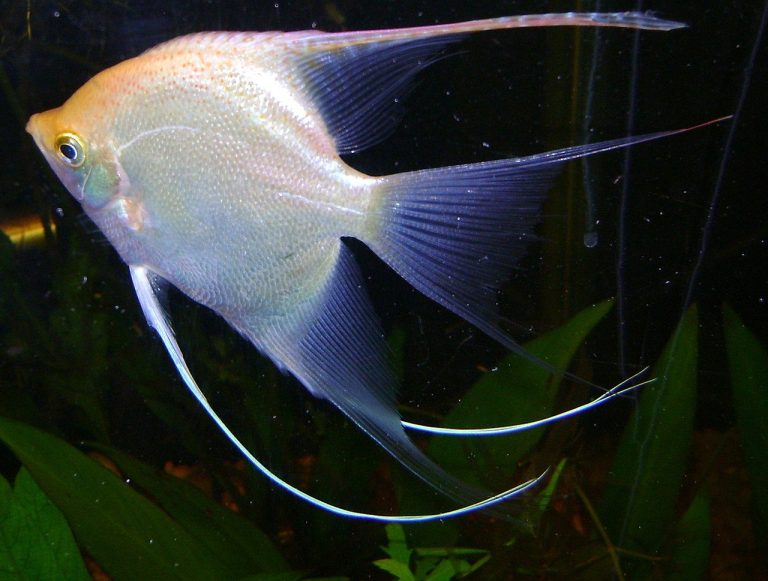
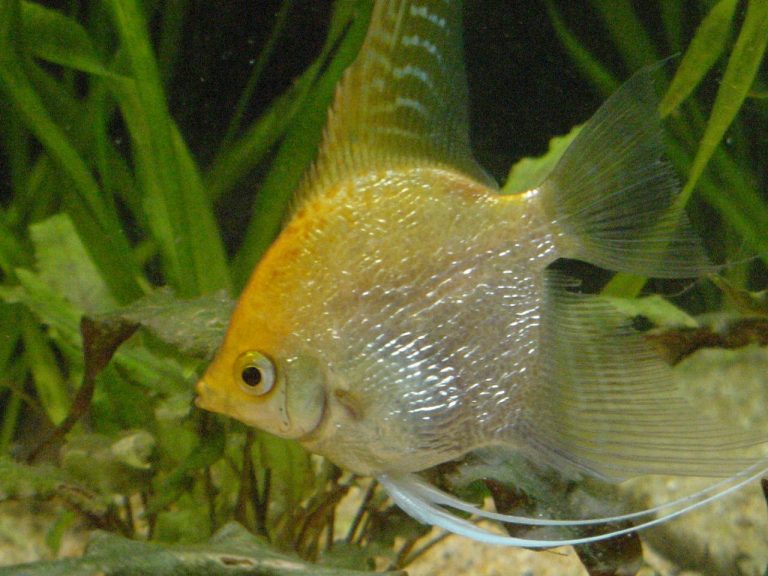
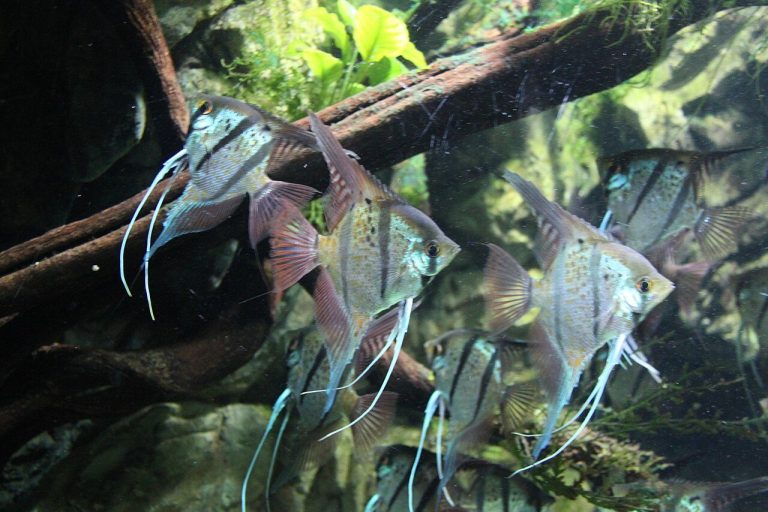
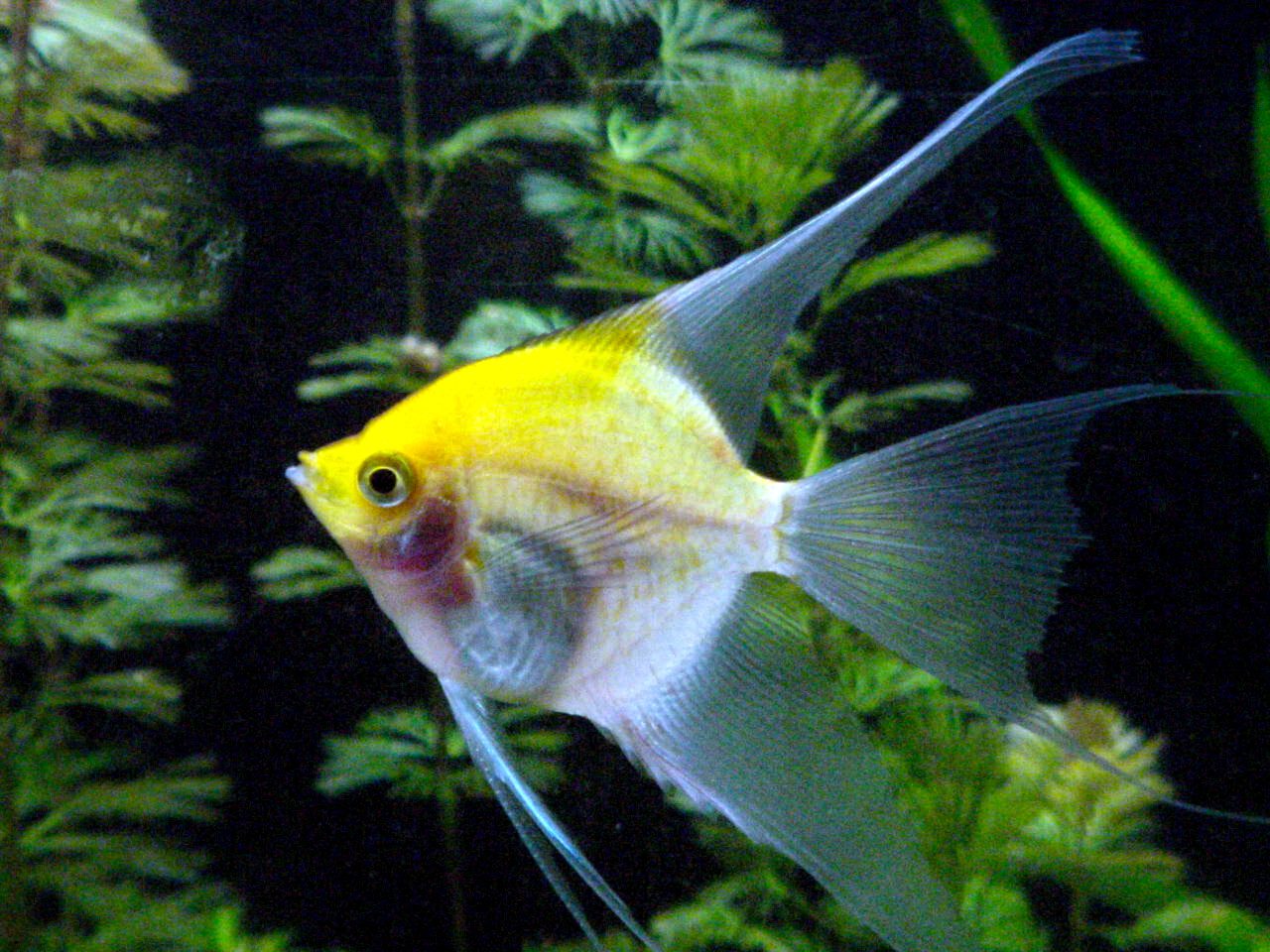
Freshwater angelfish, known scientifically as Pterophyllum scalare, are often the crown jewels of a home aquarium. Their graceful movements and striking vertical silhouettes bring a touch of elegance that few other species can match.
However, many hobbyists struggle to find the perfect neighbors for these majestic cichlids. In my 10 years of keeping these “kings of the Amazon,” I have learned that success depends entirely on balancing temperament, size, and water requirements.
Selecting the right companions is about more than just aesthetics. It is about creating a flourishing ecosystem where every inhabitant feels safe and healthy.
At a glance: Freshwater angelfish (Pterophyllum scalare)
- Temperature
- 76–84°F (24–29°C)
- Water pH
- 6.0–7.5
- Adult size
- 6 in long, 8 in tall (15 × 20 cm)
- Minimum tank
- 30 gal for a pair, 55 gal tall for a group
- Group size
- Pair or group of 5+
- Temperament
- Semi-aggressive, territorial when breeding
- Diet
- Omnivore: pellets, flakes, frozen bloodworm and brine shrimp
- Lifespan
- 10–12 years
Keeper’s tip: Choose a tall tank; height matters more than length for a fish that grows taller than it is long.
Best Tank Mates for Freshwater Angelfish: Choosing the Right Neighbors
When looking for the best tank mates for freshwater angelfish, you must keep in mind that angelfish are members of the cichlid family. While they are generally peaceful compared to their aggressive cousins, they are still opportunistic predators.
A common mistake I see beginners make is putting tiny fish with adult angelfish. If a fish is small enough to fit into an angelfish’s mouth, it will eventually become an expensive snack.
The ideal tank mate should be large enough to avoid being eaten but peaceful enough not to nip at the angelfish’s long, flowing fins. They should also share similar water preferences, typically preferring slightly acidic to neutral pH levels.
Pro Tip: Always introduce your tank mates before or at the same time as your angelfish. If an angelfish is the first resident, it may view the entire tank as its territory and act aggressively toward newcomers.
Top Schooling Fish for Angelfish Aquariums
Schooling fish provide movement and color, acting as “dither fish” that help angelfish feel more secure. However, choosing the wrong species can lead to frayed fins or missing fish.
Rummy Nose Tetras (Hemigrammus rhodostomus)
The Hemigrammus rhodostomus, or Rummy Nose Tetra, is perhaps my favorite companion for angelfish. Their tight schooling behavior and distinct red “noses” create a beautiful contrast against the slow-moving angels.
They are fast enough to avoid any occasional grumpiness from the cichlids. Furthermore, their health is a great indicator of water quality, which is vital for proper care for angelfish.
Larger Tetra Species
While Neon Tetras are often too small, several other members of the Characin family do well alongside Pterophyllum scalare. Look for “deep-bodied” tetras that are too tall for an angelfish to swallow.
Species like Diamond Tetras, Emperor Tetras, and Bleeding Heart Tetras are excellent choices. Their larger size and calm demeanor make them ideal for a high-volume community tank.
Hatchetfish
Freshwater hatchetfish are unique surface dwellers that rarely interact with angelfish. Since angelfish primarily occupy the middle and lower-middle layers, hatchetfish utilize the top space effectively.
Just be sure to have a tight-fitting lid. In my experience, these fish are Olympic-level jumpers and will find even the smallest gap to leap through.
Bottom Dwellers and Cleanup Crews
Adding bottom-dwelling species helps make sure that no leftover food goes to waste. This helps maintain low nitrate levels and prevents the buildup of harmful bacteria.
Corydoras Catfish
Corydoras are the ultimate community fish. For an angelfish tank, I highly recommend Corydoras sterbai.
These specific catfish handle the warmer temperatures that angelfish prefer much better than other Cory species. They are peaceful, hardy, and endlessly entertaining to watch as they sift through the substrate.
Bristlenose Plecos (Ancistrus cirrhosus)
The Ancistrus cirrhosus is a fantastic algae eater that stays relatively small, usually topping out at 5 inches. Unlike the Common Pleco, which grows far too large, the Bristlenose is manageable for most home setups.
They are armored and possess spines, meaning angelfish will quickly learn to leave them alone. They spend most of their time on driftwood or glass, keeping the environment tidy.
Pro Tip: If you notice your Bristlenose Pleco is constantly hiding, try adding more caves or PVC pipes. They need a secure “home base” to feel comfortable enough to come out and graze during the day.
Compatible Dwarf Cichlids and Larger Companions
If you have a large enough tank, you can successfully keep other cichlid species with your angelfish. This creates a dynamic and socially complex environment.
Bolivian and German Blue Rams
Mikrogeophagus ramirezi, or the German Blue Ram, is a beautiful addition to a community fish for freshwater tank setup. They share the same water chemistry requirements and occupy the bottom third of the tank.
While they can be territorial during spawning, they generally respect the space of the angelfish. Make sure you provide plenty of broken lines of sight using plants and driftwood.
Praecox Rainbowfish
Dwarf Neon Rainbowfish (Melanotaenia praecox) are vivid, active swimmers. Their shimmering blue scales add a “pop” of color that complements the silver or marble patterns of angelfish.
They are peaceful but fast, making them great neighbors. They also tend to stay in the upper layers, leaving the mid-tank area to the angels.
| Species Name | Common Name | Water Layer | Compatibility Level |
|---|---|---|---|
| Hemigrammus rhodostomus | Rummy Nose Tetra | Middle | Excellent |
| Corydoras sterbai | Sterba’s Cory | Bottom | Excellent |
| Ancistrus cirrhosus | Bristlenose Pleco | Bottom/Glass | High |
| Mikrogeophagus ramirezi | German Blue Ram | Bottom | High (Large Tanks) |
| Melanotaenia praecox | Dwarf Rainbowfish | Top/Middle | High |
Creating a South American Biotope
To keep your angelfish and their tank mates happy, you should aim to replicate their natural environment. A South American biotope is the gold standard for these species.
Water Chemistry and Filtration
Angelfish flourish in soft, slightly acidic water. I have found that using peat filtration or adding Indian Almond leaves can help lower the pH and release beneficial tannins.
Monitoring your Carbonate hardness (KH) is important. A low KH can lead to pH swings, which are stressful for sensitive species like Rummy Nose Tetras.
Live Plants and Decor
In the wild, angelfish hide among submerged tree roots and tall grasses. You should provide plenty of suitable aquatic plants to mimic this.
The Amazon Sword (Echinodorus grisebachii) is the quintessential plant for this setup. Its broad leaves provide perfect resting spots and potential spawning sites for the angels.
Tall plants like Vallisneria also create a “forest” effect. This allows smaller tank mates to escape the line of sight of a dominant angelfish if a chase occurs.
Potential Risks and Diseases in a Mixed Tank
When you mix different species, you increase the complexity of disease management. Always quarantine new arrivals for at least two to four weeks.
The Threat of Hexamita
One common issue in angelfish tanks is Hexamita, also known as Hole-in-the-Head disease. It is often triggered by poor water quality or stress from aggressive tank mates.
Keeping the water pristine is your best defense. If you notice pits forming on the head of your angelfish, you must act quickly with specialized medicated food or water treatments.
Fin Nipping and Aggression
Even the best tank mates for freshwater angelfish can sometimes cause trouble. Species like Tiger Barbs or Serpae Tetras are notorious fin nippers.
They are attracted to the long, flowing filaments of the angelfish. Constant nipping leads to stress, secondary fungal infections, and even death, so these species should be strictly avoided.
Tank Mates to Avoid at All Costs
Knowing what not to include is just as important as knowing what to pick. Some fish are simply incompatible due to size or behavior.
Small Invertebrates
Most dwarf shrimp, such as Cherry Shrimp, will be eaten by angelfish within minutes. If you want invertebrates, stick to larger snails like Mystery Snails or Nerite Snails.
Amano shrimp can sometimes survive if they are large and the tank is heavily planted. However, I usually advise against it to avoid unnecessary loss of life.
Extremely Aggressive Cichlids
Avoid large, aggressive Central or South American cichlids like Oscars, Jack Dempseys, or Convicts. These fish will easily overpower and bully your angelfish.
Angelfish are “soft” cichlids. They cannot compete with the sheer jaw strength and territorial aggression of these larger bruisers.
Questions and answers
Can angelfish live with Neon Tetras?
In most cases, no. While it may work when the angelfish are young, adult angelfish will eventually see Neons as natural prey. Cardinal Tetras are a slightly better choice as they grow larger, but even they are risky.
How many tank mates can I have in a 55-gallon tank?
This depends on your filtration and maintenance schedule. Generally, a pair of angelfish can share a 55-gallon tank with a school of 10-12 tetras and a group of 6 Corydoras quite comfortably.
Do angelfish need a school of their own kind?
Angelfish are social but can be aggressive toward each other. It is best to keep them in a mated pair or a group of five or more to disperse aggression. Keeping just two or three can result in the weakest fish being bullied constantly.
What is the best temperature for an angelfish community tank?
I recommend keeping the tank between 78°F and 82°F (25.5°C to 28°C). This range is high enough for the angelfish and warm-water companions like Corydoras sterbai and German Blue Rams.
Finding the Perfect Balance
Building a community around freshwater angelfish is a satisfying challenge. If you focus on species that share the same water parameters and occupy different levels of the tank, you can create a striking display.
Always prioritize the health and safety of the fish over a specific “look.” Providing plenty of plants like Echinodorus grisebachii and maintaining soft water will help your inhabitants settle in for years to age.
The best tank mates for freshwater angelfish are those that respect the majesty of the “King of the Aquarium” while adding their own unique flair to the environment. With patience and careful selection, your aquarium will become a peaceful window into the Amazon River.

- 2003First tank
- 20+Years keeping
- 40+Tanks kept
- 0Sponsored picks
Howard set up his first 10-gallon planted tank in 2003 and lost half of it within six weeks. Two decades and more than forty aquariums later, he writes the guides he wished he had then: clear numbers, the reasons behind them, and what actually goes wrong in home tanks.