Can Angelfish Live With Tetras? The Ultimate Compatibility Guide
Yes, angelfish can live with tetras, provided you choose larger tetra species. While adult angelfish may eat tiny tetras like Neons, deeper-bodied species such as Rummy Nose or Bleeding Hearts usually make excellent, peaceful tankmates.
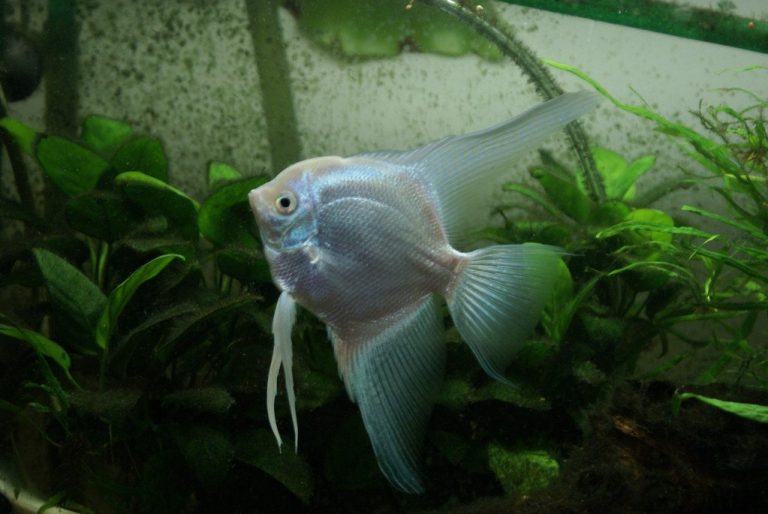
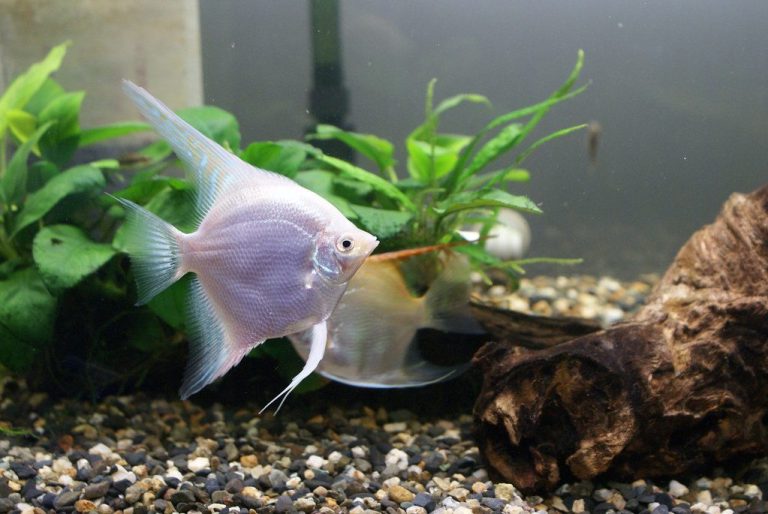
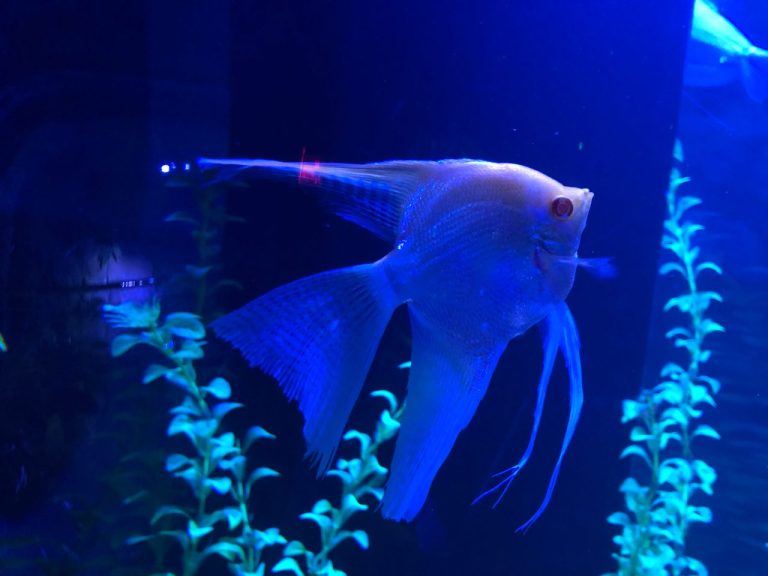
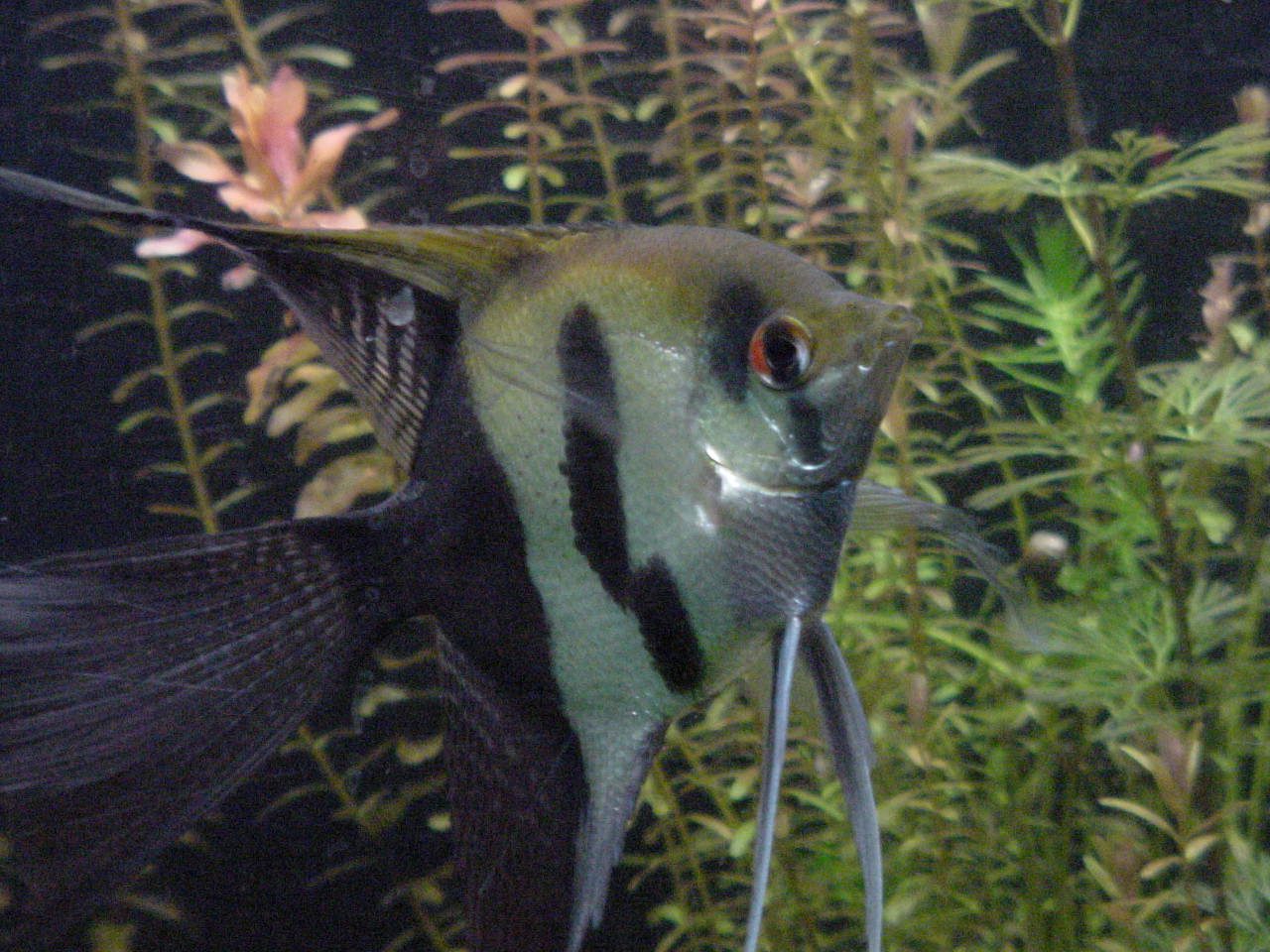
Walking into a local fish store, it is hard not to be captivated by the graceful glide of an angelfish. These majestic cichlids, known scientifically as Pterophyllum scalare, are the undisputed kings of many home aquaria.
Many hobbyists dream of seeing these elegant fish drifting through a school of vivid, shimmering tetras. However, the question of can angelfish live with tetras is one that requires a nuanced understanding of biology and behavior.
In my decade of keeping South American biotopes, I have seen these pairings flourish beautifully, but I have also seen them end in late-night snacks. Success is not just about luck; it is about choosing the right species and setting the stage for peace.
At a glance: Freshwater angelfish (Pterophyllum scalare)
- Temperature
- 76–84°F (24–29°C)
- Water pH
- 6.0–7.5
- Adult size
- 6 in long, 8 in tall (15 × 20 cm)
- Minimum tank
- 30 gal for a pair, 55 gal tall for a group
- Group size
- Pair or group of 5+
- Temperament
- Semi-aggressive, territorial when breeding
- Diet
- Omnivore: pellets, flakes, frozen bloodworm and brine shrimp
- Lifespan
- 10–12 years
Keeper’s tip: Choose a tall tank; height matters more than length for a fish that grows taller than it is long.
The Predator-Prey Dynamic: Understanding the Risk
To understand if can angelfish live with tetras safely, we must first look at the natural history of the angelfish. Despite their angelic name, these fish are opportunistic predators with a natural instinct for piscivorous predation.
In the wild, an angelfish’s diet often includes smaller fish that can fit into its surprisingly large mouth. This is the “golden rule” of fish keeping: if a fish can fit inside another fish’s mouth, it eventually will.
Young angelfish are usually peaceful and gregarious, often ignoring their tankmates entirely. However, as they mature into large adults, their hunting instincts sharpen, and a once-ignored Neon Tetra may suddenly look like a meal.
Pro Tip: If you want to keep smaller tetras with angelfish, try to raise them together from a very young age. In my experience, angelfish that grow up with small tetras are much less likely to view them as food once they reach adulthood.
Can Angelfish Live With Tetras? Choosing the Right Species
When people ask can angelfish live with tetras, they are often thinking of the classic Neon Tetra (Paracheirodon innesi). While beautiful, Neons are often too small and streamlined, making them easy targets for a hungry adult angel.
Instead, look for “deep-bodied” tetras or those that grow large enough to avoid being swallowed. These species are often referred to as dither fish, helping to reduce the shyness of larger cichlids by moving actively in the water column.
The goal is to find a balance where the tetras are large enough to be safe, but not so aggressive that they nip at the angelfish’s long, trailing fins. Some species are notorious for fin nipping, which can lead to stress and secondary infections for your angels.
| Tetra Species | Compatibility Level | Reasoning |
|---|---|---|
| Cardinal Tetra | Moderate | Slightly larger than Neons, but still a risk with very large angels. |
| Rummy Nose Tetra | High | Fast swimmers and school tightly; generally too fast to be caught. |
| Bleeding Heart Tetra | Excellent | Deep-bodied and grow large enough to be completely safe. |
| Serpae Tetra | Low | Known for fin nipping; can shred an angelfish’s delicate fins. |
| Lemon Tetra | High | Peaceful, hardy, and tall enough to discourage predation. |
The Case for Cardinal Tetras
While Neon Tetras are risky, Cardinal Tetras are often a better choice for an Amazonian biotope. They share the same bright colors but tend to grow slightly larger and prefer the warmer water temperatures that angelfish stay healthy in.
Avoiding the Nippers
One species to be wary of is Hyphessobrycon eques, commonly known as the Serpae Tetra. These fish can be quite pugnacious, especially when kept in small numbers, and may see the long fins of an angelfish as a target for bullying.
Ideal Tank Setup for Coexistence
To help can angelfish live with tetras successfully, the environment must cater to the needs of both species. This starts with the physical dimensions of the aquarium.
Angelfish have a unique, compressed body shape that requires significant vertical tank height. A shallow tank will stunt their growth and cause stress, which can lead to increased aggression toward smaller tankmates.
A 29-gallon tank is often cited as the minimum for a single angelfish, but for a community with tetras, a 55-gallon or larger is far superior. This extra space allows the tetras to maintain their proper schooling numbers without feeling cornered.
The Importance of Hardscape and Plants
A bare tank is a recipe for disaster in a mixed-species community. You want to provide plenty of visual breaks using tall plants like Amazon Swords or Vallisneria.
Bogwood and driftwood can also help leach tannic acid into the water, creating the “blackwater” conditions many of these species prefer. This slightly tinted water mimics their natural habitat and can help reduce stress levels across the board.
Common Mistake: Many beginners forget that angelfish are territorial. If you don’t provide enough hiding spots, the angelfish may claim the entire tank as its territory, chasing the tetras into the corners.
Matching Water Parameters
Fortunately, most angelfish and tetras hail from the same regions of South America, meaning their water requirements overlap significantly. They generally prefer soft, slightly acidic water with a low carbonate hardness.
Stability is more important than chasing a “perfect” number on a pH strip. Most captive-bred angelfish and hardy tetra species are quite adaptable to a range of parameters.
Keeping the temperature on the warmer side, around 78°F to 82°F (25.5°C to 28°C), is ideal. This range keeps the angelfish’s metabolism healthy and makes sure the tetras remain active and vivid.
Managing Feeding and Growth Rates
When keeping these species together, you must be mindful of the feeding frenzy. Angelfish are aggressive eaters and can easily outcompete smaller tetras for food.
I have found that using a combination of floating flakes for the angelfish and sinking micro-pellets for the tetras works best. This helps make sure that the tetras can eat in the middle of the water column while the angels are busy at the surface.
As your angelfish grows, keep a close eye on the size of your tetras. If you notice the tetra school thinning out without any signs of disease, it is a strong indicator that your angelfish has discovered a new food source.
The Role of Group Dynamics
The question of can angelfish live with tetras also depends on how many of each you keep. Tetras are schooling fish and should never be kept in groups of fewer than six; ten or more is always better.
A large school of tetras provides a sense of security for the fish. It also makes it harder for an angelfish to “target” a single individual, as the shimmering mass of a school confuses the predator’s focus.
For the angelfish, keeping a single specimen or a confirmed mated pair is usually the safest bet for a community tank. If you keep a group of angelfish, they may focus more on each other’s hierarchy, but they can also become much more aggressive when they decide to spawn.
FAQ: Common Concerns About Angelfish and Tetras
Will adult angelfish eat my Neon Tetras? It is a high possibility. While some angelfish are “lazy” and won’t bother them, many see Neons as a natural prey item. If you want a similar look, try Cardinal Tetras or Rummy Nose Tetras instead.
How can I stop my tetras from nipping my angelfish? The best way to prevent nipping is to keep the tetras in a large enough school. When tetras have plenty of their own kind to interact with, they are much less likely to bother the larger, slower-moving fish in the tank.
What is the best tetra for a 29-gallon angelfish tank? In a 29-gallon, space is limited. I recommend a school of Lemon Tetras or Glowlight Tetras. They are peaceful, don’t grow too large for the footprint, and are deep-bodied enough to stay off the angelfish’s menu.
Can angelfish live with Glofish tetras? Yes, since most Glofish tetras are genetically modified Black Skirt Tetras, they are deep-bodied and safe from being eaten. However, Black Skirts can sometimes be nippy, so keep them in a school of at least 6-8.
Conclusion: Achieving a Peaceful Balance
In the end, the answer to can angelfish live with tetras is a resounding yes, provided you plan with care. If you choose the right species and respecting the natural instincts of these fish, you can create a eye-catching slice of the Amazon in your own home.
Always prioritize the safety of the smaller fish by choosing deep-bodied companions like Rummy Nose or Bleeding Hearts. Keep your tank provides ample vertical space and plenty of cover to break lines of sight.
In my years of exploring their wild surroundings through research and hobbyist experience, I’ve found that a well-fed angelfish in a spacious, planted tank is usually a peaceful neighbor. Observe your fish daily, provide a varied diet, and enjoy the majestic beauty of this classic aquarium pairing.

- 2003First tank
- 20+Years keeping
- 40+Tanks kept
- 0Sponsored picks
Howard set up his first 10-gallon planted tank in 2003 and lost half of it within six weeks. Two decades and more than forty aquariums later, he writes the guides he wished he had then: clear numbers, the reasons behind them, and what actually goes wrong in home tanks.