Why Shouldn’t You Keep Neon Tetras With Adult Angelfish
You shouldn’t keep neon tetras with adult angelfish because angelfish are natural predators that will eventually eat the smaller tetras. As angelfish reach maturity, their instinct for piscivorous predation makes the tiny neons an easy, natural snack.
Many beginner aquarists are drawn to the beautiful contrast of a school of colorful neon tetras swimming alongside the majestic, trailing fins of an angelfish. It looks like a slice of the Amazon River brought right into your living room.
In my ten years of maintaining South American biotopes, I have seen this combination attempted more times than I can count. Unfortunately, the result is almost always the same: a slowly dwindling population of tetras that eventually vanishes entirely.
Understanding the biological reality of these two species is vital for anyone wanting to maintain a peaceful community tank. While they may share a geographic origin, their roles in the food chain are diametrically opposed.
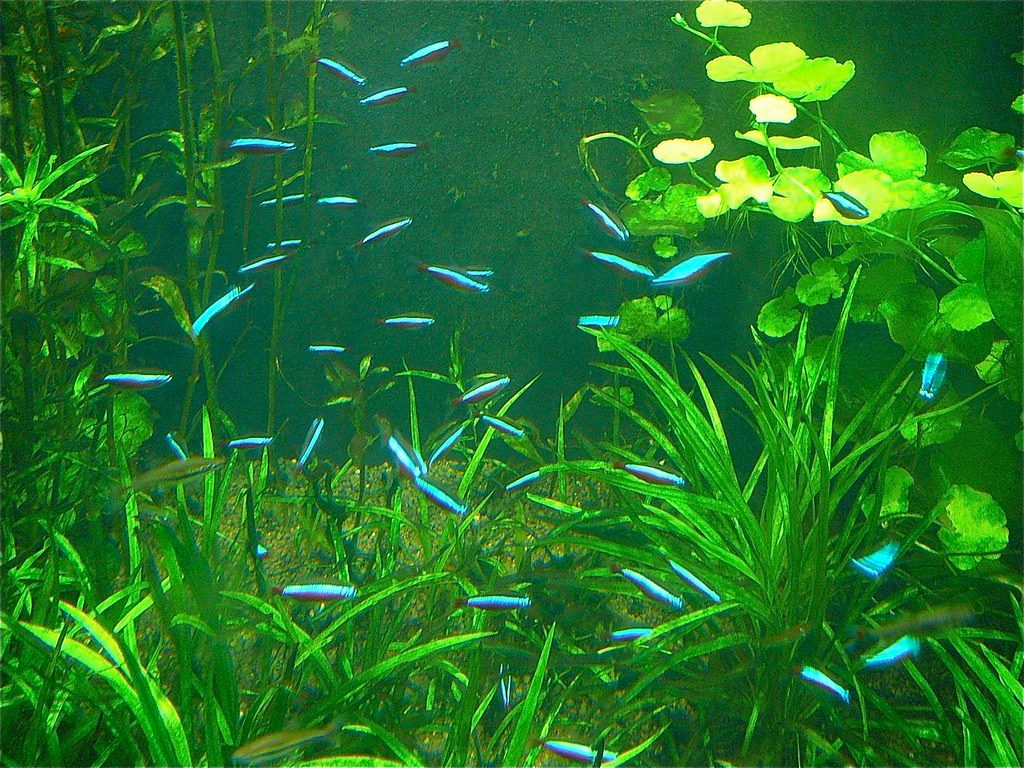
At a glance: Neon tetra (Paracheirodon innesi)
- Temperature
- 72–78°F (22–26°C)
- Water pH
- 6.0–7.0
- Adult size
- 1.5 in (4 cm)
- Minimum tank
- 10 gal (20 gal for a proper school)
- Group size
- Groups of 8+
- Temperament
- Peaceful
- Diet
- Omnivore: micro pellets, flakes, frozen daphnia
- Lifespan
- 5–8 years
Keeper’s tip: Add neons only to a fully cycled, stable tank; they are among the first fish to suffer from ammonia swings.
The Natural Instincts of Pterophyllum scalare
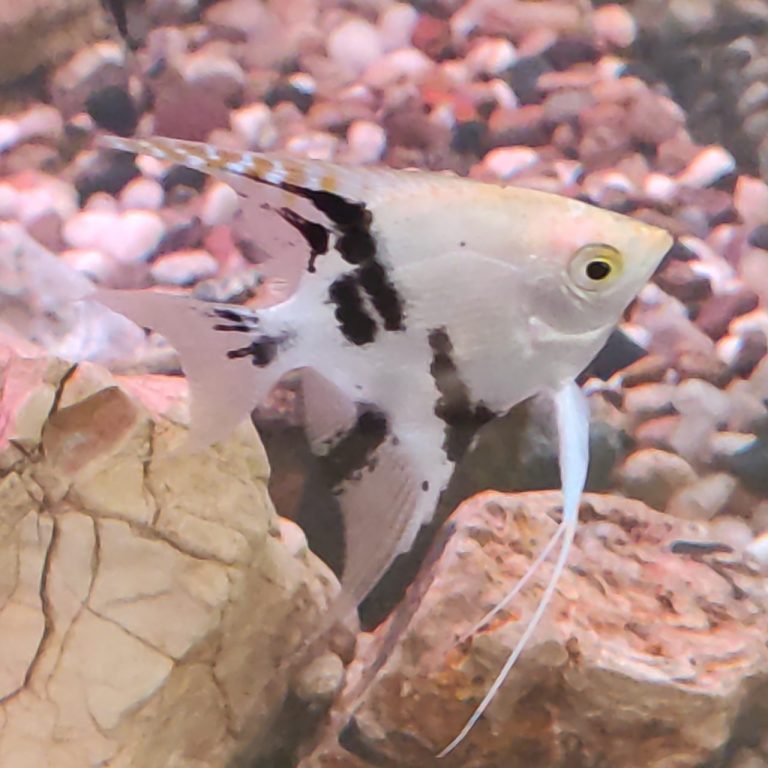
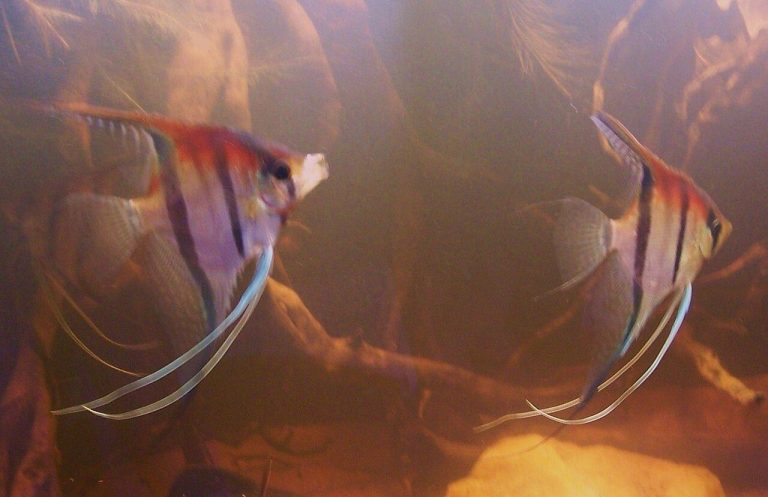
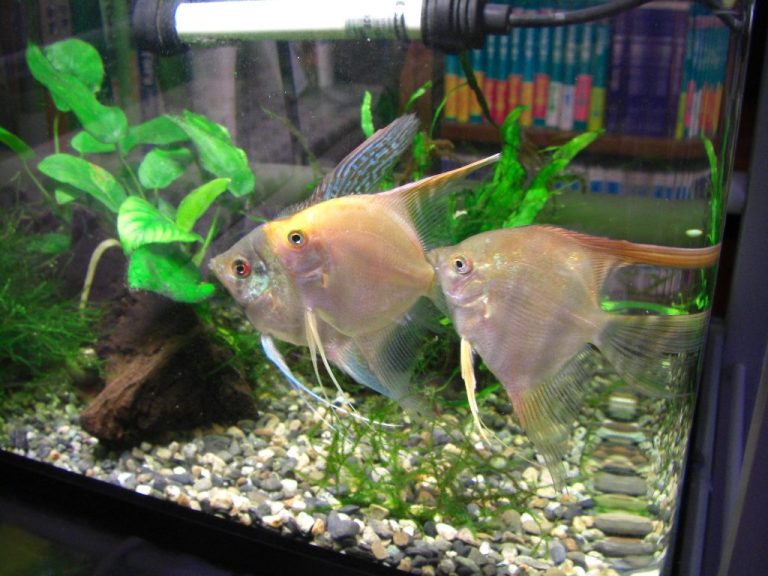
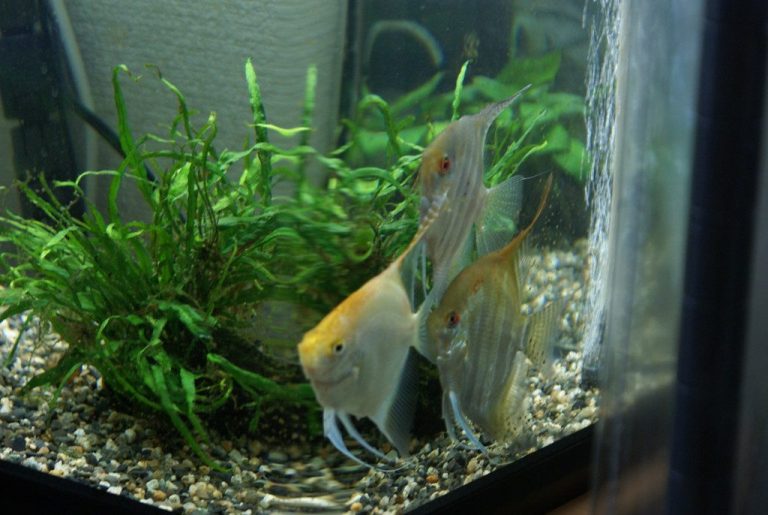
The angelfish, scientifically known as Pterophyllum scalare, is a member of the cichlid family. While they are often sold as “peaceful” community fish when they are the size of a quarter, they do not stay that way for long.
In the wild, angelfish are sophisticated hunters that work through the slow-moving waters of the Amazon. They are built for stealth, using their thin bodies to glide through submerged macrophytes and roots to surprise their prey.
When you place a small fish like the Paracheirodon innesi (neon tetra) in a glass box with a large cichlid, you are essentially providing a live feeding environment. Even the most “docile” captive-bred angelfish still possesses the hardwired instinct to hunt.
Pro Tip: Never assume that because an angelfish was “raised with neons” it will remain peaceful. Predatory instincts often kick in overnight once the angelfish reaches a specific size threshold, leading to the sudden disappearance of your schooling fish.
Understanding Gape Limitation and Feeding Behavior
One of the most important concepts in fish compatibility is gape limitation. This refers to the physical size of a predator’s mouth and its ability to swallow prey whole.
As an angelfish grows, its mouth becomes surprisingly large. A full-grown adult can easily accommodate a 1.5-inch neon tetra without any struggle.
Angelfish also exhibit crepuscular hunting patterns, meaning they are most active and predatory during the dim light of dawn and dusk. This is often when neon tetras are most vulnerable, as their “neon” stripe is designed to help them school in low light, making them easy targets for a hungry predator.
| Feature | Neon Tetra (P. innesi) | Adult Angelfish (P. scalare) |
|---|---|---|
| Max Adult Size | 1.5 Inches | 6 Inches Long / 8+ Inches Tall |
| Trophic Level | Primary Consumer | Secondary Consumer (Predator) |
| Social Structure | Tight Schooling | Pairing/Territorial |
| Dietary Habit | Micro-predator (Insects) | Piscivorous Predation (Fish eater) |
why shouldn’t you keep neon tetras with adult angelfish? The Biological Conflict
The primary reason why shouldn’t you keep neon tetras with adult angelfish is that the neon tetra is a natural prey item for the angelfish in their native habitat. In an aquarium, the tetras have nowhere to run and nowhere to hide once the “King of the Aquarium” decides it is hungry.
Beyond the obvious risk of being eaten, the constant presence of a large predator causes significant stress to small schooling fish. When neons sense a predator, they stay in a state of high alert, which suppresses their immune systems.
I have found that neon tetras kept with large cichlids often suffer from osmotic stress and are much more likely to develop secondary infections. When they are constantly darting away from a lunging angelfish, they expend energy that should be used for growth and health.
Environmental Stress and Health Risks
When you combine these two species, you aren’t just managing personalities; you are managing the health of the entire ecosystem. Stress is the number one precursor to disease in closed aquatic systems.
A stressed neon tetra is a prime candidate for Ichthyophthirius multifiliis, commonly known as Ich. Once one fish in a school is infected, the parasite can quickly spread to the angelfish, creating a tank-wide crisis.
Furthermore, neon tetras are susceptible to Pleistophora hyphessobryconis, or identifying neon tetra disease. This condition is often triggered or worsened by the poor water quality and high stress levels associated with overstocked or incompatible community tanks.
Pro Tip: If you notice your neon tetras huddling in the back corners or behind the filter intake, they are likely being bullied or hunted. This behavior is a clear sign that the tank dynamic is failing.
Recreating the Amazonian Blackwater Biotope
In a true Amazonian blackwater biotope, these fish might exist in the same river system, but they occupy different niches. Neon tetras typically inhabit the shallow, leaf-litter-heavy edges of the forest, while angelfish roam the deeper waters among fallen trees.
In the home aquarium, we often lack the Total Dissolved Solids (TDS) control and the sheer volume of water to provide these distinct zones. When we force them into the same 40 or 50 gallons, the “shallows” and “deeps” become one and the same.
To provide a safe environment, you must help the proper aquarium dimensions are met for both species. However, even in a large tank, the physical size difference remains a permanent threat to the tetras.
Better Tank Mate Alternatives for Angelfish
If you love the look of tetras but want to keep adult angelfish, there are much safer options. The key is to choose “deep-bodied” tetras that are too large to fit into an angelfish’s mouth.
Cardinal tetras are a slightly better choice because they grow larger than neons, but they are still risky. A much safer bet would be Bleeding Heart Tetras, Rummy Nose Tetras, or Lemon Tetras.
When setting up your tank, consulting a comprehensive angelfish care guide can help you understand which companions will do well alongside these majestic cichlids without becoming a midnight snack.
Questions I get asked a lot
Can I keep neon tetras with juvenile angelfish? Yes, temporarily. Many hobbyists find success when both fish are young. However, as the angelfish grows, the risk increases exponentially, and you will eventually need to separate them.
Will plenty of hiding spots save my neon tetras? Hiding spots like submerged macrophytes and driftwood help, but they aren’t a guarantee. Angelfish are patient hunters and will eventually catch the tetras when they come out to feed.
Why do some people say they have kept them together for years? In very large, heavily planted tanks (100+ gallons), the predation rate may be lower. Some individual angelfish may also have lower prey drives, but this is the exception, not the rule.
Are there any other small fish to avoid with angelfish? In addition to neons, you should avoid keeping adult angelfish with small rasboras, endler guppies, or very small shrimp species.
Final thoughts
The answer to why shouldn’t you keep neon tetras with adult angelfish comes down to basic biology and ethical fish keeping. As responsible aquarists, our goal is to provide a stress-free environment where every inhabitant can stay healthy.
Mixing a natural predator with its natural prey in a confined space is a recipe for disaster. While the visual appeal is undeniable, the heartbreak of losing your school of neon tetras is not worth the risk.
If you choose larger, more strong tank mates for your angelfish, you can enjoy a dynamic and peaceful aquarium. Always prioritize the safety and well-being of your fish over a specific aesthetic goal.

- 2003First tank
- 20+Years keeping
- 40+Tanks kept
- 0Sponsored picks
Howard set up his first 10-gallon planted tank in 2003 and lost half of it within six weeks. Two decades and more than forty aquariums later, he writes the guides he wished he had then: clear numbers, the reasons behind them, and what actually goes wrong in home tanks.