Best Plants For An Angelfish Tank – Setup Checklist
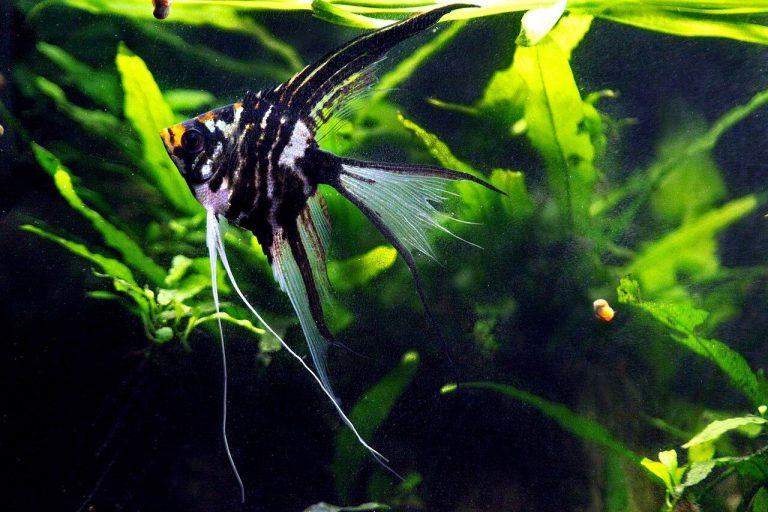
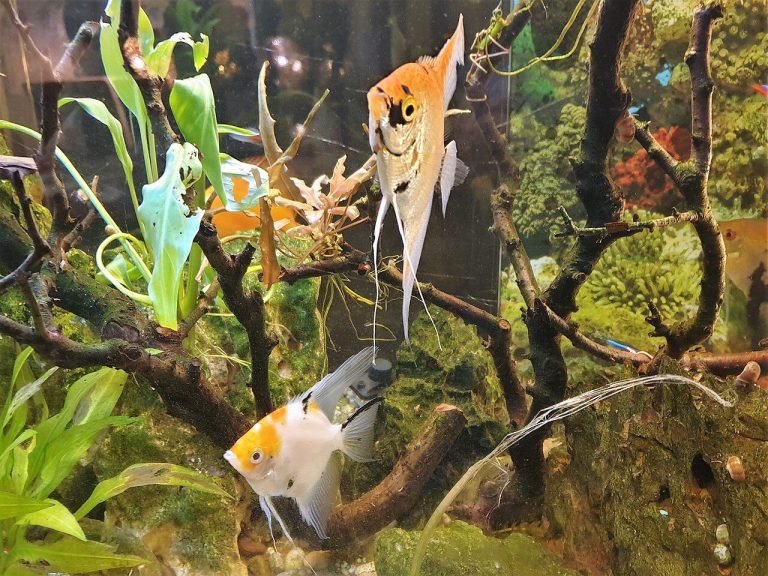
The best plants for an angelfish tank include broad-leafed species like Amazon Swords and Java Ferns, which provide essential vertical spawning surfaces and natural cover that mimics the South American biotope of Pterophyllum scalare.
Creating a beautiful underwater landscape is one of the most satisfying aspects of the aquarium hobby. When you are keeping majestic Pterophyllum scalare, choosing the right greenery is about more than just aesthetics.
The best plants for an angelfish tank serve multiple purposes, from providing security to acting as a natural nursery. In my ten years of keeping these “Kings of the Aquarium,” I have found that a well-planted tank significantly reduces stress and encourages natural behaviors.
In this guide, I will share my hands-on experience to help you select, plant, and maintain a well-kept ecosystem. We will explore species that handle the warm temperatures these fish require while providing the vertical structure they love.
At a glance: Freshwater angelfish (Pterophyllum scalare)
- Temperature
- 76–84°F (24–29°C)
- Water pH
- 6.0–7.5
- Adult size
- 6 in long, 8 in tall (15 × 20 cm)
- Minimum tank
- 30 gal for a pair, 55 gal tall for a group
- Group size
- Pair or group of 5+
- Temperament
- Semi-aggressive, territorial when breeding
- Diet
- Omnivore: pellets, flakes, frozen bloodworm and brine shrimp
- Lifespan
- 10–12 years
Keeper’s tip: Choose a tall tank; height matters more than length for a fish that grows taller than it is long.
Why Live Plants are Essential for Angelfish
Angelfish are naturally found in the slow-moving, plant-heavy waters of the Amazon River basin. Incorporating live plants into your aquarium isn’t just a design choice; it is a way to replicate their natural evolutionary environment.
One of the primary benefits of live vegetation is nitrogenous waste sequestration. Plants naturally absorb nitrates and ammonium, which are byproducts of fish waste that can be harmful in high concentrations.
Furthermore, plants contribute to photosynthetic oxygenation during the daylight hours. This process ensures your water remains oxygen-rich, supporting the high metabolic needs of active cichlids like angelfish.
Pro Tip: Angelfish have a very thin, laterally compressed body shape designed to glide through vertical vegetation. If your tank is too “open,” your fish may feel exposed and hide constantly. Always aim for tall, thin plants to help them feel at home.
Beyond water chemistry, plants provide a sense of security. When angelfish feel safe, their colors become more vivid, and they are much more likely to display interesting social interactions with their tank mates.
If you are looking to expand your knowledge on their general needs, I highly recommend checking out this comprehensive guide to keeping these kings. It covers everything from diet to behavioral traits.
Selecting the Best Plants for an Angelfish Tank: Top Species
When searching for the best plants for an angelfish tank, you must prioritize species that can flourish in warmer water. Most angelfish prefer temperatures between 78°F and 84°F, which can be too hot for some common aquatic plants.
Amazon Swords (Echinodorus grisebachii)
The Amazon Sword, or Echinodorus grisebachii, is arguably the most iconic choice for any South American setup. These broad-leafed macrophytes provide the perfect vertical spawning substrate for breeding pairs.
In my experience, a healthy Amazon Sword can easily reach the top of a 55-gallon tank. Their massive root systems are excellent at anchoring the plant, even if your fish decide to peck at the substrate.
They are heavy root feeders, so you will need to provide root tabs regularly. Without adequate iron and nutrients in the substrate, the leaves may turn yellow and become brittle over time.
Jungle Vallisneria (Vallisneria americana)
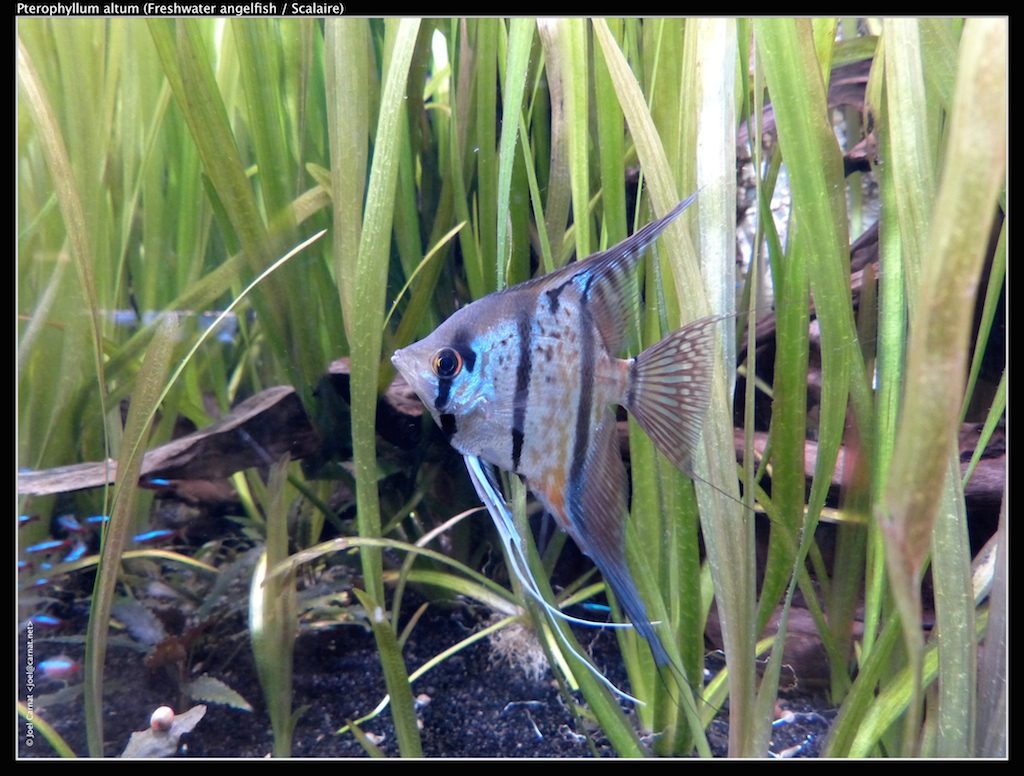
If you want to create a “forest” effect, Vallisneria americana is your best friend. These plants grow tall, ribbon-like leaves that sway gently in the current, mimicking the riverbanks of the Amazon.
They are incredibly hardy and spread via runners, quickly filling in the background of your aquarium. This provides an excellent backdrop that makes the colors of your fish really pop.
Because they grow so tall, they are perfect for taller tanks. Angelfish love to swim between the “blades” of grass, using them as both a playground and a hiding spot from dominant tank members.
Java Fern (Microsorum pteropus)
For those who prefer a low-maintenance approach, Microsorum pteropus is a fantastic option. Unlike the plants mentioned above, Java Fern should not be buried in the substrate.
Instead, you should attach the rhizome to a piece of driftwood or a rock using fishing line or aquarium-safe glue. This plant is tough, leathery, and rarely eaten by fish, making it very durable.
It does well in lower light conditions, which is helpful if you aren’t using high-intensity LED systems. It is a slow grower, but once established, it creates a beautiful, dark green thicket.
Common Mistake: Never bury the horizontal “root” (rhizome) of Java Fern or Anubias in the sand or gravel. This will cause the plant to rot and die within weeks. Always keep the rhizome exposed to the water column.
Anubias Barteri
Anubias is another epiphytic plant that is nearly indestructible. Its thick, waxy leaves can withstand the occasional “tasting” from curious cichlids without showing damage.
It comes in various sizes, from the tiny ‘Nana’ variety to the larger ‘Gigantea.’ I often use the larger varieties as midground accents to break up the lines of sight in the tank.
Breaking up lines of sight is key if you have a pair of angelfish that has become territorial. By placing an Anubias-covered piece of wood in the center, you can help maintain peace in a peaceful community setup.
Water Parameters for a Planted Angelfish Tank
To help both your fish and your plants settle in, you must find a “sweet spot” in your water chemistry. Angelfish are adaptable, but they shine in soft, slightly acidic conditions.
Plants also have specific requirements, particularly regarding carbonate hardness (KH) and available minerals. Below is a reference table to help you keep your tank within the ideal range.
| Parameter | Ideal Range for Angelfish & Plants | Why It Matters |
|---|---|---|
| Temperature | 78°F – 82°F (25.5°C – 28°C) | Metabolism and tropical plant health. |
| pH Level | 6.5 – 7.5 | Nutrient availability and fish comfort. |
| General Hardness (GH) | 3 – 8 dGH | Provides essential minerals like Calcium. |
| Carbonate Hardness (KH) | 2 – 5 dKH | Buffers pH to prevent dangerous swings. |
| Nitrates (NO3) | 5 – 20 ppm | Food for plants; toxic to fish if too high. |
Maintaining these levels will promote leafy growth while keeping your Pterophyllum scalare remain healthy. If you are interested in the different strains of these fish, you might enjoy understanding different varieties available to hobbyists.
Creating a South American Biotope Aesthetic
To show off the beauty of the best plants for an angelfish tank, consider a biotope-inspired layout. This involves using natural materials like driftwood and sand to complement your plants.
I always start by placing large pieces of Manzanita or Spider Wood vertically. This mimics the sunken branches and roots found in the Amazon River, providing structure for the fish to swim through.
Next, I plant the taller species like Jungle Val and Amazon Swords toward the back and sides. This creates a “U-shaped” swimming area in the center where the angelfish can display their fins.
Adding some dried Indian Almond leaves to the foreground can also help. These release tannins that slightly tint the water, which is both aesthetically pleasing and beneficial for the fish’s immune system.
Lighting Requirements
While many of the plants listed are considered “low-light,” angelfish tanks are often deep. Standard kit lights might not reach the bottom of a 24-inch tall aquarium effectively.
I suggest investing in a full-spectrum LED light with a timer. This ensures your plants get a consistent 8-10 hours of light, which is necessary for sturdy growth and bright colors.
If you notice your Amazon Swords are growing tall but thin, they may be reaching for more light. Conversely, if you see an explosion of green hair algae, you may need to reduce the light duration.
Maintenance and Care Tips
Keeping a planted tank requires a bit more effort than a plastic-decorated one, but the rewards are worth it. Pruning is a necessary task to prevent faster-growing plants from shading out the others.
I make it a habit to trim dead or decaying leaves every week during my water change. This prevents the decaying matter from adding extra organics to the water, which can trigger algae blooms.
Don’t forget to fertilize. Even with fish waste, plants often need supplemental potassium and micronutrients. I use a high-quality liquid fertilizer once a week to keep everything looking leafy.
Pro Tip: If your angelfish are breeding, they will vigorously clean a leaf before laying eggs. If you notice them “pecking” a specific leaf on your Amazon Sword, avoid trimming that leaf, even if it looks slightly damaged.
Substrate choice also matters. While plain sand looks great, using a specialized plant substrate underneath the sand can provide a massive boost to root-heavy plants like Echinodorus.
Common Challenges with Plants and Angelfish
One challenge I often hear about is angelfish “attacking” plants. While they aren’t dedicated herbivores like some African cichlids, they are curious and may nibble on soft new growth.
This is why I recommend plants with tougher leaves, such as Anubias and Java Fern. If you choose softer plants like Hygrophila, ensure your fish are well-fed with a varied diet to discourage grazing.
Algae is another common hurdle. In a high-nutrient environment with bright lights, algae can quickly cover your beautiful broad-leafed plants. Balancing your light and nutrients is the biggest factor.
Sometimes, angelfish can be messy eaters. Leftover food that gets trapped in the leaves can rot. I always recommend having a “cleanup crew” of Corydoras or Bristlenose Plecos to help keep the plant surfaces clean.
Reader questions
Do angelfish eat aquarium plants?
Generally, no. Angelfish may occasionally peck at plants to find bits of food or to clean a surface for spawning, but they rarely consume the plants themselves. Using tough-leafed varieties makes sure your scape remains intact.
Can I keep floating plants with angelfish?
Yes, floating plants like Amazon Frogbit or Salvinia are excellent. They help shade the tank, which angelfish appreciate, and they are incredible at removing excess nitrates from the water column.
How many plants should I put in my angelfish tank?
There is no strict number, but I recommend covering at least 50-70% of the background and midground. This provides enough cover for the fish to feel secure while leaving open space for swimming.
What is the best substrate for these plants?
A combination of a nutrient-rich base layer (like fluorite or aquasoat) topped with a fine, smooth gravel or sand works best. This allows roots to spread easily while protecting the delicate fins of bottom-dwelling tank mates.
Before you go
Selecting the best plants for an angelfish tank is about balancing the needs of your fish with the requirements of the flora. If you choose species like Amazon Swords, Jungle Val, and Java Fern, you create a functional and striking environment.
A successful aquarium is a small ecosystem. When your plants are healthy, they provide the oxygen, filtration, and security your angelfish need to reach their full potential.
I hope this guide has given you the confidence to start your own planted Amazonian journey. With a little patience and the right species, your angelfish will reward you with years of beauty and grace.

- 2003First tank
- 20+Years keeping
- 40+Tanks kept
- 0Sponsored picks
Howard set up his first 10-gallon planted tank in 2003 and lost half of it within six weeks. Two decades and more than forty aquariums later, he writes the guides he wished he had then: clear numbers, the reasons behind them, and what actually goes wrong in home tanks.