Do Angelfish Need Live Plants – For A Healthy And Thriving Aquarium?
Angelfish do not strictly require live plants to survive, but they are highly recommended. Live plants improve water quality, provide essential hiding spots to reduce aggression, and offer natural surfaces for spawning behavior.
Bringing home your first Pterophyllum scalare is a milestone for any aquarist. These fish carry a regal presence that few other freshwater species can match.
In my 12 years of maintaining South American biotope tanks, I have often been asked: do angelfish need live plants to be happy? While the short answer is no, the long answer is that your fish will live a much more enriched life with them.
When I first started, I used bright plastic plants because they were easy to clean. However, I noticed my angelfish were skittish and their colors were muted.
The moment I transitioned to a planted setup, their behavior transformed. They became bolder, more active, and their natural instincts began to shine through in ways I had never seen before.
To understand the proper care of these fish, we must look at where they come from. By mimicking their natural environment, we reduce their stress and extend their lifespan.
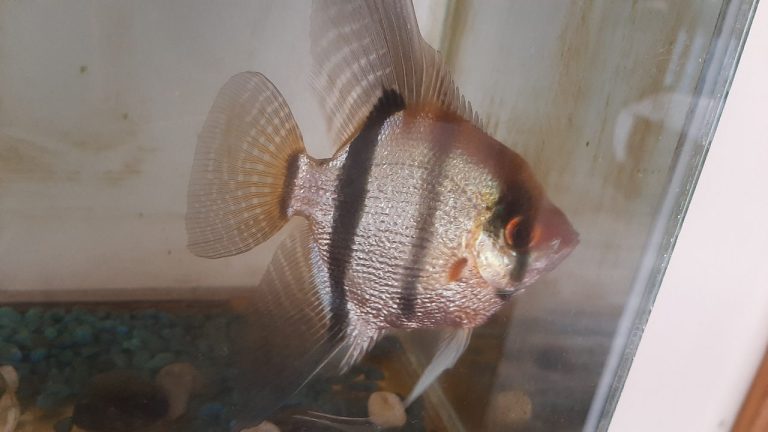
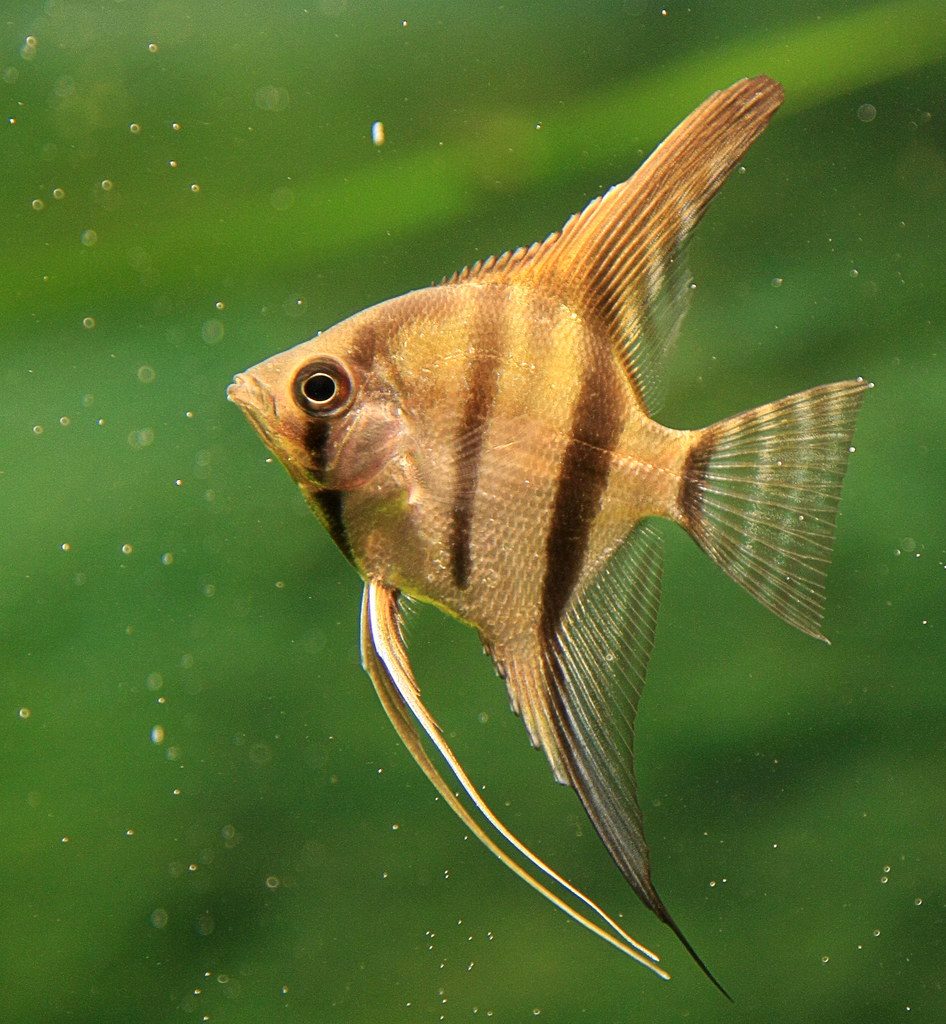
At a glance: Freshwater angelfish (Pterophyllum scalare)
- Temperature
- 76–84°F (24–29°C)
- Water pH
- 6.0–7.5
- Adult size
- 6 in long, 8 in tall (15 × 20 cm)
- Minimum tank
- 30 gal for a pair, 55 gal tall for a group
- Group size
- Pair or group of 5+
- Temperament
- Semi-aggressive, territorial when breeding
- Diet
- Omnivore: pellets, flakes, frozen bloodworm and brine shrimp
- Lifespan
- 10–12 years
Keeper’s tip: Choose a tall tank; height matters more than length for a fish that grows taller than it is long.
The Natural Habitat of the Majestic Angelfish
In the wild, angelfish inhabit the slow-moving waters of the Amazon River basin. These areas are densely packed with fallen branches, submerged tree roots, and thick aquatic vegetation.
This environment provides them with protection from larger predators. Because angelfish have a thin, disc-like body shape, they are perfectly evolved to glide between vertical plant stems.
The presence of plants in their wild environment creates a complex 3D maze. This complexity is exactly what we try to replicate in a home aquarium to make them feel secure.
Why Do Angelfish Need Live Plants for Ideal Health?
While you can keep angelfish in a “hardscape-only” tank with just rocks and wood, live plants offer biological advantages that inorganic decor cannot match.
The most significant benefit is nitrate assimilation. Plants act as a secondary biological filter, absorbing harmful waste products that build up between water changes.
This process, often referred to as phytoremediation, helps keep the water chemistry stable. It helps make sure that your Pterophyllum scalare is swimming in the cleanest water possible.
Improved Water Chemistry and Oxygenation
Live plants contribute to the dissolved oxygen saturation in the water through photosynthesis. During the day, they take in carbon dioxide and release pure oxygen directly into the water column.
This is particularly beneficial for larger fish like angelfish, which require high oxygen levels to flourish. A well-planted tank often feels “fresher” and more vivid than a sterile one.
Furthermore, plants help compete with algae for nutrients. By soaking up excess phosphates and nitrates, they prevent the unsightly green film that often plagues beginner tanks.
Stress Reduction and Line-of-Sight Occlusion
Angelfish can be surprisingly territorial, especially as they reach maturity. In a bare tank, a dominant fish can see its subordinates from across the room.
Live plants provide line-of-sight occlusion. This means that a bullied fish can easily duck behind a large leaf to escape the gaze of an aggressive tank mate.
Without these visual breaks, the constant stress of being chased can weaken a fish’s immune system. This often leads to diseases like Fin Rot or Hexamita that could have been avoided with better decor.
Pro Tip: When aquascaping for angelfish, place taller plants like Jungle Val in the corners and background. This creates a “safe zone” for lower-ranking fish to hide while leaving the center open for the majestic swimming displays angelfish are known for.
Do Angelfish Need Live Plants for Successful Spawning?
If you ever intend to breed your angelfish, live plants are almost a necessity. In nature, they seek out a vertical spawning substrate to deposit their eggs.
Broad-leaved plants like Echinodorus amazonicus (the Amazon Sword) are the gold standard for this. The parents will spend hours cleaning a single leaf before the female lays her eggs in neat rows.
The texture of a real leaf is much more appealing to them than a plastic one. It allows the parents to “fan” the eggs more effectively, ensuring a constant flow of fresh water over the developing fry.
Infusoria Cultivation and Biofilm Sequestration
Once the eggs hatch, the fry need microscopic food to survive their first few days. Live plants are a breeding ground for infusoria cultivation.
The leaves of live plants facilitate biofilm sequestration, where a thin layer of healthy bacteria and microorganisms grows. Tiny fry will graze on this biofilm throughout the day.
This natural food source is often the difference between a successful spawn and losing the entire clutch. It provides a constant supply of protein that artificial powders simply cannot replicate.
Best Live Plant Species for Your Angelfish Tank
Not all plants are created equal when it comes to the specific needs of an angelfish. You want species that are hardy, grow tall, and can withstand the slightly warmer temperatures angelfish prefer.
I have tested dozens of species over the years. Below is a comparison of the most successful plants I have used in my own angelfish galleries.
| Plant Species | Growth Type | Benefit for Angelfish | Care Level |
|---|---|---|---|
| Amazon Sword (E. amazonicus) | Rosette / Large Leaf | Primary spawning site; great cover. | Easy (Requires root tabs) |
| Jungle Val (Vallisneria gigantea) | Tall / Grass-like | Mimics river reeds; hides equipment. | Very Easy |
| Anubias Barteri | Rhizome / Tough Leaf | Low-light hardy; good for midground. | Beginner |
| Java Fern | Rhizome / Vertical | Provides intricate hiding spots. | Beginner |
| Water Sprite | Floating or Planted | Deters jumping; high nitrate removal. | Easy / Fast Growing |
Common Challenges and How to Overcome Them
If you are hesitating because you think live plants are too much work, you are not alone. Many hobbyists worry about lighting, CO2, and “melting” plants.
The truth is that many of the plants listed above are extremely resilient. You don’t need a high-tech CO2 system to grow a leafy forest for your angelfish.
The biggest mistake I see is people planting “heavy root feeders” like Amazon Swords in plain gravel without any nutrients. These plants eat through their roots, not just from the water.
Pro Tip: If you use an inert substrate like sand or gravel, always tuck a fertilizer “root tab” under your Amazon Swords every 3 months. This provides the iron and minerals they need to keep those broad leaves green and strong for spawning.
Dealing with Plant-Eating Behavior
Do angelfish eat plants? Occasionally, yes. While they are primarily carnivores, they will sometimes peck at soft, new growth or algae on leaves.
I have found that if my angelfish are picking at my plants, it usually means they need more greens in their diet. Supplementing with a high-quality spirulina flake often stops this behavior immediately.
If you have particularly “nippy” fish, stick to tough-leaved plants like Anubias or Java Fern. These are much harder for fish to damage than delicate mosses or stem plants.
Creating a Balanced Community Tank
When considering if do angelfish need live plants, you should also think about their neighbors. Many compatible tank mates also rely on plants for survival.
Small tetras or corydoras use the lower levels of the plants to forage and hide. A planted tank creates different “zones” of activity, allowing a community to live in harmony.
Without plants, a community tank can quickly become a stressful environment where everyone is constantly in each other’s space. Plants act as natural room dividers for your aquatic pets.
Maintenance Schedule for a Planted Angelfish Tank
Making sure a planted tank doesn’t have to be a full-time job. With a simple routine, you can maintain a beautiful environment that supports your fish’s health.
- Weekly: Perform a 25% water change and prune any yellowing leaves.
- Bi-Weekly: Clean the glass and check the intake of your filter for stray plant debris.
- Monthly: Check plant growth and move any species that are being shadowed by taller neighbors.
- Quarterly: Replace root tabs for heavy feeders like Swords and Crypts.
If you follow this schedule, you make sure the phytoremediation properties of your plants remain at peak efficiency. This keeps the water crystal clear and the fish colorful.
FAQ
Can I use silk plants instead of live ones?
Yes, silk plants are a decent alternative if you are not ready for live ones. They are soft and won’t tear the long, flowing fins of your angelfish like cheap plastic plants can. However, they provide none of the water-purification benefits of real plants.
Will live plants make my tank dirty?
Actually, the opposite is true. While plants may drop an occasional leaf, they actively remove fish waste (nitrates) from the water. A tank with healthy live plants often requires less frequent deep-cleaning than a plastic-decorated tank.
Do I need special lights for these plants?
Most of the plants recommended for angelfish, like Java Fern and Anubias, are low-light species. A standard LED light that comes with most aquarium kits is usually sufficient to keep them alive and growing.
How many plants should I start with?
I recommend starting with 3 to 5 large plants for a 29-gallon or 55-gallon tank. This provides immediate cover for the fish without overwhelming you with maintenance as a beginner.
Putting it all together
So, do angelfish need live plants? While they can survive in a tank with artificial decor, they will never settle in or display their full range of natural behaviors without them.
Live plants provide the security, water quality, and spawning surfaces that these “Kings of the Aquarium” deserve. They transform a glass box into a living, breathing ecosystem.
If you are nervous about starting, I suggest picking up a single Amazon Sword and a handful of Java Fern. You will likely find that as your plants grow, your angelfish become more confident, colorful, and engaging.
Investing in a few real plants is one of the best things you can do for the long-term health and happiness of your Pterophyllum scalare. Your fish will thank you with years of majestic beauty and perhaps even a few clutches of eggs.

- 2003First tank
- 20+Years keeping
- 40+Tanks kept
- 0Sponsored picks
Howard set up his first 10-gallon planted tank in 2003 and lost half of it within six weeks. Two decades and more than forty aquariums later, he writes the guides he wished he had then: clear numbers, the reasons behind them, and what actually goes wrong in home tanks.