Do Angelfish Eat Live Plants? A Complete Guide To A Lush Angelfish
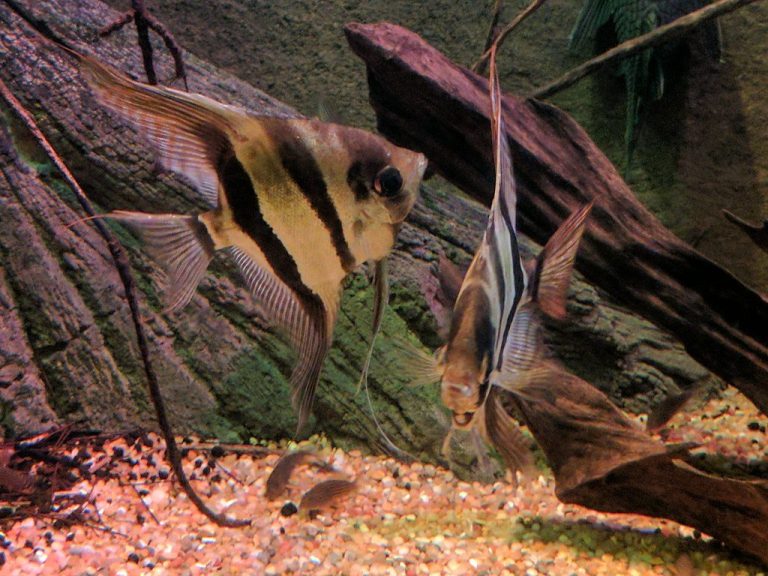
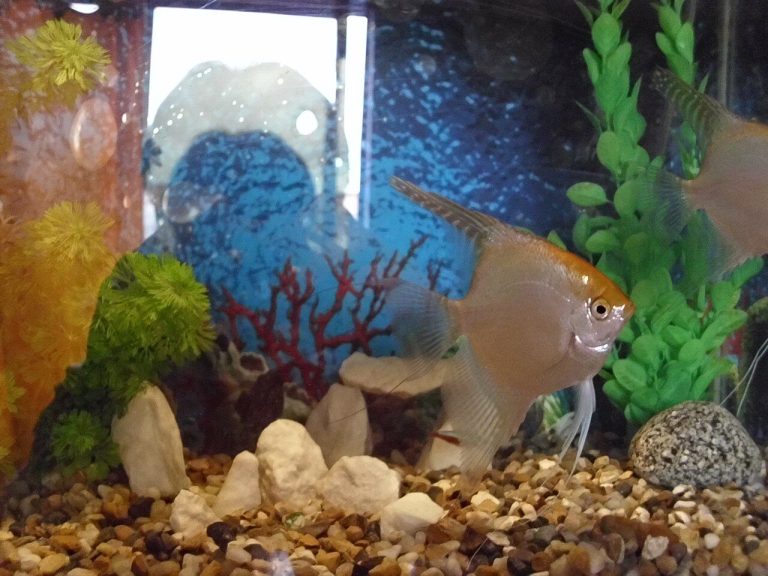
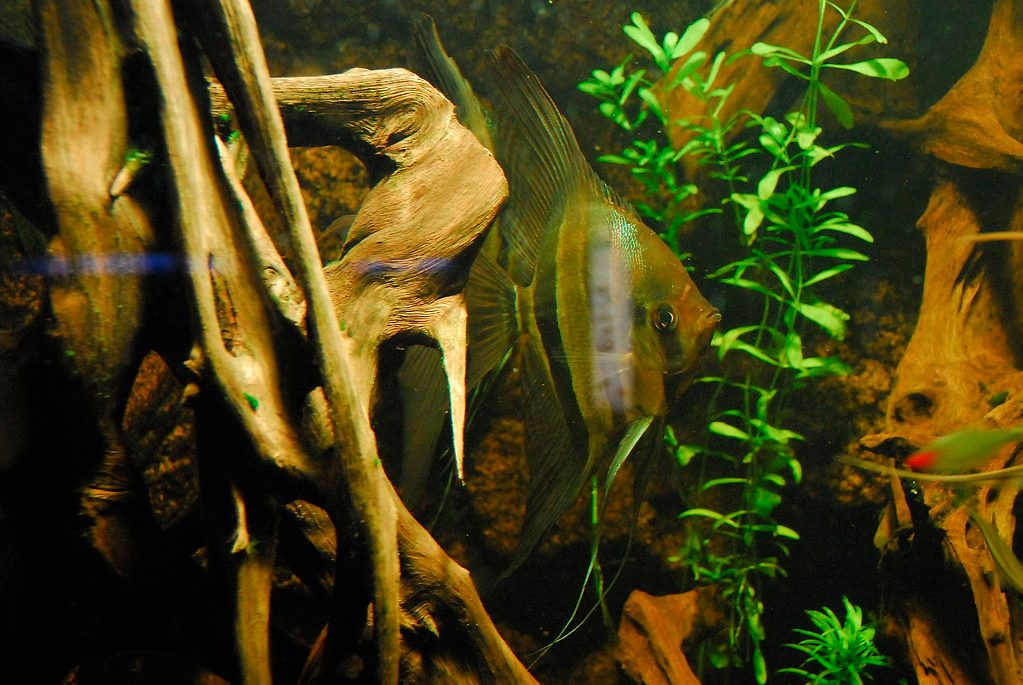
Angelfish are primarily omnivores and generally do not eat most live plants. However, they may occasionally nibble on soft-leaved varieties if they are hungry, seeking minerals, or cleaning broad leaves for spawning purposes.
One of the most common questions I receive from new hobbyists is whether these majestic “Kings of the Aquarium” will turn a carefully curated aquascape into a salad bar. It is a valid concern because nobody wants to spend hours planting only to have their hard work destroyed.
In my experience, the relationship between Pterophyllum scalare and aquatic greenery is quite peaceful. While they aren’t strict vegetarians like some African cichlids, their behavior toward plants is nuanced and depends on several factors.
Understanding why your fish might be picking at your greens is the first step toward a flourishing tank. Let’s look closely at the dietary habits and behavioral quirks of these iconic freshwater species to ensure your plants and fish coexist beautifully.
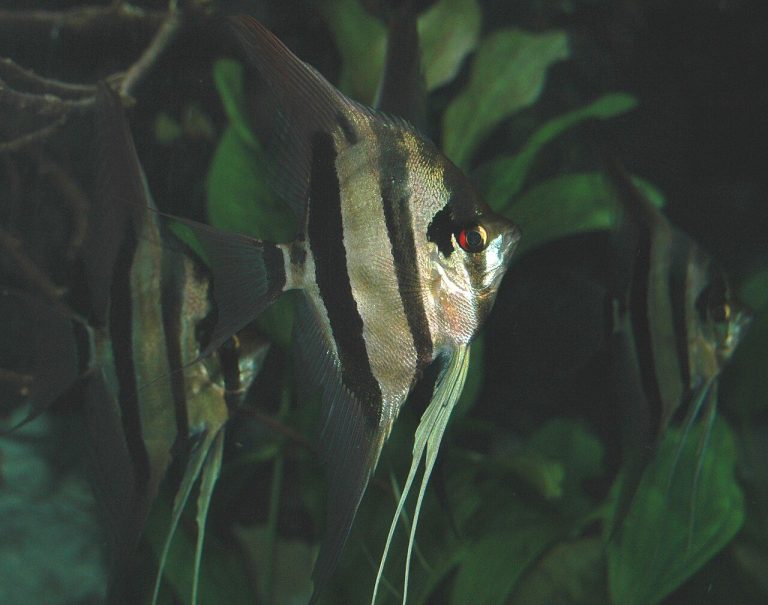
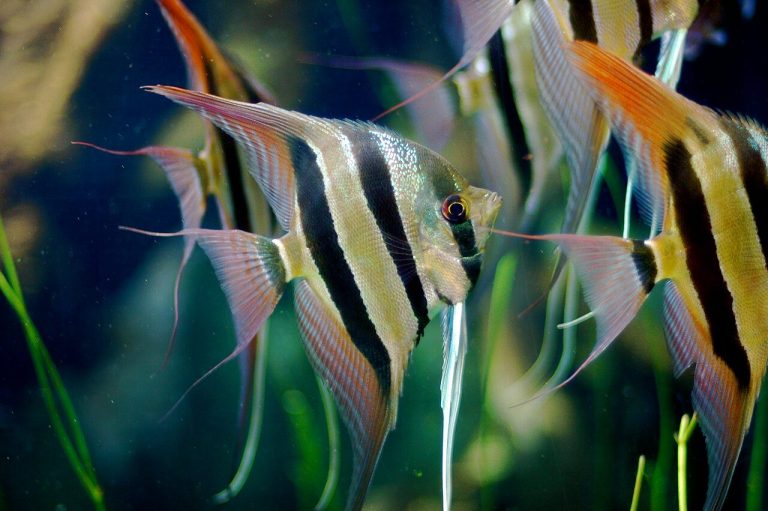
At a glance: Freshwater angelfish (Pterophyllum scalare)
- Temperature
- 76–84°F (24–29°C)
- Water pH
- 6.0–7.5
- Adult size
- 6 in long, 8 in tall (15 × 20 cm)
- Minimum tank
- 30 gal for a pair, 55 gal tall for a group
- Group size
- Pair or group of 5+
- Temperament
- Semi-aggressive, territorial when breeding
- Diet
- Omnivore: pellets, flakes, frozen bloodworm and brine shrimp
- Lifespan
- 10–12 years
Keeper’s tip: Choose a tall tank; height matters more than length for a fish that grows taller than it is long.
Do angelfish eat live plants: Understanding their behavior
To answer the question “do angelfish eat live plants,” we must first look at their omnivorous dietary classification. In the wild, their diet consists of small crustaceans, aquatic insects, and a small amount of plant matter.
Unlike some fish that possess specialized enzymes for cellulose digestion, angelfish are not designed to consume large quantities of tough plant fibers. They prefer protein-rich foods but will snack on soft vegetation if the opportunity arises.
I have noticed that most “eating” behavior is actually just curious pecking. They often graze on the biofilm and algae that grow on leaf surfaces rather than the plant tissue itself.
Pro Tip: If you see your angelfish nipping at a leaf, look closely at the plant’s health. They are often attracted to plant tissue necrosis (dying parts), which is much softer and easier for them to consume than healthy, turgid leaves.
Why angelfish might nibble on your greenery
If you find your angelfish are actually taking chunks out of your plants, there is usually an underlying reason. It is rarely a sign of aggression and more often a sign of a specific need not being met.
One common reason is a lack of fiber in their daily diet. Even though they love bloodworms and brine shrimp, they still require some vegetable matter to keep their digestive systems moving smoothly.
Another factor is boredom or curiosity, especially in younger fish. Juvenile angelfish are notoriously inquisitive and will “taste” everything in their environment as they explore their surroundings.
Dietary deficiencies and mineral needs
When an angelfish doesn’t get enough vitamins from its food, it may turn to your live plants as a supplement. Providing a high-quality flake or pellet that includes spirulina can often stop this behavior immediately.
I always recommend a varied diet to prevent this. Using a mix of frozen, live, and high-quality dry foods ensures they aren’t looking at your Vallisneria spiralis as a necessary snack.
Breeding and spawning behavior
During the breeding season, angelfish behavior changes significantly. They become very protective and start “cleaning” potential spawning sites, which often include broad-leaved plants.
They use their mouths to scrub the surface of the leaf to remove debris and algae. This can look like they are eating the plant, but they are actually just preparing a clean spot for their eggs.
Best plants for an angelfish aquarium
Choosing the right species is the best way to keep your plants survive. Some plants are simply too tough for an angelfish to damage, while others provide the perfect structural support for their tall bodies.
In my decade of keeping these fish, I have found that “tough” and “broad” are the two keywords to remember. You want plants that can withstand a bit of curiosity and provide a natural feel to the habitat.
| Plant Species | Leaf Type | Benefit for Angelfish |
|---|---|---|
| Amazon Sword (Echinodorus grisebachii) | Broad, Sturdy | Primary choice for spawning and egg laying. |
| Anubias (Anubias barteri) | Thick, Waxy | Extremely durable; virtually impossible for fish to eat. |
| Java Fern (Microsorum pteropus) | Tough, Bitter | Tastes bad to most fish and grows on driftwood. |
| Jungle Val (Vallisneria spiralis) | Tall, Ribbon-like | Provides vertical cover that mimics their natural habitat. |
The Amazon Sword: A classic pairing
The Echinodorus grisebachii, or Amazon Sword, is the quintessential plant for any angelfish tank. Its broad leaves offer the perfect platform for breeding pairs to deposit their eggs.
These plants do require substrate fertilization through root tabs to stay healthy. A healthy sword plant is less likely to develop the soft, decaying spots that might tempt an angelfish to nibble.
Durable options: Anubias and Java Fern
If you are worried about “do angelfish eat live plants” in your specific setup, go with Anubias barteri. Its leaves are so thick and waxy that most fish find them completely unappealing.
Similarly, Microsorum pteropus (Java Fern) is known for having a bitter taste. Even the most persistent “nibblers” will usually take one bite and decide it isn’t worth the effort.
Soft plants to avoid with angelfish
While angelfish are generally safe, there are some delicate plants that might not fare well. Fine-leaved or very soft plants are the most susceptible to damage from curious fish.
I once tried to keep a carpet of Monte Carlo in a tank with a group of hungry juveniles. Within a week, they had pulled up half of it just by picking at small bits of food stuck in the foliage.
Plants like Hornwort or Cabomba can also be problematic. Their needle-like leaves are easily broken, and if the fish decide to graze on them, you might end up with a lot of floating debris.
Common Mistake: Many hobbyists assume that if a fish isn’t “eating” a plant, the plant is safe. However, large angelfish can accidentally uproot small, shallow-rooted plants while searching for food in the substrate.
Maintaining water quality for plants and fish
Keeping both your fish and your plants healthy requires a delicate balance of nutrients. High nitrate concentration can be harmful to fish but is necessary in small amounts for plant growth.
When I first started, I struggled to keep my plants green while keeping my angelfish happy. I eventually learned that regular water changes are the best way to manage this balance.
If your plants are struggling, they will begin to rot. This rotting tissue is exactly what attracts fish to start eating the plants, creating a cycle of destruction in your tank.
Properly managing your Angelfish Care Guide routines will help your water stays clean. This prevents the stress that often leads to erratic feeding behaviors in your fish.
How to stop angelfish from eating plants
If you notice your fish are becoming a bit too fond of your greenery, there are several strategies you can employ. Most of these involve redirecting their natural instincts toward more appropriate targets.
The first step is to increase the frequency of feedings but decrease the amount per feeding. This keeps the fish satiated throughout the day, making them less likely to scavenge on your plants.
You can also introduce “target feeding” with blanched vegetables. A slice of zucchini or a leaf of blanched spinach can provide the vegetable matter they crave without sacrificing your aquascape.
Boosting the diet
Make sure you are using foods specifically designed for omnivorous cichlids. These often contain the right balance of proteins and plant-based ingredients to satisfy all their nutritional requirements.
I have found that high-quality spirulina flakes are a real improvement. Once I added these to my rotation, my unique varieties of angelfish stopped bothering my delicate stem plants entirely.
Strategic planting techniques
Place your most delicate plants in areas where the fish don’t frequently hang out. Angelfish love the middle and upper layers of the tank, so low-growing mosses are usually safer than tall, soft stems.
Using driftwood or rocks to protect the base of your plants can also prevent uprooting. This is especially helpful if you have larger, more active adults that might bump into things.
Things people often ask
Do angelfish eat duckweed or other floating plants?
They might occasionally peck at the roots of floating plants, but they rarely consume the entire plant. Floating plants are actually great for angelfish as they provide shade and a sense of security.
Will angelfish eat algae off of plants?
Yes, they frequently graze on algae and biofilm. This is actually beneficial for your tank and should not be confused with the fish eating the actual plant tissue.
Can I keep a carpeted tank with angelfish?
It is possible, but challenging. Larger angelfish may uproot delicate carpeting plants while searching for food, so make sure the carpet is well-established before adding the fish.
Why are my angelfish tearing the leaves of my Amazon Sword?
This usually happens during spawning. They are cleaning the leaf vigorously to prepare it for eggs. While it might cause some minor mechanical damage, it is a natural and temporary behavior.
Do certain varieties of angelfish eat more plants than others?
In my experience, the variety (like Marble, Gold, or Koi) doesn’t matter as much as the individual’s personality and hunger levels. All Pterophyllum scalare share the same basic dietary instincts.
Conclusion: Creating a harmonious aquascape
So, do angelfish eat live plants? The short answer is no, not usually. While they might nibble on soft growth or “clean” leaves for breeding, they are not destructive herbivores.
If you choose hardy plants like Anubias and Amazon Swords, you can create a eye-catching underwater forest that your angelfish will love. These plants provide the vertical structure these fish need to feel safe and display their best colors.
A well-fed fish is a well-behaved fish. Provide a diverse diet, keep your water parameters stable, and your angelfish will be the perfect residents for your planted aquarium.
, and may your tank always be leafy and your fish always majestic.

- 2003First tank
- 20+Years keeping
- 40+Tanks kept
- 0Sponsored picks
Howard set up his first 10-gallon planted tank in 2003 and lost half of it within six weeks. Two decades and more than forty aquariums later, he writes the guides he wished he had then: clear numbers, the reasons behind them, and what actually goes wrong in home tanks.