Are Angelfish Hardy Fish? A Complete Guide To Keeping Resilient
Angelfish are considered moderately hardy, especially captive-bred varieties which adapt well to various water conditions. While resilient, they require stable water chemistry and a fully cycled tank to flourish and reach their full lifespan.
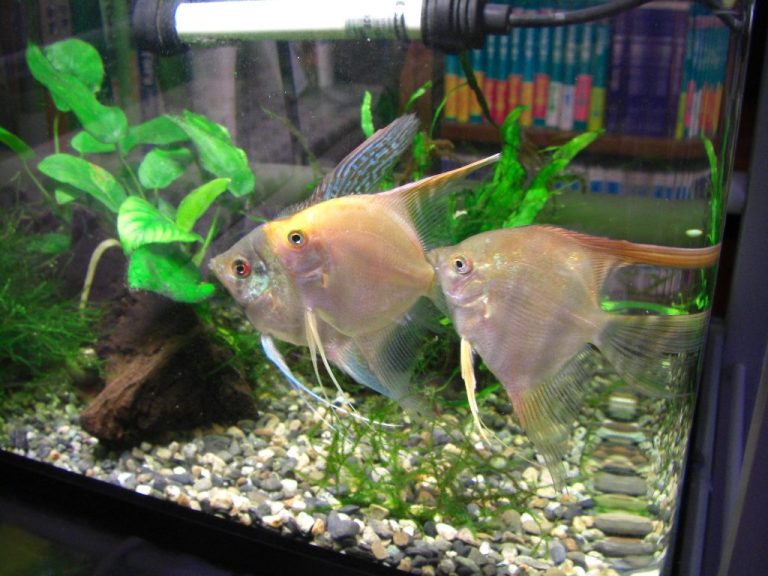
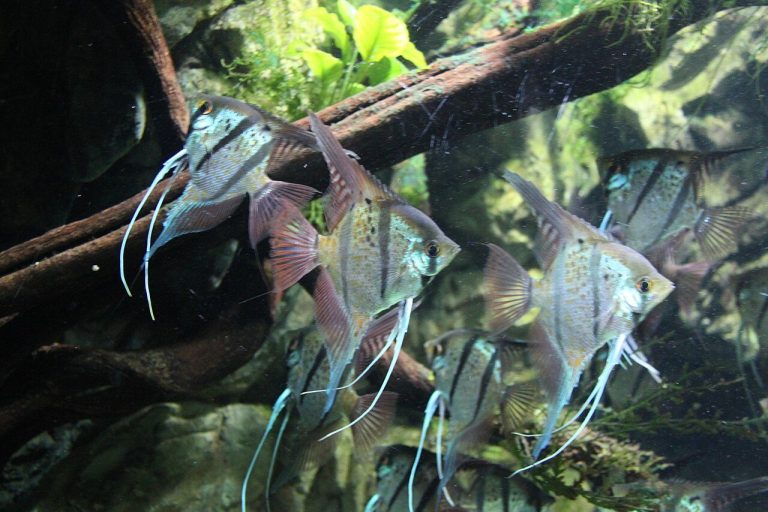
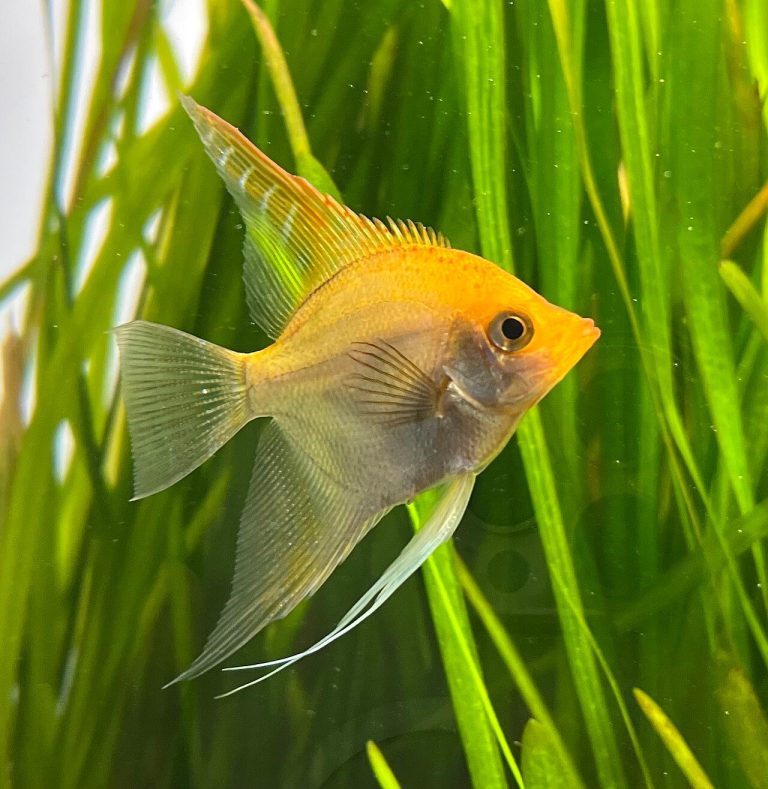
In my decade of keeping freshwater aquariums, few species have commanded as much respect and fascination as the Pterophyllum scalare, more commonly known as the freshwater angelfish. Many newcomers to the hobby often ask, are angelfish hardy fish, especially when they see their delicate, wing-like fins and graceful swimming patterns.
While they may look fragile, these South American cichlids are surprisingly sturdy when their basic needs are met. Over the years, I have seen these “Kings of the Aquarium” withstand minor fluctuations that would have stressed out more sensitive species.
In this guide, we will look closely at the factors that determine their resilience. We will also explore how you can set up your environment to ensure your angelfish live a long, healthy life.
At a glance: Freshwater angelfish (Pterophyllum scalare)
- Temperature
- 76–84°F (24–29°C)
- Water pH
- 6.0–7.5
- Adult size
- 6 in long, 8 in tall (15 × 20 cm)
- Minimum tank
- 30 gal for a pair, 55 gal tall for a group
- Group size
- Pair or group of 5+
- Temperament
- Semi-aggressive, territorial when breeding
- Diet
- Omnivore: pellets, flakes, frozen bloodworm and brine shrimp
- Lifespan
- 10–12 years
Keeper’s tip: Choose a tall tank; height matters more than length for a fish that grows taller than it is long.
Understanding the Resilience of Captive-Bred Angelfish
When people ask are angelfish hardy fish, the answer often depends on the source of the fish. Captive-bred angelfish are significantly more resilient than their wild-caught counterparts found in the Amazon basin.
Most angelfish found in local pet stores today have been raised in domestic water for generations. This selective breeding has given them a much higher tolerance for different pH levels and mineral content than wild specimens.
In my experience, captive-bred strains can handle a wider range of water parameters. This makes them an excellent choice for intermediate keepers who understand the basics of tank maintenance.
Pro Tip: When purchasing your first angelfish, always ask if they were tank-raised locally. These fish are already acclimated to your local tap water chemistry, which drastically reduces the initial stress of moving them into your home aquarium.
The Importance of Nitrogen Cycle Stability
The foundation of hardiness for any fish is Nitrogen cycle stability. Angelfish are cichlids, and like most members of their family, they produce a significant amount of waste as they grow.
A common mistake is introducing these fish into a “new tank” that hasn’t established a strong colony of beneficial bacteria. Without a stable cycle, ammonia levels can spike quickly, leading to disastrous results for your fish.
Angelfish have a relatively low ammonia toxicity threshold. Even small amounts of ammonia or nitrite can burn their gills and weaken their immune systems, making them susceptible to secondary infections.
Ideal Water Parameters for Hardiness
To make sure your angelfish remain hardy, you must provide them with a stable environment. While they are adaptable, they do best when kept within specific ranges that mimic their natural habitat.
Below is a table outlining the ideal water parameters for maintaining healthy, resilient angelfish.
| Parameter | Ideal Range | Importance Level |
|---|---|---|
| Temperature | 76°F – 84°F (24°C – 29°C) | High |
| pH Level | 6.5 – 7.5 | Moderate |
| Carbonate Hardness (KH) | 3 – 8 dKH | Moderate |
| General Hardness (GH) | 5 – 12 dGH | Moderate |
| Ammonia / Nitrite | 0 ppm | Critical |
| Nitrate | < 20 ppm | High |
Maintaining a consistent Carbonate hardness is vital because it acts as a buffer for your pH. If your KH is too low, you may experience rapid pH swings, which can be fatal for your fish.
Similarly, General hardness levels help that your fish have the necessary minerals for metabolic functions. Angelfish are quite flexible here, but consistency is always better than “perfect” numbers that bounce around.
Managing Nitrate Concentration and Water Quality
One of the reasons many hobbyists wonder are angelfish hardy fish is because they sometimes see their fish acting lethargic or losing color. Often, the culprit is a high nitrate concentration.
While angelfish can tolerate higher nitrates than some sensitive shrimp, long-term exposure to levels above 40 ppm will stunt their growth. It also weakens their slime coat, leaving them open to parasites.
I recommend weekly water changes of 25-30% to keep these levels in check. This routine maintenance helps make sure that the water remains fresh and full of the minerals they need for growth.
Disease Resistance and Common Ailments
Angelfish are generally resistant to many common tropical fish diseases, but they are not invincible. One specific parasite to watch out for is Hexamita, which is often associated with “Hole-in-the-Head” disease.
This condition usually arises when the fish is stressed or kept in poor water conditions. If you keep a high dissolved oxygen saturation through proper filtration and surface agitation, you can help your fish stay strong enough to fight off such pathogens.
In my experience, angelfish that are fed a varied diet of high-quality flakes, pellets, and frozen foods like bloodworms are much more resilient. A well-nourished fish has a much stronger immune response than one fed only a single type of food.
Common Mistake: Many beginners keep angelfish in tanks that are too small, such as a 10-gallon or 20-gallon “long” tank. Because angelfish are tall, they require vertical space; keeping them in shallow tanks causes stress and stunts their fins, leading to a much shorter lifespan.
Thermal Shock Resistance and Osmoregulatory Stress
Temperature stability is a cornerstone of angelfish health. While they have some thermal shock resistance, rapid changes in temperature can lead to osmoregulatory stress.
This stress occurs when the fish’s body has to work overtime to maintain its internal salt and water balance. If you are performing a water change, always make sure the new water is within one or two degrees of the tank water.
Using a high-quality heater and a reliable thermometer is non-negotiable. I have seen many hardy angelfish succumb to “Ich” (white spot disease) simply because a heater failed and the temperature dropped overnight.
If you are looking for other resilient species for your community tank, you will find that angelfish play well with others as long as the temperature remains stable for all inhabitants.
Tank Setup for Maximum Hardiness
When evaluating are angelfish hardy fish, we must consider the environment we provide. A stressed fish is never a hardy fish.
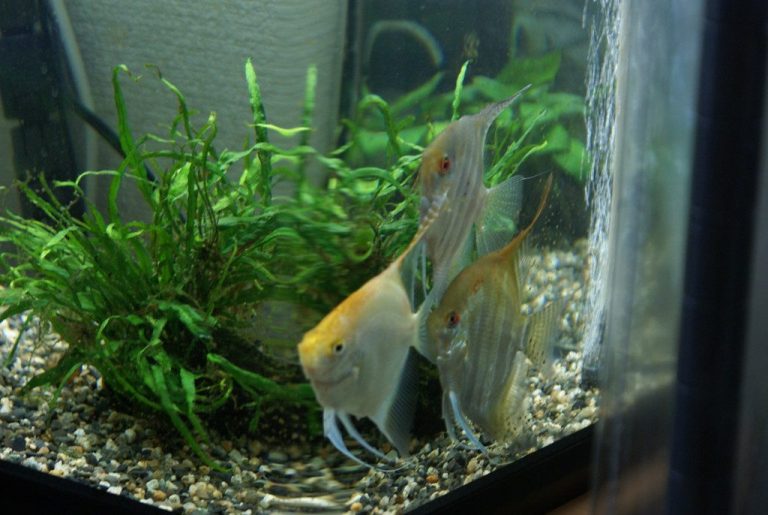
Angelfish are naturally found among roots and tall plants in the Amazon. Providing them with tall plants like Amazon Swords or Vallisneria gives them a sense of security.
When they have places to hide and break their line of sight, their stress levels drop significantly. This is especially important if you are keeping a group, as angelfish can be territorial and aggressive toward one another during spawning.
As typical Amazonian fish, they prefer a slight flow but not a torrential current. Too much flow can exhaust them, as their large fin surface area acts like a sail in the wind.
Feeding for Longevity and Strength
A hardy fish is a well-fed fish. Angelfish are omnivores and flourish on a diet that includes both protein and vegetable matter.
I’ve noticed that angelfish that receive live or frozen foods twice a week show much more bright colors and higher activity levels. To make sure they stay healthy, following a detailed proper angelfish care routine is essential.
Recommended Foods for Angelfish:
- High-quality tropical flakes or granules.
- Frozen brine shrimp and bloodworms.
- Freeze-dried tubifex worms.
- Blanched zucchini or spinach (occasionally).
Questions and answers
Are angelfish good for beginners?
Yes, angelfish are suitable for beginners who have successfully kept easier fish like danios or platies. They do require a larger tank (at least 30-55 gallons) and a commitment to weekly water changes.
Can angelfish live in tap water?
Most captive-bred angelfish can live in tap water, provided it is treated with a de-chlorinator. However, you should check your local water’s pH and hardness to help it isn’t at an extreme end of the spectrum.
Why is my angelfish hiding and not eating?
This is often a sign of stress or poor water quality. Check your ammonia and nitrate levels immediately. If the water is clean, ensure there isn’t a more aggressive tank mate bullying the angelfish.
Do angelfish need a heater?
Absolutely. Angelfish are tropical fish and require temperatures between 76°F and 84°F. Keeping them in unheated water will lead to a suppressed immune system and eventual death.
How many angelfish should be kept together?
Angelfish can be kept singly, in a mated pair, or in a group of five or more. Keeping just two or three non-paired fish often leads to the dominant fish bullying the others.
Where that leaves you
So, are angelfish hardy fish? In the grand scheme of the aquarium hobby, they are remarkably resilient. They possess a level of adaptability that allows them to settle in in many home aquariums, provided the keeper respects their need for clean water and stable temperatures.
If you keep Nitrogen cycle stability, monitoring nitrate concentration, and providing a stress-free environment with plenty of vertical space, you can enjoy these majestic creatures for many years. They are not just “survivors”; when cared for correctly, they are the centerpiece of a flourishing aquatic ecosystem.
The hardiness of a fish is often a reflection of the dedication of its keeper. If you provide a high-quality environment, your angelfish will reward you with their beauty, intelligence, and long-lasting presence in your home.
- 2003First tank
- 20+Years keeping
- 40+Tanks kept
- 0Sponsored picks
Howard set up his first 10-gallon planted tank in 2003 and lost half of it within six weeks. Two decades and more than forty aquariums later, he writes the guides he wished he had then: clear numbers, the reasons behind them, and what actually goes wrong in home tanks.