Are Angelfish Good For Beginners? The Ultimate Guide To Raising
Yes, angelfish are good for beginners who can provide a tall 30-gallon tank and maintain consistent water quality. While they are hardy cichlids, their potential for territorial aggression and specific height requirements must be understood before purchase.
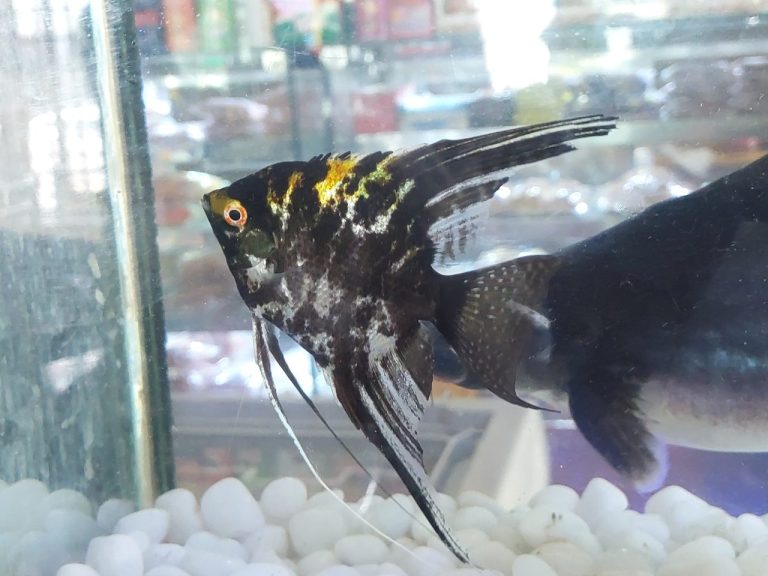
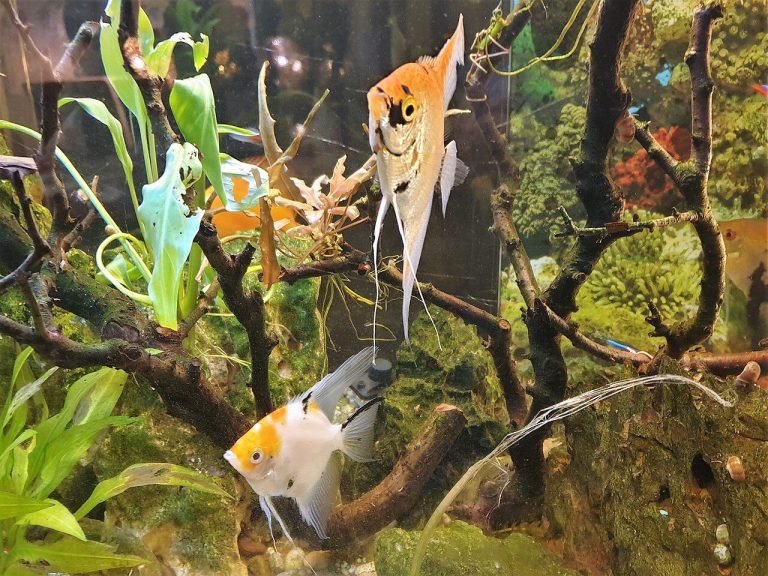
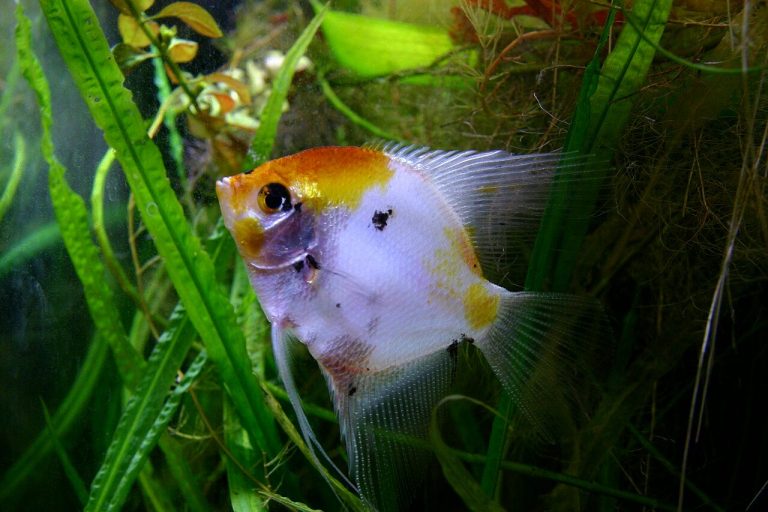
When you walk into a local fish store, it is almost impossible not to be drawn to the elegant, triangular silhouette of the freshwater angelfish. Known scientifically as Pterophyllum scalare, these fish have earned the nickname “King of the Aquarium” for their graceful swimming and regal appearance.
Many new hobbyists wonder, are angelfish good for beginners, or should they be reserved for those with years of experience? In my experience, they sit comfortably in the middle, offering a perfect “step-up” species for someone who has mastered the basics of the nitrogen cycle.
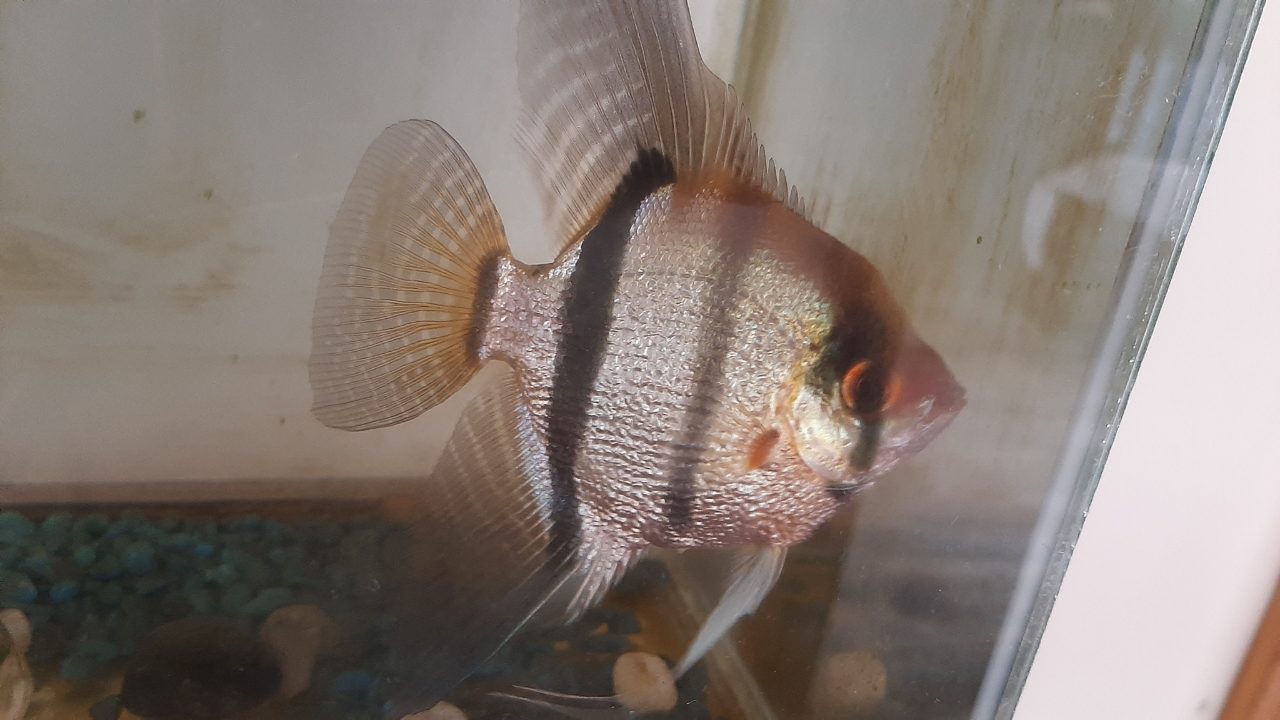
I remember my first pair of silver angelfish; they were remarkably hardy but quickly taught me that a standard 20-gallon tank simply wouldn’t cut it. This guide will break down everything you need to know to decide if these beautiful cichlids are the right fit for your first serious aquatic setup.
At a glance: Freshwater angelfish (Pterophyllum scalare)
- Temperature
- 76–84°F (24–29°C)
- Water pH
- 6.0–7.5
- Adult size
- 6 in long, 8 in tall (15 × 20 cm)
- Minimum tank
- 30 gal for a pair, 55 gal tall for a group
- Group size
- Pair or group of 5+
- Temperament
- Semi-aggressive, territorial when breeding
- Diet
- Omnivore: pellets, flakes, frozen bloodworm and brine shrimp
- Lifespan
- 10–12 years
Keeper’s tip: Choose a tall tank; height matters more than length for a fish that grows taller than it is long.
Understanding the Nature of Pterophyllum Scalare
To answer the question of whether are angelfish good for beginners, we first need to understand their biological roots. Unlike many other common beginner fish, angelfish are members of the Cichlidae family, which means they possess intelligence, personality, and a touch of attitude.
These fish originate from the slow-moving waters of the Amazon River basin, often found among submerged tree roots and heavy vegetation. This natural environment has shaped their thin, disc-like bodies, allowing them to glide between vertical branches with ease.
In a home aquarium, this translates to a fish that appreciates a blackwater biotope style with plenty of driftwood and tall plants. Understanding their wild origins helps beginners realize that these aren’t just “big goldfish,” but sophisticated predators with specific environmental needs.
Key Factors in Determining if Are Angelfish Good for Beginners
There are three main pillars to success when keeping these fish: space, stability, and social structure. If a beginner can manage these three things, they will find that angelfish are surprisingly resilient and long-lived.
The most common mistake I see beginners make is placing juvenile angelfish in a shallow tank. Because of their long fins, they require vertical space more than horizontal length to prevent stunted growth and fin deformities.
Pro Tip: Always choose a “Tall” or “High” variety of aquarium rather than a “Long” one. A standard 29-gallon or 37-gallon tall tank is the absolute minimum for a single pair of adults to help they can swim naturally without their fins touching the substrate.
Additionally, are angelfish good for beginners who might struggle with maintenance? They do have a notable nitrate sensitivity compared to some bulletproof species like zebra danios, so a commitment to weekly water changes is non-negotiable.
Ideal Water Parameters for Beginner Success
Maintaining the right chemistry is vital for the osmoregulation of your fish, which is how they balance fluids in their bodies. While captive-bred angelfish are much more adaptable than their wild-caught cousins, they still flourish in specific ranges.
The following table outlines the target parameters you should aim for to keep your Pterophyllum scalare healthy and bright.
| Parameter | Ideal Range | Importance |
|---|---|---|
| Temperature | 76°F – 84°F (24°C – 29°C) | Supports immune system and metabolism. |
| pH Level | 6.5 – 7.5 | Consistency is more important than the exact number. |
| Carbonate Hardness (KH) | 3 – 8 dKH | Buffers the pH to prevent dangerous crashes. |
| Nitrates | Below 20 ppm | Prevents long-term stress and fin erosion. |
If your tap water is naturally very hard, you might consider using peat filtration or adding Indian Almond leaves to naturally lower the pH and add beneficial tannins. This mimics their natural river habitat and can help reduce stress in newly introduced fish.
One reason people ask are angelfish good for beginners is their reputation for being “aggressive.” It is important to keep in mind that while they are generally peaceful, they are still opportunistic carnivores and territorial cichlids.
In my experience, conspecific aggression (aggression between the same species) is more common than them attacking other types of fish. When they reach sexual maturity, a dominant pair will often claim half the tank and chase away any other angelfish.
When choosing suitable tank mates, avoid anything small enough to fit in their mouths, such as neon tetras. Instead, look for deeper-bodied fish like Rummy Nose Tetras or larger Rasboras that won’t be viewed as a snack.
The “Fin-Nipping” Danger
Beginners should also avoid mixing angelfish with notorious fin-nippers. Species like Tiger Barbs or certain Serpae Tetras find the long, trailing filaments of an angelfish irresistible, which can lead to secondary bacterial infections.
Stick to peaceful bottom-dwellers like Corydoras catfish or Bristlenose Plecos. These species occupy different levels of the tank and rarely cross paths with the more surface-oriented angelfish.
Common Health Challenges for New Keepers
While they are hardy, angelfish are susceptible to a few specific ailments that a beginner should be able to recognize. Early detection is the key to preventing a tank-wide disaster.
The most common parasite beginners face is Ichthyophthirius multifiliis, commonly known as Ich or white spot disease. This usually appears as small white grains of salt on the fins and body, often triggered by a sudden drop in temperature.
Another concern for this species is Hexamita, which causes “hole-in-the-head” disease. This is often linked to poor water quality or a lack of variety in their diet, emphasizing why a comprehensive angelfish care guide is so important for new owners.
Pro Tip: Always quarantine new arrivals for at least two weeks in a separate tank. This simple step prevents the introduction of parasites like Ich or internal worms into your main display aquarium.
Feeding and Nutrition for Colorful Colors
Feeding is one area where angelfish are exceptionally easy for beginners. They are not picky eaters and will readily accept high-quality flakes, pellets, and freeze-dried foods.
To see their best colors and encourage healthy growth, I’ve noticed that a varied diet is essential. I personally like to rotate between a high-protein staple pellet and treats like frozen bloodworms or brine shrimp.
Feeding twice a day in small amounts is better than one large feeding. This makes sure that all the food is consumed, preventing leftover waste from spiking your ammonia and nitrate levels.
Setting Up the Beginner Angelfish Tank
If you have decided the answer to are angelfish good for beginners is “yes” for you, the setup phase is your next step. Start with a 29-gallon tall tank as your foundation and choose a substrate that won’t trap too much debris.
I highly recommend live plants like Amazon Swords or Vallisneria. These plants grow tall and provide the vertical “forest” that angelfish feel safe in, especially during substrate spawning rituals.
The habitat requirements of these cichlids include low to moderate water flow. If your filter is too powerful, the angelfish will struggle to swim against the current, which can lead to exhaustion and a weakened immune system.
Still wondering?
Can I keep a single angelfish?
Yes, keeping a single angelfish is often better for a beginner than keeping a group. This eliminates the risk of territorial fighting and allows the fish to become the centerpiece of a community tank without the stress of finding a mate.
How big do angelfish actually get?
While their bodies may only reach 6 inches in length, their total height—including fins—can easily reach 8 to 10 inches. This is why the vertical height of the tank is so much more important than the length.
Do they eat shrimp?
In most cases, yes. Smaller shrimp like Cherry Shrimp are considered a natural food source for angelfish. If you want to keep shrimp with them, stick to larger species like Amano shrimp, though there is still a risk.
How long do angelfish live?
Looked after properly, an angelfish can easily live for 10 to 12 years. This makes them a long-term commitment compared to smaller schooling fish that may only live for 2 or 3 years.
Final Thoughts on Beginner Angelfish Care
So, are angelfish good for beginners? The answer is a resounding yes, provided you approach the hobby with a bit of preparation and the right equipment. They offer a unique personality and beauty that few other freshwater fish can match.
If you focus on a tall tank, stable water parameters, and compatible tank mates, you can successfully work through the challenges of keeping these cichlids. They will reward your efforts with years of graceful displays and perhaps even the remarkable experience of watching them care for their eggs.
Keep up with those weekly water changes and keep a close eye on their behavior. If you do that, you’ll find that the “King of the Aquarium” is a guest that is well worth hosting in your first successful aquarium.

- 2003First tank
- 20+Years keeping
- 40+Tanks kept
- 0Sponsored picks
Howard set up his first 10-gallon planted tank in 2003 and lost half of it within six weeks. Two decades and more than forty aquariums later, he writes the guides he wished he had then: clear numbers, the reasons behind them, and what actually goes wrong in home tanks.