How To Set Up An Angelfish Tank – Setup Checklist
To set up an angelfish tank, start with a tall aquarium of at least 30 to 55 gallons, install a reliable thermostatic heater for tropical temperatures, and provide soft, acidic water enriched with broad-leafed plants.
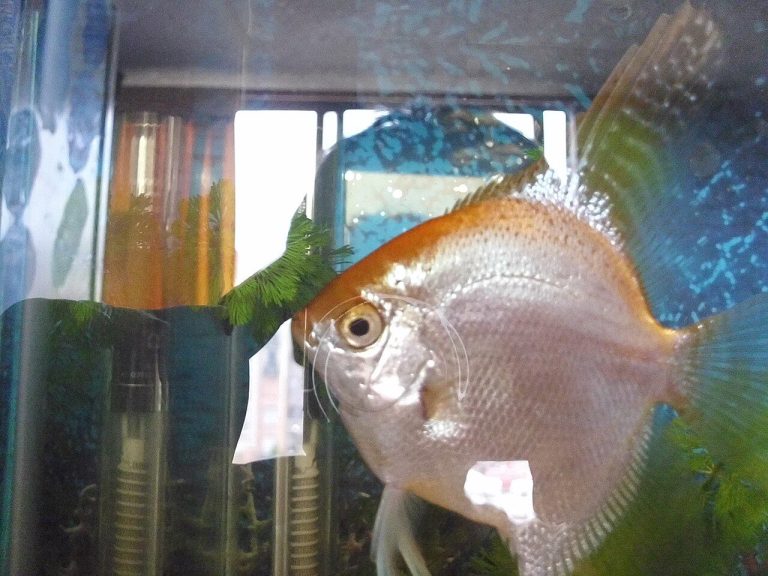
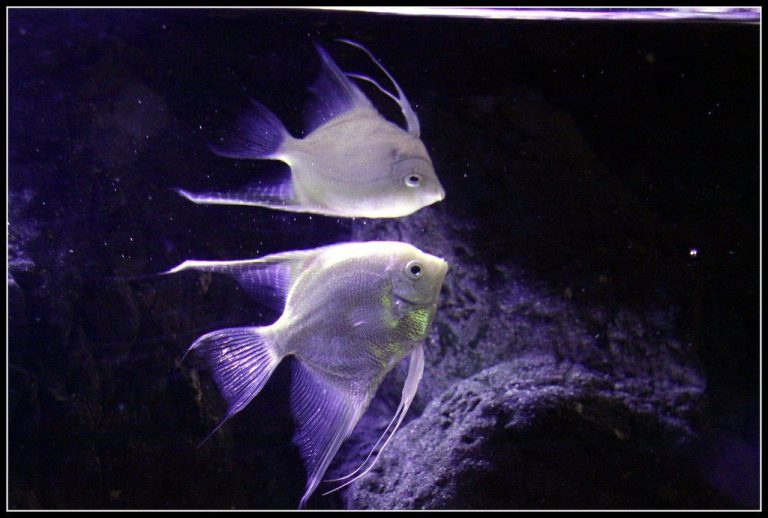
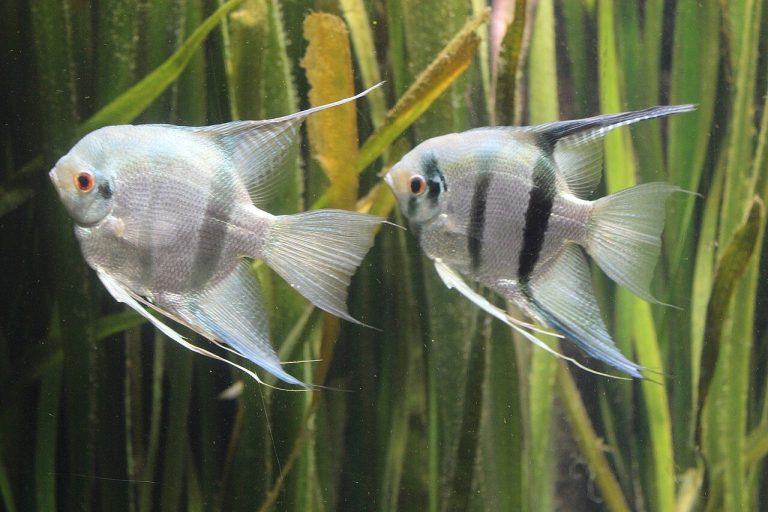
Few fish command the same level of attention as the majestic angelfish. Their unique, triangular shape and graceful swimming patterns make them the undisputed “Kings of the Aquarium.”
In my experience of keeping Pterophyllum scalare for over a decade, I have found that their success depends entirely on the foundation you build during the initial setup. A well-planned environment leads to colorful colors, impressive finnage, and a long lifespan.
Setting up a dedicated space for these cichlids requires more than just filling a glass box with water. You need to consider their vertical height, their social structure, and their specific water chemistry needs.
At a glance: Freshwater angelfish (Pterophyllum scalare)
- Temperature
- 76–84°F (24–29°C)
- Water pH
- 6.0–7.5
- Adult size
- 6 in long, 8 in tall (15 × 20 cm)
- Minimum tank
- 30 gal for a pair, 55 gal tall for a group
- Group size
- Pair or group of 5+
- Temperament
- Semi-aggressive, territorial when breeding
- Diet
- Omnivore: pellets, flakes, frozen bloodworm and brine shrimp
- Lifespan
- 10–12 years
Keeper’s tip: Choose a tall tank; height matters more than length for a fish that grows taller than it is long.
Selecting the Ideal Aquarium for Your Angelfish
The most common mistake beginners make is choosing a tank based on length alone. Because angelfish are vertically oriented, the height of the aquarium is actually the most critical dimension.
Standard 20-gallon tanks are often too shallow, causing the fish’s long dorsal and anal fins to become cramped. For a single pair, a 30-gallon tall is the absolute minimum, but I always recommend a 55-gallon tank for a small group.
In a larger volume of water, you have more stability in your parameters. This stability is vital because angelfish can be sensitive to sudden shifts in water quality as they mature.
Pro Tip: If you are planning to keep a community, always opt for a tank that is at least 18 to 24 inches tall. This allows the angelfish to display their natural vertical posture without their fins touching the substrate or the surface.
Replicating the South American Biotope
To see your fish settle in, you should aim to recreate a South American biotope. In the wild, these fish inhabit slow-moving rivers and floodplains filled with fallen branches and dense vegetation.
Using driftwood is a fantastic way to mimic this environment. Large pieces of bogwood or Manzanita branch out toward the surface, providing the vertical structures angelfish love to hide behind.
Driftwood also has the added benefit of releasing tannins. These tannins create humic acid, which naturally softens the water and gives it a slight tea-colored tint that many hobbyists find aesthetically pleasing.
Choosing the Right Substrate
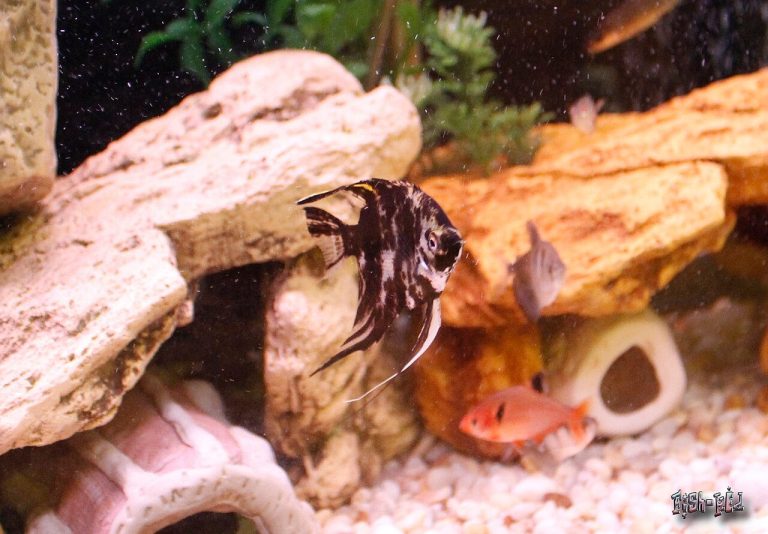
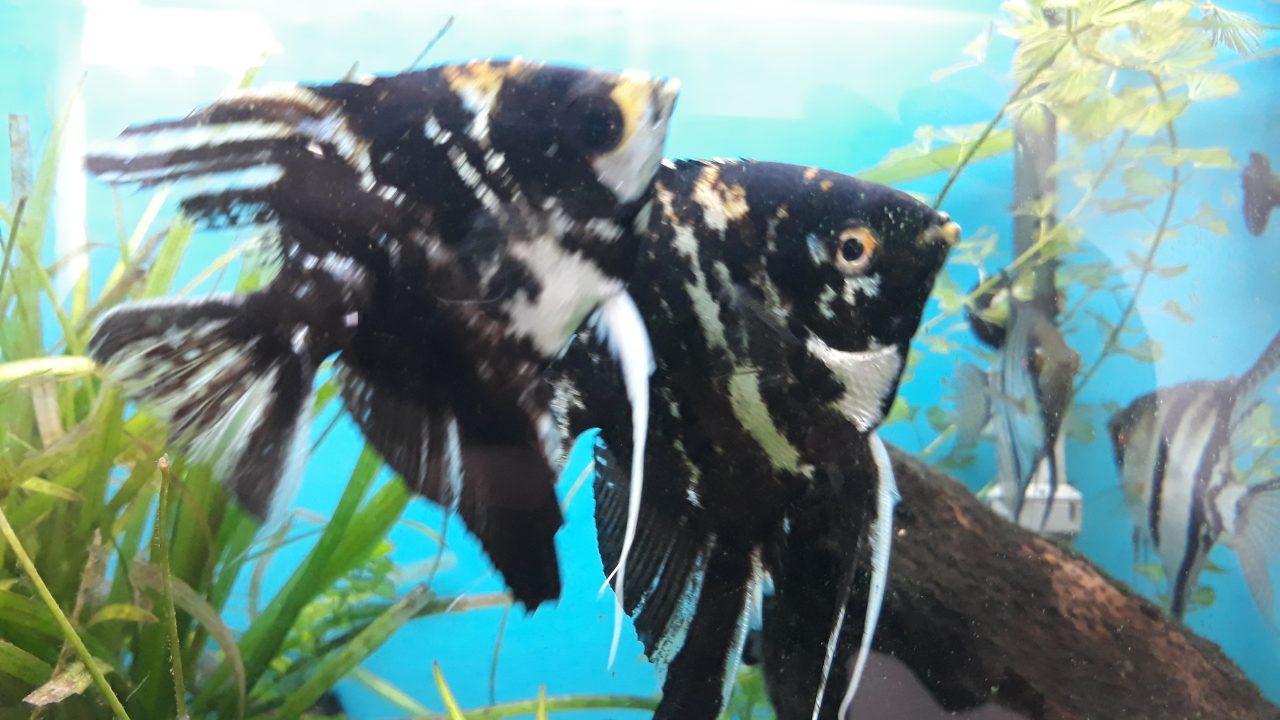
I prefer using a fine sand or a smooth, dark gravel for angelfish tanks. Darker substrates tend to make the colors of your fish pop, especially if you are keeping unique angelfish color morphs like Koi or Black Lace varieties.
Avoid sharp-edged gravel that could damage the delicate fins of bottom-dwelling tank mates. If you plan on a heavily planted tank, consider a nutrient-rich soil capped with sand to support root growth.
Essential Aquatic Plants
Plants are not just decoration; they are a functional part of the ecosystem. The Echinodorus grisebachii, commonly known as the Amazon Sword, is the quintessential plant for an angelfish setup.
These plants have broad, sturdy leaves that provide the perfect surface for angelfish to lay their eggs. Other great options include Jungle Val, which grows tall and creates a “forest” effect, and floating plants like Amazon Frogbit to diffuse bright lighting.
Essential Equipment and Filtration
When learning how to set up an angelfish tank, you must prioritize high-quality equipment. Because angelfish originate from warm tropical waters, a high-quality thermostatic heater is non-negotiable.
Angelfish prefer temperatures between 78°F and 84°F. A reliable heater helps make sure these temperatures stay consistent, which prevents stress and wards off common ailments like Ich.
Filtration Strategies
Angelfish prefer slow-moving water, as they are not strong swimmers in heavy currents. However, they are messy eaters and produce a significant biological load.
I recommend using a canister filter or a large sponge filter with an adjustable flow rate. This allows you to achieve high turnover for cleanliness without creating a “whirlpool” effect that exhausts your fish.
Pro Tip: If your filter flow is too strong, use a spray bar directed toward the back glass. This breaks up the current while maintaining oxygenation and filtration efficiency.
Understanding Water Chemistry and Parameters
Angelfish are surprisingly hardy once established, but they do best in specific water conditions. They prefer soft, slightly acidic water, though most captive-bred specimens are adaptable to a wider range.
You should pay close attention to General Hardness (GH) and Carbonate Hardness (KH). High KH levels can make it difficult to maintain a stable, acidic pH, which is why some experts use peat filtration to naturally lower these levels.
| Parameter | Ideal Range | Notes |
|---|---|---|
| Temperature | 78°F – 84°F | Requires a reliable heater. |
| pH Level | 6.5 – 7.2 | Avoid rapid fluctuations. |
| Ammonia / Nitrite | 0 ppm | Toxic even at low levels. |
| Nitrate | < 20 ppm | Controlled via water changes. |
| GH / KH | 3 – 8 dGH | Soft to moderately hard. |
How to Set Up an Angelfish Tank: Step-by-Step
Once you have gathered all your supplies, it is time to assemble the aquarium. Following a logical order ensures that you don’t have to redo work later.
Step 1: Placement and Leveling. Place your aquarium on a dedicated stand that can handle the weight (a 55-gallon tank weighs over 500 lbs when full). Ensure the stand is perfectly level to prevent glass stress.
Step 2: Substrate and Hardscape. Rinse your substrate thoroughly to remove dust. Add it to the tank, then place your driftwood and rocks. I like to “dry scape” first to find the most natural-looking arrangement.
Step 3: Equipment Installation. Mount your heater and filter intake/outtake. Do not plug them in yet. If you are using a canister filter, make sure the hoses are cut to the correct length to avoid kinks.
Step 4: Filling and Planting. Fill the tank halfway with dechlorinated water. This makes it much easier to plant your Amazon Swords and other greenery without them floating away or getting crushed.
Step 5: Cycling the Tank. This is the most vital step. You must establish a colony of beneficial bacteria like Nitrosomonas to process fish waste. Never add angelfish to a brand-new, uncycled aquarium.
The Importance of the Nitrogen Cycle
Before your angelfish arrive, your tank must be biologically “mature.” The nitrogen cycle is the process where toxic ammonia is converted into nitrite, and then into less harmful nitrate.
I highly recommend “fishless cycling” by adding a pure ammonia source to the water. Within a few weeks, the Nitrosomonas bacteria will begin converting that ammonia.
Once your water tests show 0 ppm ammonia and 0 ppm nitrite, your tank is ready for its first inhabitants. Patience during this phase is the difference between a healthy tank and a disaster.
Selecting Healthy Angelfish and Tank Mates
When you are ready to buy your fish, look for active individuals with clear eyes and intact fins. Avoid any fish that appear lethargic or have “pinched” bellies, as this can be a sign of internal parasites like Hexamita.
Angelfish are social but can be territorial. If you are starting with juveniles, I suggest buying a group of 5 or 6. As they grow, they will naturally form pairs.
Choosing Compatible Community Members
While angelfish are cichlids, they are generally peaceful compared to their African cousins. However, they are opportunistic predators. If a fish can fit in an angelfish’s mouth, it eventually will.
When selecting compatible tank mates, look for deep-bodied tetras or peaceful bottom dwellers. Avoid “fin nippers” like Tiger Barbs, which will shred the angelfish’s long fins.
For more detailed information on long-term maintenance, you can check out our comprehensive mastering angelfish care resource.
Maintaining Your Angelfish Tank
Setting up the tank is only the beginning. Long-term success comes from a consistent maintenance routine. Angelfish produce quite a bit of waste, and they are sensitive to high nitrate levels.
I recommend a 25% to 30% water change every week. Use a gravel vacuum to remove debris from the substrate, and always treat your tap water with a high-quality conditioner to remove chlorine and chloramines.
Diet and Nutrition
Angelfish are omnivores and stay healthy on a varied diet. In my tanks, I provide a mix of high-quality flakes, slow-sinking pellets, and frozen treats like bloodworms or brine shrimp.
Feeding frozen foods once or twice a week provides the protein needed for growth and breeding. Just be careful not to overfeed, as decaying food will quickly ruin your water quality.
Pro Tip: Watch your fish while they eat. If the angelfish are not getting enough food because smaller, faster tetras are eating it all, try feeding at two different ends of the tank simultaneously.
Common Mistakes to Avoid
Even with the best intentions, errors happen. One common issue is failing to quarantine new fish. Introducing a single sick fish can wipe out an entire established colony.
Another mistake is ignoring the vertical space. If you see your angelfish hovering at the surface or sitting at the bottom for long periods, check your oxygen levels and temperature immediately.
Lastly, be mindful of “Hole-in-the-Head” disease. This is often caused by the parasite Hexamita and is usually triggered by poor water quality or a lack of vitamins in the diet. Maintaining a clean tank is your best defense.
Questions I get asked a lot
Can I keep angelfish in a 20-gallon tank?
I do not recommend it for adult fish. While a 20-gallon “high” might work for a single juvenile, an adult angelfish will quickly outgrow the space, leading to stunted growth and stress.
Do angelfish need a heater?
Yes, they are tropical fish. A thermostatic heater is essential to maintain a stable temperature between 78°F and 84°F.
What is the best plant for an angelfish tank?
The Amazon Sword (Echinodorus grisebachii) is widely considered the best because its broad leaves provide shelter and a natural spawning site for the fish.
Why are my angelfish fighting?
Angelfish establish a pecking order. If you have two males or a breeding pair that is protecting eggs, aggression is common. Providing plenty of sight-breaks like driftwood and tall plants can help.
How often should I change the water?
A weekly 25-30% water change is standard for a healthy angelfish tank. This keeps nitrates low and replenishes essential minerals.
Final Thoughts on Setting Up Your Tank
Learning how to set up an angelfish tank is a satisfying journey that blends art and science. If you focus on vertical height, stable water parameters, and a natural South American environment, you create a sanctuary for these incredible fish.
The setup phase is the most important part of the process. If you take the time to cycle your tank properly and choose the right equipment from the start, your angelfish will reward you with years of graceful beauty.
Watch your fish, test your water, and enjoy the process of maintaining your very own slice of the Amazon.
- 2003First tank
- 20+Years keeping
- 40+Tanks kept
- 0Sponsored picks
Howard set up his first 10-gallon planted tank in 2003 and lost half of it within six weeks. Two decades and more than forty aquariums later, he writes the guides he wished he had then: clear numbers, the reasons behind them, and what actually goes wrong in home tanks.