Why Is My Angelfish Hiding – Causes and Fixes
Angelfish typically hide due to stress from poor water quality, bullying by tank mates, or underlying illness. Identifying issues like ammonia spikes, low oxygen, or improper lighting is essential to help your fish feel safe again.
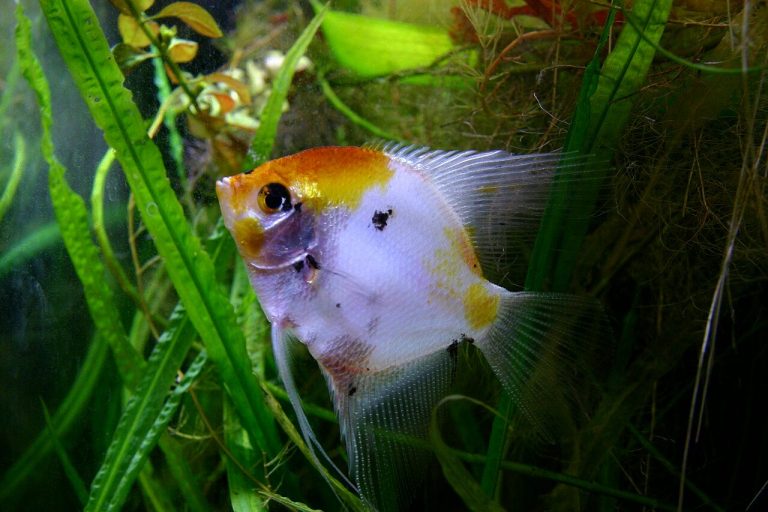
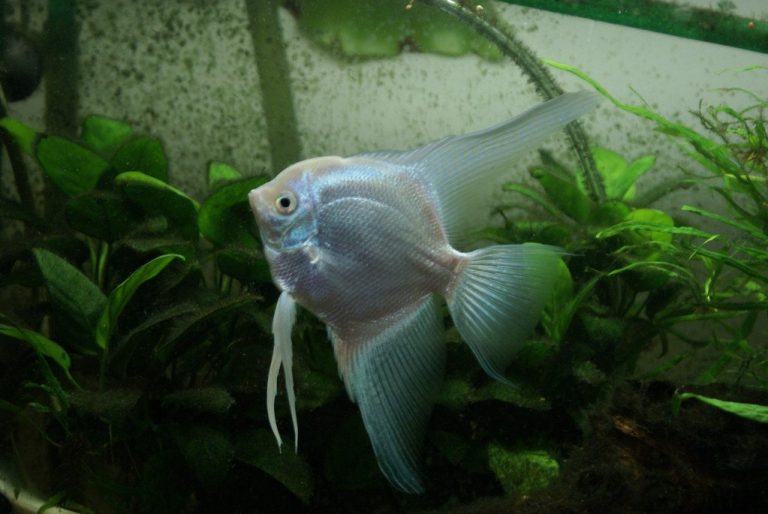
Seeing your majestic Pterophyllum scalare tucked away behind a filter pipe or cowering in a dark corner is a heartbreaking sight for any aquarist. In my ten years of maintaining South American biotypes, I have learned that when a fish stops being the center of attention, it is sending a clear distress signal.
If you are wondering why is my angelfish hiding, you are likely dealing with a fish that feels vulnerable or physically unwell. These “Kings of the Amazon” are usually curious and interactive, so a sudden change in behavior requires immediate investigation.
In this guide, we will explore the environmental, social, and biological reasons for this behavior. By the end, you will have a clear roadmap to bring your angelfish back to the front of the glass where they belong.
At a glance: Freshwater angelfish (Pterophyllum scalare)
- Temperature
- 76–84°F (24–29°C)
- Water pH
- 6.0–7.5
- Adult size
- 6 in long, 8 in tall (15 × 20 cm)
- Minimum tank
- 30 gal for a pair, 55 gal tall for a group
- Group size
- Pair or group of 5+
- Temperament
- Semi-aggressive, territorial when breeding
- Diet
- Omnivore: pellets, flakes, frozen bloodworm and brine shrimp
- Lifespan
- 10–12 years
Keeper’s tip: Choose a tall tank; height matters more than length for a fish that grows taller than it is long.
Why Is My Angelfish Hiding? Understanding Common Causes
The most common reason for an angelfish to hide is environmental stress. Because they have large, sail-like fins and a compressed body shape, they are not built for high-stress environments or turbulent water.
If the water chemistry is off, your fish will feel a sense of “impending doom.” This instinctual response drives them to find a safe spot where they can conserve energy while their body tries to cope with toxins.
Pro Tip: Before changing anything in the tank, observe your fish from a distance. Sometimes, the simple act of you approaching the glass can trigger a shy fish to hide if they haven’t yet associated you with food.
Poor Water Quality and Chemical Stress
The most dangerous culprit behind a hiding fish is often invisible. Ammonia toxicity and Nitrite poisoning can burn the delicate gills of your angelfish, making every “breath” a struggle.
When these levels rise, the fish becomes lethargic and seeks out areas with the least amount of water movement. They are essentially trying to survive a chemical burn that we cannot see with the naked eye.
High nitrate levels can also lead to chronic stress over time. While not as immediately lethal as ammonia, high nitrates weaken the immune system, making the fish feel “off” and prone to reclusive behavior.
Low Dissolved Oxygen Saturation
Sometimes, the issue isn’t what is in the water, but what is missing. Dissolved oxygen saturation is critical for active fish like angelfish.
If your water temperature is too high or there is a lack of surface agitation, oxygen levels drop. A fish that is struggling to breathe will often hide near the bottom or behind plants where they feel less exposed while gasping.
| Parameter | Ideal Range | Effect of Imbalance |
|---|---|---|
| Ammonia | 0 ppm | Gill damage, lethargy, hiding. |
| Nitrite | 0 ppm | Suffocation, brown blood disease. |
| Nitrate | < 20 ppm | Stunted growth, long-term stress. |
| Temperature | 76°F – 82°F | Digestive issues or low oxygen. |
Angelfish are members of the cichlid family, which means they have complex social structures. Conspecific aggression—aggression between members of the same species—is a very frequent reason for one fish to go into hiding.
In my experience, a group of juvenile angelfish may get along perfectly for months. However, as they reach sexual maturity, they begin to establish territories and form pairs.
If one fish is “odd man out,” it will likely be bullied by the dominant pair. This fish will hide to avoid the constant pecking and chasing that can lead to torn fins and physical exhaustion.
Identifying the Bully
If you notice one fish is always in the corner, watch the other fish closely. The bully may not be actively attacking at that moment, but it will often “guard” the open water, preventing the submissive fish from coming out to eat.
Sometimes the bully isn’t even another angelfish. Fast-moving or nippy tank mates like Tiger Barbs or even certain larger Tetra species can intimidate an angelfish.
Because angelfish have long, flowing filaments, they are easy targets for nipping. A fish that has been nipped multiple times will quickly learn to stay out of sight to protect its trailing fins.
New Tank Syndrome and Acclimation
If you have just brought your fish home, why is my angelfish hiding is a question with a simpler answer: acclimation stress. Moving from a pet store tank to a home aquarium is a massive shock to their system.
They have to adjust to new light levels, different water chemistry, and unfamiliar sounds. If the transition was too fast, the fish might be suffering from osmotic shock.
This happens when the mineral content of the new water is vastly different from the old water. It causes the fish’s internal systems to work overtime to balance their internal fluids, leaving them exhausted and fearful.
When an angelfish is sick, its first instinct is to hide to avoid predators. In the wild, a weak fish is an easy meal, so they seek out dense vegetation or driftwood.
One common internal parasite that affects angelfish is Hexamita. This often presents as “Hole-in-the-Head” disease but starts with the fish becoming shy, losing its appetite, and hiding in the back of the tank.
If you see white, stringy feces or a pinched-looking stomach, internal parasites are likely the cause. The fish feels physically weak and lacks the energy to compete for space in the main water column.
Spotting External Parasites
External issues like Ichthyophthirius multifiliis (commonly known as Ich) can also cause hiding. Before the white spots even appear, the fish may feel the irritation on its skin and gills.
They may “flash” or rub against decorations, but mostly they will stay tucked away. Always check for proper water chemistry as the first step when you suspect illness, as poor water is usually the catalyst for disease outbreaks.
Pro Tip: Keep a small flashlight near your tank. If a fish is hiding in a dark spot, a quick shine (not too bright!) can help you check for spots, velvet, or redness on the gills without moving the decor.
Tank Setup and Environmental Lighting
The way your aquarium is designed plays a huge role in how “brave” your angelfish feels. It sounds counterintuitive, but the more hiding spots you provide, the less your fish will actually hide.
If an angelfish feels that a safe retreat is only an inch away, it is much more likely to swim in the open. In a bare tank with no cover, a nervous fish will feel exposed and will hug the corners or the filter intake.
Using Amazonian plant species like the Echinodorus bleheri (Amazon Sword) provides the perfect natural canopy. These broad leaves offer shade and a sense of security that mimics their natural habitat in the flooded forests of South America.
Managing Photoperiod Intensity
High photoperiod intensity can also be a major stressor. Angelfish come from tea-colored, “blackwater” environments where the light is filtered through thick jungle canopies and tannins.
If your aquarium lights are too bright and you don’t have floating plants, the fish may feel like they are under a spotlight. This can lead to them hiding under the shade of a filter or a piece of driftwood all day.
Try reducing the light intensity or adding floating plants like Frogbit or Salvinia. You will often see a dramatic change in behavior within just a few days as the “dappled” light makes them feel much more at home.
Practical Troubleshooting Checklist
If you are currently staring at an empty-looking tank and asking why is my angelfish hiding, use this checklist to narrow down the cause. Follow these steps in order to help you don’t miss a critical factor.
| Step | Action Item | What to Look For |
|---|---|---|
| 1 | Test Water Chemistry | Any Ammonia or Nitrite above 0 ppm. |
| 2 | Observe Feeding | Does the fish come out for food? If not, it’s likely sick. |
| 3 | Check for Bullying | Look for nipped fins or other fish guarding the center. |
| 4 | Assess Lighting | Is the light too bright? Try dimming it for a few hours. |
| 5 | Inspect Body Condition | Check for white spots, slime, or sunken bellies. |
Solutions for a Shy Angelfish
Once you have identified the likely cause, it is time to take action. If the issue is conspecific aggression, you may need to rearrange the decor.
Moving driftwood and plants breaks up established territories. This “resets” the tank, forcing all the fish to find new spots and often lowering the intensity of the bullying.
If the problem is water quality, perform a 25-50% water change immediately. Ensure you use a high-quality water conditioner to neutralize any chlorine or chloramines that could further irritate the fish.
Improving the Environment
For fish that are simply shy, consider adding “dither fish.” These are small, active, and peaceful schooling fish like Rummy Nose Tetras or Harlequin Rasboras.
When the angelfish sees these smaller fish swimming confidently in the open water, it signals to them that there are no predators nearby. It is a biological cue that says, “the coast is clear.”
Ensuring you meet the general care requirements of the species is the best long-term solution. A healthy fish is naturally a confident fish.
Still wondering?
How long do angelfish hide after being added to a new tank? It is normal for an angelfish to hide for 24 to 48 hours in a new environment. If they are still hiding after three days or refuse to eat, you should check your water parameters and make sure the lights aren’t too bright.
Can a single angelfish hide because it is lonely? While angelfish are not schooling fish in the traditional sense, they are social. A single angelfish in a large, empty tank may feel exposed and hide; however, they do not “pine” for friends like some other species might.
Why is my angelfish hiding at the top of the tank? Hiding near the surface, especially near the filter output, usually indicates a lack of oxygen or high ammonia levels. The fish is trying to access the most oxygen-rich water available.
Is it normal for breeding pairs to hide? Yes, when angelfish are preparing to spawn, they will often pick a secluded corner or a large leaf to clean. They may become “reclusive” as they focus entirely on guarding their future nesting site.
Wrapping up
Understanding why is my angelfish hiding requires a bit of detective work, but the answer is always there if you look closely. Whether it is a spike in toxins, a bully in the tank, or simply a light that is too bright, most issues are easily fixable.
The key is to act quickly. A fish that hides for too long will become malnourished and stressed, which opens the door for more serious opportunistic infections.
If you keep pristine water, providing plenty of cover with plants like the Amazon Sword, and choosing compatible tank mates, you can create an environment where your angelfish feels like the true King of the aquarium. Keep observing, keep testing your water, and soon your angelfish will be back to greeting you at the glass every morning.

- 2003First tank
- 20+Years keeping
- 40+Tanks kept
- 0Sponsored picks
Howard set up his first 10-gallon planted tank in 2003 and lost half of it within six weeks. Two decades and more than forty aquariums later, he writes the guides he wished he had then: clear numbers, the reasons behind them, and what actually goes wrong in home tanks.