Why Is My Angelfish Not Eating? 7 Reasons And How To Fix It
Your angelfish may stop eating due to poor water quality, stress from aggressive tank mates, incorrect water temperatures, or internal parasites like Hexamita. Immediate water testing and observation for physical symptoms are essential first steps.
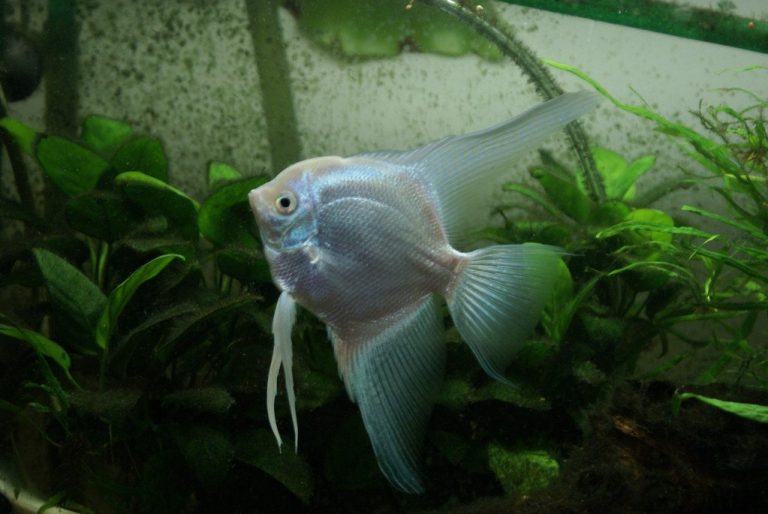
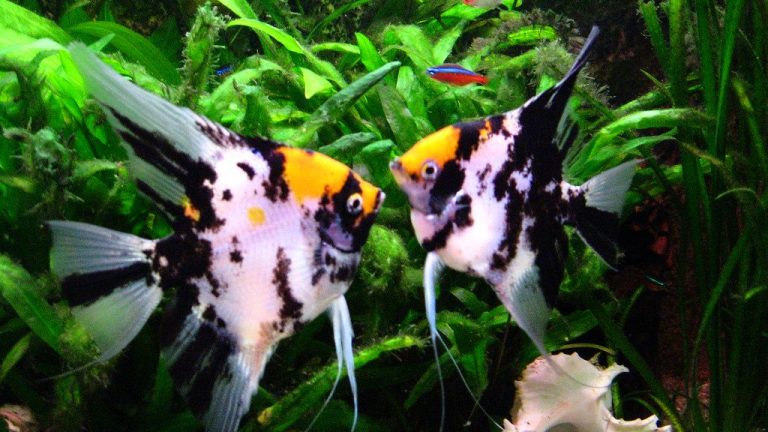
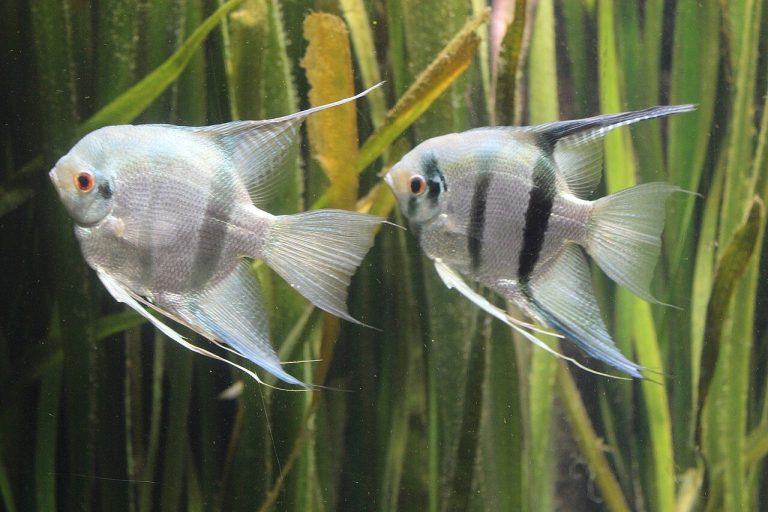
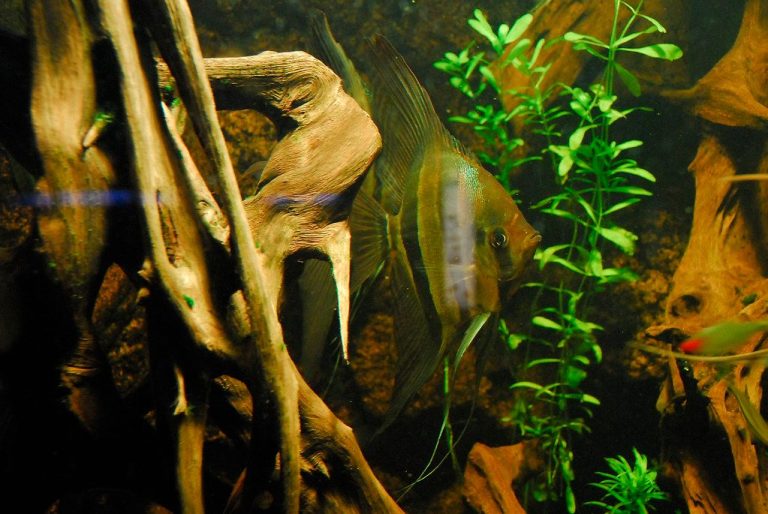
Few things are as distressing for an aquarist as watching a majestic Pterophyllum scalare ignore its favorite food. In my decade of keeping these “Kings of the Amazon,” I have learned that a hunger strike is rarely a random event.
It is almost always a communicative signal that something in their environment or their biology has gone wrong. When you find yourself asking, why is my angelfish not eating, you need to act like a detective to uncover the root cause.
In this guide, we will break down the most common culprits, from water chemistry issues to hidden parasitic infections. We will also look at how to restore their appetite and keep them well-kept for years to come.
At a glance: Freshwater angelfish (Pterophyllum scalare)
- Temperature
- 76–84°F (24–29°C)
- Water pH
- 6.0–7.5
- Adult size
- 6 in long, 8 in tall (15 × 20 cm)
- Minimum tank
- 30 gal for a pair, 55 gal tall for a group
- Group size
- Pair or group of 5+
- Temperament
- Semi-aggressive, territorial when breeding
- Diet
- Omnivore: pellets, flakes, frozen bloodworm and brine shrimp
- Lifespan
- 10–12 years
Keeper’s tip: Choose a tall tank; height matters more than length for a fish that grows taller than it is long.
Why is my angelfish not eating? Analyzing Water Quality
The most frequent reason for a loss of appetite is poor water quality. Angelfish are highly sensitive to the buildup of nitrogenous wastes that can accumulate in a closed ecosystem.
If your water parameters shift even slightly, it can lead to ammonia toxicity. This condition irritates the gills and skin, making the act of eating the last thing on your fish’s mind.
Ammonia Toxicity and Nitrite Spikes
A nitrite spike is another common silent killer in the home aquarium. Even at low levels, nitrite prevents a fish’s blood from carrying oxygen effectively, leading to lethargy and food refusal.
In my experience, a sudden spike often happens after a filter cleaning that was too thorough or if a large inhabitant has died unnoticed. Always use a high-quality liquid test kit to verify that these levels are strictly at zero.
Pro Tip: If you suspect a water quality issue, perform a 30-50% water change immediately using a dechlorinator. This provides instant relief to the fish while you work on identifying the long-term cause of the spike.
Dissolved Oxygen Levels and Aeration
Low dissolved oxygen levels can also cause an angelfish to stop eating. If you see your fish hanging near the surface or breathing heavily, they are likely struggling to get enough oxygen.
This can be caused by high water temperatures or a lack of surface agitation. Adding an air stone or adjusting your filter output to create more ripples can quickly resolve this particular stressor.
Environmental Stressors and Tank Setup
Angelfish settle in in stability, and any sudden change to their environment can trigger a stress response. If you have recently moved the tank or changed the decor, your fish might be feeling insecure.
It is vital to provide ideal water conditions that mimic their natural riverine habitats. When the environment is “off,” the fish enters a state of survival mode where digestion is deprioritized.
Temperature Fluctuations and Heaters
Angelfish are tropical creatures that require warm water to keep their metabolism functioning correctly. If the water is too cold, their digestive enzymes slow down significantly.
I’ve noticed that a failing heater is a very common reason for a sudden drop in appetite. Always keep a secondary thermometer in the tank to verify the digital reading on your heater.
| Parameter | Ideal Range | Impact on Appetite |
|---|---|---|
| Temperature | 76°F – 84°F | Low temps cause metabolic shutdown. |
| Ammonia | 0 ppm | High levels cause gill burn and refusal. |
| pH | 6.5 – 7.5 | Rapid swings lead to osmotic shock. |
| Nitrite | 0 ppm | Reduces oxygen in blood; causes lethargy. |
Carbonate Hardness and pH Stability
While angelfish can adapt to various pH levels, they cannot handle rapid fluctuations. Carbonate hardness (KH) acts as a buffer to keep the pH stable.
If your KH is too low, your pH may crash overnight, leading to osmotic shock. This severe stressor often manifests as a complete refusal to eat and “shimming” behavior.
Identifying Illness and Internal Parasites
If your water parameters are perfect, the answer to why is my angelfish not eating may be found in biological pathogens. Internal parasites are particularly common in angelfish.
These parasites often go unnoticed because they live inside the digestive tract. However, they slowly sap the fish of nutrients, leading to a condition known as “wasting.”
Hexamita and Capillaria
Hexamita is a flagellate parasite often associated with “Hole-in-the-Head” disease. One of the earliest symptoms is the fish spitting out food or ignoring it entirely.
Another common culprit is Capillaria, a type of roundworm. If you see white, stringy feces or a sunken belly, your angelfish likely has an internal parasitic load.
Common Mistake: Many hobbyists wait until the fish is extremely thin to treat for parasites. In my experience, it is much easier to treat early with medicated food or a bath of Metronidazole before the fish stops eating entirely.
Ichthyophthirius multifiliis (Ich)
External parasites like Ichthyophthirius multifiliis, commonly known as Ich, can also cause enough discomfort to stop a fish from eating. Look for small white spots that resemble grains of salt on the fins and body.
The irritation from these parasites causes the fish to spend all its energy “flashing” or rubbing against decor. This leaves very little energy or interest for feeding.
Dietary Preferences and Feeding Behavior
Sometimes, the issue isn’t health-related but rather a matter of preference. Angelfish are intelligent and can become incredibly picky if fed the same thing every day.
They may also refuse food if it is expired. Vitamins in fish flakes degrade quickly once the seal is broken, and fish can actually sense when the nutritional value is gone.
The Picky Eater Syndrome
If you have a new fish, it might not recognize the food you are providing. It is often helpful to ask the seller what they were previously feeding to keep a smooth transition.
Varying the feeding frequency and type of food can often jumpstart a stubborn appetite. Try offering frozen bloodworms or brine shrimp, as the scent is much stronger than dry flakes.
Angelfish are cichlids, which means they have complex social hierarchies. If you have a group, there is likely a dominant individual and a subordinate one.
If the social hierarchy is too aggressive, the subordinate fish may be bullied away from the feeding zone. Over time, the stress of constant hiding will cause the fish to stop trying to eat altogether.
Bullying and Territory Issues
In a crowded tank, angelfish may become territorial, especially as they reach sexual maturity. If one fish is constantly being chased, it will become too stressed to venture out for food.
In my experience, adding more tall plants or driftwood can break lines of sight. This allows the less dominant fish to feel safe enough to come out and eat.
Step-by-Step Troubleshooting Checklist
If you are currently staring at your tank wondering why is my angelfish not eating, follow this logical progression to find the answer.
- Test the Water: Use a liquid kit for Ammonia, Nitrite, and Nitrate.
- Check the Temperature: Help it is between 78°F and 82°F.
- Observe Feces: Look for white, stringy waste which indicates parasites.
- Watch Social Interactions: Is another fish chasing the one that won’t eat?
- Try High-Value Food: Offer frozen bloodworms or live brine shrimp.
- Inspect the Body: Look for white spots, cloudy eyes, or ragged fins.
Questions I get asked a lot
How long can an angelfish go without eating?
A healthy adult angelfish can survive for 7 to 10 days without food. However, juveniles have much higher metabolic rates and can begin to suffer after just 2 or 3 days.
Can I use garlic to make them eat?
Yes. Garlic is a natural appetite stimulant for fish. Many frozen foods come pre-soaked in garlic, or you can use a commercial garlic extract to soak your pellets before feeding.
Should I move my angelfish to a hospital tank?
If the fish is being bullied or shows clear signs of disease, a hospital tank is a great idea. It allows you to treat with medications like Metronidazole without affecting the biological filter of your main tank.
Will a water change help if they aren’t eating?
Almost always. A water change reduces the concentration of pathogens and waste products. It also provides a fresh influx of minerals, which can often stimulate a fish to feel more active and hungry.
Final thoughts
When you ask, why is my angelfish not eating, you are taking the first step toward saving your fish’s life. By systematically checking your water quality, monitoring for parasites like Hexamita, and ensuring a stress-free environment, you can resolve the issue.
Remember that patience is key. Sometimes, after a period of stress, it takes a few days for a fish to feel comfortable enough to resume normal behavior.
Keep their environment stable, provide a high-quality diet, and stay observant. Your angelfish will likely be back to its “begging at the glass” self in no time, reclaiming its rightful place as the king of your aquarium.

- 2003First tank
- 20+Years keeping
- 40+Tanks kept
- 0Sponsored picks
Howard set up his first 10-gallon planted tank in 2003 and lost half of it within six weeks. Two decades and more than forty aquariums later, he writes the guides he wished he had then: clear numbers, the reasons behind them, and what actually goes wrong in home tanks.