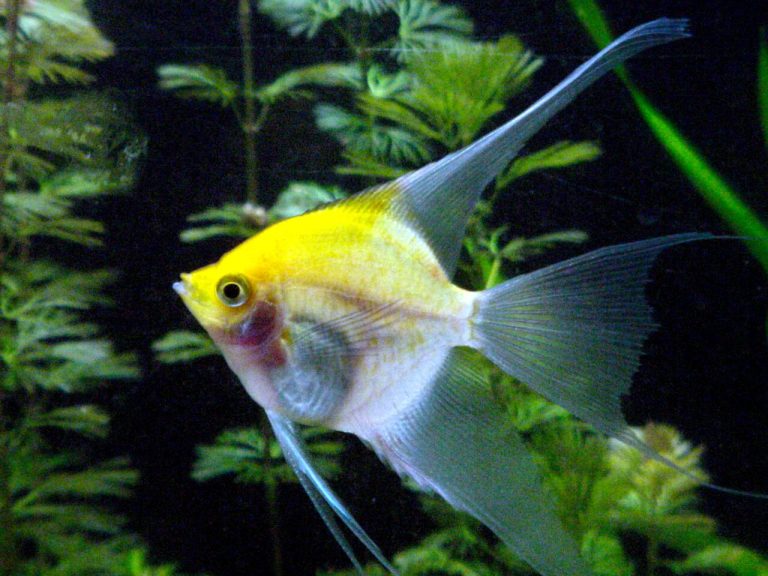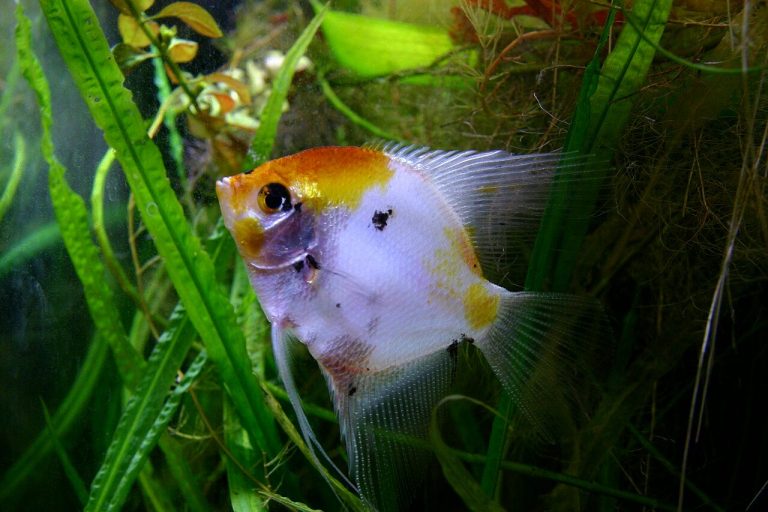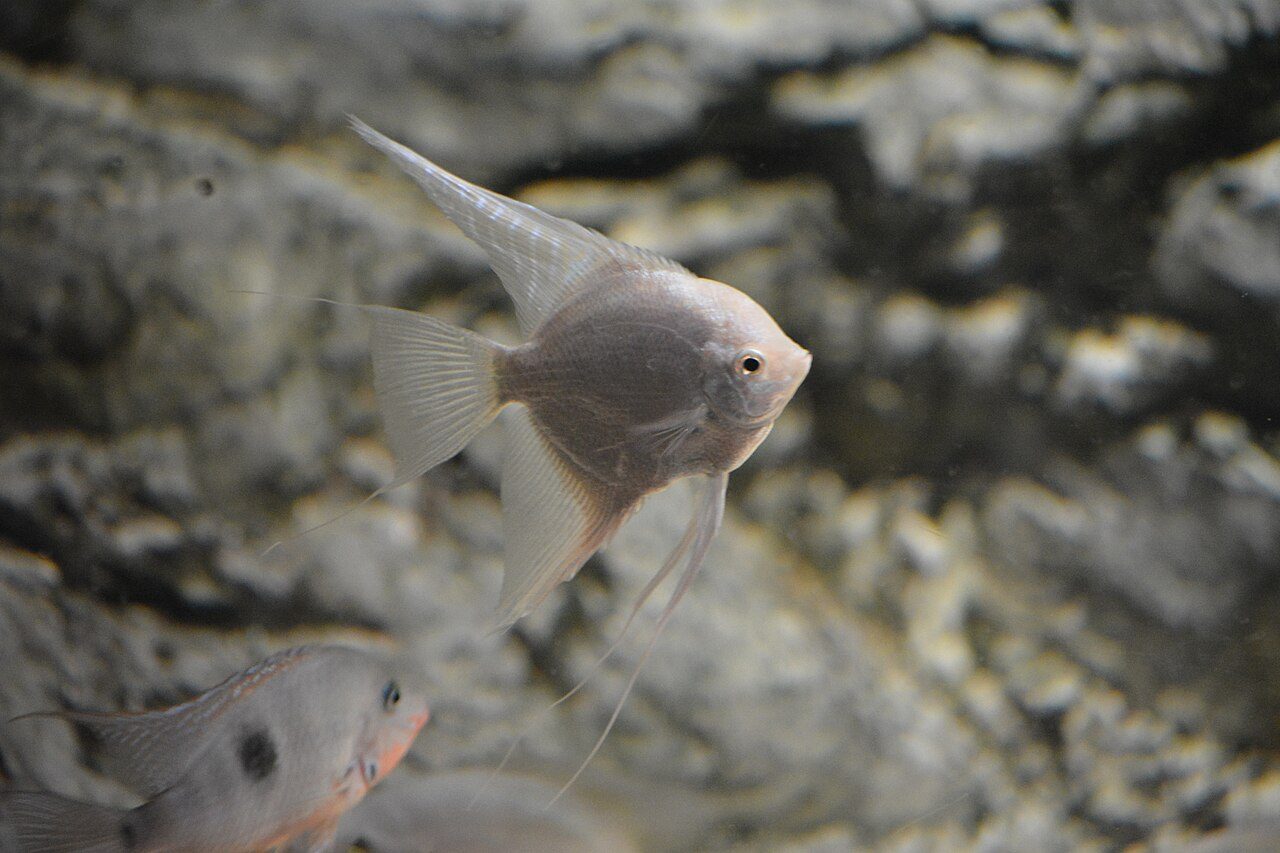
What Causes Ich In Angelfish – Causes and Treatment
Ich in angelfish is primarily caused by the ciliate protozoa Ichthyophthirius multifiliis, which infects fish when their immune systems are weakened by stress, poor water quality, or sudden temperature fluctuations in the aquarium.
Seeing those dreaded white spots on your majestic Pterophyllum scalare is a moment of panic for any hobbyist.
In my decade of maintaining freshwater tanks, I have found that understanding what causes ich in angelfish is the only way to prevent it from returning.
While it looks like grains of salt sprinkled on your fish, this parasite is a complex organism that requires a specific strategy to defeat.
If you are currently dealing with an outbreak, take a deep breath and know that this is a common hurdle in the hobby.
If you follow the right protocols, you can restore your angelfish to their full, vivid health.
At a glance: Freshwater angelfish (Pterophyllum scalare)
- Temperature
- 76–84°F (24–29°C)
- Water pH
- 6.0–7.5
- Adult size
- 6 in long, 8 in tall (15 × 20 cm)
- Minimum tank
- 30 gal for a pair, 55 gal tall for a group
- Group size
- Pair or group of 5+
- Temperament
- Semi-aggressive, territorial when breeding
- Diet
- Omnivore: pellets, flakes, frozen bloodworm and brine shrimp
- Lifespan
- 10–12 years
Keeper’s tip: Choose a tall tank; height matters more than length for a fish that grows taller than it is long.
Understanding the Parasite: Ichthyophthirius Multifiliis
Before we go through the environmental triggers, we must understand the biological enemy itself.
Ich is caused by a ciliate protozoa known as Ichthyophthirius multifiliis.
This parasite is obligate, meaning it must have a fish host to survive and complete its life cycle.
The white spots you see are actually the fish’s epithelial tissue reacting to the parasite burrowing beneath the skin.
At this stage, the parasite is called a trophont and is effectively protected from most medications by the fish’s own mucus layer.
Once the trophont matures, it falls off the fish and becomes a tomont, which attaches to the substrate or glass to multiply.
Eventually, the tomont bursts, releasing hundreds of free-swimming theronts that seek out your angelfish to start the cycle again.
Pro Tip: Never treat the tank for only a few days just because the spots disappear. The spots are only one phase of the life cycle, and the parasites are likely still lurking in your substrate as tomonts.
What Causes Ich in Angelfish?
When people ask what causes ich in angelfish, they are usually looking for the environmental “trigger” that allowed the parasite to take hold.
Angelfish are generally considered hardy, but they have specific needs that, if unmet, lead to mucus layer degradation.
A healthy angelfish has a sturdy slime coat that prevents theronts from ever attaching to their skin.
However, when a fish is stressed, its immune response drops, and that protective barrier thins out.
Sudden Temperature Fluctuations
One of the most frequent causes of an ich outbreak is a “chilled” fish.
Angelfish stay healthy in warm, stable water, usually between 78°F and 82°F.
If your heater fails or if you perform a large water change with water that is significantly colder, the fish experiences osmotic stress.
This sudden shock weakens their metabolism and leaves them vulnerable to any parasites present in the water column.
Poor Water Quality and Ammonia Toxicity
High levels of nitrogenous waste are a massive stressor for any cichlid.
Ammonia toxicity and high nitrite levels can chemically burn the gills and skin of your angelfish.
This damage provides an easy entry point for the Ichthyophthirius multifiliis protozoa.
Maintaining a strict cleaning schedule and understanding what water parameters do angelfish need is vital for long-term success.
The “New Fish” Introduction
Often, the parasite is introduced directly by a new tank mate that wasn’t properly quarantined.
Even if a new fish looks healthy, it may be carrying trophonts that are not yet visible to the naked eye.
When you add that fish to your established tank, the stress of the move can cause the parasite to multiply rapidly.
This is why many experienced keepers insist on a minimum 30-day quarantine for all new arrivals.
| Stress Factor | Impact on Angelfish | Prevention Strategy |
|---|---|---|
| Temperature Drop | Slows immune system response | Use high-quality, redundant heaters |
| Ammonia Spikes | Damages protective mucus layer | Weekly 25-50% water changes |
| New Tank Mates | Introduces active theronts | Strict 4-week quarantine protocol |
| Aggression/Bullying | Chronic cortisol/stress elevation | Ensure adequate tank size and cover |
Symptoms Beyond the White Spots
While white spots are the “smoking gun,” they aren’t the only sign that your angelfish is suffering.
Early detection is the key to preventing a total tank wipeout.
In my experience, behavioral changes often precede the physical spots by 24 to 48 hours.
Flashing and Scratching
If you see your angelfish darting against rocks, plants, or the substrate, they are “flashing.”
They are trying to physically dislodge the parasites that are irritating their skin and gills.
This is often accompanied by “twitchy” swimming movements that look uncharacteristic for such a graceful fish.
Clamped Fins and Lethargy
An infected angelfish will often hold its fins tight against its body.
This behavior, known as “clamped fins,” is a universal sign of distress in cichlids.
They may also hover near the surface or hide in a corner, showing little interest in food.
Respiratory Distress
If the ich parasites have infected the gill filaments, the fish will struggle to breathe.
You might notice rapid gill movement or the fish “gasping” for air at the water surface.
This is a critical stage, as gill damage can lead to permanent scarring or secondary bacterial infections.
The Three Stages of the Ich Life Cycle
To effectively treat the tank, you must target the parasite when it is most vulnerable.
Most medications only work during the free-swimming stage.
Understanding these stages helps you realize why the treatment duration is so important.
1. The Trophont (On the Fish)
This is the feeding stage where the parasite is safely tucked under the epithelial tissue.
Because the fish’s own slime coat protects the parasite, almost no external medication can touch it here.
Attempting to “scrape” these off will only cause more trauma to the fish.
2. The Tomont (In the Substrate)
After the parasite is finished feeding, it drops off the fish and forms a cyst.
Inside this cyst, the parasite divides rapidly, creating hundreds of new individuals.
Again, the tough wall of the cyst makes it very resistant to chemical treatments.
3. The Theront (Free-Swimming)
This is the “Achilles heel” of the ich parasite.
Once the tomont bursts, the theronts must find a host within about 48 hours or they will die.
This is the only stage where medications like copper or malachite green can effectively kill the organism.
How to Treat Ich in Angelfish Safely
Once you have identified what causes ich in angelfish in your specific tank, you need to act fast.
There are two primary ways to handle an outbreak: the “Heat and Salt” method or commercial medications.
I personally prefer the heat method for angelfish because they are naturally adapted to warmer waters.
The Heat Method
Since the life cycle of ich is temperature-dependent, raising the heat speeds up the process.
At 86°F (30°C), the life cycle moves so fast that the parasites often cannot reproduce effectively.
Slowly raise your tank temperature by 1-2 degrees every few hours until you reach 86°F.
Maintain this temperature for at least 10 days to make sure every tomont has hatched and the theronts have died.
Using Aquarium Salt
Adding aquarium salt can help the fish with their osmotic stress and improve gill function.
It also creates a more hostile environment for the free-swimming theronts.
However, be careful if you have “scaleless” bottom dwellers like Corydoras or certain delicate plants.
A standard dosage is usually one tablespoon per five gallons of water, added gradually.
Commercial Medications
If the infestation is severe, you may need to use a formalin or malachite green-based treatment.
Always follow the manufacturer’s instructions exactly and remove any carbon from your filter.
Be aware that these chemicals can sometimes stain the silicone in your tank or harm beneficial bacteria if overdosed.
For those just starting out, check out this angelfish care guide for more on basic health maintenance.
Pro Tip: When raising the temperature, the oxygen levels in the water will drop. Always add an extra air stone or increase surface agitation to make sure your angelfish can breathe easily during treatment.
Preventing Future Outbreaks
The best way to deal with ich is to ensure it never enters your main display tank.
After my first major loss years ago, I realized that prevention is much cheaper than a cure.
Consistency is your best friend when keeping high-quality angelfish.
The Power of Quarantine
Every new fish, plant, or even piece of used equipment should be treated as a potential carrier.
Keep a small 10 or 20-gallon “hospital tank” ready for new arrivals.
Observing a fish for four weeks in a separate tank allows any hidden parasites to manifest without risking your entire collection.
Maintaining Stable Parameters
Fluctuations are the enemy of the angelfish immune system.
Using a reliable heater and performing regular, temp-matched water changes will keep the mucus layer thick and healthy.
If your fish are healthy, they can often fight off a stray parasite without you ever noticing it was there.
You might wonder are angelfish hardy fish compared to others; while they are resilient, they do not tolerate neglect well.
Proper Stocking and Diet
Overcrowding leads to increased aggression and higher ammonia levels.
Give your angelfish plenty of vertical space and broken lines of sight with tall plants or driftwood.
A varied diet of high-quality flakes, pellets, and frozen foods ensures they have the vitamins necessary for a strong immune response.
A few common questions
Can angelfish survive ich without treatment?
It is highly unlikely for an angelfish to survive a full ich outbreak without intervention. The parasite multiplies exponentially, and eventually, the sheer number of theronts will overwhelm the fish’s respiratory system.
Does ich stay in the tank forever?
No, the parasite requires a fish host to survive. If a tank remains completely empty of fish for 72 hours at high temperatures, the parasites will die off as they cannot complete their life cycle.
Can I use salt with live plants?
Many common aquarium plants, like Anubias or Java Fern, can handle low levels of salt for a short period. However, more delicate plants may melt, so it is often better to use the heat-only method in heavily planted tanks.
How do I know if the treatment is working?
You will first notice that no new white spots are appearing on the fish. Over the next few days, the existing spots will fall off, and the fish will become more active and regain its appetite.
Is ich contagious to humans?
No, Ichthyophthirius multifiliis is a fish-specific parasite and cannot infect humans or other mammals. It is perfectly safe to put your hands in the tank, though you should always wash them afterward for general hygiene.
In short
Understanding what causes ich in angelfish is the hallmark of a responsible and successful aquarist.
If you focus on stress reduction, temperature stability, and strict quarantine protocols, you can keep this parasite far away from your “Kings of the Aquarium.”
The white spots are merely a symptom of an underlying environmental issue.
Fix the environment, treat the water, and your angelfish will continue to grace your home with their elegance for many years to follow.
Stay observant, keep your water clean, and never underestimate the power of a stable, warm aquarium environment.

- 2003First tank
- 20+Years keeping
- 40+Tanks kept
- 0Sponsored picks
Howard set up his first 10-gallon planted tank in 2003 and lost half of it within six weeks. Two decades and more than forty aquariums later, he writes the guides he wished he had then: clear numbers, the reasons behind them, and what actually goes wrong in home tanks.