How To Treat Hole In The Head Disease In Angelfish
To effectively treat Hole in the Head disease in angelfish, begin by improving water quality and diet. Medications like Metronidazole are often used, combined with addressing underlying stressors like poor nutrition or activated carbon depletion, to promote healing and prevent recurrence.
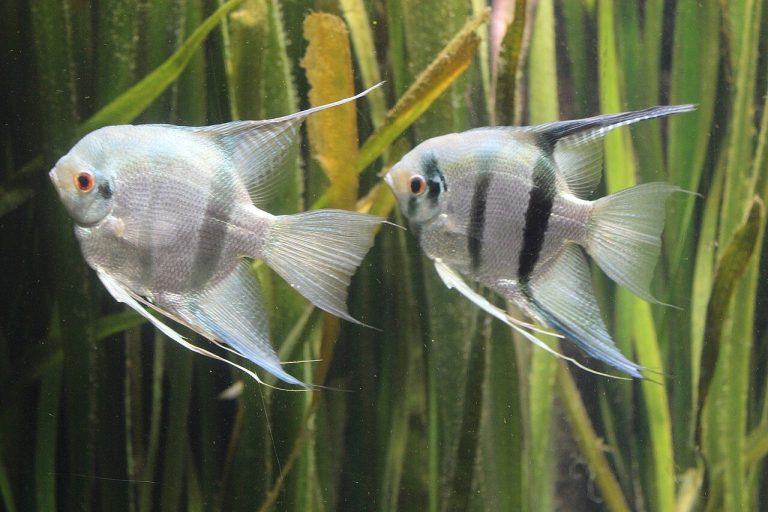
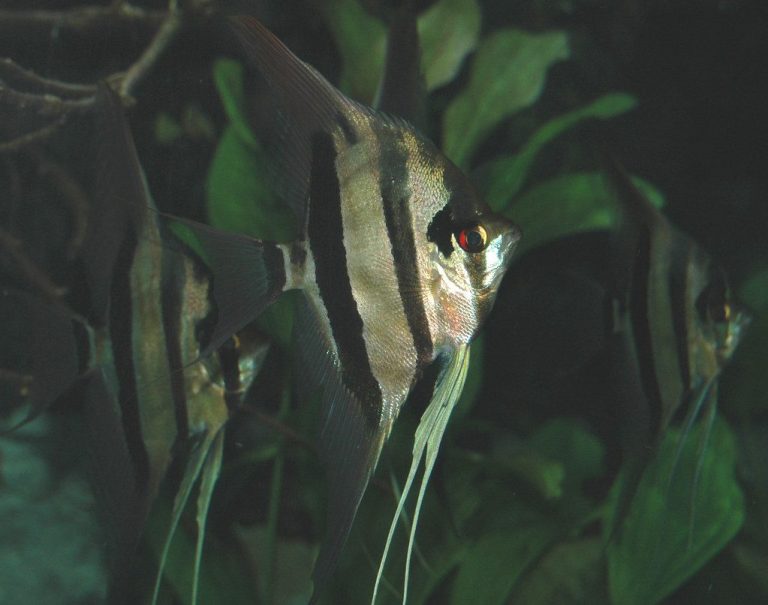
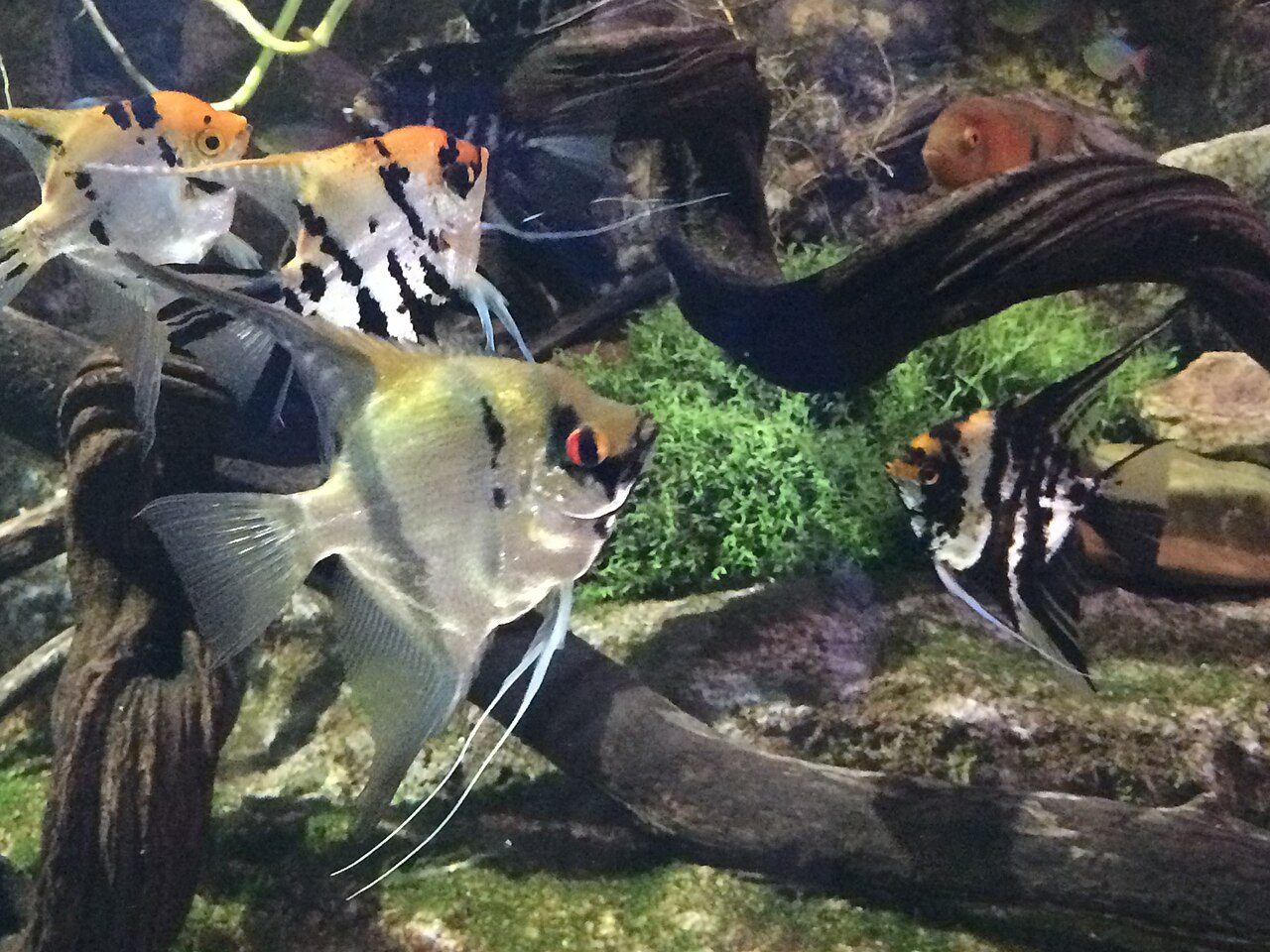
At a glance: Freshwater angelfish (Pterophyllum scalare)
- Temperature
- 76–84°F (24–29°C)
- Water pH
- 6.0–7.5
- Adult size
- 6 in long, 8 in tall (15 × 20 cm)
- Minimum tank
- 30 gal for a pair, 55 gal tall for a group
- Group size
- Pair or group of 5+
- Temperament
- Semi-aggressive, territorial when breeding
- Diet
- Omnivore: pellets, flakes, frozen bloodworm and brine shrimp
- Lifespan
- 10–12 years
Keeper’s tip: Choose a tall tank; height matters more than length for a fish that grows taller than it is long.
Introduction: Understanding Hole in the Head Disease in Your Angelfish
Hole in the Head disease, often abbreviated as HITH, is a distressing condition that can affect many freshwater fish, including our well-loved angelfish. Seeing pits, lesions, or eroded areas on your angelfish’s head and lateral line can be alarming. It’s a clear sign that something is amiss in their environment or diet.
This guide will walk you through everything you need to know about how to treat Hole in the Head disease in angelfish. My goal is to equip you with the knowledge and practical steps to treat this condition and also to prevent it from ever returning. With over a decade of experience in fish keeping, I’ve seen firsthand how proper care can make all the difference.
HITH isn’t just a cosmetic issue; it’s a symptom of deeper problems. Addressing these root causes is essential for your angelfish’s long-term health and vitality. Let’s go through identifying, treating, and ultimately preventing this common, yet often misunderstood, ailment.
Identifying Hole in the Head Disease: Early Signs and Progression
Recognizing HITH early can significantly improve your angelfish’s chances of a full recovery. The disease typically manifests as small pits or indentations on the head, around the eyes, and along the lateral line. These initial lesions can be subtle, making them easy to miss in their nascent stages.
As the disease progresses, these pits can become larger, deeper, and sometimes ulcerated. You might notice a white, stringy discharge from the lesions, which is often a sign of secondary bacterial or fungal infections taking hold. Affected fish may also show signs of lethargy, loss of appetite, and clamped fins.
In my experience, a keen eye during daily observation is your best tool. Pay attention to any changes in your angelfish’s appearance or behavior. Catching these signs early means you can intervene before the disease becomes severe and harder to treat.
Common Symptoms to Look For
Here’s a quick checklist of symptoms that often point towards Hole in the Head disease in angelfish:
| Symptom | Description | Progression Severity |
|---|---|---|
| Small Pits/Lesions | Tiny, pinprick-sized indentations on the head, typically above the eyes or near the gills. | Early Stage |
| Lateral Line Erosion | Erosion or pitting along the sensory lateral line, extending down the body. | Early to Mid Stage |
| Enlarged Lesions | Pits become noticeably larger, deeper, and more pronounced. | Mid Stage |
| White Discharge | Presence of a white, stringy, or cloudy substance emanating from the lesions. | Mid to Advanced Stage (indicates secondary infection) |
| Loss of Appetite | Fish refuses food or shows significantly reduced interest in feeding. | Mid to Advanced Stage (general stress indicator) |
| Lethargy & Hiding | Reduced activity, spending more time hiding or at the bottom of the tank. | Mid to Advanced Stage (general stress indicator) |
| Clamped Fins | Fins held close to the body, not spread out naturally. | Advanced Stage (general stress indicator) |
Pro Tip: Always observe your angelfish during feeding time. A sudden disinterest in food is often one of the first and most reliable indicators that something is wrong, even before visible physical symptoms appear. Early detection can make treatment much easier and more effective.
Understanding the Root Causes of Hole in the Head Disease
While HITH is often associated with the parasite Hexamita (now more accurately referred to as Spironucleus vortens), it’s rarely a standalone issue. In my experience, it’s almost always a multifactorial problem, with environmental stressors and nutritional deficiencies playing a significant role. Think of Spironucleus as an opportunistic pathogen that stays healthy when a fish’s immune system is compromised.
Poor Water Quality
This is perhaps the most common culprit behind many fish ailments, including HITH. High levels of nitrates, ammonia, and nitrites can stress angelfish, weakening their immune response. Inconsistent water parameters, sudden temperature swings, or improper angelfish water parameters can also contribute. Regular water changes are not just a chore; they are fundamental to maintaining a healthy environment.
Nutritional Deficiencies
A diet lacking essential vitamins and minerals, particularly Vitamin C, Vitamin D, and calcium, is a major contributor. Many commercial fish foods, if not high-quality or varied, may not provide a complete nutritional profile. Angelfish, like all cichlids, need a balanced diet that mimics what they’d find in their natural habitat.
Lack of Essential Minerals and Electrolytes
Activated carbon, while excellent for removing toxins and odors, can sometimes strip essential trace minerals from the water if used continuously without replenishment. These minerals are vital for fish health, osmotic regulation, and immune function. Over-filtration or prolonged use of carbon without mineral supplementation can be detrimental.
Stress and Overcrowding
An overcrowded aquarium leads to increased waste production, higher stress levels due to territorial disputes, and reduced oxygen. Stress, regardless of its source, suppresses the immune system, making fish more susceptible to diseases like HITH. Ensuring your angelfish have adequate space and compatible tank mates is important for their well-being. Consider reviewing your angelfish care guide for ideal living conditions.
How to Treat Hole in the Head Disease in Angelfish: A Step-by-Step Treatment Plan
Treating HITH requires a multi-pronged approach that addresses both the immediate symptoms and the underlying causes. Patience and consistency are key to successful recovery.
Step 1: Isolate and Observe (If Necessary)
If you have multiple fish and only one is showing severe symptoms, consider moving the affected angelfish to a hospital tank. This allows for targeted treatment without exposing healthy tank mates to medication. A hospital tank also makes it easier to closely monitor the fish’s progress and maintain pristine water conditions.
Step 2: Drastically Improve Water Quality
This is often the most critical step. Perform a significant water change immediately (50-75%) in the main tank or hospital tank. Follow up with daily or every-other-day water changes of 25-50% for at least two weeks, or until symptoms show improvement. Always use a reliable water conditioner that detoxifies chlorine and chloramines.
Make sure your filtration system is clean and functioning optimally. Test your water parameters frequently for ammonia, nitrites, and nitrates. Aim for ammonia and nitrites at 0 ppm, and nitrates below 20 ppm. Consistency in water parameters is vital.
Step 3: Bring out Nutrition
Upgrade your angelfish’s diet. Offer a variety of high-quality foods rich in vitamins, especially Vitamin C and D. Consider supplementing with vitamin-enriched flakes, pellets, frozen foods (like brine shrimp or bloodworms), and even fresh vegetables (e.g., blanched spinach, peas).
Some aquarists find success with specialized HITH-specific foods that are fortified with spirulina and other immune-boosting ingredients. Feeding a varied diet is key for long-term health, not just during illness.
Step 4: Medication (If Parasitic Infection is Suspected)
If symptoms persist despite environmental improvements and diet changes, a parasitic infection by Spironucleus vortens is highly probable. The most common and effective medication for this is Metronidazole.
Metronidazole can be administered in a few ways:
- Medicated Food: This is often the most effective method, as it directly targets internal parasites. You can purchase commercially prepared medicated foods or soak your fish’s regular food in a Metronidazole solution (following product instructions).
- Water Treatment: Metronidazole can also be added directly to the aquarium water. Follow the manufacturer’s instructions carefully for dosage and duration. Be aware that this method might impact beneficial bacteria in your filter, so monitor water parameters closely.
Always remove activated carbon from your filter during medication, as it will absorb the medicine, rendering it ineffective.
Common Mistake: Many aquarists rush to medication without first addressing water quality and diet. This is a essential error. Medications are far less effective, and sometimes completely useless, if the underlying environmental stressors are not corrected. Always prioritize pristine water and a balanced diet as your first line of defense.
Step 5: Replenish Essential Minerals
If you use activated carbon regularly, consider removing it for a period or supplementing the water with trace mineral additives specifically designed for freshwater aquariums. These products help replenish vital electrolytes and minerals that might be depleted, aiding in the fish’s recovery and overall health. Always follow dosage instructions carefully.
Step 6: Maintain Stable Environment
Ensure stable water temperature (angelfish prefer around 78-82°F or 25-28°C) and pH (neutral to slightly acidic, 6.5-7.5). Avoid sudden fluctuations, as these cause immense stress. Provide adequate hiding spots and reduce any potential sources of stress, such as aggressive tank mates or excessive light.
Preventing Hole in the Head Disease: Your Long-Term Strategy
Prevention is always better than cure, especially with a persistent issue like HITH. If you set a sturdy care routine, you can significantly reduce the risk of this disease affecting your angelfish.
Consistent Water Quality Management
- Regular Water Changes: Stick to a consistent schedule, typically 25% weekly. This dilutes nitrates and replenishes essential minerals.
- Test Water Regularly: Use a reliable test kit to monitor ammonia, nitrite, and nitrate levels.
- Proper Filtration: Make sure your filter is appropriately sized for your tank and that filter media is cleaned or replaced as recommended. Avoid neglecting filter maintenance.
Balanced and Varied Diet
- High-Quality Foods: Invest in premium flakes or pellets as a staple.
- Supplement with Frozen/Live Foods: Offer brine shrimp, bloodworms, daphnia, or spirulina-enriched foods a few times a week.
- Vegetable Matter: Include blanched peas or spirulina wafers occasionally.
- Vitamin Boosts: Consider adding liquid vitamin supplements to your fish food or directly to the water during water changes.
Ideal Tank Environment
- Appropriate Tank Size: Help your angelfish have enough space. Overcrowding is a major stressor. For more on tank sizing, check out our guide on minimum tank size for angelfish.
- Compatible Tank Mates: Choose peaceful fish that won’t harass your angelfish.
- Decor and Hiding Spots: Provide plants (live or artificial), driftwood, and rocks to create territories and reduce stress.
- Stable Parameters: Maintain consistent temperature and pH within the right range for angelfish.
Quarantine New Fish
Always quarantine new fish for 2-4 weeks in a separate tank before introducing them to your main display aquarium. This prevents the introduction of diseases, including parasites that could trigger HITH in stressed residents.
Common questions About Hole in the Head Disease
Q1: Can Hole in the Head disease spread to other fish?
Yes, while HITH is often linked to underlying environmental issues, the parasitic component (Spironucleus vortens) is contagious. It can spread through the water column, especially to other stressed or immune-compromised fish in the same tank. Prompt action is important.

- 2003First tank
- 20+Years keeping
- 40+Tanks kept
- 0Sponsored picks
Howard set up his first 10-gallon planted tank in 2003 and lost half of it within six weeks. Two decades and more than forty aquariums later, he writes the guides he wished he had then: clear numbers, the reasons behind them, and what actually goes wrong in home tanks.