Why Do Angelfish Fight Each Other? Unraveling Aggression
Angelfish fight each other primarily due to territoriality, breeding instincts, overcrowding, insufficient tank decor, and poor water quality. These beautiful cichlids establish hierarchies and defend their space, especially during spawning, leading to aggressive displays like chasing and lip-locking.
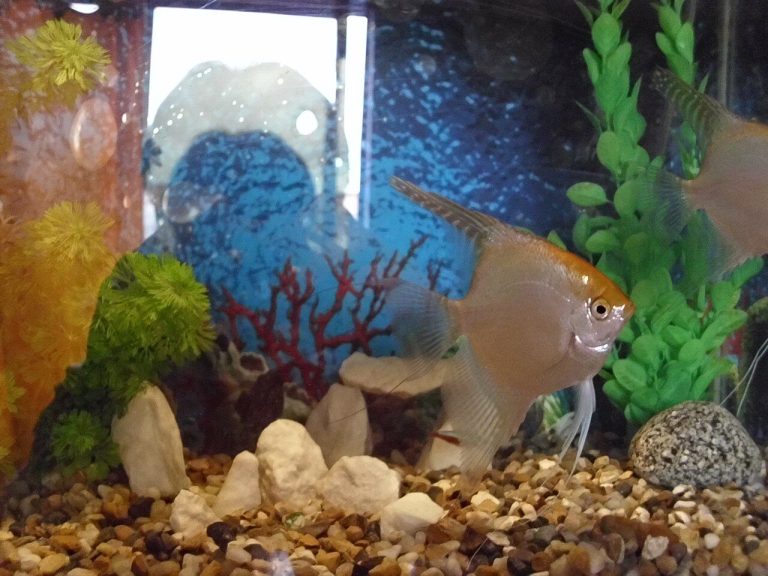
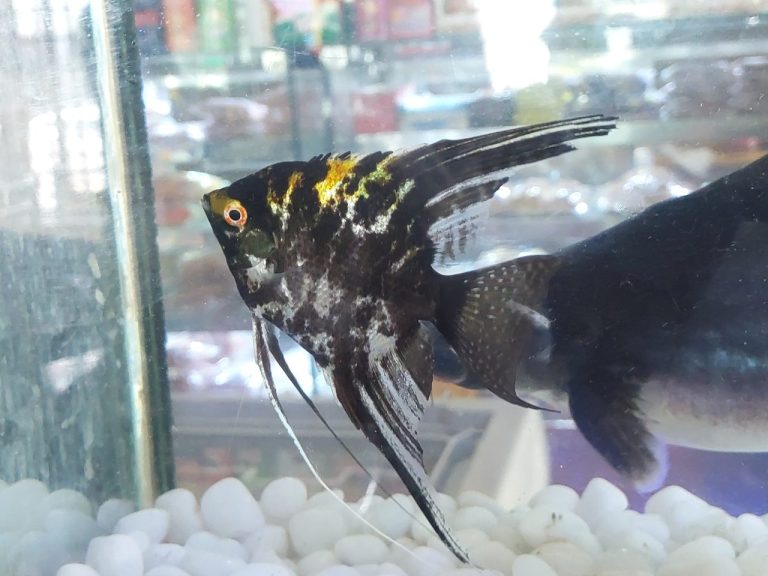
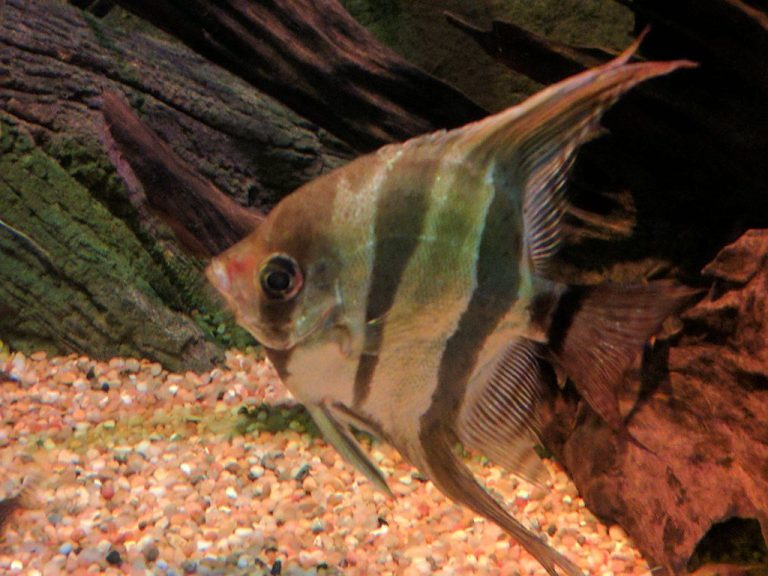
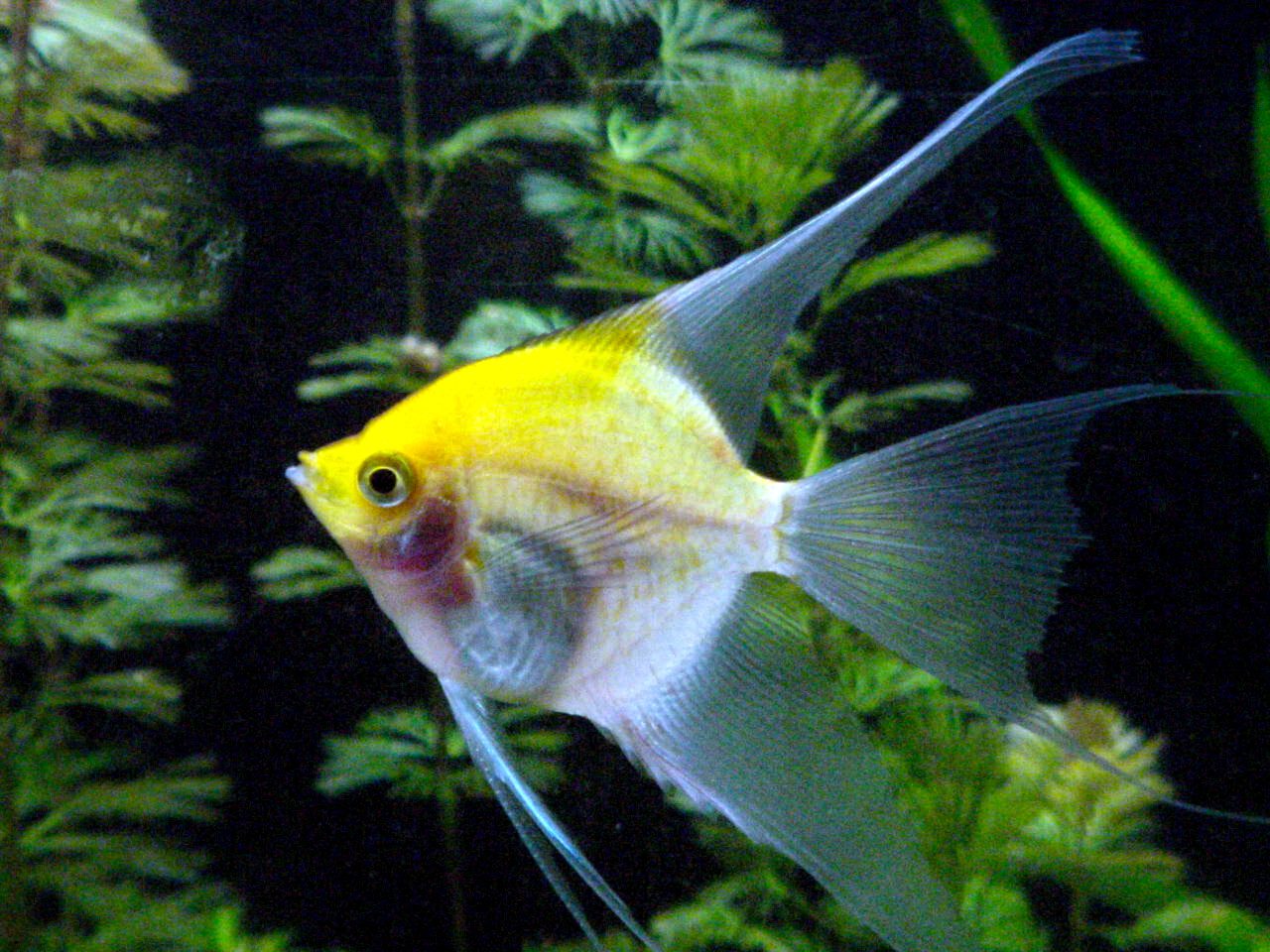
Angelfish, scientifically known as Pterophyllum scalare, are undeniably one of the most majestic freshwater fish in the aquarium hobby. Their graceful movements, striking fins, and diverse color patterns make them a centerpiece in many tanks. However, beneath their angelic facade often lies a surprisingly feisty temperament. Many aquarists, especially those new to keeping these elegant cichlids, often ask: why do angelfish fight each other?
In my experience, observing angelfish behavior over many years, understanding the root causes of their aggression is key to maintaining a peaceful aquarium. It’s not just about stopping the fights; it’s about creating an environment where these magnificent fish can settle in without constant stress. This comprehensive guide will go through the various reasons behind angelfish aggression and, more importantly, provide actionable strategies to prevent and manage it.
At a glance: Freshwater angelfish (Pterophyllum scalare)
- Temperature
- 76–84°F (24–29°C)
- Water pH
- 6.0–7.5
- Adult size
- 6 in long, 8 in tall (15 × 20 cm)
- Minimum tank
- 30 gal for a pair, 55 gal tall for a group
- Group size
- Pair or group of 5+
- Temperament
- Semi-aggressive, territorial when breeding
- Diet
- Omnivore: pellets, flakes, frozen bloodworm and brine shrimp
- Lifespan
- 10–12 years
Keeper’s tip: Choose a tall tank; height matters more than length for a fish that grows taller than it is long.
Understanding Angelfish Nature: Are They Always Aggressive?
Angelfish are members of the Cichlidae family, a group renowned for its intelligence, complex social behaviors, and often, territorial nature. While not as overtly aggressive as some other cichlids, angelfish possess an inherent instinct to establish dominance and defend their space. This is a natural part of their biology.
Their aggression isn’t always constant or directed at every tank mate. It often manifests as conspecific aggression, meaning they tend to fight amongst themselves or with other angelfish. This behavior can range from mild chasing to intense sparring, including dramatic lip-locking.
The Role of Cichlid Territoriality
Being a cichlid, angelfish exhibit strong territoriality, particularly as they mature. This instinct dictates that they claim and defend a specific area within the aquarium. This territory might be a patch of plants, a rock formation, or even a corner of the tank.
Any perceived encroachment into this territory can trigger an aggressive response. Understanding this fundamental aspect of cichlid behavior is important for managing their interactions.
Key Reasons Why Angelfish Fight Each Other
Several factors contribute to aggressive behavior among angelfish. Identifying the specific trigger in your tank is the first step toward a solution. Often, it’s a combination of these elements.
1. Insufficient Tank Size and Overcrowding
One of the most common reasons for angelfish aggression is an undersized or overcrowded aquarium. Angelfish need ample space to establish territories and avoid constant confrontation. Without enough room, their natural territorial instincts turn into unavoidable conflicts.
When multiple angelfish are crammed into a small space, they lack the ability to escape or retreat from dominant individuals. This constant proximity improves stress levels for all fish, leading to more frequent and intense fights. A general rule of thumb for adult angelfish is a minimum of 20 gallons per fish, though larger is always better. For more details, see our guide on minimum tank size for angelfish.
Pro Tip: Tank Size Matters.
I’ve seen countless times how upgrading a tank can instantly resolve long-standing aggression issues. If you have multiple adult angelfish, aim for a tank that’s at least 55 gallons, preferably 75 gallons or more, especially if you plan on keeping a group. This provides enough swimming space and allows for the creation of multiple distinct territories.
2. Breeding Behavior and Spawning Site Defense
Angelfish are substrate brooders, meaning they lay their eggs on a flat surface like a broad plant leaf, a piece of slate, or even the aquarium glass. When a pair forms and prepares to breed, their aggression levels spike dramatically. This is perhaps the most intense form of aggression you’ll witness.
The breeding pair will fiercely defend their chosen spawning site and the surrounding area. They will chase away any fish, including other angelfish, that come too close to their eggs or fry. This spawning site defense is vital for their reproductive success in the wild.
Note: Differentiating males and females can be tricky, especially when young. Learn more about how to tell male and female angelfish apart.
3. Establishing a Hierarchy and Dominance
Even outside of breeding, angelfish will establish a pecking order or hierarchical dominance within a group. This is a natural social structure. One or two fish will become dominant, while others will be submissive.
The dominant fish may occasionally chase or nip at the fins of subordinate angelfish. This is usually a way to reinforce their status. While not always harmful, constant harassment can stress weaker fish and make them susceptible to disease. Watch for signs like lip-locking, which is a direct challenge for dominance.
4. Lack of Hiding Spots and Visual Barriers
In an aquarium without adequate decor, angelfish have no way to break lines of sight or retreat from aggressive individuals. This creates a stressful environment where fish are constantly exposed to each other. Lack of cover exacerbates territorial disputes.
Adding plenty of plants (both live and artificial), driftwood, rocks, and caves provides essential visual barriers. These offer hiding spots for submissive fish and also help define territories, reducing direct confrontations. Dense planting can significantly curb aggression. For ideas, check out our guide on best plants for an angelfish tank.
5. Water Quality and Environmental Stress
Poor water parameters can severely stress angelfish, making them more prone to aggression. Elevated nitrogenous waste levels (ammonia, nitrite, nitrate) from infrequent water changes or overfeeding can compromise their immune system and alter their behavior. Suboptimal pH or temperature can also contribute to stress.
A clean, stable environment is essential for healthy, peaceful angelfish. Regular water changes and proper filtration are non-negotiable. Stressed fish are often irritable and more likely to lash out.
Common Mistake: Neglecting Water Changes.
Many new aquarists underestimate the impact of water quality on fish behavior. I’ve often seen fish become aggressive or lethargic when ammonia or nitrite levels are even slightly elevated. Always test your water regularly and perform consistent water changes to keep your angelfish happy and healthy.
6. Food Competition
While not as common a primary cause, food competition can intensify existing aggression, especially in overcrowded tanks. If food is scarce or distributed unevenly, angelfish may fight over access to meals. This is particularly true if one fish is slower or less assertive.
Make sure all angelfish get enough food by distributing it widely or using multiple feeding points. Feeding a varied diet, as discussed in our how often to feed angelfish guide, also contributes to overall health and reduces stress.
7. Pheromone Signaling
Fish communicate through various means, including pheromone signaling. These chemical cues released into the water can influence behavior, including aggression. In a closed aquarium system, high concentrations of pheromones from dominant or breeding fish can sometimes contribute to heightened stress and aggression among tank mates. This is another reason why excellent filtration and regular water changes are so important.
Recognizing Signs of Angelfish Aggression
Before things escalate, it’s helpful to recognize the early signs of aggression.
- Chasing: One angelfish repeatedly pursuing another, often nipping at fins.
- Flared Fins: An angelfish spreading its fins wide to appear larger and more intimidating.
- Lip-locking: Two angelfish locking mouths and pushing each other. This is a direct challenge for dominance and can lead to injury.
- Nipped Fins: Physical damage to fins is a clear sign that aggression has moved beyond mere display.
- Hiding/Isolation: A continuously stressed, subordinate angelfish may spend all its time hiding or staying away from the group.
- Color Fading: Stressed angelfish may lose their rich coloration.
Strategies to Minimize Angelfish Fighting
Now that we understand why angelfish fight each other, let’s explore practical solutions to promote peace in your aquarium.
1. Keep Adequate Tank Size and Proper Stocking
This is essential. For a pair of adult angelfish, a 29-gallon tank is often considered a minimum, but it’s a compromise. A 40-gallon breeder or a 55-gallon tank is far better for a pair. If you want to keep a group of 4-6 young angelfish to allow them to pair off, a 75-gallon tank or larger is ideal. This allows for stable hierarchies and reduces stress.
| Tank Size (Gallons) | Recommended Angelfish Count (Adults) | Comments |
|---|---|---|
| 20-29 Gallons | 1 (solo) or 1 established pair (if very well-decorated) | Minimum for a single adult or a very carefully chosen, bonded pair. Not ideal for groups. |
| 40-55 Gallons | 1-2 pairs or a small group of 3-4 (with caution) | Better for a pair. If keeping a group, help ample decor and be prepared to separate. |
| 75+ Gallons | 4-6+ (depending on specific dimensions and decor) | Ideal for a community of angelfish, allowing for natural hierarchies and less stress. |
2. Provide Abundant Decor and Visual Barriers
Strategically placed plants, driftwood, and rock formations are essential. Create “line of sight” breaks that allow subordinate fish to hide and dominant fish to establish clear territories. Tall plants like Amazon Swords or Vallisneria work wonderfully. Caves or overturned terracotta pots can also provide refuge.
3. Manage Breeding Behavior
If a pair of angelfish starts breeding, they will become intensely territorial. If this aggression is causing severe stress or harm to other tank mates, you have a few options:
- Separate the Pair: Move the breeding pair (and their eggs/fry) to a dedicated breeding tank. This is often the best solution for the long-term health of your community tank.
- Increase Visual Barriers: If separation isn’t immediately possible, add even more dense planting or decor around their chosen spawning site.
4. Maintain Pristine Water Quality
Regular water changes (25-30% weekly) are critical. Use a reliable test kit to monitor ammonia, nitrite, and nitrate levels. Make sure your filtration system well-maintained and never let filter media get excessively dirty. Consistent water parameters reduce stress and the likelihood of disease, which can contribute to irritability.
5. Feed Appropriately and Adequately
Ensure all fish get enough food. Feed small amounts multiple times a day rather than one large meal. Spread the food around the tank to prevent a single dominant fish from monopolizing it. A high-quality, varied diet will keep your angelfish healthy and less prone to stress-induced aggression.
6. Introduce Angelfish as a Group (If Tank Size Allows)
It’s often recommended to introduce 4-6 juvenile angelfish into a large, established tank. This allows them to grow up together and form their hierarchy more naturally. As they mature, a pair (or two) may form, and you might need to rehome the remaining individuals if aggression becomes problematic. This strategy helps mitigate sudden challenges for established territories.
7. Observe and Intervene When Necessary
Regularly observe your angelfish. If you notice persistent chasing, torn fins, or a fish constantly hiding, it’s time to act. Sometimes, simply rearranging the tank decor can disrupt established territories and reset the dynamics. In extreme cases, you may need to temporarily remove an overly aggressive fish to a “time-out” tank or rehome it permanently.
| Aggression Trigger | Signs to Look For | Recommended Solutions |
|---|---|---|
| Territorial Disputes | Chasing, fin-nipping, flared gills, lip-locking, one fish dominating a specific area. | Increase tank size, add more visual barriers (plants, driftwood), rearrange decor, introduce fish in groups. |
| Breeding Behavior | Intense defense of a specific spawning site (leaf, slate), chasing all other fish away, pair formation. | Move breeding pair to a dedicated breeding tank, add dense planting around the spawning site. |
| Overcrowding/Stress | Constant harassment, submissive fish hiding or showing faded colors, overall high stress. | Reduce fish count, upgrade tank size, improve water quality, make sure proper diet. |
| Hierarchical Dominance | Occasional chasing or nudging by a larger fish, but generally not leading to injury. | Keep plenty of space and hiding spots for subordinate fish. Usually resolves naturally in large tanks. |
| Poor Water Quality | Lethargy, labored breathing, increased aggression, faded colors, disease symptoms. | Perform immediate water changes, test parameters (ammonia, nitrite, nitrate), improve filtration. |
Reader questions About Angelfish Aggression
Do angelfish fight to the death?
While rare, severe angelfish aggression can sometimes lead to the death of a weaker or more stressed fish. Constant harassment, fin nipping, and lack of escape routes can lead to extreme stress, injury, and susceptibility to disease, ultimately resulting in fatalities. Intervention is often necessary to prevent this outcome.
Can I keep just two angelfish?
Yes, you can keep two angelfish, but it comes with a caveat. If they are a bonded pair, they will likely get along well. If they are two random angelfish, one might become dominant and relentlessly bully the other, especially in a tank smaller than 55 gallons. Keeping a single angelfish or a larger group (4-6+) in an appropriately sized tank often leads to more stable dynamics.
Why is my angelfish chasing other fish?
Your angelfish is likely chasing other fish because it’s establishing or defending its territory, asserting dominance within the group, or preparing to breed. This behavior is intensified by small tank sizes, lack of hiding spots, or poor water quality. Observe the context of the chasing to determine the exact cause.
Do angelfish get less aggressive with age?
Generally, no. Angelfish tend to become more territorial and aggressive as they mature, especially when they reach breeding age. Juveniles are often more tolerant of each other, but as they grow and their hormonal drives kick in, their aggressive tendencies become more pronounced.
Can angelfish be kept with other fish?
Yes, angelfish can be kept with other fish, but careful selection of tank mates is key. Avoid very small fish (like neon tetras, which they might eat) and overly aggressive fish (like some barbs). Good tank mates include larger tetras (e.g., Black Skirt Tetras, Congo Tetras), bristlenose plecos, corydoras catfish, and larger rasboras. Always research compatibility before introducing new species.
What does it mean when angelfish lip-lock?
When angelfish lip-lock, it’s a direct display of aggression and a challenge for dominance. They are essentially testing each other’s strength and resolve. This behavior can lead to mouth injuries, so if it persists or escalates, intervention may be required to separate the fighting fish.
In short
Observing why do angelfish fight each other has been a constant learning curve throughout my years in the hobby. While angelfish are beautiful additions to any aquarium, their cichlid nature means they require careful consideration of their environment and social dynamics. Understanding their territorial instincts, breeding behaviors, and the impact of tank conditions is the top priority.
If you provide ample space, abundant decor, pristine water quality, and a well-thought-out stocking plan, you can significantly reduce aggression and help your angelfish live a long, healthy, and relatively peaceful life. A healthy aquarium is a balance of science and observation. With a little patience and proactive management, you can enjoy the majestic beauty of these “kings” of the freshwater tank without the constant worry of conflict.

- 2003First tank
- 20+Years keeping
- 40+Tanks kept
- 0Sponsored picks
Howard set up his first 10-gallon planted tank in 2003 and lost half of it within six weeks. Two decades and more than forty aquariums later, he writes the guides he wished he had then: clear numbers, the reasons behind them, and what actually goes wrong in home tanks.