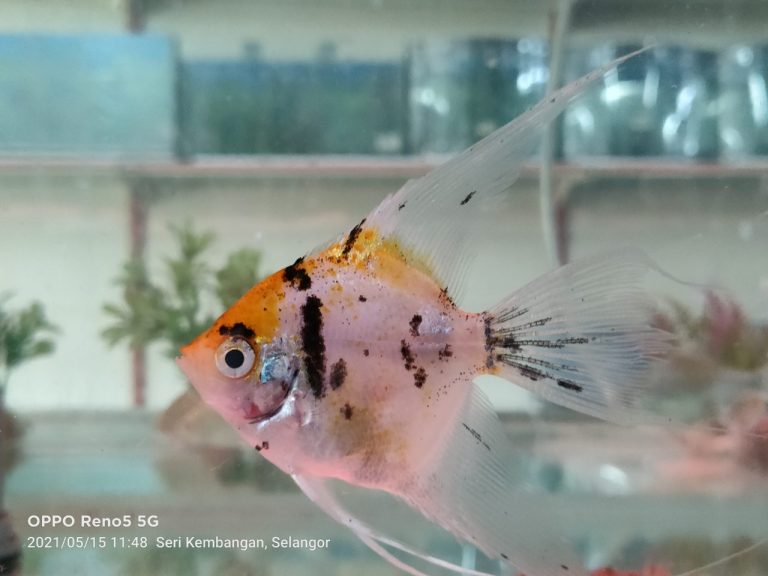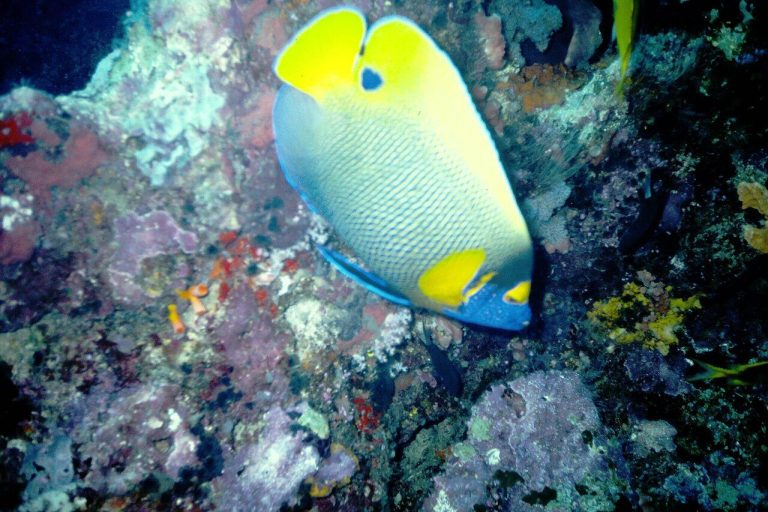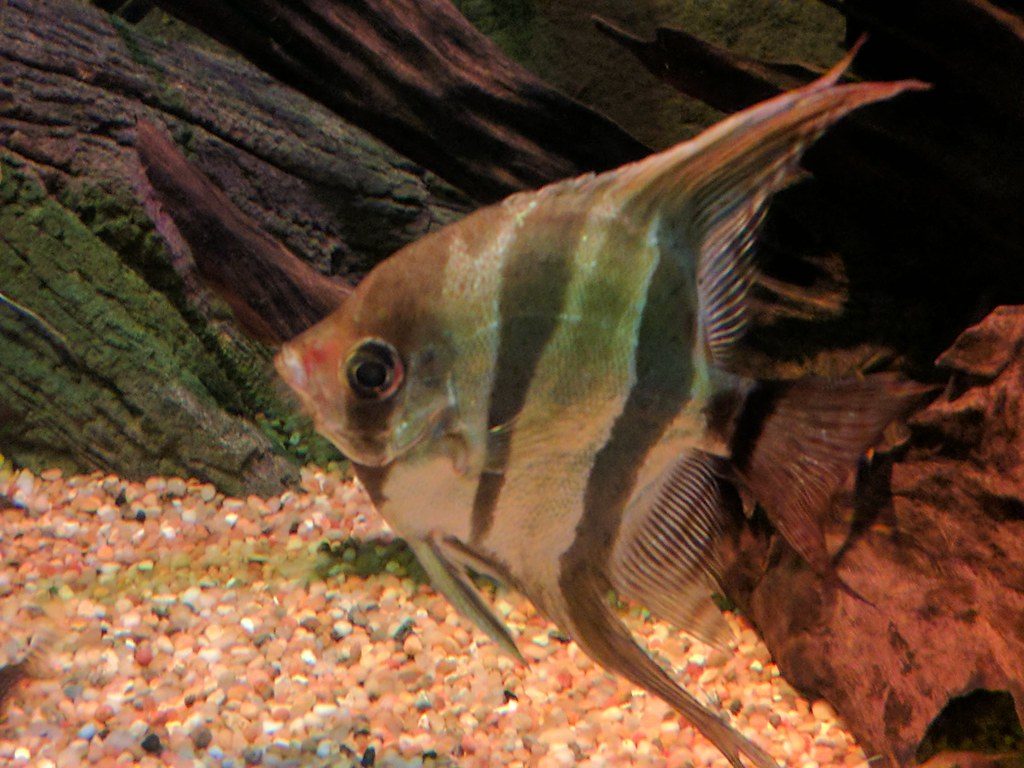
Why Do Angelfish Eggs Turn White – Causes and Fixes
Angelfish eggs turn white because they are either unfertilized or have been killed by fungal infections like Saprolegnia. These dead eggs quickly become opaque and must be removed to prevent the fungus from spreading to healthy, viable embryos.
Breeding the majestic Pterophyllum scalare is one of the most satisfying milestones for any aquarium enthusiast. There is nothing quite like the sight of a bonded pair carefully cleaning a slate or leaf in preparation for their new family.
However, that initial excitement often turns to heartbreak when you notice those tiny, translucent spheres beginning to cloud over. In my experience, seeing a clutch of eggs fail is a rite of passage that almost every breeder faces at least once.
If you are wondering why do angelfish eggs turn white, you are likely dealing with one of three common issues: fertilization failure, fungal attack, or poor water chemistry. Understanding these variables is the first step toward seeing those eggs transform into swimming fry.
Pro Tip: Don’t panic if your pair’s first few spawns turn white. Young angelfish often need several “practice runs” to synchronize their timing and master the fertilization process.
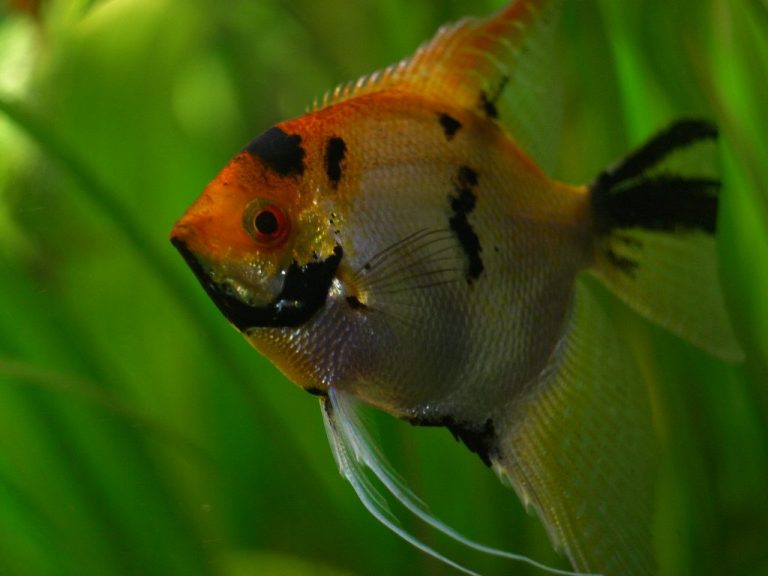
At a glance: Freshwater angelfish (Pterophyllum scalare)
- Temperature
- 76–84°F (24–29°C)
- Water pH
- 6.0–7.5
- Adult size
- 6 in long, 8 in tall (15 × 20 cm)
- Minimum tank
- 30 gal for a pair, 55 gal tall for a group
- Group size
- Pair or group of 5+
- Temperament
- Semi-aggressive, territorial when breeding
- Diet
- Omnivore: pellets, flakes, frozen bloodworm and brine shrimp
- Lifespan
- 10–12 years
Keeper’s tip: Choose a tall tank; height matters more than length for a fish that grows taller than it is long.
The Science Behind White Angelfish Eggs
When an angelfish egg is first laid, it should appear translucent with a slight amber or yellowish tint. This transparency indicates that the embryo inside is alive and developing.
When an egg turns a stark, opaque white, it means the biological material inside has died. This death triggers a rapid change in the egg’s protein structure, much like how an egg white turns opaque when cooked.
The most common reason why do angelfish eggs turn white is a lack of fertilization. If the male does not successfully fertilize the unfertilized oocytes, they will begin to decompose within 12 to 24 hours.
Identifying Unfertilized Eggs
Unfertilized eggs usually turn white in a scattered pattern across the spawning site. You might see a healthy egg right next to a white one, creating a “salt and pepper” appearance.
In my early years of breeding, I noticed that if the entire batch turns white simultaneously, the issue is more likely environmental than a fertilization failure. A single unfertilized egg is not a disaster, but it can become a breeding ground for pathogens.
The Role of Fungal Hyphae
Once an egg dies, it becomes a food source for aquatic fungi, most notably Saprolegnia. This fungus manifests as fuzzy, hair-like structures known as fungal hyphae that grow outward from the dead egg.
If these fungal strands touch adjacent healthy eggs, they can actually “suffocate” or infect them. This is why parents are often seen picking at the eggs; they are trying to remove the white ones before the fungus spreads.
Water Chemistry and Egg Viability
Water quality is the foundation of successful proper care for these majestic cichlids. Angelfish eggs are far more sensitive to water parameters than the adult fish themselves.
One of the primary reasons why do angelfish eggs turn white involves the mineral content of your water. If the water is too hard, the outer membrane of the egg can calcify too quickly, preventing fertilization.
Conversely, if the Total Dissolved Solids (TDS) are too high, the resulting osmotic shock can kill the embryo. This is a common pitfall for hobbyists using untreated tap water for breeding.
| Parameter | Ideal Range for Breeding | Impact on Eggs |
|---|---|---|
| Temperature | 80°F – 82°F (26.5°C – 28°C) | Speeds up development and reduces fungal window. |
| pH Level | 6.5 – 6.8 | Slightly acidic water inhibits fungal growth. |
| TDS (Total Dissolved Solids) | 50 – 100 ppm | Soft water helps keep egg membrane permeability. |
| Carbonate Hardness (KH) | 1 – 3 dKH | Low KH helps maintain an acidic environment. |
The Importance of Dissolved Oxygen
The embryos inside the eggs require a constant supply of oxygen to survive. In many cases, why do angelfish eggs turn white is simply due to low dissolved oxygen saturation in the water.
In the wild, the parents provide this by fanning the eggs with their pectoral fins. If you are raising the eggs artificially, you must provide a gentle but consistent flow of bubbles near the eggs to mimic this behavior.
How to Prevent Angelfish Eggs from Turning White
Preventing white eggs requires a proactive approach that starts long before the fish actually spawn. Ensuring you have a healthy pair from a reputable selecting the right variety is the first step.
If you are dealing with a pair that consistently produces white eggs, you may need to intervene chemically. This is particularly common when breeding delicate unique color morphs like Platinums or Kois.
Using Anti-Fungal Treatments
Many professional breeders use Methylene blue to protect the eggs. This deep blue dye acts as a powerful anti-fungal and anti-bacterial agent that prevents Saprolegnia from taking hold.
When I first tried this, I was worried about the dark color of the water, but it is incredibly effective. You only need enough to turn the water a light sky blue to provide protection.
Another option is Acriflavine, which is often preferred by those who find Methylene blue too messy. Both chemicals work by inhibiting the growth of fungus on the egg’s surface, buying the embryo time to hatch.
Pro Tip: If using Methylene blue, perform a 50% water change once the eggs reach the “wiggler” stage. This makes sure the fry aren’t overexposed to the chemical as they begin to absorb their yolk sacs.
Common Mistakes in Angelfish Breeding
Even seasoned keepers make mistakes that can lead to a failed spawn. One of the most frequent errors is moving the eggs too soon or exposing them to the air.
Sudden changes in temperature or water chemistry during a water change can cause the eggs to die. This is often referred to as “shocking” the clutch, and it is a leading reason why do angelfish eggs turn white overnight.
Parental Stress and Egg Eating
Angelfish are surprisingly sensitive parents. If they feel threatened by tank mates or high traffic outside the glass, they may stop fanning the eggs or, worse, eat them.
When parents stop fanning, the eggs lose access to fresh, oxygenated water. Without that circulation, bacteria and fungus settle on the eggs, causing them to turn white and die within hours.
Artificial Incubation: A Step-By-Step Guide
If your parents are not doing a good job, or if you want to maximize your yield, artificial incubation is the way to go. This involves moving the spawning site (usually a slate or cone) to a separate, smaller container.
- Prepare a Hatching Tank: Use a small 2-5 gallon tank with water from the main breeding tank.
- Add Anti-Fungals: Add Methylene blue until the water is tinted.
- Position the Eggs: Place the slate at an angle and position an air stone at the base.
- Adjust Airflow: The bubbles should flow near the eggs but not directly hit them, creating a gentle current.
- Monitor Temperature: Make sure the heater is stable at 80°F to promote rapid development.
By controlling the environment, you eliminate the variables of parental stress and predation. This method often solves the mystery of why do angelfish eggs turn white for many frustrated hobbyists.
Troubleshooting Your Breeding Setup
If you have optimized your water and used anti-fungals but the eggs still turn white, you may need to look at the health of the parents. A diet low in protein or essential fats can lead to poor egg quality.
I have found that supplementing the parents’ diet with live foods like brine shrimp or blackworms significantly improves the “fertility rate” of the eggs. Healthy parents produce sturdy embryos that are better equipped to resist infection.
The Importance of Tank Hygiene
A dirty tank is a breeding ground for the very fungi that kill angelfish eggs. Regular maintenance and the removal of organic waste are essential for a successful breeding project.
Make sure your sponge filters are clean and that there is no decaying food in the substrate. High nitrate levels can weaken the egg’s defenses, making them much more susceptible to turning white.
Reader questions
How long does it take for angelfish eggs to hatch?
Under ideal conditions (80-82°F), angelfish eggs typically hatch into “wigglers” within 48 to 72 hours. If the eggs have not turned white by the third day, you are likely in the clear.
Can I save an egg once it turns white?
No, once an egg turns white, the embryo is dead. The goal is to remove the white eggs as quickly as possible to prevent the fungus from spreading to the remaining healthy eggs.
Why does my male angelfish ignore the eggs?
This is common in young or inexperienced males. It may take several spawns before the male understands his role in the fertilization process, which is why early eggs often turn white.
Is Methylene blue safe for the fry?
Yes, in the correct dosage, it is safe. However, it should be diluted or removed through water changes once the fry are free-swimming to help they have the best start in life.
Can high light levels cause eggs to turn white?
While angelfish eggs are not strictly light-sensitive, intense direct sunlight can cause temperature fluctuations or promote algae growth on the eggs, both of which are detrimental.
Before you go
Determining why do angelfish eggs turn white is a puzzle that requires looking at your aquarium as a complete ecosystem. From the mineral content of your water to the experience level of your breeding pair, every factor plays a role in the survival of the clutch.
If you keep soft, acidic water, using prophylactic treatments like Methylene blue, and keeping high dissolved oxygen saturation, you can significantly increase your success rate. Patience is the most important tool in any breeder’s kit.
Don’t be discouraged by a few white eggs. Each failed spawn is a learning opportunity that brings you one step closer to a tank full of healthy, vivid angelfish fry. Keep experimenting, keep testing your water, and soon you will experience the joy of seeing your first “wiggler” take its first swim.

- 2003First tank
- 20+Years keeping
- 40+Tanks kept
- 0Sponsored picks
Howard set up his first 10-gallon planted tank in 2003 and lost half of it within six weeks. Two decades and more than forty aquariums later, he writes the guides he wished he had then: clear numbers, the reasons behind them, and what actually goes wrong in home tanks.