Is Angelfish Fighting Normal? Understanding Aggression
While some mild angelfish squabbles are normal for establishing a pecking order, persistent or violent fighting is not and often signals underlying issues with tank size, stocking, or breeding dynamics that require immediate attention to prevent injury or stress.
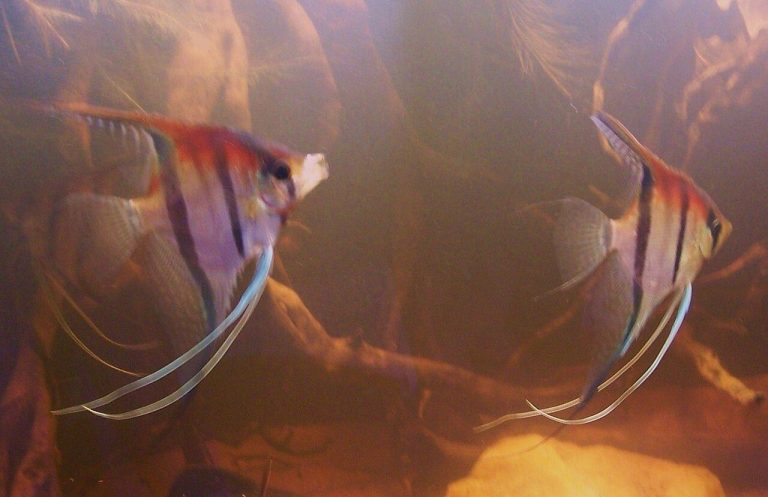
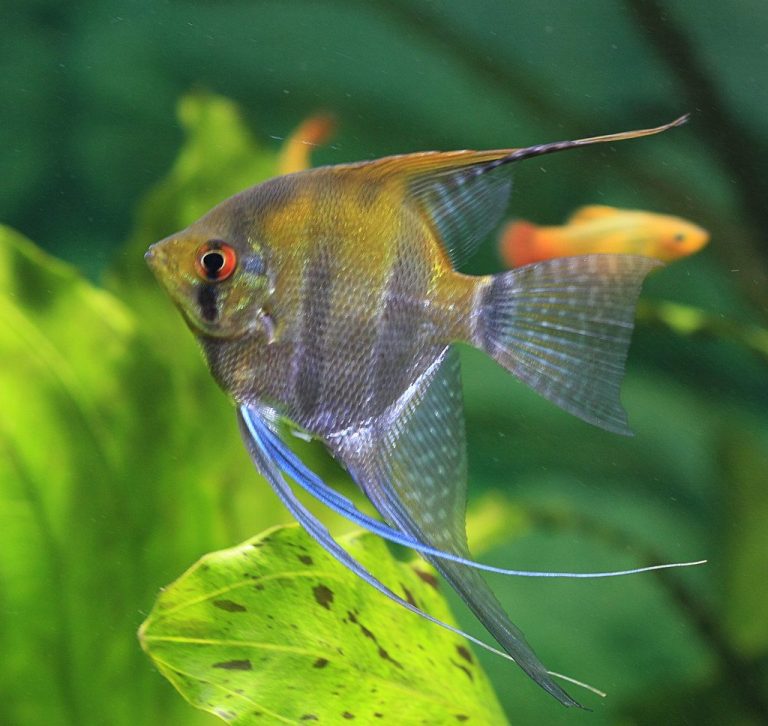
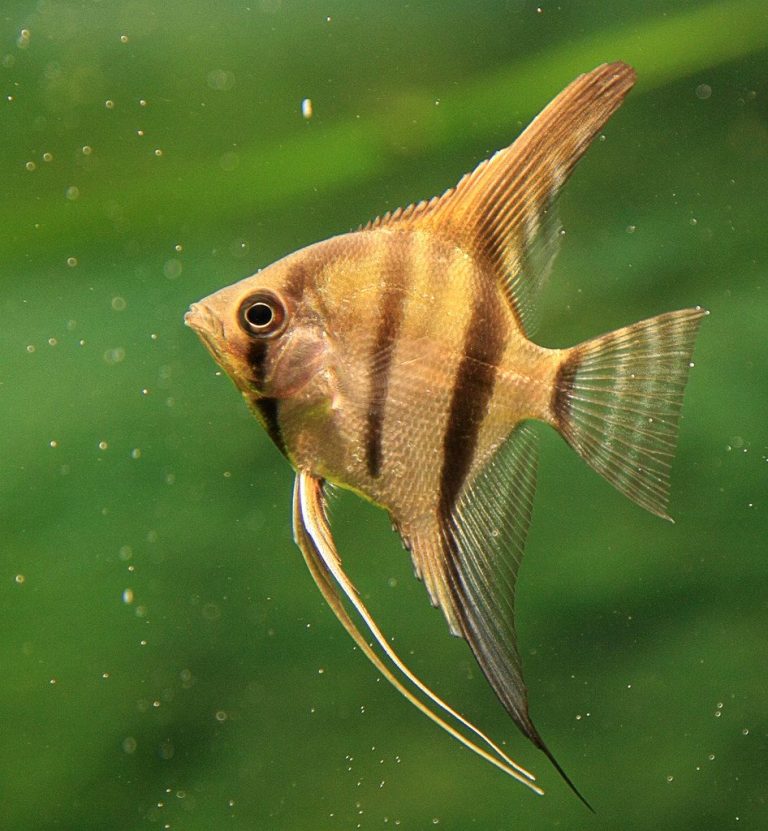
Angelfish, with their majestic fins and graceful swimming, are often the crown jewels of many freshwater aquariums. Their elegant appearance belies a remarkable and sometimes challenging social dynamic. As an aquarist with over a decade of experience, I’ve seen firsthand how their behavior can shift, sometimes leading to concerning displays of aggression.
The question, “is angelfish fighting normal?” is one I hear often from both new and intermediate hobbyists. The simple answer is: it depends. A certain level of interaction, even what might look like minor squabbling, is a natural part of angelfish social structure. However, knowing when normal behavior crosses into dangerous territory is vital for the health and harmony of your aquarium.
This comprehensive guide will look at the nuances of angelfish aggression, helping you differentiate between healthy hierarchy establishment and problematic bullying. We’ll explore the underlying causes, recognizable signs, and most importantly, actionable strategies to make sure your beautiful Pterophyllum scalare stay healthy in a peaceful environment.
At a glance: Freshwater angelfish (Pterophyllum scalare)
- Temperature
- 76–84°F (24–29°C)
- Water pH
- 6.0–7.5
- Adult size
- 6 in long, 8 in tall (15 × 20 cm)
- Minimum tank
- 30 gal for a pair, 55 gal tall for a group
- Group size
- Pair or group of 5+
- Temperament
- Semi-aggressive, territorial when breeding
- Diet
- Omnivore: pellets, flakes, frozen bloodworm and brine shrimp
- Lifespan
- 10–12 years
Keeper’s tip: Choose a tall tank; height matters more than length for a fish that grows taller than it is long.
Angelfish are a type of cichlid, a family of fish known for their intelligence, complex social behaviors, and often, their territorial instincts. This innate cichlid territoriality means that some level of interaction, which can appear as fighting, is simply how they work through their world and establish their place within it.
In a community tank, angelfish will naturally attempt to form a pecking order or hierarchy. This is where you might observe mild conspecific aggression as they sort out who’s in charge. This is often more pronounced when new fish are introduced or when juveniles mature.
Pro Tip: Observing Natural Hierarchy
When observing angelfish in a new group or after a tank change, give them a few days to establish their pecking order. You might see some chasing, fin nipping, or even gill flaring. As long as no fish are being severely injured or constantly harassed, this initial phase can be a normal part of hierarchy establishment. Intervention is usually only needed if it becomes persistent and harmful.
Hierarchy Establishment and Territoriality
Young angelfish, particularly in groups, will engage in displays to determine dominance. This can involve posturing, flaring fins, and brief chases. It’s their way of communicating strength and claiming space.
As they mature, these behaviors often become more focused, especially if a pair forms or if the tank space is limited. They become more territorial, particularly around preferred feeding spots or potential spawning sites. This is a fundamental aspect of their social structure.
Recognizing the Signs: Is Angelfish Fighting Normal or a Problem?
Distinguishing between normal, acceptable interactions and dangerous aggression is key. Understanding the specific behaviors and their context will guide your intervention.
Normal Angelfish Interactions (Usually Harmless)
You might observe several behaviors that look like fighting but are usually benign. These include brief chasing, gentle fin nipping that doesn’t cause damage, and mild gill flaring as a warning.
Often, these displays are short-lived and individual fish can retreat easily. The fish involved typically return to normal swimming and feeding shortly after the interaction.
Signs of Problematic Aggression (Requires Intervention)
When aggression escalates, it can lead to stress, injury, and even death for weaker fish. Watch for these red flags:
- Persistent Chasing: One fish constantly pursues another, preventing it from eating or resting.
- Lip-locking: Two angelfish locking mouths and pushing against each other. While sometimes part of pairing rituals or hierarchy, prolonged lip-locking can cause severe mouth injuries.
- Fin Damage: Torn, frayed, or clamped fins are clear indicators of physical altercations.
- Hiding and Stress: A fish constantly hiding, showing faded colors, or refusing to eat is likely being bullied.
- Substrate Guarding: Aggressive defense of a specific area, especially the substrate, beyond what’s typical for a breeding pair.
If you see these signs, especially repeatedly, it’s a strong indication that the aggression is not normal and requires your attention.
| Behavior Type | Description | Interpretation | Action Needed |
|---|---|---|---|
| Brief Chasing/Nipping | Short bursts of chasing, minor nudges, no sustained pursuit. | Normal hierarchy establishment; testing boundaries. | Monitor; help ample hiding spots. |
| Gill Flaring | Fish extends gill covers, attempting to look larger. | Warning display; typically non-physical intimidation. | Monitor; usually resolves itself unless prolonged. |
| Lip-locking (brief) | Quick mouth-to-mouth contact, then separation. | Can be part of pairing ritual or serious dominance contest. | Observe closely; watch for frequency and duration. |
| Persistent Chasing | One fish relentlessly pursues another for extended periods. | Bullying, severe stress for the chased fish. | Immediate intervention; add visual barriers, re-evaluate stocking. |
| Lip-locking (prolonged) | Fish remain locked mouth-to-mouth for several seconds, visible effort. | Serious fight, potential for mouth damage. | Separate immediately; consider rehoming. |
| Fin/Body Damage | Torn fins, scales missing, visible wounds. | Physical injury from aggression. | Isolate injured fish, treat for secondary infections, address root cause of aggression. |
| Hiding/Lethargy | Fish constantly hiding, refusing food, faded color. | Severe stress from bullying. | Remove aggressor or victim; treat for stress. |
Common Causes of Angelfish Aggression
Understanding the root causes of aggression is the first step toward resolving it. Many factors contribute to why angelfish may fight beyond normal social interactions.
Tank Size and Stocking Density
One of the most frequent culprits behind aggression is an undersized tank or overstocking. Angelfish need ample vertical and horizontal space to feel secure and establish territories. A cramped environment amplifies stress and territorial disputes.
In my experience, trying to keep too many angelfish in a tank that doesn’t meet the minimum tank size requirements, especially as they grow, is a recipe for disaster. The general guideline for adult angelfish is at least 20 gallons per fish, with a minimum of 29 gallons for a single angelfish or a pair. Larger groups need significantly more space.
Lack of Hiding Spots and Visual Barriers
Angelfish need places to retreat and break line of sight. Without adequate plants, driftwood, or rockwork, a dominant fish can continuously see and harass a weaker one. This constant visual contact prevents the bullied fish from finding respite.
Creating visual barriers allows subordinate fish to escape the sight of aggressors, significantly reducing stress and actual physical altercations. Think vertical structures and dense planting.
Water Parameters and Tank Conditions
Poor water quality or unstable parameters can stress fish, making them more susceptible to illness and more prone to aggression. Angelfish settle in in clean, well-maintained tanks with consistent water parameters.
Fluctuations in temperature, pH, or high levels of ammonia, nitrite, or nitrate will weaken their immune systems and heighten their stress levels, potentially triggering aggressive outbursts.
Common Mistake: Ignoring Water Parameters
Many hobbyists, when faced with angelfish aggression, immediately look to tankmates or decorations. However, unstable or inappropriate water parameters are often silent stressors that can exacerbate territorial behavior and make fish generally cranky. Always check your water quality first if aggression suddenly spikes. Consistent partial water changes are non-negotiable for their well-being.
Diet and Feeding
An inadequate or inconsistent diet can also contribute to aggression. Malnourished fish are weaker and more stressed, while feeding scarcity can lead to heightened competition during meal times. Ensure your angelfish receive a balanced diet of high-quality flakes, pellets, and occasional live or frozen foods.
Breeding Behavior and Pairing
This is where angelfish aggression can become particularly intense. When a male and female form a breeding pair, their territoriality skyrockets. They will fiercely guard their chosen spawning site and any eggs or fry from all other tank inhabitants, including other angelfish.
If you’re trying to breed angelfish, this aggression is normal and necessary for their reproductive success. However, it can be devastating to other fish in the tank. Sexual dimorphism isn’t always obvious in angelfish, especially when young, so identifying a breeding pair can sometimes be a surprise.
Incompatible Tank Mates
While angelfish are generally peaceful community fish, choosing the wrong tank mates can lead to problems. Fin-nippers will stress angelfish, making them defensive, while overly boisterous or aggressive fish can intimidate them. Conversely, very small fish might be seen as food.
Solutions and Prevention Strategies
Once you’ve identified the cause, you can implement strategies to reduce or eliminate angelfish aggression.
Optimize Tank Size and Stocking
Make sure your tank is appropriately sized for the number of angelfish you keep. If you have a group of angelfish, a larger tank (75 gallons or more) is ideal to dilute aggression and allow each fish to claim territory.
Consider the stocking density carefully. Sometimes, keeping a larger group (6+) can actually reduce aggression, as it spreads out the bullying among many individuals rather than focusing on one or two. This is called “dithering.” However, this only works in very large tanks.
Boost Aquascape with Visual Barriers
Decorate your tank with plenty of tall plants, driftwood, and rocks to create numerous visual barriers and hiding spots. This breaks up lines of sight and allows weaker fish to escape the constant attention of dominant ones.
Live plants are excellent for this purpose, providing both cover and contributing to water quality. When I first tried this in a tank with a particularly aggressive angelfish, I was amazed at how quickly the dynamics shifted for the better.
Maintain Pristine Water Quality
Regular water changes and diligent tank maintenance are the top priority. Test your water parameters regularly to help they are stable and within the ideal range for angelfish (e.g., pH 6.0-7.5, temperature 76-82°F).
A healthy environment reduces stress, making fish less prone to aggression. Consistent angelfish care is the foundation of a peaceful tank.
Provide a Balanced and Consistent Diet
Feed your angelfish a high-quality, varied diet two to three times a day, in small amounts they can consume within a few minutes. Avoid overfeeding, but ensure all fish get enough food. Multiple feeding spots can also help reduce competition.
Managing Breeding Aggression
If a pair is actively breeding, their aggression is natural. Your options are to dedicate a separate breeding tank for the pair or accept that other tank mates might be stressed or injured. If you choose to keep them in a community tank, make sure it’s very large with many hiding spots for other fish.
Choose Compatible Tank Mates
Research compatible tank mates carefully. Avoid known fin-nippers like Tiger Barbs or aggressive cichlids. Opt for peaceful, similarly sized fish such as larger tetras (e.g., Congo Tetras, Rummy Nose Tetras), Corydoras catfish, or bristlenose plecos.
Intervention and Isolation
If aggression becomes severe and causes injury, immediate action is needed. You may need to temporarily remove the aggressor to a separate tank or a breeder box. This “time out” can sometimes reset their dominance behavior. Alternatively, remove the bullied fish to recover.
When to Worry: Long-Term Consequences of Unchecked Aggression
Ignoring persistent angelfish fighting can have severe consequences for your entire aquarium. Chronic stress from bullying weakens a fish’s immune system, making it highly susceptible to diseases like fin rot, ich, and other parasitic or bacterial infections. I’ve seen healthy, bright angelfish quickly succumb to illness when constantly harassed.
Beyond disease, bullied fish may stop eating, leading to emaciation and eventual death. The constant stress can also affect their growth and overall development, preventing them from reaching their full potential size and color. For the aggressor, while seemingly dominant, constantly engaging in conflict is also stressful and can lead to a less stable, more volatile tank environment overall.
FAQ: Is Angelfish Fighting Normal?
Q1: Why are my angelfish suddenly fighting after living together peacefully for months?
A: Sudden aggression often signals a change in the tank environment or the fish themselves. Common culprits include a pair forming and beginning to breed, a growth spurt leading to new hierarchy dynamics, introduction of new fish, changes in tank decor, or declining water quality. Always check water parameters first, then observe for spawning behavior.
Q2: Can I keep a single angelfish to avoid fighting?
A: Yes, you can keep a single angelfish alone in a suitably sized tank. While they are social fish, a lone angelfish can stay healthy if given enough space and mental stimulation. This completely eliminates conspecific aggression. However, some aquarists prefer to keep them in groups or pairs due to their interesting social interactions.
Q3: What does lip-locking mean in angelfish?
A: Lip-locking, where two angelfish grasp each other’s mouths, can have two primary meanings. It can be part of a courtship ritual between a male and female establishing a pair bond, or it can be a serious dominance battle between two rival fish. If it’s brief and infrequent, especially with other signs of courtship, it might be pairing. If it’s prolonged, aggressive, and leads to injuries, it’s a fight and needs intervention.
Q4: How can I tell if two angelfish are pairing up or just fighting?
A: When angelfish are pairing for breeding, their interactions, including some chasing and gill flaring, will often be directed at other tank mates, driving them away from a chosen spawning site. The pair themselves will usually display synchronized swimming, clean a surface for egg-laying, and may engage in brief, gentle lip-locking. If they are aggressively fighting each other with sustained attacks and injuries, it’s not pairing.
Final thoughts
Understanding whether is angelfish fighting normal or a cause for concern is a fundamental aspect of keeping these magnificent fish successfully. While some mild displays of aggression are natural for hierarchy establishment, persistent or injurious fighting is a clear sign that something is amiss in your aquarium.
If you provide a spacious, well-decorated tank, maintaining excellent water quality, offering a balanced diet, and carefully selecting tank mates, you can create an environment where your angelfish can flourish peacefully. Always be observant, ready to intervene, and keep in mind that a peaceful aquarium is a reflection of a dedicated and knowledgeable aquarist. Your angelfish will thank you for it with their vivid health and graceful presence.

- 2003First tank
- 20+Years keeping
- 40+Tanks kept
- 0Sponsored picks
Howard set up his first 10-gallon planted tank in 2003 and lost half of it within six weeks. Two decades and more than forty aquariums later, he writes the guides he wished he had then: clear numbers, the reasons behind them, and what actually goes wrong in home tanks.