How To Stop Angelfish From Fighting – Causes and Fixes
To stop angelfish from fighting, provide ample space with visual barriers, make sure proper stocking density, maintain excellent water quality, offer a varied diet, and separate overly aggressive individuals or breeding pairs into their own tanks if necessary. Understanding their cichlid nature is key.
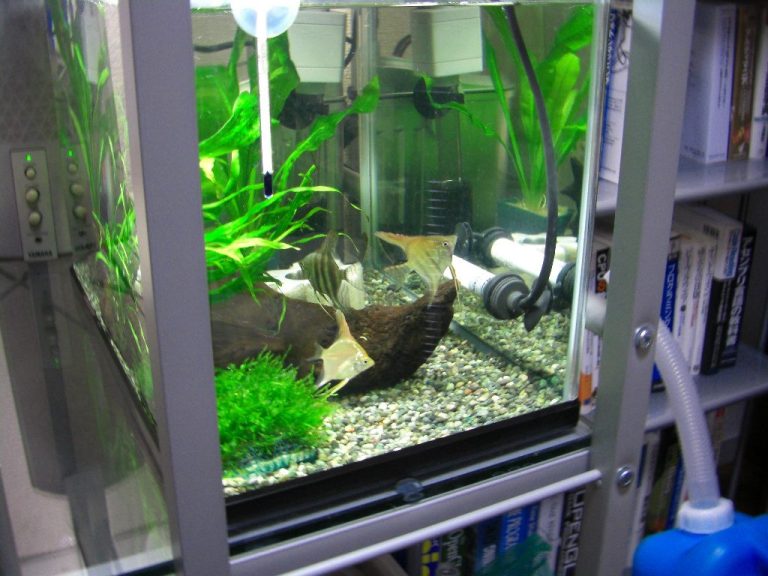
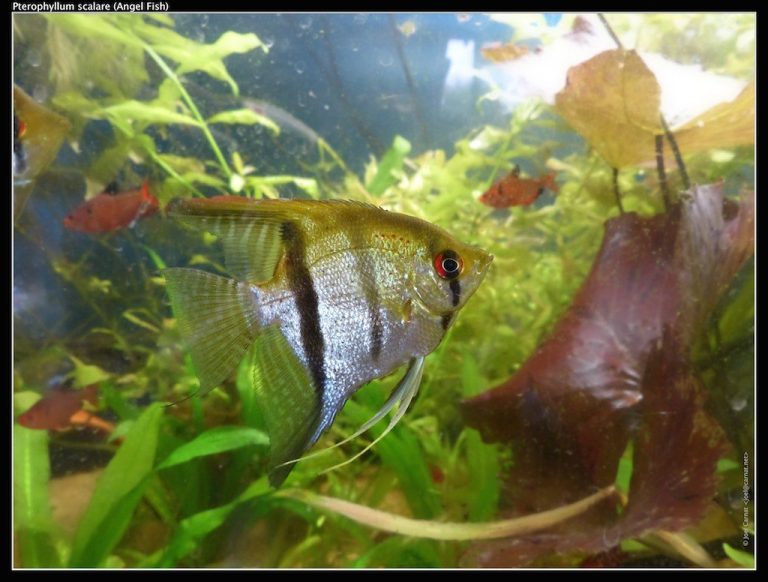
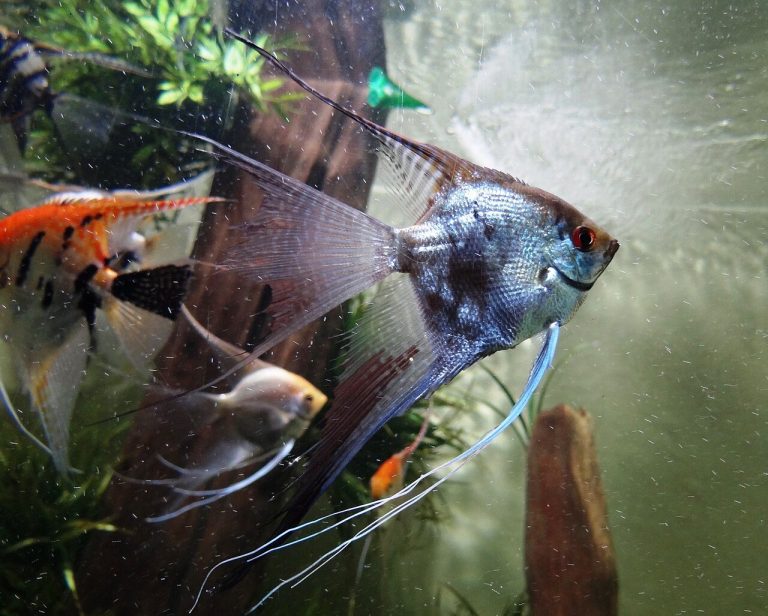
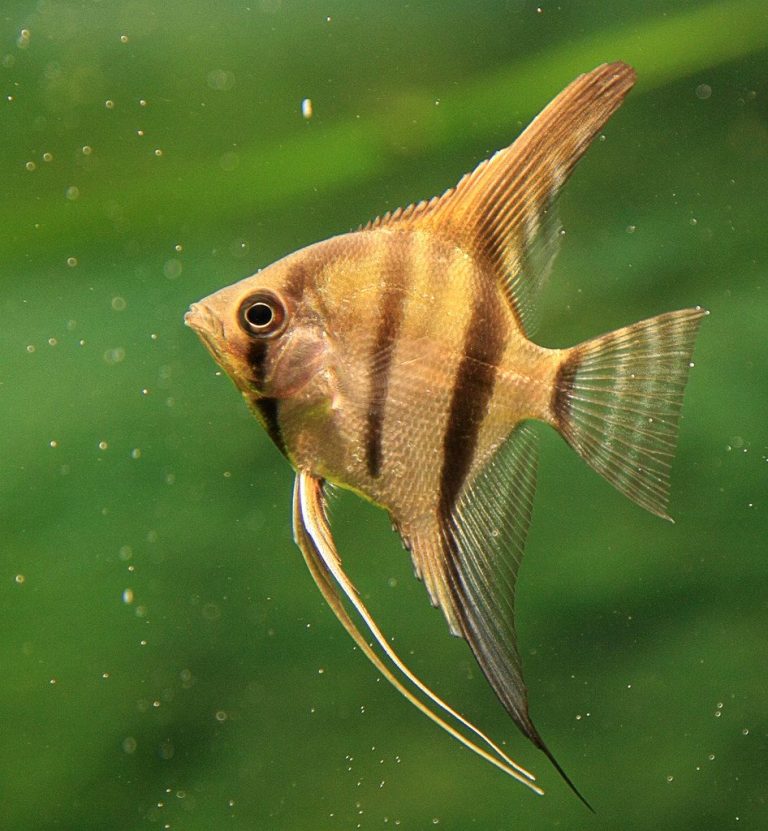
Angelfish, scientifically known as Pterophyllum scalare, are undeniably some of the most majestic and graceful fish in the freshwater aquarium hobby. Their tall, disc-shaped bodies and flowing fins bring a touch of elegance to any tank. However, beneath this serene exterior lies a strong cichlid instinct, which often manifests as territoriality and aggression.
If you’ve ever witnessed your beautiful angelfish engaging in intense chases, fin nipping, or even alarming bouts of lip-locking, you know how distressing it can be. This conspecific aggression, or fighting among members of the same species, is a common challenge for many aquarists. But don’t despair. With over a decade of personal experience in fish keeping, I’ve learned that understanding the root causes of this behavior and implementing strategic solutions can bring peace back to your angelfish community. This guide will walk you through exactly how to stop angelfish from fighting, transforming your tank into a peaceful underwater haven.
At a glance: Freshwater angelfish (Pterophyllum scalare)
- Temperature
- 76–84°F (24–29°C)
- Water pH
- 6.0–7.5
- Adult size
- 6 in long, 8 in tall (15 × 20 cm)
- Minimum tank
- 30 gal for a pair, 55 gal tall for a group
- Group size
- Pair or group of 5+
- Temperament
- Semi-aggressive, territorial when breeding
- Diet
- Omnivore: pellets, flakes, frozen bloodworm and brine shrimp
- Lifespan
- 10–12 years
Keeper’s tip: Choose a tall tank; height matters more than length for a fish that grows taller than it is long.
Understanding Angelfish Aggression: Why Do They Fight?
Before we can effectively address the problem, it’s important to understand why angelfish fight in the first place. These aren’t random acts of malice; they are typically driven by instinctual behaviors.
The Cichlid Instinct: Territoriality and Hierarchy
Angelfish are indeed cichlids, and like many members of this diverse family, they possess a strong sense of territoriality. They will claim a particular area of the tank as their own, defending it fiercely from perceived intruders. This is especially true for dominant individuals or breeding pairs.
They also establish a pecking order, or cichlid hierarchy, within a group. This involves a series of aggressive displays, chases, and sometimes physical altercations, as individuals assert their dominance.
Mating Pairs and Spawning Behavior
One of the most common reasons for increased aggression is the formation of a breeding pair. Once a male and female angelfish pair up, they become extremely territorial. They will aggressively guard their chosen spawning site and, later, their eggs and fry, from all other tank inhabitants.
You might observe them engaging in intense lip-locking, which is often a display of dominance or a part of their courtship ritual, but it can quickly escalate to physical injury if not managed. While remarkable to watch, this behavior can be fatal for other tank mates if the aggression is left unchecked. If you’re seeing signs of pairing, it might be time to consider a dedicated breeding tank. You can learn more about how to tell male and female angelfish apart in our detailed guide.
Overcrowding and Inadequate Space
Insufficient tank size or stocking density is a primary contributor to angelfish aggression. When angelfish don’t have enough personal space, their territorial instincts are amplified. They constantly feel encroached upon, leading to heightened stress and frequent skirmishes.
A tank that is too small for the number of angelfish you keep will inevitably lead to conflict.
Resource Competition
Angelfish can also fight over resources such as food or prime hiding spots. If there isn’t enough food distributed widely, or if there are too few caves and plants to go around, weaker individuals may be constantly harassed by stronger ones.
Ensuring ample resources for all can significantly reduce competitive aggression.
Stress and Poor Water Quality
Any form of stress can exacerbate aggressive tendencies in angelfish. Poor water parameters, fluctuating temperatures, or a lack of proper filtration can weaken their immune systems and make them more irritable. A healthy, stable environment is foundational to peace.
Proactive Measures: Preventing Angelfish Fights Before They Start
Prevention is always better than cure. If you set up your aquarium correctly from the start, you can significantly reduce the likelihood of angelfish fighting.
Tank Size and Stocking Density
The single most critical factor in preventing angelfish aggression is providing an appropriately sized aquarium and managing your stocking density. For adult angelfish, a minimum of a 29-gallon tank is often recommended for a single fish, but for a community, you’ll need significantly more.
In my experience, a 55-gallon tank is the absolute minimum for a small group of 3-5 angelfish to stay healthy without excessive conflict. For larger groups or if you plan on breeding, a 75-gallon tank or larger is ideal. This gives them enough room to establish territories without constantly infringing on others’ space. Always refer to our minimum tank size requirements for detailed guidance.
| Number of Adult Angelfish | Recommended Minimum Tank Size |
|---|---|
| 1 | 29 Gallons (solo) |
| 2-3 | 55 Gallons |
| 4-5 | 75 Gallons |
| 6+ | 90 Gallons+ |
Pro Tip: “Odd Numbers for Angelfish Groups”
When stocking angelfish, I’ve noticed that keeping them in odd-numbered groups (e.g., 3, 5, 7) can sometimes help distribute aggression more evenly. This seems to prevent one fish from becoming the sole target of a dominant individual. However, this is not a guaranteed solution and tank size remains essential.
Aquascaping for Success: Creating Visual Barriers
A well-designed aquascape is a powerful tool against aggression. By strategically placing plants, driftwood, and rocks, you can break up the line of sight (visual barriers) within the tank. This prevents angelfish from constantly seeing each other, which reduces stress and territorial disputes.
Tall plants like Amazon swords, Vallisneria, and Anubias, along with driftwood branches, are excellent for this purpose. Create distinct “zones” where individual fish can retreat and feel secure.
Selecting Compatible Tank Mates
While this article focuses on angelfish fighting each other, incompatible tank mates can also contribute to overall stress and aggression. Avoid overly boisterous or fin-nipping species. Conversely, very small, slow-moving fish might become targets.
Choose peaceful, medium-sized fish that can hold their own without being aggressive. Good choices often include larger tetras (like Lemon or Congo tetras), Corydoras catfish, and some types of gouramis.
Group Dynamics: Keeping Enough Angelfish
It might seem counterintuitive, but sometimes keeping more angelfish can actually reduce aggression. When kept in a large enough group (typically 5 or more in a spacious tank), aggression can be spread out among several individuals. This prevents one fish from being singled out and constantly bullied.
The “schooling” instinct, even for semi-schooling fish like angelfish, can provide a sense of security.
Feeding Strategies
Aggression can spike during feeding times due to competition for food. To mitigate this:
- Distribute food widely: Sprinkle food across the entire water surface rather than in just one spot.
- Feed multiple times: Offer smaller portions two or three times a day instead of one large meal.
- Use varied foods: A mix of flakes, pellets, frozen, and live foods makes sure all nutritional needs are met and keeps feeding interesting.
How to Stop Angelfish from Fighting: Immediate Action Steps
If you’re already seeing aggressive behavior, immediate action is necessary to prevent injury or even death.
Observing and Identifying Aggressors
Spend time observing your angelfish to identify the instigator(s) and the target(s). Look for signs like:
- Constant chasing
- Fin nipping (especially around the pectoral and caudal fins)
- Lip-locking (when two fish lock mouths and push)
- One fish constantly hiding or appearing stressed (pale colors, clamped fins)
Knowing who is causing the trouble helps you decide on the best course of action.
The Time-Out Tank (Isolation)
If one angelfish is relentlessly bullying another, the quickest solution is often to remove the aggressor or the victim. Setting up a separate “time-out” or quarantine tank allows the bullied fish to recover and de-stress. It also gives the aggressor a chance to “reset” its territorial claims.
After a few days or a week, you can try reintroducing the fish, but be prepared that the aggression may resume, especially if tank conditions haven’t changed.
Rearranging the Aquascape
Sometimes, simply redecorating your aquarium can disrupt established territories and reduce fighting. Remove all decorations, then put them back in different positions, focusing on creating new visual barriers and hiding spots. This “resets” the entire tank, forcing all fish to establish new territories.
This strategy can be surprisingly effective, especially if the aggression is due to a pair claiming a specific area.
Introducing Dither Fish
Dither fish are active, non-aggressive fish that swim in the open water. Their presence can make shy or bullied angelfish feel more secure, as it signals that the environment is safe. They can also draw the attention of aggressive angelfish away from their tank mates.
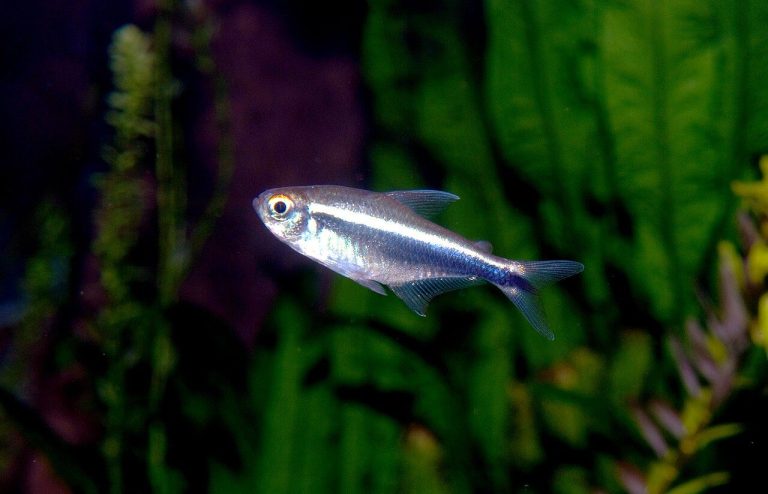
Good dither fish options include larger schooling tetras like Colombian Tetras or Black Skirt Tetras (be cautious with fin nipping, though). Make sure they are fast enough to avoid being harassed themselves.
Addressing Paired Aggression
If a breeding pair is the source of aggression, you have a few options:
- Dedicated breeding tank: The most effective solution is to move the pair to their own breeding tank. This allows them to spawn and raise fry without endangering other fish.
- Remove other fish: If you’re committed to the pair and have a large enough tank, you might consider rehoming other angelfish or tank mates.
- Disrupt spawning: If you don’t want to breed them, remove any eggs they lay. This can sometimes discourage repeated spawning attempts and reduce aggression, though it’s not always successful long-term.
Common Mistake: “Buying a Pair from the Store”
Many hobbyists, myself included, have made the mistake of buying two angelfish hoping they will be a breeding pair. Angelfish sexual dimorphism is not always obvious, especially when young. It’s often better to buy a group of 5-6 young angelfish and let them pair off naturally in a large tank. Then, you can remove the pair to a dedicated breeding setup. Otherwise, you risk having two males or two females, which can lead to constant conspecific aggression.
Long-Term Solutions for a Harmonious Community
Maintaining peace in an angelfish aquarium requires ongoing vigilance and commitment to excellent husbandry.
Consistent Water Quality and Maintenance
Stressed fish are aggressive fish. Regular water changes (25-30% weekly or bi-weekly), thorough gravel vacuuming, and proper filtration are the top priority. Monitoring water parameters (temperature, pH, ammonia, nitrite, nitrate) ensures a stable, healthy environment.
Refer to a comprehensive Angelfish care guide to ensure all their environmental needs are consistently met.
Diet and Nutrition
A well-fed angelfish is generally a happier angelfish. Provide a high-quality, varied diet rich in protein and essential nutrients. This supports their overall health and reduces hunger-driven competition. Avoid overfeeding, which can lead to poor water quality.
Monitoring Tank Dynamics
Regularly observe your angelfish for any signs of renewed aggression. Early detection allows you to intervene before serious harm occurs. Pay attention to subtle changes in behavior or color, which can indicate stress or illness.
Troubleshooting Quick Reference Table
This table provides a quick guide to common angelfish aggression scenarios and their solutions.
| Symptom/Behavior | Likely Cause | Recommended Solution |
|---|---|---|
| Constant chasing, fin nipping, one fish hiding. | Overcrowding, insufficient visual barriers, general conspecific aggression. | Increase tank size, add more plants/decorations to break line of sight, consider increasing group size (if tank is large enough) or removing target/aggressor. |
| Lip-locking, defending a specific area, chasing all other fish away. | Breeding pair forming or actively spawning/guarding eggs/fry. | Move pair to a dedicated breeding tank, or remove other tank mates if tank is large enough. Consider removing eggs if breeding is not desired. |
| Aggression spikes during feeding time. | Resource competition for food. | Distribute food widely, feed smaller portions more frequently, make sure varied diet. |
| General lethargy, clamped fins, then aggression. | Stress from poor water quality, disease. | Perform water tests, conduct immediate partial water change, identify and address underlying water quality issues or disease. |
| One angelfish is severely injured or near death from bullying. | Extreme, persistent aggression. | Immediately remove the aggressor or the injured fish to a separate tank for recovery. Reassess tank setup and stocking for long-term solution. |
A few common questions About Angelfish Aggression
Can angelfish kill each other?
Yes, unfortunately, angelfish can and sometimes do kill each other. Persistent bullying, fin nipping that leads to infection, or sustained physical attacks (especially lip-locking) can cause severe stress, injury, and eventually death, particularly for weaker or smaller individuals.
Do angelfish fight to the death?
While not always “to the death,” angelfish can fight until one fish is so stressed or injured that it succumbs to disease or the constant harassment. It’s rare for them to fight non-stop until one dies directly from the confrontation, but the cumulative effects of bullying can be fatal. Intervention is always necessary.
What are the signs of angelfish fighting?
Key signs include aggressive chasing, rapid swimming towards another fish, flaring of fins, body slamming, fin nipping (torn or ragged fins), and lip-locking (where two fish grasp each other’s mouths). The bullied fish may also appear stressed, with clamped fins, faded colors, or constant hiding behavior.
Should I separate angelfish that are fighting?
Absolutely. If you observe persistent or severe fighting, especially if one fish is being relentlessly targeted or injured, you should separate them immediately. This can involve moving the aggressor or the victim to a separate quarantine or “time-out” tank to allow for recovery and to reassess the main tank setup.
Wrapping up
Angelfish are magnificent creatures that can bring immense joy to any aquarist. While their cichlid nature makes them prone to territoriality and aggression, understanding the underlying causes is the first step toward creating a peaceful environment. If you prioritise adequate tank size and stocking density, creating effective visual barriers, maintaining pristine water quality, and being prepared to intervene when necessary, you can successfully manage and stop angelfish from fighting.
Patience and observation are your greatest tools. With a thoughtful approach, you can keep your angelfish community not only survives but does well in a peaceful and healthy aquarium for years to come.

- 2003First tank
- 20+Years keeping
- 40+Tanks kept
- 0Sponsored picks
Howard set up his first 10-gallon planted tank in 2003 and lost half of it within six weeks. Two decades and more than forty aquariums later, he writes the guides he wished he had then: clear numbers, the reasons behind them, and what actually goes wrong in home tanks.