Angelfish Chasing Each Other Is This Aggression Or Courtship
Angelfish chasing can be either territorial aggression or a prelude to spawning. Distinguish them by looking for “nuptial shivering” and site cleaning (courtship) versus relentless nipping, hiding, and physical damage (conspecific aggression).
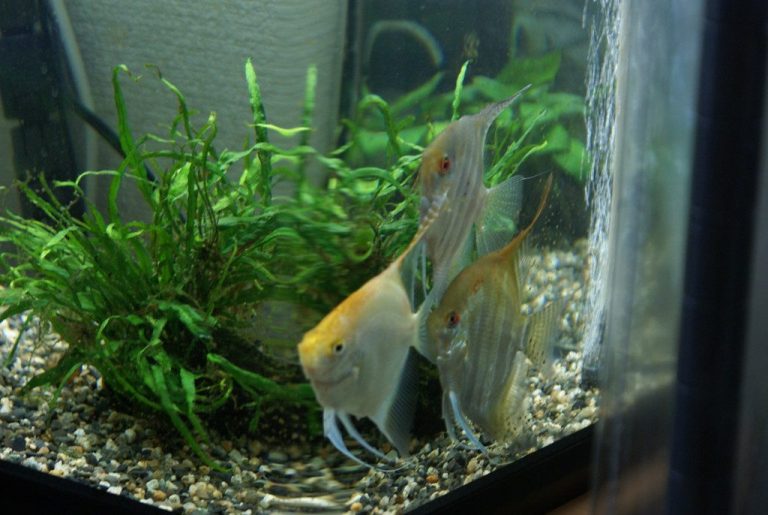
It is a sight every fish keeper knows well: you are sitting in front of your tank, enjoying the grace of your Pterophyllum scalare, when suddenly the peace is shattered. One fish darts across the tank, pinning another into a corner, and you find yourself wondering: angelfish chasing each other is this aggression or courtship?
In my experience, observing these majestic members of the Cichlidae family is like watching a complex soap opera. I have spent over a decade watching these fish, and I can tell you that the line between “I love you” and “Get out of my house” is incredibly thin.
Understanding these behaviors is key for maintaining a peaceful environment. Whether you are dealing with a budding romance or a territorial dispute, knowing how to react will make sure your fish remain healthy and stress-free.
At a glance: Freshwater angelfish (Pterophyllum scalare)
- Temperature
- 76–84°F (24–29°C)
- Water pH
- 6.0–7.5
- Adult size
- 6 in long, 8 in tall (15 × 20 cm)
- Minimum tank
- 30 gal for a pair, 55 gal tall for a group
- Group size
- Pair or group of 5+
- Temperament
- Semi-aggressive, territorial when breeding
- Diet
- Omnivore: pellets, flakes, frozen bloodworm and brine shrimp
- Lifespan
- 10–12 years
Keeper’s tip: Choose a tall tank; height matters more than length for a fish that grows taller than it is long.
Decoding the Mystery: Angelfish Chasing Each Other Is This Aggression or Courtship?
When you first see your fish darting around, it is natural to feel a bit of panic. To answer the question “angelfish chasing each other is this aggression or courtship,” we have to look at the context of the chase.
Aggression in angelfish is often about resources, such as food, space, or dominance within the social hierarchy. Courtship, on the other hand, is a ritualized dance designed to test the strength and compatibility of a potential mate.
In a courtship scenario, the “chase” is usually followed by a display of fins or a specific type of vibrating movement. In a territorial battle, the chase usually ends with one fish hiding or being physically struck.
Pro Tip: Always watch the “loser” of the chase. If they return to the group and display their fins, it might be social play or courtship. If they stay hidden behind the heater or filter intake, you are likely dealing with genuine aggression.
The Fine Line of Cichlid Behavior
As members of the cichlid family, angelfish are naturally assertive and territorial. This “fire” in their personality is exactly what makes them so satisfying to keep, but it also means we must be vigilant.
I have noticed that younger angelfish often engage in “mock” aggression to establish their place in the pecking order. This is a normal part of their development as they grow into their adult roles.
Identifying Signs of True Aggression
True conspecific aggression—aggression between members of the same species—can be dangerous if left unchecked. Unlike courtship, this behavior is meant to drive the other fish away permanently.
Look for signs of physical damage, such as torn fins or missing scales. If one fish is constantly being targeted and has no “safe zone” in the tank, the situation is becoming toxic.
Aggression often peaks during feeding times or when a new fish is introduced to the aquarium. It is a way for the dominant fish to say, “Everything in this glass box belongs to me.”
Warning Signs of Dangerous Conflict
One of the most intense forms of aggression is jaw-locking. While this can occasionally happen during courtship to test a mate’s strength, frequent jaw-locking between two males is a sign of a serious fight for dominance.
If you see your fish circling each other and striking at the mid-section or the “eyes” of the fins, take it seriously. This is rarely part of a healthy mating ritual.
Below is a comparison table to help you distinguish between these two common behaviors at a glance.
| Behavior Feature | Courtship Indicators | Aggression Indicators |
|---|---|---|
| Body Movement | Nuptial shivering (vibrating body) | Abrupt striking and nipping |
| Interaction Type | Cleaning a surface together | Driving the other fish into a corner |
| Fin Posture | Fins flared to show off size | Fins often clamped or torn |
| Duration | Intermittent with “breaks” | Relentless and constant harrassment |
Identifying Signs of Courtship and Spawning
When the answer to angelfish chasing each other is this aggression or courtship is “courtship,” the behavior is much more rhythmic. You will see a series of ritualized steps that the pair follows.
The first major sign is nuptial shivering. This is a rapid, vibrating motion where the angelfish shakes its entire body near the other fish. It is a clear signal of romantic intent.
You might also notice the pair hanging out near a specific vertical surface, like a broad leaf or a piece of slate. This is the beginning of substrate spawning preparations.
The Role of Pheromone Signaling
Angelfish use pheromone signaling to communicate their readiness to mate. This invisible chemical language tells other fish in the tank exactly what is happening.
When a pair begins to bond, they will often defend a small territory together. If you see two fish working as a team to chase away everyone else, you have a confirmed pair.
During this time, the female will develop a visible ovipositor (a blunt tube), while the male displays a more pointed spermiduct. These are part of the genital papillae and are the only 100% sure way to tell their gender.
Pro Tip: If you suspect your fish are courting, try slightly increasing the water temperature by 1-2 degrees. This often mimics the onset of the rainy season in the Amazon and can encourage the pair to finalize their bond.
Environmental Triggers for Chasing
Sometimes, the environment itself is the cause of the chasing. If your tank is too small, even the most peaceful angelfish will become aggressive to protect what little space they have.
In my years of keeping these fish, I have found that choosing the right aquarium volume is the single most important factor in reducing stress. A 29-gallon tank is the absolute minimum for a single pair, but larger is always better.
Water quality also plays a role. High nitrates can make fish “cranky” and more prone to lashing out. Making sure you follow comprehensive care requirements will keep their temperaments stable.
The Importance of Visual Breaks
If you have a group of angelfish, you need to break up the line of sight. Tall plants, driftwood, and rocks allow a chased fish to disappear from the aggressor’s view.
When a fish can’t see its rival, it often forgets why it was angry in the first place. This is a simple but effective way to manage a community tank without having to rehome anyone.
What to Do When Aggression Becomes Dangerous
If you have determined that the behavior is definitely aggression and not courtship, you must act. Left alone, the subordinate fish can die from physical injury or the stress-induced collapse of its immune system.
The first step is usually a “time-out.” You can move the aggressor to a breeder net or a separate tank for a few days. This resets the territorial boundaries of the main aquarium.
Alternatively, you can rearrange the entire aquarium decor. When the “map” of the tank changes, the dominant fish loses its claim to its old territory and has to start over, often leveling the playing field.
Rehoming and Long-Term Solutions
Sometimes, two fish simply will not get along. If you have tried rearranging the tank and providing visual breaks but the chasing continues, rehoming one of the fish is the most humane option.
Remember that successfully pairing your fish is not always guaranteed. Just like humans, some angelfish just don’t like each other’s company.
Common Misconceptions About Angelfish Behavior
Many beginners believe that all chasing is bad. This isn’t true. A certain amount of chasing is vital for the social health of a cichlid community. It is how they communicate and establish order.
Another misconception is that only males chase. Females can be just as territorial, especially when they are guarding a batch of eggs or a preferred spawning site.
Understanding that angelfish chasing each other is this aggression or courtship requires patience and observation. Don’t rush to separate them at the first sign of a chase; wait and see if the behavior follows a pattern of display or destruction.
The Myth of the “Peaceful” Community
While angelfish are often sold as community fish, they are still predators. They will chase smaller fish like neon tetras, not out of aggression or love, but because they look like a snack.
Always make sure your tank mates are large enough not to be eaten and fast enough to stay out of the way of a grumpy angelfish.
How to Support a Courting Pair
If you are lucky enough to have a courting pair, your job is to provide them with the security they need. A stressed pair is likely to eat their own eggs.
Reduce the foot traffic around the tank and keep the lighting on a consistent schedule. If the chasing is part of their mating dance, you will soon see them carefully cleaning a leaf or a piece of slate.
This cleaning behavior is a sure sign that eggs are coming. They are preparing a surface for the female to deposit her eggs, which the male will then fertilize.
FAQ: Frequently Asked Questions About Angelfish Chasing
Why are my angelfish suddenly chasing each other after months of peace?
This often happens as fish reach sexual maturity. What was once a peaceful group of juveniles will start to form pairs and claim territories, leading to increased chasing.
Can two males pair up and exhibit courtship behavior?
While they won’t produce eggs, two males can sometimes form a “pseudo-pair” if no females are present. They may display to each other, but this usually ends in more aggression than a male-female pair.
How can I tell if a chase is just “play”?
Fish don’t really “play” in the human sense, but they do test each other. If the chasing is short-lived and neither fish is getting hurt or hiding, it is likely just social posturing.
Does tank size affect whether chasing is aggression or courtship?
Absolutely. In a cramped tank, almost all chasing is driven by aggression because the fish have nowhere to go. In a large, well-planted tank, you are more likely to see the elaborate dances of courtship.
Should I intervene if I see jaw-locking?
If the jaw-locking lasts more than a few seconds or results in visible wounds, you should intervene. It is a high-intensity conflict that can lead to permanent damage to the mouth parts.
Conclusion: Mastering the Art of Angelfish Observation
Determining whether angelfish chasing each other is this aggression or courtship is one of the most satisfying challenges for a hobbyist. It requires you to look beyond the surface and understand the biological drives of these incredible creatures.
By watching for nuptial shivering, checking for the presence of the ovipositor, and monitoring for physical damage, you can maintain a stable aquarium. A little bit of chasing is natural, but your role is to make sure it never turns into a dangerous environment.
In my experience, the more time you spend simply watching your tank, the better you will become at “reading” your fish. Every angelfish has a unique personality, and learning their specific language is the key to becoming a successful aquarist. Keep your water clean, your tank spacious, and your eyes open, and you will enjoy the beauty of these kings of the aquarium for years to come.

- 2003First tank
- 20+Years keeping
- 40+Tanks kept
- 0Sponsored picks
Howard set up his first 10-gallon planted tank in 2003 and lost half of it within six weeks. Two decades and more than forty aquariums later, he writes the guides he wished he had then: clear numbers, the reasons behind them, and what actually goes wrong in home tanks.