Do Angelfish Need To Be In Pairs? Unlocking Their Social Secrets
While angelfish can form monogamous pairs for breeding, they do not strictly need to be kept in pairs to settle in. In fact, keeping them in a larger group of 6 or more often leads to a more peaceful and stable social dynamic in a community aquarium.
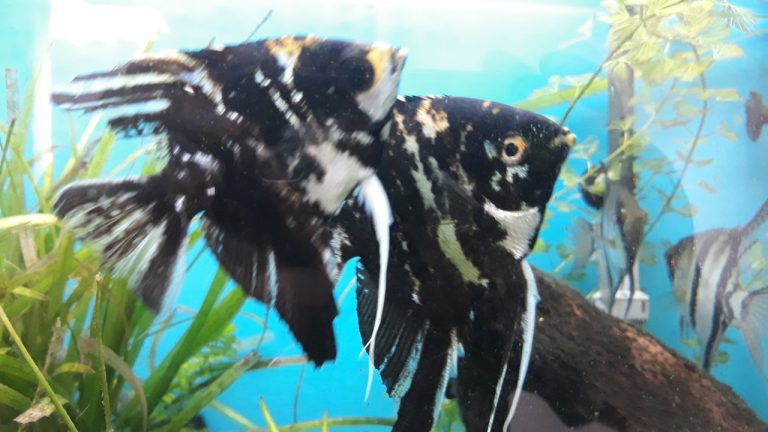
Angelfish, with their elegant fins and majestic presence, are undeniably one of the most iconic and sought-after freshwater fish in the aquarium hobby. Their regal demeanor often leads new aquarists to wonder about their social lives. A common question I hear, especially from those just starting with these beautiful fish, is: “Do angelfish need to be in pairs?” It’s a question with a nuanced answer, steeped in understanding their natural behaviors and the unique social structures of the Cichlidae family.
In my two decades of keeping angelfish, from various strains of Pterophyllum scalare to the more exotic varieties, I’ve learned that their social needs are more complex than a simple “yes” or “no.” This guide will look closely at angelfish social dynamics, helping you create an best environment where your angels can flourish, whether they’re part of a breeding pair, a bustling shoal, or even a lone sentinel in a carefully designed tank.
At a glance: Freshwater angelfish (Pterophyllum scalare)
- Temperature
- 76–84°F (24–29°C)
- Water pH
- 6.0–7.5
- Adult size
- 6 in long, 8 in tall (15 × 20 cm)
- Minimum tank
- 30 gal for a pair, 55 gal tall for a group
- Group size
- Pair or group of 5+
- Temperament
- Semi-aggressive, territorial when breeding
- Diet
- Omnivore: pellets, flakes, frozen bloodworm and brine shrimp
- Lifespan
- 10–12 years
Keeper’s tip: Choose a tall tank; height matters more than length for a fish that grows taller than it is long.
Angelfish are cichlids, and like many members of the Cichlidae family, they possess complex social behaviors. This includes establishing hierarchies, defending territories, and, under the right conditions, forming strong pair bonds. However, their social structure in a captive environment can be heavily influenced by tank size, stocking levels, and individual personalities.
The Myth of Obligatory Pairing
Many people assume that because angelfish are known to form pairs for breeding, they must be kept in pairs at all times. This isn’t entirely accurate. While a pair will indeed form a strong bond when ready to spawn, forcing two random angelfish together in a small tank without the intention of breeding can actually lead to significant problems. It often results in one fish bullying the other relentlessly.
Angelfish exhibit a distinct social hierarchy, especially when kept in smaller groups. There’s usually a dominant fish, and aggression, known as conspecific aggression, is a natural part of establishing this pecking order. This aggression isn’t always malicious; it’s how they communicate status and territory. If you have only two or three angelfish, this aggression can quickly escalate, as the subordinate fish has nowhere to escape.
When I first tried keeping just two angelfish in a 55-gallon tank, I quickly noticed that the larger one would constantly chase the smaller one away from food and prime swimming spots. It was a stressful situation for both fish until I either separated them or added more individuals to diffuse the aggression.
Pro Tip: Diffusing Aggression with Numbers
If you’re looking to keep angelfish in a community setting, aim for a group of at least 6-8 juvenile angelfish. This larger number helps to spread out any aggression amongst several individuals, preventing one fish from becoming a constant target. As they mature, natural pairs may form, and you can observe their behavior to make stocking adjustments.
When Do Angelfish Form Pairs?
Angelfish primarily form pairs for the purpose of reproduction. This isn’t a pre-existing condition but rather a dynamic process that occurs when fish reach sexual maturity and find a suitable mate within a group.
Monogamous Pair Bonding for Breeding
When angelfish are ready to breed, they will naturally select a mate from a larger group and form a monogamous pair bond. This bond is usually strong and lasts for the duration of the breeding cycle. The pair will work together to defend a territory, prepare a spawning substrate, and guard their eggs and fry.
Observing this process is unusual. You’ll notice them staying close together, often ignoring other tank mates, and collaboratively cleaning a chosen surface, such as a broad plant leaf, a piece of slate, or even the side of the heater.
Recognizing a Mated Pair
Identifying a true mated pair can be tricky before they actually start breeding. Here are some signs I’ve consistently observed:
- Lip-Locking: While sometimes a sign of aggression, when two angelfish repeatedly “kiss” or lock lips gently without violent chasing, it can be a part of their pair-bonding ritual, testing each other’s strength or establishing their connection.
- Shared Territory: A bonded pair will often claim a specific corner of the tank or a particular plant and actively defend it together against other angelfish.
- Synchronized Swimming: They’ll often swim very closely, mirroring each other’s movements.
- Cleaning a Spawning Site: The most definitive sign is when two angelfish begin carefully cleaning a vertical surface.
- Genital Papilla: During spawning readiness, both male and female will develop a visible genital papilla. The female’s papilla is typically broader and blunter, while the male’s is narrower and more pointed.
It’s important to differentiate between a bonded, breeding pair and two fish that are simply tolerating each other or, worse, one bullying the other. True pairing is usually accompanied by a sense of cooperation and shared purpose.
Ideal Stocking Strategies for Angelfish
Deciding how many angelfish to keep, and in what configuration, is important for their long-term health and the tranquility of your aquarium. The answer to “do angelfish need to be in pairs” greatly influences your stocking plan.
The Benefits of a Group (Shoal)
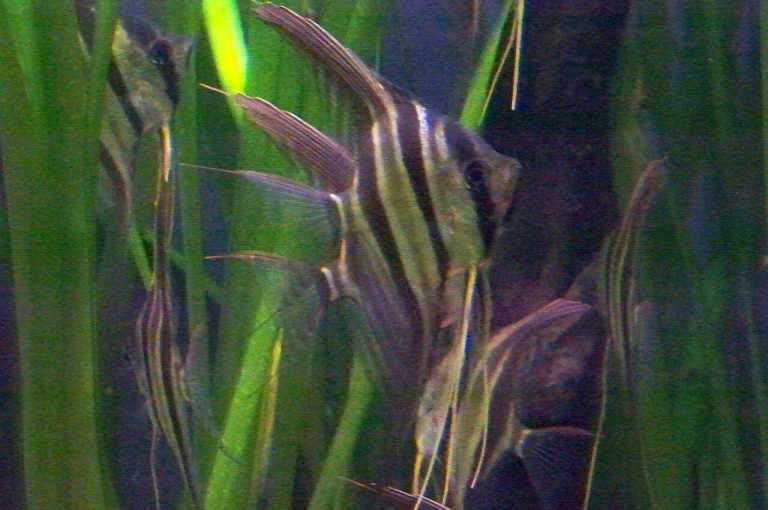
In my experience, angelfish stay healthy best in a group of six or more. This allows their natural Cichlidae social hierarchy to play out without undue stress on any single individual. Aggression is distributed among multiple fish, and no single fish becomes the sole target. This strategy is particularly effective for juvenile angelfish. As they mature, pairs may naturally form within the group, and you can then choose to separate a breeding pair into their own dedicated tank if you wish to breed them.
A larger group also allows for more natural social interactions, and it’s eye-catching to watch their group dynamics. The presence of other angelfish can also stimulate natural pheromone signaling, which is important for their overall well-being and reproductive cycles.
Solo Angelfish Considerations
Can an angelfish be kept alone? Yes, absolutely. An angelfish that has been raised alone, or one that has outlived its tank mates, can live a perfectly content life as a solo occupant in a properly sized tank. This is often a good option if you have a particularly aggressive angelfish that doesn’t tolerate others, or if you simply don’t have the tank space for a larger group. A solo angelfish can become quite a personality fish, often interacting more directly with its owner.
The Challenges of Just Two
Keeping just two angelfish is generally the riskiest option if they are not a proven breeding pair. Unless you specifically get a pair that has already bonded and successfully bred together, introducing two random angelfish into a tank often leads to one becoming dominant and severely bullying the other. This can result in constant stress, fin nipping, refusal to eat, and eventually, illness or death for the subordinate fish.
This is why the direct answer to “do angelfish need to be in pairs” is often “no” outside of breeding. A single pair, if not a natural, established one, can be a recipe for disaster.
Common Mistake: Blindly Pairing Angelfish
A common mistake hobbyists make is buying two angelfish from the store, assuming they will form a pair. Angelfish are difficult to sex accurately when young, and even if you get a male and a female, there’s no guarantee they will bond. This often leads to one fish relentlessly harassing the other, turning your peaceful aquarium into a stressful battleground.
Regardless of whether you choose to keep a solo angelfish, a breeding pair, or a large group, the physical environment of your aquarium plays a critical role in minimizing stress and promoting social harmony.
Vertical Tank Height is The top priority
Angelfish, with their tall, disc-shaped bodies and flowing fins, require ample vertical space. A standard 20-gallon “high” tank is too small for a single adult angelfish, let alone a pair or a group. I always recommend a minimum of a 29-gallon tall or, ideally, a 40-gallon breeder for a single angelfish, and a 55-gallon or larger for a group. The vertical tank height allows them to fully extend their fins and maneuver comfortably, which is essential for reducing stress and preventing fin damage.
Aquascaping for Territory and Retreat
Thoughtful aquascaping is vital, especially when dealing with angelfish social dynamics and potential conspecific aggression. Provide plenty of visual breaks using tall plants (live or artificial), driftwood, and rock structures. These elements create distinct territories and offer hiding spots for subordinate fish to retreat when necessary. Dense planting at the back and sides of the tank, with open swimming space in the front, usually works best.
Water Parameters and Health
Stress, often induced by inappropriate tank mates or an unstable social environment, can significantly weaken an angelfish’s immune system. Maintaining pristine water parameters is always important for angelfish care. Make sure your tank is fully cycled, and perform regular water changes. Stable temperature (76-82°F or 24-28°C), pH (6.5-7.5), and soft to moderately hard water are ideal. Poor water quality and chronic stress can make angelfish susceptible to diseases like Hexamitiasis, a common cichlid ailment. For a more detailed guide on their specific needs, you can check out our Angelfish Care Guide.
Practical Decision Table: Angelfish Stocking Scenarios
Choosing the right stocking strategy can feel overwhelming. This table offers a clear overview to help you decide how many angelfish are best for your setup and goals.
| Stocking Scenario | Minimum Tank Size (Adult Angelfish) | Pros | Cons | Ideal For |
|---|---|---|---|---|
| Single Angelfish | 29 Gallons (Tall) | Minimizes aggression, less stress for the fish, becomes a “centerpiece” fish. | No social interaction with conspecifics, less natural behavior. | Smaller tanks, particularly aggressive individuals, those who prefer a single focal fish. |
| Two Angelfish (Non-mated) | 55 Gallons (Tall) | Potentially forms a pair, but highly risky. | High risk of severe bullying, constant stress for one fish, potential death. Not recommended without prior pairing. | Only for proven, pre-bonded breeding pairs in a dedicated breeding setup. |
| Small Group (3-5 Angelfish) | 75 Gallons (Tall) | Allows for some social interaction, potential for a pair to form. | Still prone to significant aggression as hierarchy is established, limited targets for aggression. | Intermediate aquarists willing to monitor closely and intervene. Risky. |
| Large Group (6+ Angelfish) | 90 Gallons+ (Tall) | Diffuses aggression, more natural social behaviors, higher chance of natural pairing. | Requires a very large tank, more demanding filtration, higher bioload. | Experienced aquarists, those aiming for a community tank with natural angelfish dynamics, aspiring breeders. |
Aquarium Compatibility
When stocking angelfish, consider their tank mates carefully. While we’re discussing whether do angelfish need to be in pairs, it’s also important to remember they are freshwater fish with specific compatibility needs. Slow-moving, long-finned fish can be targets for fin-nipping, especially by a stressed or aggressive angelfish. Conversely, very small fish like neon tetras might become a snack for larger angelfish. Choose tank mates that are too large to be eaten but not so boisterous that they stress the angelfish.
FAQ: Your Angelfish Pairing Questions Answered
Understanding angelfish social behavior can be complex. Here are some of the most common questions I encounter regarding angelfish and pairing.
Can angelfish be kept alone?
Yes, absolutely. A single angelfish can live a long, happy life by itself in a appropriately sized and well-maintained aquarium. They do not require the company of other angelfish to stay healthy, especially if introduced to the tank alone from a young age.
How do you tell if angelfish are a pair?
True angelfish pairs are usually identified by their breeding behaviors. Look for two fish that consistently stay together, chase other fish away from a specific area, and carefully clean a flat surface (like a plant leaf or slate). During spawning, the female will have a broader, blunter genital papilla, while the male’s will be narrower and more pointed. Lip-locking can also be a sign, but can sometimes indicate aggression.
What size tank for a pair of angelfish?
For a proven breeding pair of angelfish, a minimum of a 29-gallon tall tank is often recommended. However, a 40-gallon breeder tank provides more space and stability, particularly if they are to be kept long-term. This is for a dedicated breeding setup. If you’re hoping a pair will form naturally, you’ll need a much larger tank to start with a group.
Why are my angelfish fighting?
Angelfish fighting is often a sign of territorial disputes or an attempt to establish a social hierarchy. Common causes include:
- Insufficient Space: Too small a tank prevents subordinate fish from escaping aggression.
- Too Few Fish: In groups of 2-5, aggression is concentrated on one or two individuals.
- Lack of Hiding Spots: No visual barriers or retreats to break up lines of sight.
- Breeding Behavior: A male and female may fight if one is not ready to spawn, or if they are defending eggs/fry from other tank mates.
- Introducing New Fish: New additions can disrupt the existing hierarchy.
Addressing these environmental factors, such as increasing tank size, adding more fish (to diffuse aggression), or providing more aquascaping, can often resolve fighting issues.
A closing note
The question “do angelfish need to be in pairs” is a common one, and the answer is more nuanced than many might expect. While angelfish do form monogamous pairs for breeding, they do not require a partner to live a fulfilling life in a home aquarium. In fact, for most hobbyists, keeping a larger group of 6 or more angelfish in a spacious, tall tank often leads to a more peaceful and less stressful environment for these magnificent fish. This approach allows them to establish a natural Cichlidae social hierarchy, distributing any conspecific aggression across multiple individuals.
Whether you choose to keep a solo angelfish, a stable shoal, or a dedicated breeding pair, what matters most is understanding their unique social dynamics, providing ample space, and maintaining excellent water quality. By doing so, you’ll help your angelfish not only survive but flourish, bringing their majestic beauty to your aquatic world for years to come. For more on their care and selecting the right fish, explore our Angelfish Species Guide.

- 2003First tank
- 20+Years keeping
- 40+Tanks kept
- 0Sponsored picks
Howard set up his first 10-gallon planted tank in 2003 and lost half of it within six weeks. Two decades and more than forty aquariums later, he writes the guides he wished he had then: clear numbers, the reasons behind them, and what actually goes wrong in home tanks.