Why Are My Angelfish Not Growing? 7 Expert Reasons And Solutions
Angelfish growth is typically stunted by poor water quality, inadequate nutrition, or small tank sizes. High nitrates, internal parasites like Hexamita, and low-quality protein sources are the most common culprits preventing these cichlids from reaching their full size.
Watching a juvenile Pterophyllum scalare transform into a majestic, disc-shaped adult is one of the most satisfying experiences in the hobby. However, many keepers find themselves asking, “why are my angelfish not growing” after months of seemingly proper care.
In my decade of maintaining South American cichlid displays, I have learned that growth is a complex interplay of genetics, environment, and biology. When an angelfish stops growing, it is often a silent signal that one of these pillars has collapsed.
This guide will break down the precise reasons for stunted growth and provide actionable steps to get your fish back on track. Once you understand the nuances of their metabolic needs, you can make sure your “Kings of the Aquarium” reach their full potential.
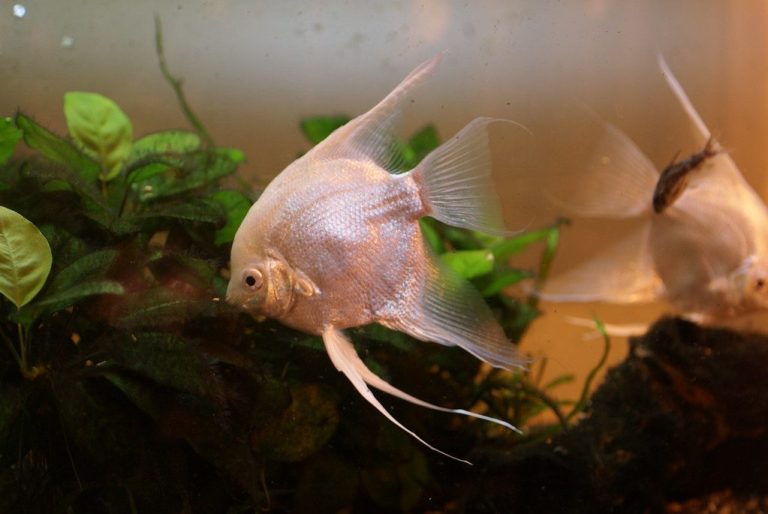
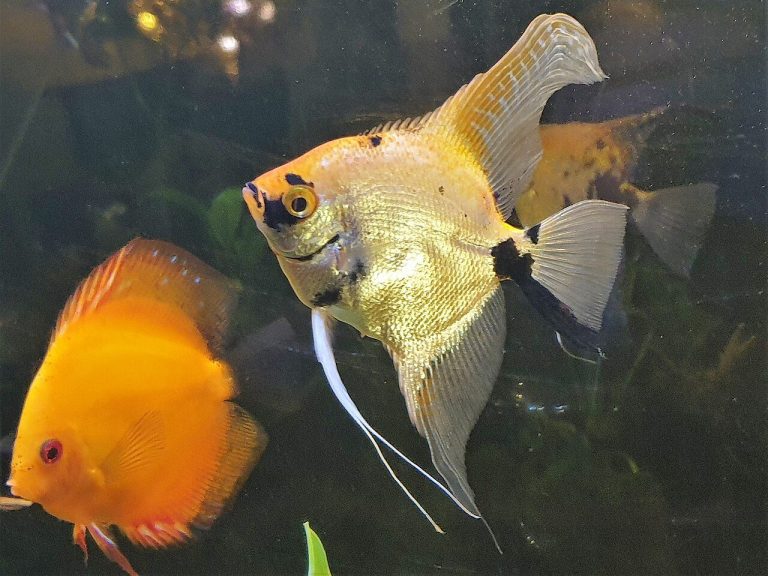
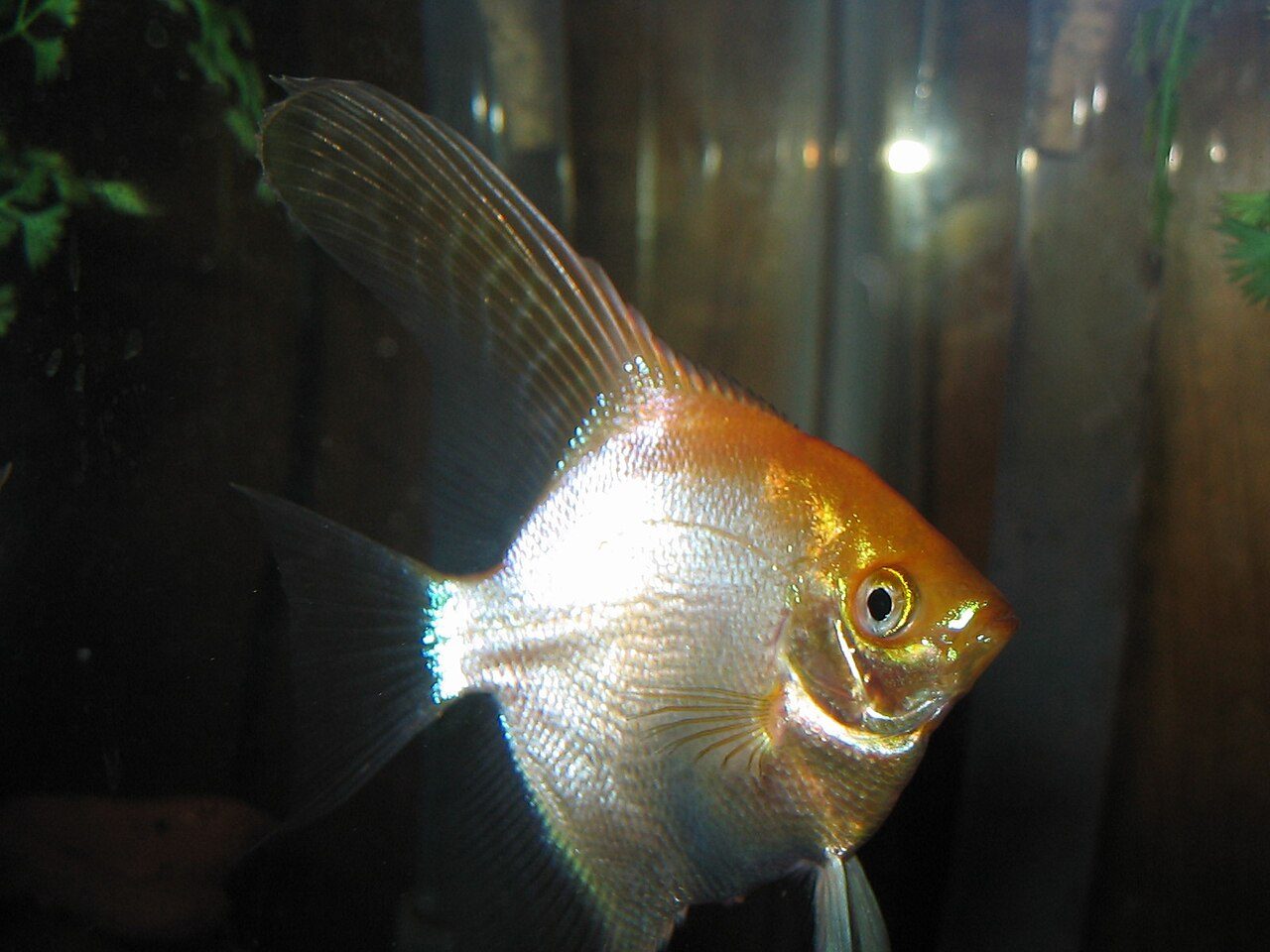
At a glance: Freshwater angelfish (Pterophyllum scalare)
- Temperature
- 76–84°F (24–29°C)
- Water pH
- 6.0–7.5
- Adult size
- 6 in long, 8 in tall (15 × 20 cm)
- Minimum tank
- 30 gal for a pair, 55 gal tall for a group
- Group size
- Pair or group of 5+
- Temperament
- Semi-aggressive, territorial when breeding
- Diet
- Omnivore: pellets, flakes, frozen bloodworm and brine shrimp
- Lifespan
- 10–12 years
Keeper’s tip: Choose a tall tank; height matters more than length for a fish that grows taller than it is long.
The Impact of Genetic Inbreeding on Growth
One of the most overlooked factors in the hobby is the quality of the fish’s lineage. Many angelfish found in big-box pet stores are the result of heavy genetic inbreeding to produce specific color strains.
This repeated breeding of closely related individuals often results in “runts” that lack the biological vigor to grow large. These fish may have internal deformities or weakened immune systems that prioritize survival over physical expansion.
If you have provided a perfect environment and your fish still remains small, it may simply be a “genetic ceiling.” This is why many experienced keepers prefer sourcing fish from reputable local breeders or wild-caught stock.
Pro Tip: When selecting juveniles, look for those with clear eyes and thick bodies relative to their fin length. If a young angelfish has eyes that look too large for its body, it is likely already stunted from its time in the breeding vat.
Water Quality and the Danger of Nitrate Toxicity
When people ask why are my angelfish not growing, the answer is almost always hidden in the water chemistry. While we often focus on ammonia and nitrite, chronic exposure to high nitrates is a primary growth inhibitor.
Nitrate toxicity does not always kill fish outright; instead, it slowly suppresses the endocrine system. This hormonal disruption prevents the fish from utilizing nutrients efficiently, leading to a “frozen” growth state.
Furthermore, a high level of Total Dissolved Solids (TDS) can create osmotic stress. When the water is too “thick” with minerals and waste, the fish must expend more energy on basic regulation than on building new tissue.
| Parameter | Best for Growth | Stunting Risk Level |
|---|---|---|
| Nitrates (NO3) | Below 10 ppm | Above 40 ppm |
| Temperature | 80°F – 82°F | Below 76°F |
| Carbonate Hardness (KH) | 3 – 8 dKH | Fluctuating levels |
Feeding Habits and Protein Bioavailability
Angelfish are opportunistic carnivores that require high-quality proteins to fuel their rapid juvenile development. Many commercial flakes are filled with “binders” and “ash” that offer very little protein bioavailability.
If the digestive system cannot easily break down the food, the nutrients are simply passed as waste. To see real growth, you must provide a varied diet including frozen bloodworms, brine shrimp, and high-protein pellets.
The frequency of feeding also plays a massive role in the metabolic rate of a growing cichlid. Younger fish have small stomachs and high energy demands, necessitating multiple small meals throughout the day.
For more details on optimizing their diet, you can read our guide on feeding frequency and quality. Consistent, high-nutrient intake is the cornerstone of a large, healthy adult.
Growth-Inhibiting Pheromones in Small Tanks
In the wild, angelfish live in vast river systems where water is constantly refreshed. In a closed aquarium environment, fish release growth-inhibiting pheromones into the water column.
This is a biological mechanism designed to ensure that the strongest fish dominates the available resources. In a small or overstocked tank, these chemicals build up and signal to other fish to stop growing.
This is a major reason why are my angelfish not growing even when they seem healthy and active. Large, frequent water changes are the only way to dilute these pheromones and “get” the growth potential of your fish.
I have personally seen angelfish “double in size” in just two months after being moved from a 20-gallon tank to a 55-gallon tank. The volume of water per fish is directly proportional to the speed and ultimate size of their development.
Internal Parasites: Hexamita and Capillaria
Sometimes, the reason for poor growth is not environmental, but biological. Internal parasites like Hexamita or Capillaria are incredibly common in cichlids and often go unnoticed.
These parasites live in the digestive tract and “steal” the nutrients from the food the fish consumes. A fish with a heavy parasite load will often eat greedily but remain thin or fail to grow.
Look for signs like white, stringy feces or a pinched-looking forehead (often called “hole-in-the-head” in advanced stages). Treating the tank with a dedicated anti-parasitic medication can often trigger a sudden growth spurt.
Implementing proper husbandry techniques including a quarantine period for new fish can prevent these parasites from entering your main display. Prevention is always easier than a cure when it comes to internal health.
Pro Tip: If your angelfish is eating but losing weight, try soaking their favorite freeze-dried food in a liquid vitamin supplement or garlic extract. This boosts the immune system and makes the food more enticing while you treat for parasites.
The Role of Temperature and Metabolic Rate
Angelfish are tropical animals that stay healthy in warmer waters than many other community fish. If your aquarium is kept at “standard” room temperatures (72°F-75°F), their metabolic rate will slow down significantly.
A slow metabolism means the fish processes food slowly and does not have the excess energy required for growth. Keeping the water at the ideal heat levels of 80°F to 82°F is vital for juveniles.
Warm water encourages active swimming, better digestion, and a stronger immune response. However, keep in mind that warmer water holds less oxygen, so make sure you have adequate surface agitation or an air stone.
Angelfish are semi-aggressive cichlids with a very strict social hierarchy. If you have a group, the “Alpha” fish will often grow much faster than the subordinates.
The stress of being bullied or chased causes a spike in cortisol levels, which is a known growth inhibitor in fish. A subordinate fish may hide during feeding or spend all its energy avoiding conflict rather than growing.
If you notice one fish is significantly smaller than the others, it may be time to rearrange the decor. Breaking up line-of-sight with driftwood and tall plants can reduce aggression and allow lower-ranking fish to settle in.
FAQ
How fast should a healthy angelfish grow?
Under right conditions, a juvenile angelfish can grow about half an inch to an inch per month. They should reach their near-adult size within the first year of life if fed properly and kept in clean water.
Can a stunted angelfish ever reach full size?
It depends on how long the growth was suppressed. If the fish was stunted for a few months, it can often “catch up” with better care; however, if it was kept in poor conditions for years, it may never reach its maximum potential.
Does tank size really limit angelfish growth?
Yes, but not because the fish “grows to the size of the tank.” Rather, smaller tanks accumulate waste and pheromones faster, which biologically triggers the fish to stop growing to survive the cramped conditions.
Why is my angelfish not growing but my other fish are?
Different species have different sensitivities to water parameters. Angelfish are particularly sensitive to nitrates and TDS compared to hardier fish like danios or certain barbs, making them the first to show signs of stunting.
Putting it all together
Understanding why are my angelfish not growing requires looking at the aquarium as a complete ecosystem. From the carbonate hardness of your source water to the protein bioavailability of their pellets, every detail matters.
If your fish are stuck at a certain size, start by increasing your water change frequency to 50% weekly to flush out pheromones and nitrates. Pair this with a high-quality, varied diet and a slight increase in temperature to kickstart their metabolism.
With patience and attention to these expert-level details, you can transform a stagnant tank into a flourishing environment. Your angelfish have the potential to be the eye-catching centerpieces of your home—they just need the right conditions to get there.

- 2003First tank
- 20+Years keeping
- 40+Tanks kept
- 0Sponsored picks
Howard set up his first 10-gallon planted tank in 2003 and lost half of it within six weeks. Two decades and more than forty aquariums later, he writes the guides he wished he had then: clear numbers, the reasons behind them, and what actually goes wrong in home tanks.