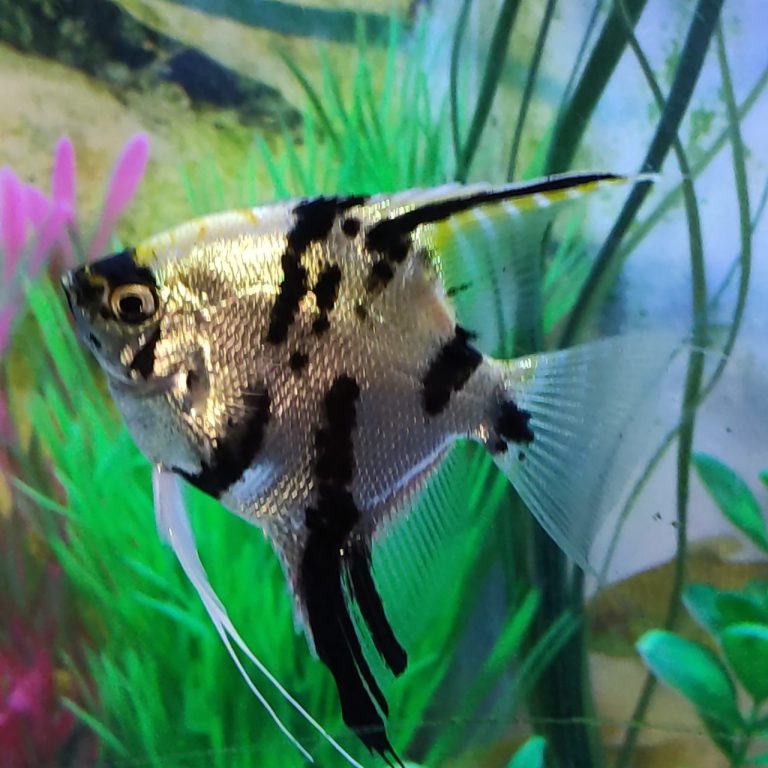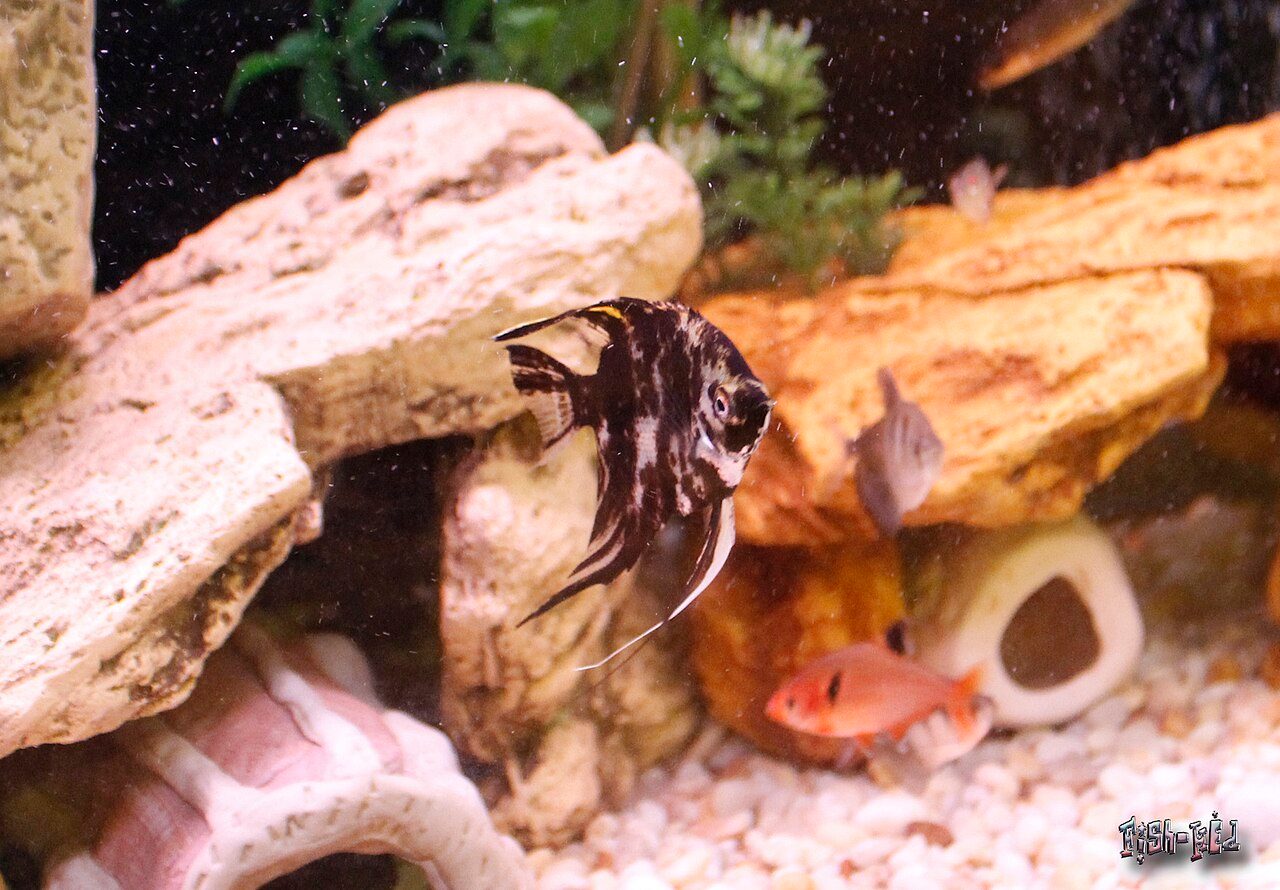
Why Is My Angelfish Stunted? 7 Critical Reasons And How To Fix Them
Angelfish stunting is primarily caused by poor water quality, inadequate tank size, and insufficient nutrition during their juvenile growth phase. High nitrate levels and pheromone accumulation in small volumes of water physically prevent the fish from reaching its genetic potential.
Seeing your beautiful Pterophyllum scalare stop growing can be a heartbreaking experience for any hobbyist. You expect those majestic fins to reach toward the surface, yet the fish remains small and disproportionate.
In my experience over the last decade, I have seen many beginners struggle with this issue, often without realizing it is happening. Understanding why is my angelfish stunted is the first step toward correcting the environment and helping your fish live a long, healthy life.
Stunting isn’t just about size; it is a physiological condition where the internal organs continue to grow while the skeletal structure remains small. This leads to a shortened lifespan and a variety of health complications that can be difficult to manage.
At a glance: Freshwater angelfish (Pterophyllum scalare)
- Temperature
- 76–84°F (24–29°C)
- Water pH
- 6.0–7.5
- Adult size
- 6 in long, 8 in tall (15 × 20 cm)
- Minimum tank
- 30 gal for a pair, 55 gal tall for a group
- Group size
- Pair or group of 5+
- Temperament
- Semi-aggressive, territorial when breeding
- Diet
- Omnivore: pellets, flakes, frozen bloodworm and brine shrimp
- Lifespan
- 10–12 years
Keeper’s tip: Choose a tall tank; height matters more than length for a fish that grows taller than it is long.
Understanding the Biological Reality of Stunting
When we talk about stunting, we are referring to a disruption in the natural development of the fish. For an angelfish, the most critical growth occurs during the first six to eight months of life.
If the environment is not best during this window, the process of skeletal ossification can be impaired. This means the bones do not harden or grow at the correct rate, even if the fish is eating well.
It is a common myth that fish only grow to the size of their tank. In reality, they stop growing because the water quality in small tanks degrades so quickly that it becomes toxic to their development.
Pro Tip: The Eye Test
One of the easiest ways to tell if an angelfish is stunted is by looking at its eyes. If the eye looks too large for the head or body, it is a classic sign that the body has stopped growing while the organs (like the eyes) have continued to develop.
The Impact of Tank Size and Water Volume
One of the most frequent answers to the question “why is my angelfish stunted” involves the physical space provided to the fish. Angelfish are tall fish that require vertical swimming space to develop their fins properly.
When kept in a small environment, the fish experiences constant osmotic stress. Their bodies must work harder just to maintain internal balance, leaving very little energy for physical growth.
I have found that keeping them in cramped quarters almost guarantees a lack of development. The lack of swimming room leads to muscle atrophy and a general failure to stay healthy.
| Angelfish Age | Recommended Tank Size | Expected Height |
|---|---|---|
| Fry (0-2 months) | 10-20 Gallons | 1-2 Inches |
| Juvenile (2-6 months) | 30 Gallons | 3-5 Inches |
| Adult (6+ months) | 55+ Gallons | 6-10 Inches |
Water Chemistry and Metabolic Waste Accumulation
Water quality is the silent growth killer in the aquarium hobby. Even if your tank looks clean, invisible compounds like metabolic waste accumulation can halt growth entirely.
High nitrate concentration is particularly dangerous for juvenile angelfish. While adult fish might tolerate 40ppm of nitrates, growing juveniles need levels consistently below 10-20ppm to reach full size.
Furthermore, dissolved organic compounds (DOCs) build up over time if water changes are infrequent. These compounds can suppress the immune system and interfere with the fish’s ability to process nutrients.
The Role of Growth Inhibiting Hormones
Many fish species, including cichlids like angelfish, release growth inhibiting hormones into the water. In the wild, this helps manage the population density in small pools during the dry season.
In an aquarium, pheromone accumulation can occur if you do not change the water often enough. These hormones signal to the fish’s body that the environment is “full,” causing them to stop growing.
This is why professional breeders often perform daily water changes. By removing these hormones, they help the fish continue to grow at their maximum normal growth rate.
Why is My Angelfish Stunted Due to Poor Nutrition?
Feeding your fish is not just about filling their bellies; it is about providing the building blocks for bone and tissue. Many “bargain” fish flakes are mostly fillers like wheat or soy.
Angelfish are carnivores and require high-quality protein and fats, especially when they are young. A lack of essential amino acids during the first few months of life can lead to permanent stunting.
I always recommend a varied diet that includes live or frozen foods like brine shrimp or bloodworms. This makes sure they get the micronutrients necessary for proper skeletal ossification.
Pro Tip: Feeding Frequency
Juvenile angelfish have very fast metabolisms. Instead of one large meal, try feeding them 3 to 4 small meals throughout the day. This provides a steady stream of energy for growth rather than a single “spike” that the body can’t fully utilize.
Health Issues and Parasitic Load
Sometimes, the answer to why is my angelfish stunted has nothing to do with the tank size and everything to do with what is inside the fish. Internal parasites are extremely common in commercially raised angelfish.
Intestinal flagellates, such as Hexamita, are a frequent culprit. These parasites live in the digestive tract and steal nutrients before the fish can absorb them.
If your fish is eating but remaining thin or small, they may be hosting a parasitic load. You might also notice white, stringy feces, which is a major red flag for internal health issues.
The Genetic Factor and Bottlenecking
We also have to consider the source of the fish. Unfortunately, some angelfish are simply “born to be small” due to poor breeding practices.
Genetic bottlenecking occurs when breeders use the same small pool of parents over many generations. This can lead to weakened genetics, deformities, and a failure to grow to full size.
If you are providing proper husbandry and the fish still isn’t growing, it may simply be a result of poor breeding. In these cases, the stunting is hard-wired into their DNA.
How to Prevent and Reverse Stunting
Can a stunted angelfish be “fixed”? The answer is: it depends. If the fish is still young, improving its environment can trigger a “growth spurt.”
However, if the fish is already an adult and the skeletal plates have fused, they may never reach their full potential size. Regardless, you can still improve their quality of life.
The first step is to increase the frequency of your water changes. Removing those growth inhibiting hormones and nitrates is the most effective way to encourage new growth.
A Maintenance Schedule for Growth
To make sure your angelfish grow as large and healthy as possible, you need a disciplined approach. Consistency is much more important than any “quick fix” or chemical supplement.
- Daily: Feed small, high-protein meals 3 times a day.
- Weekly: Perform a 50% water change to keep nitrates low.
- Monthly: Clean your filter media in old tank water to maintain beneficial bacteria.
- Ongoing: Monitor the fish for any signs of bullying or stress from tank mates.
FAQ: Common Questions About Angelfish Growth
Can a stunted angelfish live a full life?
A stunted angelfish can live for several years, but their lifespan is usually shorter than a healthy fish. The internal organ pressure often leads to heart or kidney failure earlier than expected.
How fast should my angelfish be growing?
In right conditions, a juvenile angelfish should grow about half an inch to an inch per month. If you don’t see visible growth every few weeks, it is time to check your water parameters.
Does the temperature affect growth?
Yes, angelfish are tropical fish that settle in in warmer water, usually between 78°F and 82°F. Cooler water slows down their metabolism, which in turn slows down their growth rate significantly.
Will a bigger tank automatically make them grow?
A bigger tank provides the opportunity for growth, but it isn’t a magic cure. You still need to provide high-quality food and clean water to see results.
The short version
Understanding why is my angelfish stunted is about looking at the big picture of your aquarium’s health. It is rarely just one thing, but rather a combination of space, water purity, and nutrition.
If you focus on frequent water changes to remove pheromone accumulation and providing a high-protein diet, you can give your fish the best chance at success. Even if they don’t reach “giant” proportions, a healthy environment will help they are rich and active.
I have found that the most successful keepers are those who treat their water as carefully as they treat their fish. If you provide a clean, spacious home, your angelfish will reward you with the majestic beauty they are famous for.
Keep learning, keep testing your water, and always stay curious about the needs of your aquatic friends. Your angelfish depend on you to create the perfect Amazonian slice of paradise right in your living room.

- 2003First tank
- 20+Years keeping
- 40+Tanks kept
- 0Sponsored picks
Howard set up his first 10-gallon planted tank in 2003 and lost half of it within six weeks. Two decades and more than forty aquariums later, he writes the guides he wished he had then: clear numbers, the reasons behind them, and what actually goes wrong in home tanks.