Do Neon Fish Need A Heater – The Ultimate Guide To Perfect Tank
Yes, neon fish require a heater to survive. As tropical species, they need a stable temperature between 72°F and 81°F to support their immune system and maintain essential metabolic functions.
When you first bring home a school of shimmering Paracheirodon innesi, it is easy to get caught up in their beauty. These iconic fish are the crown jewels of many community tanks.
However, many beginners often ask, do neon fish need a heater to stay healthy? In my ten years of keeping various tetra species, I have found that temperature is the single most important factor for their long-term survival.
Without a reliable heat source, these delicate fish are subject to the whims of your room temperature. This can lead to stress, disease, and unfortunately, a shortened lifespan for your aquatic pets.
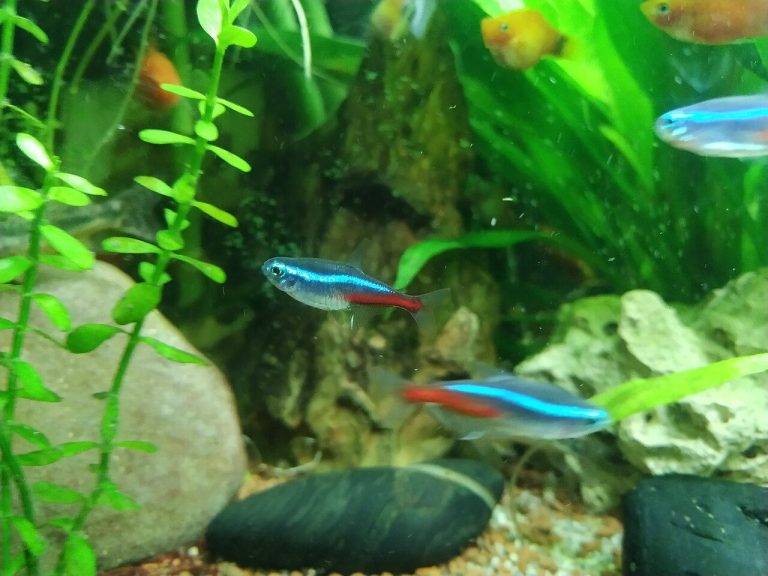
At a glance: Neon tetra (Paracheirodon innesi)
- Temperature
- 72–78°F (22–26°C)
- Water pH
- 6.0–7.0
- Adult size
- 1.5 in (4 cm)
- Minimum tank
- 10 gal (20 gal for a proper school)
- Group size
- Groups of 8+
- Temperament
- Peaceful
- Diet
- Omnivore: micro pellets, flakes, frozen daphnia
- Lifespan
- 5–8 years
Keeper’s tip: Add neons only to a fully cycled, stable tank; they are among the first fish to suffer from ammonia swings.
Why do neon fish need a heater for Long-Term Health?
Neon tetras are native to the Amazon Basin blackwater regions of South America. These waters are consistently warm throughout the year, rarely dipping below the mid-70s.
Unlike humans, fish rely on ectothermic regulation. This means their internal body temperature is entirely dependent on the water surrounding them.
If the water is too cold, their metabolic rate slows down significantly. This makes it difficult for them to digest food and maintain enough energy to swim.
| Temperature Range | Effect on Neon Fish |
|---|---|
| Below 68°F (20°C) | Extreme stress, lethargy, and high risk of death. |
| 70°F – 72°F | Acceptable for short periods, but not ideal for long-term health. |
| 72°F – 78°F | The “Sweet Spot” for growth and colorful coloration. |
| Above 82°F (28°C) | Reduced oxygen levels and increased metabolic stress. |
The Importance of Thermal Stability
Maintaining a proper thermal range is not just about keeping the water warm. It is about thermal stability, which prevents the water from swinging wildly between day and night.
In a small glass box, water temperatures can drop rapidly once your home’s central heating turns off. A quality heater acts as a safety net, making sure the environment remains constant.
I have noticed that neons kept in unstable temperatures lose their brilliant red and blue stripes. They become pale and hide in the corners of the tank rather than schooling actively.
Understanding Homeostasis in Tetras
Fish must maintain homeostasis to keep their internal biological processes functioning. When the water temperature drops, their body has to work overtime to compensate.
This constant struggle weakens their immune system. A heater allows the fish to focus their energy on growth and vivid color production instead of survival.
When setting up your first tank, the heater should be considered a non-negotiable piece of equipment. It is just as vital as the filter or the light.
The Dangers of Thermal Shock and Disease
One of the biggest risks of not using a heater is thermal shock. This occurs when a fish experiences a rapid change in temperature, causing their systems to shut down.
Even a change of 3 or 4 degrees in an hour can be enough to kill a sensitive neon tetra. This often happens during water changes if the new water is not matched to the tank temperature.
Without a submersible thermostat, you have no way to help the water stays within the safe zone. This leaves your fish vulnerable to every cold draft in your house.
Pro Tip: Always use a secondary digital thermometer. Never rely solely on the dial on your heater, as they are often calibrated slightly off from the factory. I always place my thermometer on the opposite end of the tank from the heater for the most accurate reading.
Fighting Ichthyophthirius multifiliis (Ich)
Cold water is the primary trigger for Ichthyophthirius multifiliis, commonly known as “Ich” or white spot disease. This parasite is often present in many aquariums but only attacks when a fish’s immune system is compromised.
Low temperatures are the most common cause of this immune suppression. If your tank stays too cool, your neons will likely develop small white grains on their bodies.
Treating Ich is far more difficult and expensive than simply buying a reliable heater. In my experience, prevention through heat is the best medicine for any tetra species.
Dissolved Oxygen Saturation and Heat
Temperature also affects dissolved oxygen saturation. While neons like warm water, very hot water holds less oxygen.
A heater with a built-in thermostat ensures the water doesn’t get too hot during a summer heatwave. It provides a balanced environment where the fish can breathe easily.
Keeping your tank within the proper thermal range makes sure that oxygen levels remain high. This supports the active schooling behavior that makes neons so enjoyable to watch.
Choosing the Right Heater for Your Neon Tetras
When you decide that do neon fish need a heater is a “yes,” the next step is choosing the right model. Not all heaters are created equal, and size matters significantly.
The general rule of thumb is 3 to 5 watts of power per gallon of water. If your room is particularly cold, you may want to lean toward 5 watts per gallon.
For a standard 10-gallon or 20-gallon tank, a 50-watt or 100-watt heater is usually perfect. This provides enough power to raise the temperature without being so powerful that it cooks the fish if it malfunctions.
| Tank Size (Gallons) | Recommended Heater Wattage | Best Placement |
|---|---|---|
| 5 – 10 Gallons | 25 – 50 Watts | Near the filter intake for flow. |
| 20 Gallons | 75 – 100 Watts | Horizontal near the bottom. |
| 29 – 40 Gallons | 150 Watts | Center of the back wall. |
| 55+ Gallons | 200+ Watts (or two small heaters) | Opposite ends of the tank. |
Submersible vs. Hang-on-Back Heaters
I always recommend fully submersible thermostat heaters. These can be placed horizontally near the bottom of the tank, where the water is naturally cooler.
Placing the heater horizontally helps make sure that as the warm water rises, it circulates more effectively. This prevents “cold spots” in the aquarium where fish might huddle.
Modern submersible heaters are made of shatterproof glass or plastic. This is a huge safety benefit if you have large decorations or active fish that might bump into the equipment.
The Role of Water Flow
A heater is only as good as the water flow around it. If the water is stagnant, the heater will only warm the area immediately surrounding it.
The thermostat will then click off, thinking the whole tank is warm, while the rest of the water remains freezing. I always place my heater near the filter outlet or an air stone.
This ensures that the warmed water is pushed throughout the entire tank. This creates the ideal water conditions that neons need to flourish.
How to Install and Maintain Your Heater Safely
Installing a heater is simple, but there are a few “rookie mistakes” that can lead to disaster. The most important rule is to never plug in a heater while it is dry.
Heaters are designed to be cooled by the water around them. If you turn one on in the air, the glass can crack or the internal elements can burn out in seconds.
Similarly, when performing a water change, always unplug the heater first. Let it cool for 10 minutes before the water level drops below the heater’s “minimum water line.”
Pro Tip: Use a drip loop on your heater’s power cord. This is a simple loop in the wire that hangs below the outlet. It prevents water from running down the cord and into your electrical socket, which is a major fire hazard.
Monitoring for Failure
Every heater will eventually fail. It is not a matter of “if,” but “when.” Most heaters fail in either the “off” position (tank gets cold) or the “on” position (tank overheats).
I prefer to use an external heater controller. These devices act as a second thermostat that cuts power to the heater if the water gets too hot.
Checking your thermometer daily is a habit every fish keeper should develop. It only takes two seconds to glance at the glass and ensure your neons are safe.
Cleaning the Heater
Over time, algae or mineral deposits can build up on the heater’s surface. This acts as insulation and makes the heater less efficient.
During your monthly maintenance, gently wipe the heater with a soft sponge. Never use soap or chemicals, as these are toxic to your fish and will ruin the water quality.
If you notice any condensation inside the glass tube of the heater, replace it immediately. This is a sign that the seal has failed and an electrical short is imminent.
Reader questions
Can neon tetras live in a tank without a heater if my house is warm?
Even if your house is 75°F, the water temperature will often be several degrees lower due to evaporation. Additionally, home temperatures fluctuate at night, which can stress the fish. A heater is always recommended for stability.
What is the absolute minimum temperature for neon tetras?
While they can survive at 68°F for short periods, it is not healthy. For long-term vitality, you should never let the tank drop below 72°F.
How do I know if my neon tetras are too cold?
Cold fish will often become very still, lose their color, and stop eating. They may huddle near the heater or stay at the very bottom of the tank without moving.
Is it possible to have a heater that is too big?
Yes. If a heater is too powerful for a small tank, it can raise the temperature too quickly, causing thermal shock. It also risks “cooking” the fish if the thermostat sticks in the “on” position.
Do neon tetras need a heater during the summer?
Yes. Even in summer, the heater’s thermostat will make sure the water doesn’t drop during cool nights or when the air conditioning is running. The heater will simply stay off when the water is already at the correct temperature.
Conclusion: Ensuring a Bright Future for Your Neons
In conclusion, when asking do neon fish need a heater, the answer is a definitive yes. These fish are biological products of the tropics, and their bodies require warmth to function correctly.
If you provide a stable, warm environment, you are giving your neons the best chance at a long, healthy life. You will be rewarded with active schooling and the brilliant colors that make these fish so special.
Invest in a quality submersible heater, monitor it with a reliable thermometer, and keep it clean. Your fish will thank you with years of beauty and activity in your home aquarium.
Keeping fish is a journey of learning and observation. Once you learn the art of temperature control, you are well on your way to becoming a successful aquarist.

- 2003First tank
- 20+Years keeping
- 40+Tanks kept
- 0Sponsored picks
Howard set up his first 10-gallon planted tank in 2003 and lost half of it within six weeks. Two decades and more than forty aquariums later, he writes the guides he wished he had then: clear numbers, the reasons behind them, and what actually goes wrong in home tanks.