Water Temp For Neon Tetras – Complete Guide
The ideal water temp for neon tetras ranges from 70°F to 81°F (21°C to 27°C). For long-term health and stability, most expert aquarists recommend maintaining a consistent temperature of 75°F to 78°F (24°C to 25.5°C).
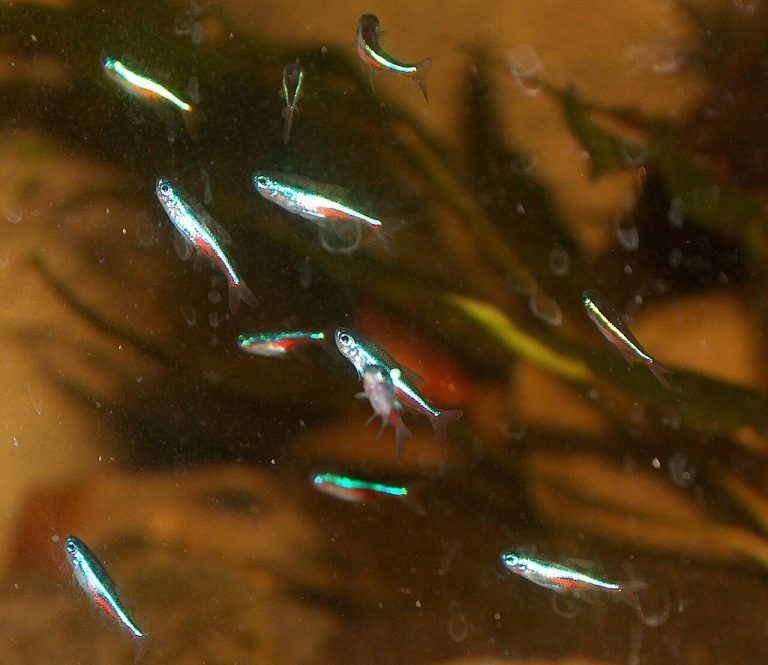
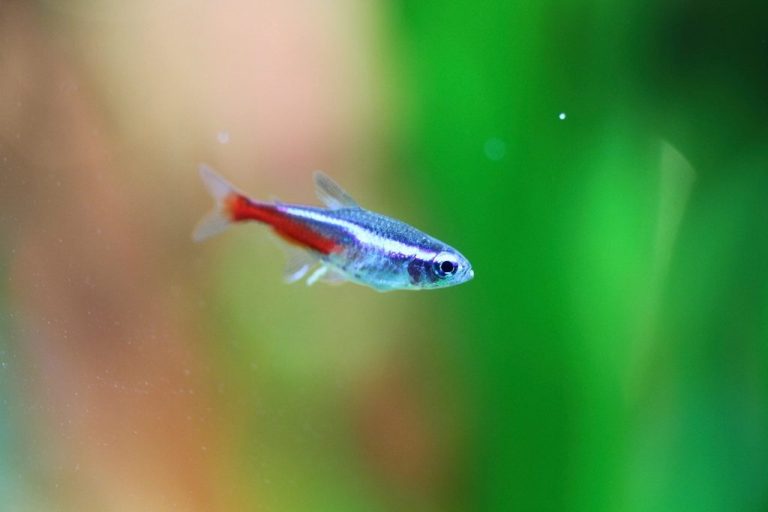
Keeping the right water temp for neon tetras is one of the most critical aspects of their care. These small, shimmering fish, scientifically known as Paracheirodon innesi, are staples in the hobby for a reason.
In my experience, many beginners underestimate how much temperature affects the long-term vitality of their school. When the temperature is dialed in correctly, you will see deeper blues, more colorful reds, and much more active swimming behavior.
Over the last decade of maintaining various Amazonian setups, I have noticed that stability is often more important than hitting a specific “perfect” number. Let’s look closely at the science and practical steps of managing heat in your neon tetra aquarium.
At a glance: Neon tetra (Paracheirodon innesi)
- Temperature
- 72–78°F (22–26°C)
- Water pH
- 6.0–7.0
- Adult size
- 1.5 in (4 cm)
- Minimum tank
- 10 gal (20 gal for a proper school)
- Group size
- Groups of 8+
- Temperament
- Peaceful
- Diet
- Omnivore: micro pellets, flakes, frozen daphnia
- Lifespan
- 5–8 years
Keeper’s tip: Add neons only to a fully cycled, stable tank; they are among the first fish to suffer from ammonia swings.
Understanding the Natural Habitat of Neon Tetras
To understand the best water temp for neon tetras, we must look at their origins. These fish hail from the Amazon River basin, specifically the blackwater and clearwater streams of Brazil, Peru, and Colombia.
These environments are typically shaded by dense rainforest canopies. This means the water does not fluctuate wildly in temperature throughout the day, even if the air above does.
The water in these regions is often soft and acidic, stained with tannins from fallen leaves. Understanding this natural context helps us replicate a stable environment for a rich neon tetra community in our own homes.
Pro Tip: Always place your aquarium away from windows or air conditioning vents. Direct sunlight can cause rapid temperature spikes that lead to stress and disease in small characins.
The Science of Temperature and Fish Health
Neon tetras are ectothermic, meaning their internal body temperature is regulated by the water around them. This process, known as ectothermic homeostasis, dictates every biological function they perform.
When the water temp for neon tetras is too high, their metabolic rate increases significantly. They will burn through energy faster, require more frequent feedings, and may even have a shorter lifespan.
Conversely, water that is too cold will cause their systems to slow down dangerously. This often leads to a suppressed immune system, making them easy targets for opportunistic pathogens.
Dissolved Oxygen and Heat
An often-overlooked factor is dissolved oxygen solubility. As the temperature of the water rises, its ability to hold oxygen decreases.
In a warm tank, your neon tetras might struggle to breathe even if the filtration is adequate. I have found that adding an air stone is essential if you plan to keep your tank at the higher end of their temperature range.
Ideal Temperature Ranges for Neon Tetras
While neon tetras can survive in a broad range, there are specific “sweet spots” depending on your goals. Whether you are focused on longevity or breeding these tiny gems, the numbers matter.
| Condition | Temperature Range (Fahrenheit) | Temperature Range (Celsius) |
|---|---|---|
| General Maintenance | 72°F – 78°F | 22°C – 25.5°C |
| Breeding Stimulation | 79°F – 81°F | 26°C – 27°C |
| Quarantine/Recovery | 76°F – 78°F | 24.5°C – 25.5°C |
| Stress Zone (Low) | Below 68°F | Below 20°C |
| Stress Zone (High) | Above 82°F | Above 28°C |
The Importance of Stability
It is better to keep your neon tetras at a constant 72°F than to have the water swing between 72°F and 80°F every day. Rapid changes can cause thermal shock, which is often fatal for small, sensitive fish.
When I first started, I made the mistake of not using a high-quality heater. The cheap unit I had caused 4-degree swings overnight, and I lost half my school to stress-related illness within a month.
Managing Water Temp for Neon Tetras with Equipment
To maintain the correct water temp for neon tetras, you need reliable equipment. A high-quality submersible heater thermostat is your best friend in this hobby.
Modern heaters use a thermistor to sense the water temperature and toggle the heating element on or off. However, these can fail, so it is vital to have a secondary way to monitor the heat.
I always recommend using an independent digital thermometer with a probe. This allows you to verify that the heater is actually doing its job without relying on the dial on the heater itself.
Choosing the Right Heater
For a standard neon tetra setup, you should aim for about 3 to 5 watts of heater power per gallon of water. If your room is particularly cold, you may need to lean toward the higher end of that scale.
Placement is also key. I’ve noticed that placing the heater near the filter intake or outlet helps make sure the warmed water is distributed evenly throughout the tank.
Pro Tip: Use two smaller heaters instead of one large one. If one fails and stays “on,” it is less likely to cook your fish. If one fails and stays “off,” the other can usually keep the tank from freezing until you notice.
When the water temp for neon tetras is neglected, health problems are inevitable. Two major diseases are closely tied to the thermal environment of the aquarium.
Ich (White Spot Disease)
Ichthyophthirius multifiliis, or Ich, is a parasite that often takes hold when fish are stressed by cold water. The parasite’s life cycle is also temperature-dependent.
While raising the temperature can speed up the treatment of Ich, doing so too quickly can further stress the tetras. Always increase the heat gradually—no more than 1-2 degrees per day.
Columnaris
On the other end of the spectrum, Flavobacterium columnare (Columnaris) does well in warmer water. This bacterial infection can wipe out a school of neon tetras in days.
If you notice white, saddle-like patches on your fish and your water is above 80°F, you may be dealing with this heat-loving pathogen. Lowering the temperature slightly (while staying within the safe range) can help slow the spread during treatment.
Temperature and Tank Mates
Neon tetras are social fish, but they must be kept with species that share their thermal requirements. When choosing compatible tank mates, always cross-reference their preferred temperature ranges.
For example, keeping neon tetras with goldfish is a recipe for disaster. Goldfish prefer much cooler water, while neon tetras require the tropical warmth of the 70s.
Common compatible mates include other small tetras, rasboras, and dwarf gouramis. Most of these species stay healthy in the same 75°F to 78°F window that neon tetras enjoy.
Seasonal Temperature Challenges
Maintaining the water temp for neon tetras becomes more difficult during the peak of summer or the depths of winter. You must be proactive to prevent disaster.
Summer Cooling Strategies
If your house gets hot, your aquarium will follow suit. When water exceeds 82°F, neon tetras begin to suffer from oxygen deprivation.
You can cool a tank by using a small clip-on fan to blow across the water surface. This increases evaporation, which naturally lowers the water temperature by several degrees.
Winter Heating Precautions
In winter, the biggest threat is a power outage. If the water temp for neon tetras drops below 65°F, their metabolism will almost stop.
I keep emergency space blankets in my fish room. Wrapping the tank in reflective foil can help retain heat for several hours if the power goes out.
How to Properly Acclimate Neon Tetras
When you bring new fish home, the water temp for neon tetras in the bag is likely different from your tank. Proper acclimation is non-negotiable to prevent thermal shock.
I prefer the “float and drip” method. First, float the sealed bag in your tank for 20 minutes to equalize the temperature.
Then, slowly add small amounts of tank water to the bag over the course of 40 minutes. This allows the fish to adjust to both the temperature and the water chemistry simultaneously.
Frequently asked questions
Can neon tetras live in unheated tanks?
In most modern homes, the ambient temperature is not stable enough for neon tetras. Unless your room stays at a constant 75°F year-round, a heater is required to prevent stress and disease.
Is 82 degrees too hot for neon tetras?
While they can tolerate 82°F for short periods (such as during disease treatment), it is not ideal for long-term care. High temperatures increase their metabolism and lower oxygen levels, which can lead to premature aging.
What happens if the water is too cold?
If the water temp for neon tetras stays below 70°F, their immune systems will weaken. They will become lethargic, lose their color, and likely develop fungal or parasitic infections like Ich.
Do neon tetras need a heater in the summer?
Yes, you should keep your heater plugged in. The submersible heater thermostat will only turn on if the water drops below your set point. It acts as a safety net against cool nights or heavy air conditioning.
Can I keep neon tetras with Bettas?
Bettas generally prefer water on the warmer side (78°F to 80°F). While neon tetras can live at 78°F, you must help the tank is large enough to prevent the Betta from becoming aggressive in the shared space.
My final take
Mastering the water temp for neon tetras is a fundamental skill that separates successful aquarists from those who struggle. If you provide a stable, warm environment that mimics the Amazon River basin, you give your fish the best chance at a long and healthy life.
Remember that Paracheirodon innesi relies entirely on you to maintain their ectothermic homeostasis. Invest in a high-quality heater, monitor the temperature with a reliable thermometer, and avoid rapid fluctuations at all costs.
In my experience, once you get the temperature right, the rest of neon tetra care falls into place. Your reward will be a shimmering, active school of fish that brings life and color to your home for years to come.

- 2003First tank
- 20+Years keeping
- 40+Tanks kept
- 0Sponsored picks
Howard set up his first 10-gallon planted tank in 2003 and lost half of it within six weeks. Two decades and more than forty aquariums later, he writes the guides he wished he had then: clear numbers, the reasons behind them, and what actually goes wrong in home tanks.