Neon Tetra Life Expectancy – Care Guide
The average neon tetra life expectancy is typically 5 to 8 years in a well-managed home aquarium. By optimizing water parameters, reducing stress, and providing a high-quality diet, some aquarists report their tetras living up to 10 years.
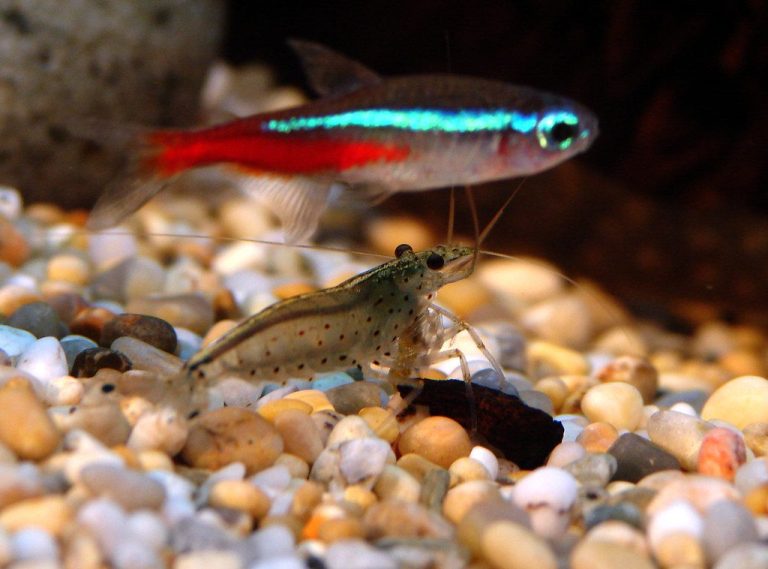
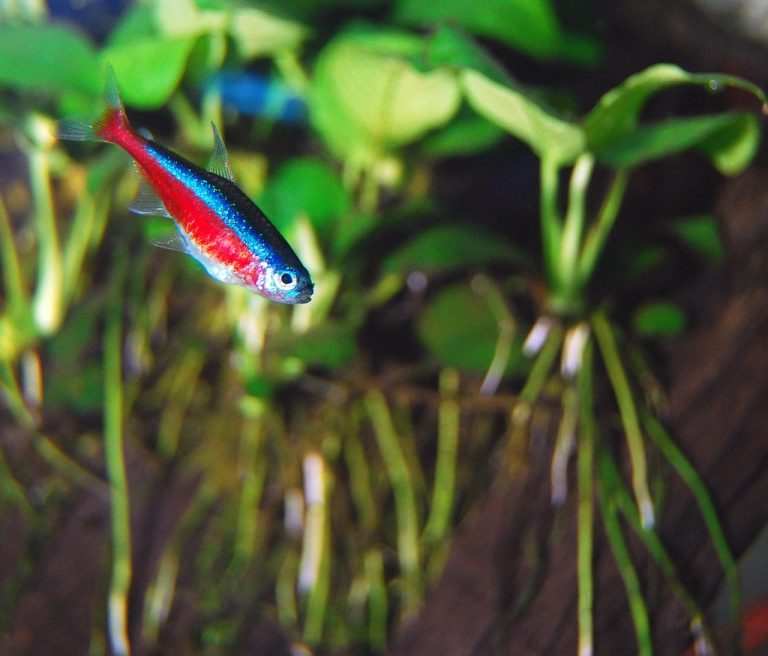
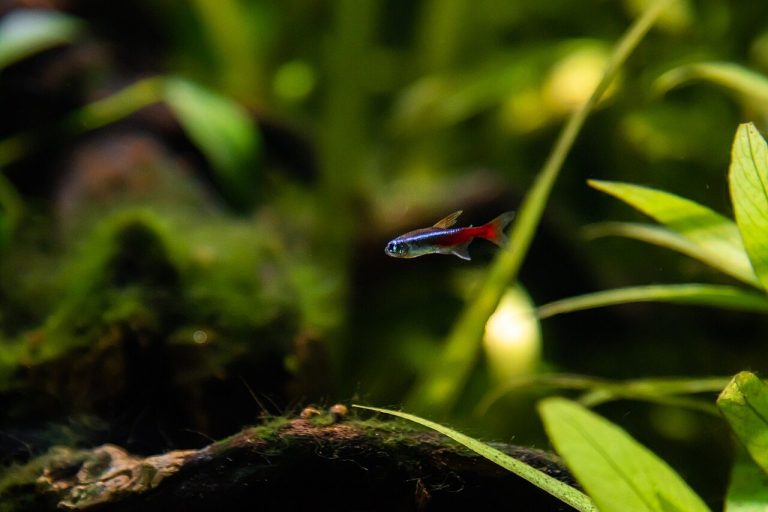
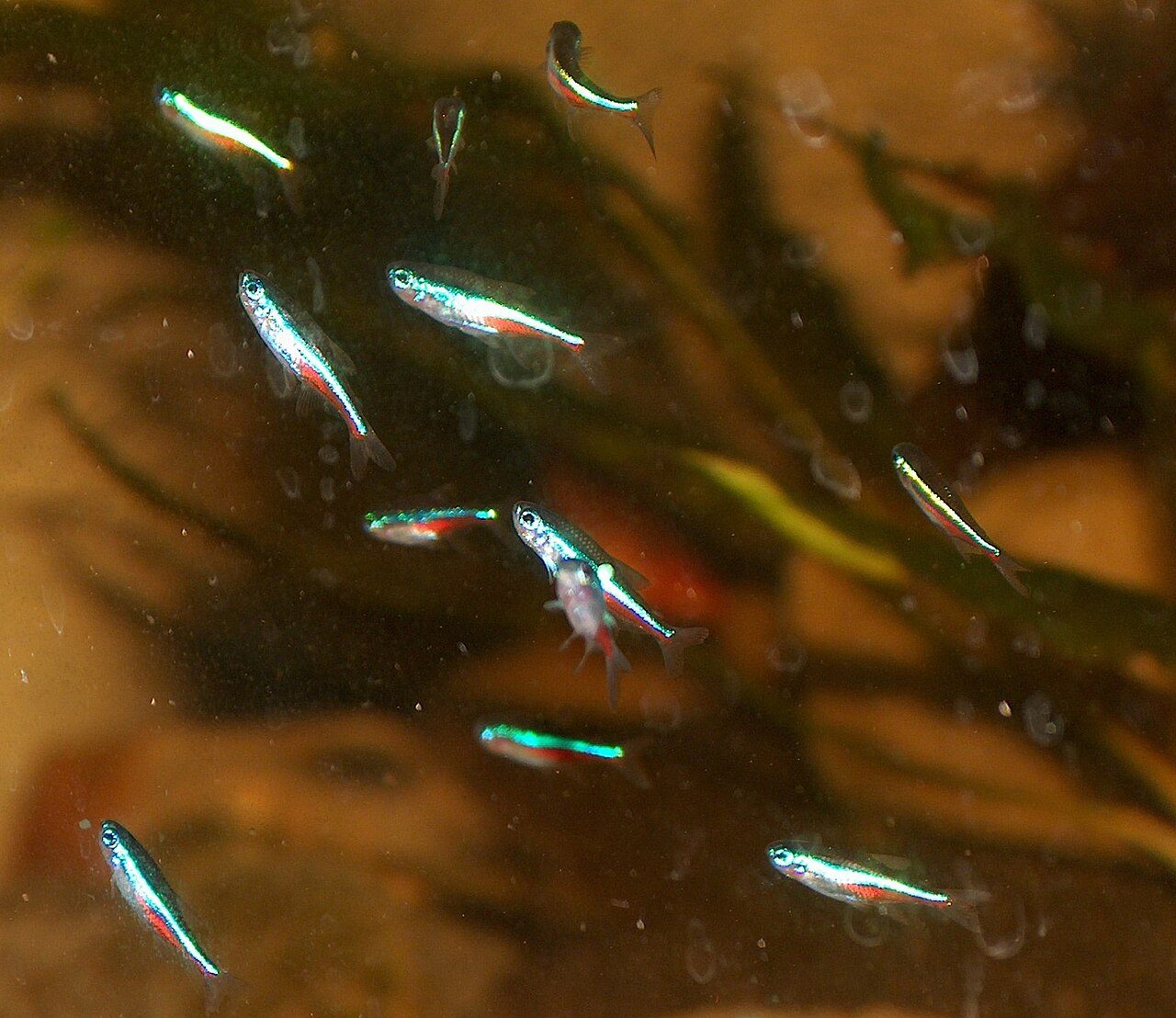
The Neon Tetra, scientifically known as Paracheirodon innesi, is perhaps the most iconic fish in the freshwater hobby. Their glowing blue and red stripes have captivated beginners and veterans alike for decades.
In my experience of maintaining South American biotope tanks for over ten years, I’ve found that many hobbyists underestimate how long these little jewels can actually live. While many people see them as “disposable” short-lived fish, their potential is much greater.
Understanding neon tetra life expectancy is the first step toward moving from a casual keeper to a successful aquarist. When we provide the right environment, we aren’t just keeping them alive; we are allowing them to do well through their full natural life cycle.
At a glance: Neon tetra (Paracheirodon innesi)
- Temperature
- 72–78°F (22–26°C)
- Water pH
- 6.0–7.0
- Adult size
- 1.5 in (4 cm)
- Minimum tank
- 10 gal (20 gal for a proper school)
- Group size
- Groups of 8+
- Temperament
- Peaceful
- Diet
- Omnivore: micro pellets, flakes, frozen daphnia
- Lifespan
- 5–8 years
Keeper’s tip: Add neons only to a fully cycled, stable tank; they are among the first fish to suffer from ammonia swings.
Understanding Neon Tetra Life Expectancy in the Wild vs. Home
In the wild blackwater streams of the Amazon basin, the life of a member of the Characidae family is often quite short. Predation, seasonal floods, and fluctuating food sources mean most wild neons rarely make it past their second year.
However, the neon tetra life expectancy in a home aquarium is significantly higher because we eliminate these external threats. In a controlled environment, we can manage the metabolic rate of the fish by controlling the temperature and keeping a steady supply of nutrients.
The process of senescence, or biological aging, happens much more slowly when a fish isn’t constantly fleeing from predators or struggling against harsh currents. This is why a well-kept neon can easily outlive its wild counterparts by several years.
Pro Tip: When buying Neons, look for specimens that are at least 3/4 of an inch long. Extremely tiny juveniles are often more fragile and may have a lower initial survival rate due to the stress of transport and undeveloped immune systems.
The Genetics Factor
It is important to acknowledge that not every neon tetra starts with the same potential. Because they are bred by the millions in commercial farms, genetic diversity can sometimes suffer.
Inbreeding can lead to a weakened immune system, making some individuals more susceptible to disease regardless of your care level. Choosing a reputable local fish store or a specialized breeder can drastically improve your chances of reaching that 8-year milestone.
Water Chemistry: The Secret to Longevity
If there is one thing I’ve noticed that separates a 2-year-old neon from an 8-year-old neon, it is water stability. These fish come from environments with very specific chemistry, and their bodies are designed to function within those bounds.
One of the most critical biological processes for these fish is osmoregulation. This is the way they maintain the balance of salts and water in their bodies, and it is heavily influenced by the Total Dissolved Solids (TDS) in your tank.
When the water is too hard or has a high Carbonate Hardness (KH), the fish’s organs have to work overtime to stay balanced. Over several years, this constant internal stress shortens their lives significantly.
| Parameter | Ideal Range for Longevity | Impact on Life Expectancy |
|---|---|---|
| Temperature | 70°F – 75°F (21°C – 24°C) | Lower temps slow metabolism and extend life. |
| pH Level | 6.0 – 7.0 | Acidic to neutral water reduces stress. |
| General Hardness (GH) | 2 – 8 dGH | Soft water aids in better osmoregulation. |
| Nitrates | < 20 ppm | Low nitrates prevent chronic organ damage. |
The Role of Humic Substances
In their natural habitat, the water is stained tea-brown by decaying leaf litter and wood. This releases humic substances and tannins into the water, which have natural antifungal and antibacterial properties.
I have found that adding Indian Almond leaves or using peat filtration can create a much healthier environment. These additions help mimic the blackwater conditions that Paracheirodon innesi evolved to stay healthy in.
Using these natural elements doesn’t just make the tank look more authentic; it actually boosts the fish’s immune system. This is a primary strategy for anyone looking to maximize their neon tetra life expectancy.
Diet and Nutrition for a Healthy Life
Feeding is more than just dropping some flakes in the tank once a day. To reach the upper limits of their lifespan, Neons need a varied diet that provides all the necessary vitamins and minerals.
In the wild, they are micro-predators, eating tiny insects, larvae, and zooplankton. If we only feed them one type of processed flake, they may develop nutritional deficiencies over time.
I always recommend a mix of high-quality crushed flakes, micro-pellets, and frozen foods like daphnia or baby brine shrimp. This variety ensures they get the carotenoids needed to keep those red stripes vivid and the proteins needed for cellular repair.
Common Mistake: Overfeeding in warm water. High temperatures increase their appetite, but overfeeding leads to fatty liver disease and poor water quality, both of which are “life-shorteners.”
The Impact of Metabolic Rate
Temperature plays a massive role in how fast a fish “lives.” Because fish are ectothermic (cold-blooded), their internal chemistry is dictated by the water around them.
If you keep your tank at a constant 80°F, their metabolic rate will be very high. They will grow faster and be more active, but they will also age faster.
Keeping them at the lower end of their range, around 72°F to 74°F, allows their bodies to function more efficiently. This slower pace of life is often the key to seeing your tetras reach 7 or 8 years of age.
Optimizing the Tank Environment
A fish that feels safe is a fish that lives longer. Stress is the number one silent killer in the aquarium hobby, as it suppresses the immune system and leaves fish vulnerable to opportunistic infections.
The size of the aquarium matters immensely for social stability. While some suggest very small tanks, choosing a proper tank size makes sure that the school has enough room to establish a hierarchy without constant nipping.
Neons are schooling fish, and they find security in numbers. I’ve noticed that a group of 10 or more is significantly less stressed than a group of 5. When they feel safe, their cortisol levels remain low, which preserves their long-term health.
Creating a Low-Stress Layout
The physical layout of the tank can also influence neon tetra life expectancy. They prefer heavily planted tanks with plenty of shaded areas and hiding spots.
Floating plants are particularly effective because they diffuse the light. Neons can be quite skittish under intense, direct lighting, which is common in many modern LED setups.
You can learn more about creating the perfect environment in our guide on the ideal neon tetra setup. Providing these natural “security blankets” will prevent the chronic stress that often leads to an early death.
Common Health Hurdles and Disease Prevention
Even with the best care, diseases can occur. The most notorious is “Neon Tetra Disease,” caused by the parasite Pleistophora hyphessobryconis. This condition is currently incurable and can wipe out a school quickly.
Prevention is the only real cure. This starts with a strict quarantine protocol for any new fish, plants, or invertebrates you add to the tank.
Always observe your fish daily. Look for fading colors, curved spines, or lumpy growths. Early detection of common issues like Ich or Fin Rot can prevent the secondary infections that often claim the lives of older, more vulnerable fish.
The Importance of Filtration
High-quality filtration is non-negotiable. While Neons don’t like a heavy current, they do require biologically mature water.
Using a reliable aquarium filter helps make sure that ammonia and nitrites are always at zero. Even tiny spikes in these toxins can cause permanent gill damage, which reduces the fish’s ability to take in oxygen and shortens its life.
I prefer using sponge filters or pre-filter sponges on power filters to prevent the small tetras from being sucked into the intake. This also provides a large surface area for beneficial bacteria to flourish.
Step-by-Step Guide to Increasing Longevity
If you want to make sure your school lives for the next 5 to 8 years, follow this structured approach to their care.
1. Perfect the Acclimation Process: When you first bring your fish home, use the drip acclimation method. This slowly adjusts them to your water’s TDS and pH, preventing osmotic shock.
2. Maintain Temperature Consistency: Use a high-quality heater and a reliable thermometer. Fluctuations of even a few degrees can stress their delicate systems.
3. Weekly Water Changes: Aim for 15-25% water changes every week. This removes hormones and organic compounds that can stunt growth and accelerate aging.
4. Monitor the Nitrogen Cycle: Regularly test your water. Never assume the water is “clean” just because it is clear.
5. Provide Darker Substrate: Using a dark sand or gravel makes their colors pop and also makes them feel more secure, as they are less visible to “predators” from above.
Quick answers
How can I tell how old my neon tetra is?
It is difficult to determine the exact age once they reach adult size. However, older tetras (4+ years) often appear slightly larger, have thicker bodies, and may move a bit more slowly than the energetic juveniles.
Does tank size really affect their lifespan?
Yes. In smaller tanks, water parameters can shift rapidly, and there is less room for the fish to escape social tension. A 20-gallon long tank is often cited as the “sweet spot” for a healthy, long-lived school.
Can neon tetras live with Betta fish?
While they can coexist, the higher temperatures usually required for Bettas (78°F+) can increase the neon’s metabolism and potentially shorten its life. It is better to keep them in a dedicated community tank at slightly cooler temperatures.
Why do my neons die after only a few months?
This is usually due to “New Tank Syndrome” or osmotic shock. If the tank isn’t fully cycled, or if the water hardness is significantly different from what they were raised in, their systems may fail prematurely.
A closing note
The neon tetra life expectancy is a reflection of the quality of care provided by the aquarist. While 5 to 8 years is the standard for an expert keeper, even reaching 3 or 4 years is a great success for a beginner.
If you focus on soft, acidic water, a varied diet, and a low-stress environment, you can enjoy these brilliant fish for a significant portion of a decade. Consistency is more important than “perfect” numbers.
I’ve seen schools of Neons become the centerpiece of a home for years, outlasting many of the larger, supposedly hardier fish. Treat them with the respect their biology demands, and they will reward you with a lifetime of colorful color and activity.

- 2003First tank
- 20+Years keeping
- 40+Tanks kept
- 0Sponsored picks
Howard set up his first 10-gallon planted tank in 2003 and lost half of it within six weeks. Two decades and more than forty aquariums later, he writes the guides he wished he had then: clear numbers, the reasons behind them, and what actually goes wrong in home tanks.