What To Feed Tetras – For Vibrant Colors And Long-Term Health
To keep tetras healthy, feed them a diverse diet of high-quality tropical flakes or micro-pellets supplemented with live or frozen foods like brine shrimp and daphnia. Providing variety helps make sure they receive essential proteins and vitamins for growth.
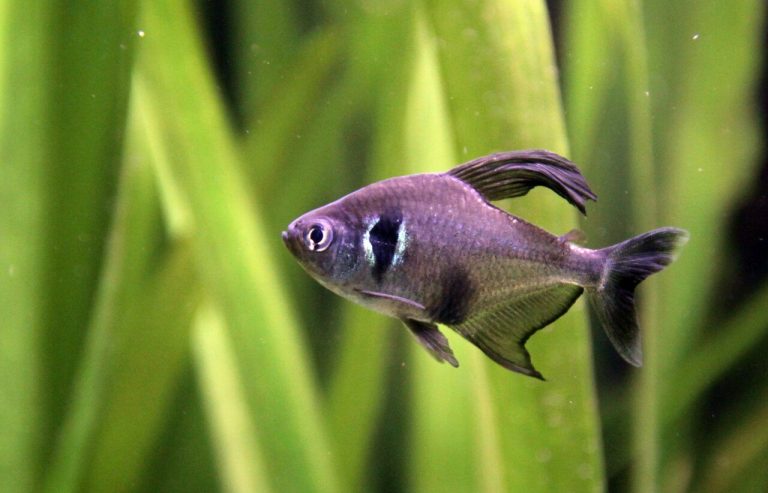
Watching a school of tetras dart through a heavily planted tank is one of the most satisfying sights in the aquarium hobby. After spending over a decade maintaining dozens of community tanks, I’ve learned that their shimmering scales and active behavior are direct results of what they eat.
Many beginners assume that any “fish food” will do, but tetras have specific biological needs that must be met. Understanding what to feed tetras is the first step toward creating a well-kept aquatic environment where these fish can live out their full lifespans.
In this guide, I will share the nutritional secrets I’ve gathered through years of trial and error. We will explore the best food types, feeding schedules, and how to use diet to bring out those striking neon and ember hues.
At a glance: Tetras (general) (Family Characidae and relatives)
- Temperature
- 72–80°F (22–27°C) for most species
- Water pH
- 6.0–7.5 for most species
- Adult size
- 1–3 in (2.5–8 cm)
- Minimum tank
- 10–30 gal depending on species
- Group size
- Groups of 6–10+
- Temperament
- Mostly peaceful schooling fish
- Diet
- Omnivores: quality flakes or micro pellets plus frozen foods
- Lifespan
- 3–8 years
Keeper’s tip: Schooling size matters more than tank size for most tetras: small groups hide, nip and stress.
Understanding the Tetra as a Micropredator
In the wild, most tetra species, including the popular Paracheirodon innesi, function as a micropredator. This means their natural diet consists of tiny organisms they find in the water column or among submerged plants.
They spend their days hunting for small insects, larvae, and various benthic invertebrates that live near the bottom of their native rivers. Because they are adapted to eating small, protein-rich prey, their captive diet should reflect this high-protein requirement.
I’ve noticed that when tetras are fed a diet too high in fillers like corn or wheat, they lose their “zip” and their colors begin to fade. Providing a diet that mimics their natural intake is essential for their immune system and overall vitality.
Pro Tip: Always observe your tetras during feeding time. If they are ignoring the food or spitting it back out, the morsels might be too large for their tiny mouths, or the food may have lost its nutritional value due to age.
What to Feed Tetras for Right Health
When deciding what to feed tetras, you should aim for a “rotation” strategy rather than sticking to a single product. A varied diet prevents nutritional deficiencies and keeps the fish interested in their meals.
High-quality dry foods form the foundation of most aquarium diets, but they should never be the only thing on the menu. Let’s break down the best options available for your schooling fish.
| Food Type | Nutritional Benefit | Frequency |
|---|---|---|
| Micro-Pellets / Flakes | Balanced vitamins and minerals | Daily (Base diet) |
| Frozen Brine Shrimp | High protein and amino acids | 2-3 times per week |
| Daphnia (Live or Frozen) | Aids digestion (natural laxative) | Once per week |
| Freeze-Dried Bloodworms | High calorie for growth | Occasional treat |
High-Quality Dry Foods
Flakes are the most common choice, but I personally prefer micro-pellets for tetras. Pellets tend to hold their nutritional integrity longer in the water and are easier for the fish to track as they sink slowly.
Look for brands that list a whole protein source, like “whole fish meal” or “shrimp meal,” as the first ingredient. Avoid products where the first few ingredients are “wheat flour” or “soybean meal,” as these are just fillers.
If you are keeping specific species, you might find that a proper diet for neons requires even smaller particles than what you would give to larger Congo tetras. Always match the food size to the size of the fish’s eye; this is a good rule of thumb for their stomach capacity.
The Power of Live and Frozen Foods
If you want to see your tetras settle in, you must incorporate “wet” foods. Artemia salina, commonly known as brine shrimp, is perhaps the best all-around supplemental food for these species.
In my experience, feeding live Daphnia pulex (water fleas) once a week acts as a fantastic digestive aid. It helps prevent bloating, which is a common issue for smaller fish that eat a lot of dry, processed flakes.
Frozen bloodworms, which are the larvae of Chironomidae flies, are another excellent choice. However, bloodworms are very rich, so I recommend feeding them sparingly to avoid fatty liver issues in your fish.
Boosting Colors with Specific Nutrients
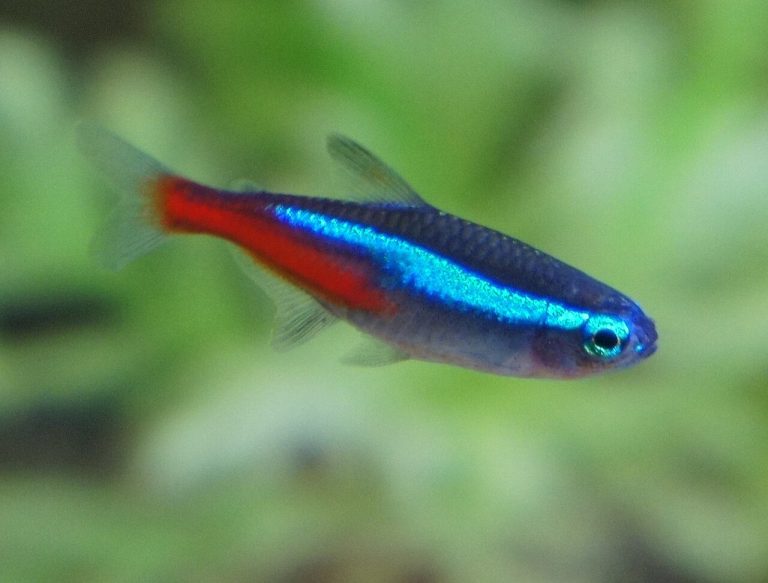
One of the main reasons we keep tetras is for their brilliant colors. To keep those reds deep and those blues shimmering, you need to provide foods rich in Carotenoids.
These are natural pigments found in certain algae and crustaceans. When a tetra consumes these pigments, they are deposited in the skin cells, resulting in much more rich coloration.
Spirulina and Plant Matter
While tetras are primarily carnivorous, they do benefit from a small amount of vegetable matter. Spirulina platensis is a blue-green algae that is packed with vitamins and color-improving properties.
I often look for “Spirulina flakes” to mix into my regular feeding routine. This helps with color and also boosts the immune system, making your fish more resistant to common diseases like Ich or Fin Rot.
When your fish are healthy and well-fed, you are much more likely to maximize their lifespan and enjoy their company for years. A fish that lacks proper nutrition will often appear washed out or lethargic.
Feeding Schedules and Techniques
How you feed is just as important as what to feed tetras. Because they have high metabolisms, they do better with small, frequent meals rather than one large feeding.
I recommend feeding your tetras two times per day. Only provide an amount they can completely consume within two minutes.
Pro Tip: Turn off your filter for 5 minutes during feeding. This prevents the food from being sucked into the intake or blown into hard-to-reach corners where it will rot and spike your ammonia levels.
Managing Waste and Water Quality
Every bit of food that goes into the tank eventually turns into Nitrogenous waste. Overfeeding is the number one cause of cloudy water and algae blooms in tetra tanks.
If you see food hitting the substrate and staying there, you are feeding too much. Tetras are mid-water feeders and rarely scavenge from the floor of the tank; they prefer to catch food as it falls.
Maintaining stable water conditions is easier when you feed precisely. I always suggest using a small measuring spoon or a pinch-method to keep consistency every single day.
Feeding Tetra Fry and Breeding Pairs
If you are interested in breeding, the question of what to feed tetras becomes even more critical. Adult tetras need to be “conditioned” with high-protein live foods to produce healthy eggs.
Once the eggs hatch, the fry are incredibly tiny and cannot eat standard fish food. For the first few days, they require Infusoria, which are microscopic organisms often found in mature aquarium water or cultured in jars of aged vegetable water.
As they grow, you can transition them to “baby brine shrimp” (newly hatched Artemia). These are small enough for the fry to swallow and provide the massive amount of protein needed for rapid development.
Common Feeding Mistakes to Avoid
In my decade of fish keeping, I’ve seen many hobbyists make the same few mistakes. Avoiding these will save you a lot of heartache and keep your tank much cleaner.
- Feeding Expired Food: Once a container of flakes is opened, the vitamins start to degrade. Try to use up a container within 3-4 months or buy smaller sizes.
- Relying on a Single Food: No matter how “complete” a food claims to be, variety is the key to a sturdy immune system.
- Ignoring the “Bottom Dwellers”: If you have corydoras or shrimp with your tetras, make sure they get food too, as tetras are very fast and will often steal everything before it hits the bottom.
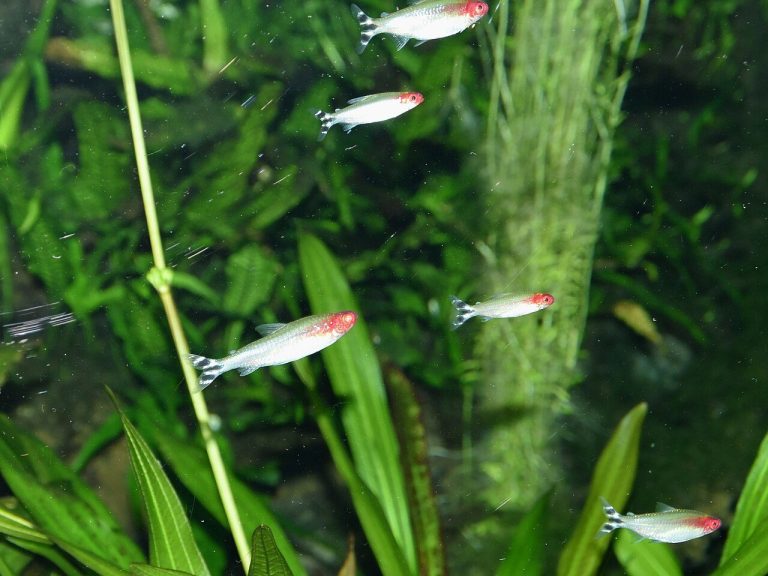
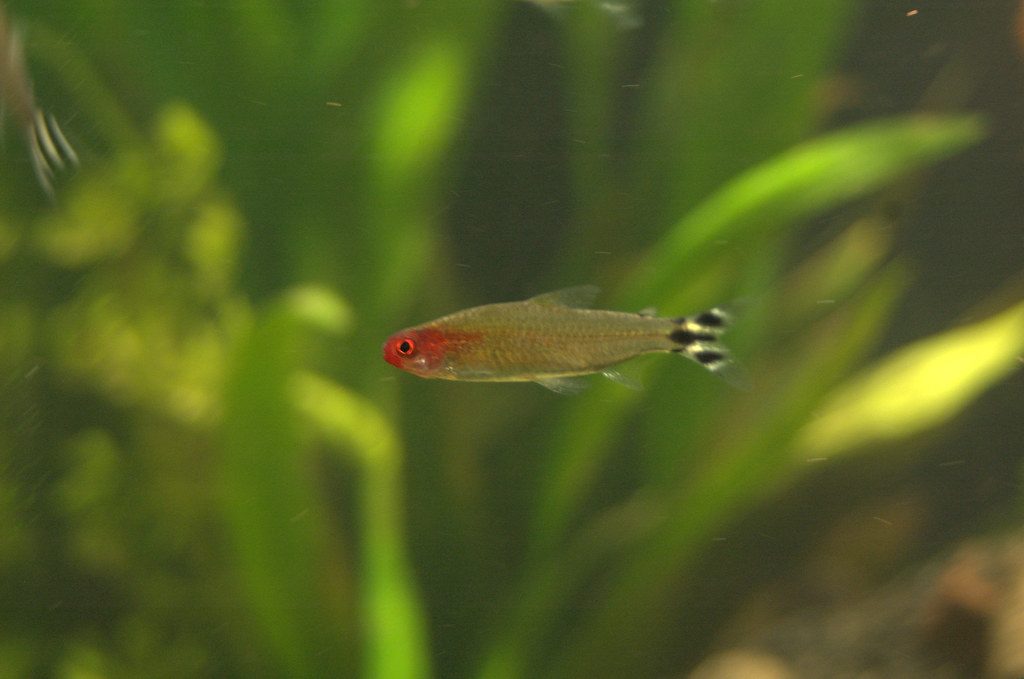
I once had a school of Rummy Nose tetras that looked quite pale despite my best efforts. I realized I was only feeding them a generic store-brand flake. Within two weeks of switching to a diet of crushed krill flakes and frozen daphnia, their “red noses” became incredibly vivid.
Things people often ask
Can tetras eat tropical fish flakes exclusively?
While they can survive on flakes, they will not stay healthy. They need the chitin from insects and the amino acids from live/frozen prey to reach their full potential in terms of health and color.
How many times a day should I feed my tetras?
Two small feedings per day are ideal. This keeps their energy levels stable and prevents the digestive system from being overwhelmed by a single large meal.
Do tetras need vegetables?
They are not herbivores, but they do benefit from some plant matter. High-quality flakes usually include some algae, which is sufficient for their needs.
Why are my tetras not eating?
Check your water temperature and ammonia levels first. If the water is too cold or toxic, fish lose their appetite. If the water is fine, try offering a high-value food like live brine shrimp to stimulate their hunting instinct.
Can I feed my tetras bread or crackers?
Absolutely not. Human foods contain processed sugars, salts, and preservatives that can be fatal to fish and will quickly foul your aquarium water.
The short version
Determining what to feed tetras doesn’t have to be complicated, but it does require a bit of intentionality. If you provide a base of high-quality dry food and supplementing it with live or frozen treats, you are giving your fish the best possible life.
A healthy tetra is an active, colorful tetra. When you see those deep reds and shimmering silvers, you’ll know your efforts in the kitchen (or the freezer) are paying off.
Keep your feedings consistent, monitor your water quality, and don’t be afraid to experiment with different high-quality brands. Your tetras will thank you with years of beautiful, schooling behavior in your home aquarium.

- 2003First tank
- 20+Years keeping
- 40+Tanks kept
- 0Sponsored picks
Howard set up his first 10-gallon planted tank in 2003 and lost half of it within six weeks. Two decades and more than forty aquariums later, he writes the guides he wished he had then: clear numbers, the reasons behind them, and what actually goes wrong in home tanks.