Different Tetra Species – Top Picks for Your Tank
Different tetra species are diverse freshwater fish from the Characidae family, ranging from the iconic Neon Tetra to the hardy Black Skirt. Most flourish in schools of six or more within stable, well-maintained tropical aquariums.
Bringing home your first school of tetras is a rite of passage for almost every aquarist. These bright, energetic fish belong to the massive Characiformes order and are known for their incredible diversity in color, size, and temperament.
In my fifteen years of maintaining community tanks, I have found that few things compare to the shimmering movement of a large shoal. Whether you are looking for the classic glow of a Neon or the sophisticated elegance of a Rummy Nose, understanding the nuances of different tetra species is key to a well-kept underwater world.
This guide will walk you through the most popular varieties, their specific care requirements, and how to create an environment where they can shine. Let’s look at the interesting world of these small but mighty Characidae family members.
At a glance: Tetras (general) (Family Characidae and relatives)
- Temperature
- 72–80°F (22–27°C) for most species
- Water pH
- 6.0–7.5 for most species
- Adult size
- 1–3 in (2.5–8 cm)
- Minimum tank
- 10–30 gal depending on species
- Group size
- Groups of 6–10+
- Temperament
- Mostly peaceful schooling fish
- Diet
- Omnivores: quality flakes or micro pellets plus frozen foods
- Lifespan
- 3–8 years
Keeper’s tip: Schooling size matters more than tank size for most tetras: small groups hide, nip and stress.
What Defines the Different Tetra Species?
While they come in many shapes and colors, most tetras share specific anatomical traits that set them apart from other community fish. One of the most distinctive features is the adipose fin, a small, fleshy fin located between the dorsal fin and the tail.
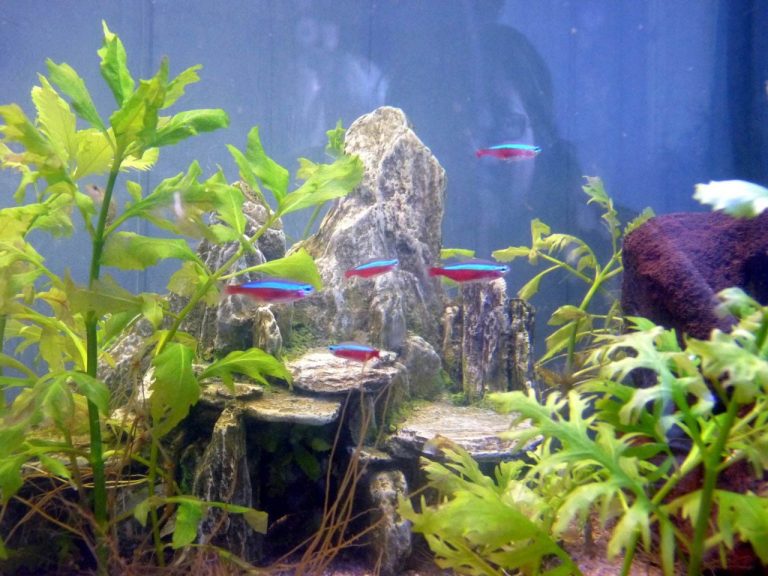
Most of these fish originate from the river systems of South America and Africa, where they have evolved to live in large groups. This shoaling behavior is not just for show; it is a vital survival mechanism that helps them feel secure and reduces stress in the home aquarium.
In my experience, a lonely tetra is a stressed tetra, which often leads to a weakened immune system. Always aim for a minimum of six individuals, though a group of ten or more is where you will see their most natural and rich behaviors.
The Role of the Blackwater Biotope
Many different tetra species hail from environments enriched with tannic acid, often referred to as a blackwater biotope. These waters are stained the color of tea by decaying organic matter like leaves and driftwood.
This environment is naturally soft and acidic, which is the gold standard for many wild-caught species. While many captive-bred tetras are adaptable, mimicking these conditions can lead to better coloration and more successful spawning attempts.
Pro Tip: If your tetras seem shy or washed out, try adding Indian Almond leaves to the tank. The tannins they release create a more natural look and also provide mild antibacterial properties that benefit their delicate slime coats.
Comparing Popular Different Tetra Species
Choosing the right fish requires looking at more than just their colors. You must consider their adult size, required water chemistry, and how active they are in the water column.
The following table outlines some of the most common different tetra species kept by hobbyists today to help you make an informed decision.
| Species Name | Average Size | Ideal Temperature | Minimum Tank Size |
|---|---|---|---|
| Neon Tetra | 1.5 inches | 72°F – 78°F | 10 Gallons |
| Cardinal Tetra | 2.0 inches | 73°F – 81°F | 20 Gallons |
| Rummy Nose Tetra | 2.5 inches | 75°F – 84°F | 20 Gallons Long |
| Ember Tetra | 0.8 inches | 73°F – 82°F | 5-10 Gallons |
| Congo Tetra | 3.0 – 3.5 inches | 73°F – 82°F | 30-40 Gallons |
A Deep Look at Popular Tetra Varieties
Each species brings a unique personality to the tank. Understanding their specific needs helps make sure they don’t just survive but stay healthy under your care.
Neon Tetra vs. Cardinal Tetra
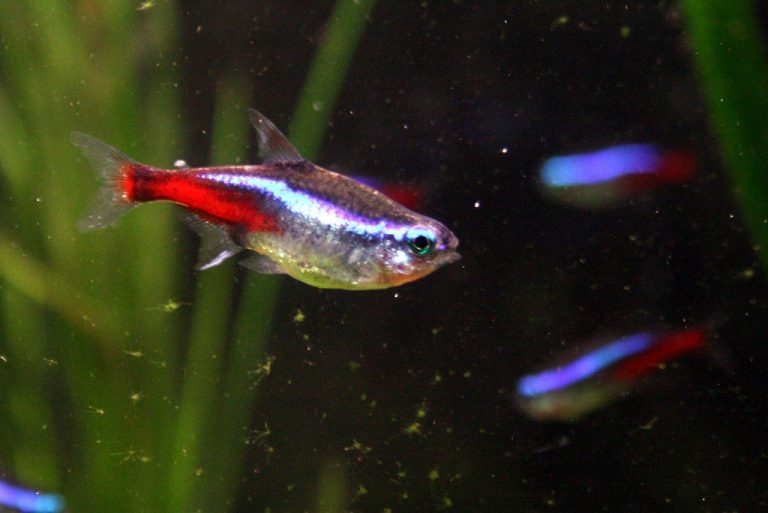
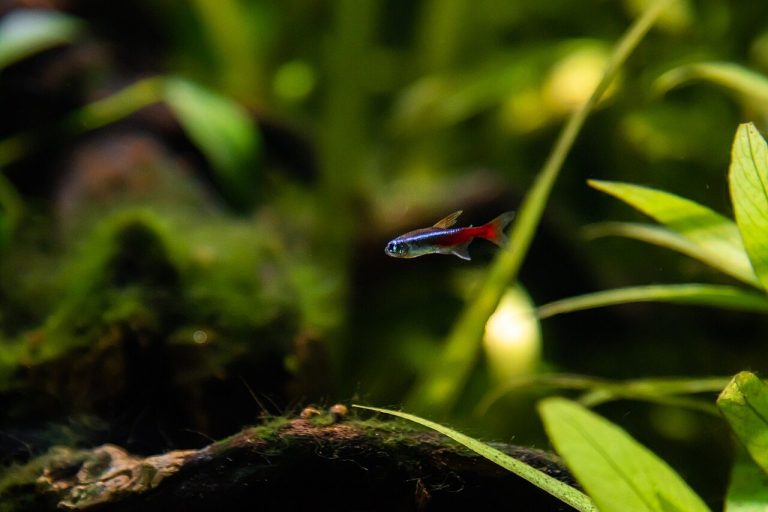
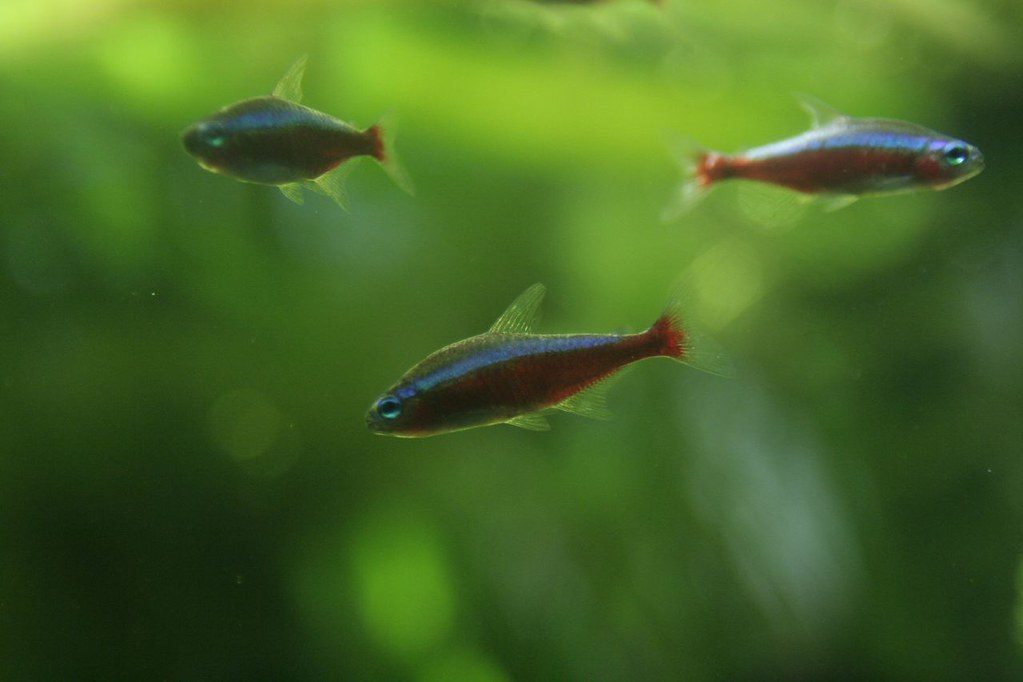
The Neon Tetra is perhaps the most famous of all different tetra species. However, many beginners confuse them with the Paracheirodon axelrodi, commonly known as the Cardinal Tetra.
While they look similar, the Cardinal Tetra features a red stripe that runs the full length of its body, whereas the Neon’s red stripe stops halfway. In my experience, Cardinals are slightly hardier once acclimated but require warmer water than Neons.
It is also important to be aware of Pleistophora hyphessobryconis, or Neon Tetra Disease. This is a parasitic condition that can devastate a school, so always quarantine new arrivals for at least two weeks.
The Rummy Nose Tetra: The Living Water Tester
The Hemigrammus rhodostomus, or Rummy Nose Tetra, is a favorite among intermediate keepers. They are famous for their tight schooling behavior and their “red noses” which serve as a health indicator.
If your water quality drops or the fish are stressed, that vivid red will fade to a pale pink. I have often used their coloration as an early warning system to check my parameters before problems escalate.
They are active swimmers and require a “long” style tank rather than a “tall” one. Providing plenty of horizontal swimming space allows them to display their natural grace.
The Ember Tetra: Perfect for Nano Tanks
If you are working with a smaller setup, the Ember Tetra is an ideal choice. Their deep orange hue provides a beautiful contrast against green aquatic plants.
Because of their tiny size, they have a very low bio-load, making them one of the best different tetra species for 5 to 10-gallon aquariums. Just make sure you are choosing the right tank size for the number of fish you plan to keep to avoid overcrowding.
Essential Care for Different Tetra Species
Maintaining a healthy environment for your tetras involves more than just a filter and a heater. Consistency is the most important factor in long-term success.
Water Quality and Temperature
Most tetras are tropical fish and require a reliable heater to maintain a stable environment. Fluctuations in temperature can lead to stress and outbreaks of Ich or other fungal infections.
While specific needs vary by species, most prefer slightly acidic to neutral water (pH 6.0 to 7.0). Keeping a consistent ideal temperature range is important for their metabolic health.
Regular water changes—typically 20-30% weekly—are necessary to keep nitrates low. Tetras are particularly sensitive to ammonia and nitrite spikes, so never add them to an uncycled aquarium.
Dietary Requirements
Tetras are omnivores and stay healthy on a varied diet. In the wild, they consume small insects, larvae, and plant matter.
In the home aquarium, you should provide a base of high-quality flake and pellet foods. To really see them flourish, supplement their diet with frozen or live foods like baby brine shrimp, daphnia, or bloodworms.
I have noticed that feeding a variety of foods significantly improves their color intensity. A fish fed only on cheap flakes will never look as radiant as one receiving high-protein treats.
Common Mistake: Overfeeding is the number one cause of water quality issues in tetra tanks. These fish have tiny stomachs; only feed what they can consume in two minutes, and help no food reaches the substrate to rot.
Understanding Behavior and Choosing Tank Mates
Tetras are generally peaceful, but there are exceptions. Understanding the social dynamics of different tetra species will prevent bullying and fin-nipping in your community tank.
The Importance of Shoaling
As mentioned, shoaling behavior is a psychological requirement for these fish. When kept in insufficient numbers, tetras may become “nippy” or excessively shy.
Species like the Hyphessobrycon eques (Serpae Tetra) are notorious for fin-nipping if their school is too small or if they are housed with slow-moving, long-finned fish like Bettas or Angelfish.
If you notice aggression, the first solution should always be to increase the size of the school. This focuses their energy on interacting with each other rather than harassing their tank mates.
Best Tank Mates for Tetras
Most tetras do well with other peaceful community fish. Ideal companions include:
- Corydoras Catfish (bottom dwellers that stay out of the tetras’ way)
- Small Rasboras
- Peaceful Dwarf Cichlids like Apistogramma
- Dwarf Gouramis
- Freshwater Shrimp (though very small shrimplets may be eaten)
Avoid keeping small tetras with large, predatory fish. Even a “peaceful” large fish might accidentally swallow a small Neon Tetra if it fits in their mouth.
An Overview of Breeding Tetras
Breeding different tetra species can be a rewarding challenge for the intermediate hobbyist. Unlike livebearers, tetras are egg-scatterers and typically provide no parental care.
To be successful, you generally need a separate breeding tank with very soft water and plenty of fine-leaved plants or a spawning mop. The parents must be removed immediately after spawning, as they will quickly eat their own eggs.
Raising the fry is the hardest part, as they are often too small to eat standard crushed flakes. You will need “infusoria” or specialized liquid fry food for the first few days of their lives.
Reader questions
How long do tetras usually live?
Most small tetras live between 3 to 5 years in a well-maintained aquarium. Larger species, like the Congo Tetra or Black Skirt Tetra, can live up to 7 or 8 years with proper care and a stress-free environment.
Can I mix different species of tetras in one school?
While different species will often swim together, they do not “school” across species lines. It is always better to have one large group of a single species than several tiny groups of different ones. They feel much safer with their own kind.
Do tetras need live plants?
While not strictly required, tetras are much happier and more colorful in a planted tank. Plants provide hiding spots, mimic their natural environment, and help maintain water quality by absorbing nitrates.
Why do my tetras lose color at night?
This is a natural defense mechanism. When the lights go out, tetras “turn off” their bright pigments to blend into the shadows and avoid predators. Their color should return to full brilliance within 30 minutes of the lights coming back on.
Final Thoughts on Different Tetra Species
different tetra species offers something for every type of aquarist. From the shimmering blues of the Neon to the deep oranges of the Ember, these fish bring life and movement to any aquarium.
If you focus on their need for a school, maintaining stable water parameters, and providing a high-quality diet, you can enjoy these Characidae wonders for years to come. Remember that success starts with research and a commitment to consistency.
Whether you are setting up a high-tech aquascape or a simple community tank, there is a tetra species perfectly suited for your home. Take your time, observe their behaviors, and enjoy the peaceful serenity that a healthy school of tetras provides.

- 2003First tank
- 20+Years keeping
- 40+Tanks kept
- 0Sponsored picks
Howard set up his first 10-gallon planted tank in 2003 and lost half of it within six weeks. Two decades and more than forty aquariums later, he writes the guides he wished he had then: clear numbers, the reasons behind them, and what actually goes wrong in home tanks.