Blind Cave Tetra Lifespan – How to Help Them Live Longer
The average Blind Cave Tetra lifespan is typically 3 to 5 years in home aquariums. However, with pristine water quality and low-stress environments, these unique fish can reach 7 to 10 years of age.
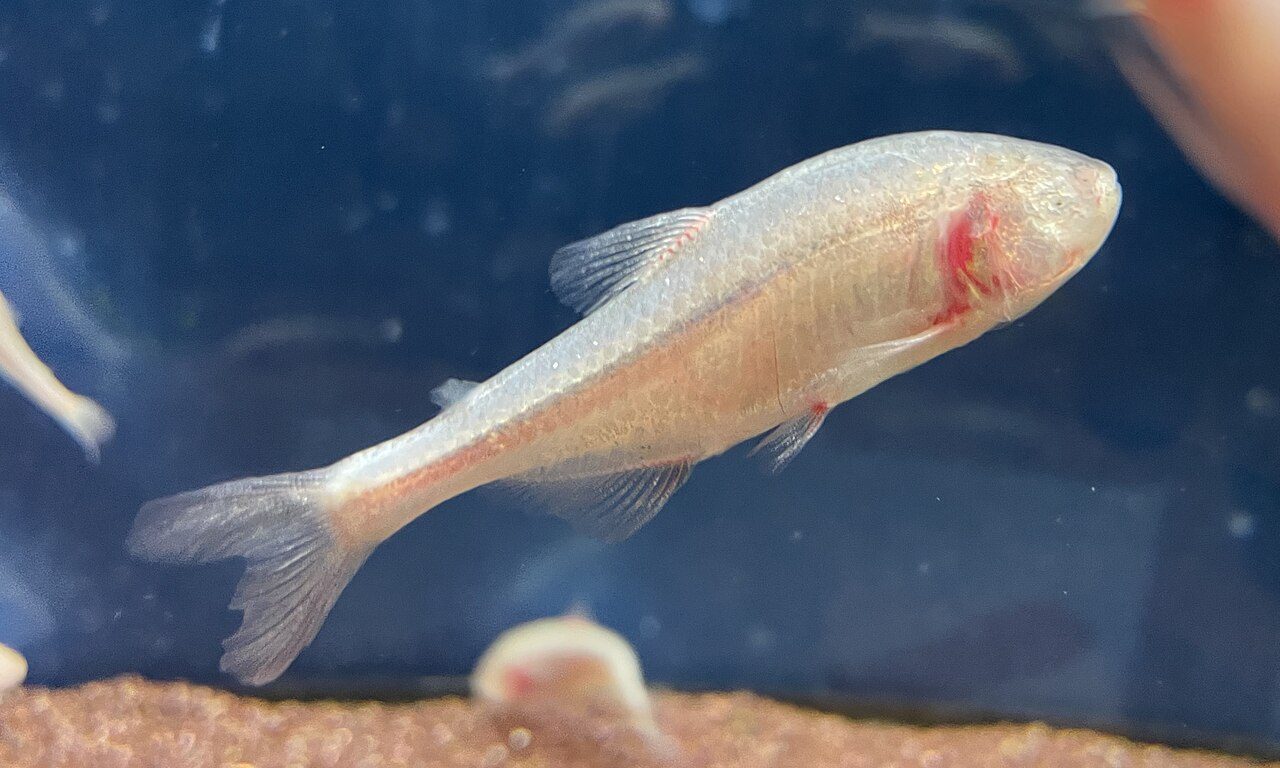
The Blind Cave Tetra lifespan is a topic that fascinates many aquarists who are drawn to the unusual nature of these eyeless fish. Known scientifically as Astyanax mexicanus, these creatures have adapted to live in total darkness, a biological phenomenon known as troglomorphism.
In my decade of keeping various characins, I have found that while these fish are incredibly hardy, their longevity depends heavily on the stability of their environment. Unlike many surface-dwelling fish, they rely on specialized sensory organs to handle and find food.
Understanding their unique evolutionary history is the first step toward making sure they live a full, healthy life. By replicating the stable conditions of their ancestral homes, you can help them reach their maximum age potential.
At a glance: Blind cave tetra (Astyanax mexicanus)
- Temperature
- 68–77°F (20–25°C)
- Water pH
- 6.5–8.0
- Adult size
- 3.5 in (9 cm)
- Minimum tank
- 30 gal
- Group size
- Groups of 4+
- Temperament
- Peaceful to semi-aggressive
- Diet
- Omnivore: sinking pellets, flakes, frozen foods
- Lifespan
- 10–15 years
Keeper’s tip: They find food by smell and lateral line, so sinking foods spread across the floor work best.
Understanding the Blind Cave Tetra Lifespan and Origins
The Blind Cave Tetra lifespan is deeply rooted in the environment where they evolved. These fish originate from deep cave systems in Mexico, characterized by karst topography and consistent water parameters.
Because they live in environments without light, they have lost their eyes and pigmentation over thousands of years. This energy-saving adaptation allows them to divert more biological resources toward their other senses.
In a captive setting, these fish are surprisingly resilient, but they still require specific care to settle in. Below is a quick reference table for the ideal conditions that support a long life.
| Parameter | Ideal Range |
|---|---|
| Temperature | 68°F to 77°F (20°C – 25°C) |
| pH Level | 6.5 to 8.0 |
| Water Hardness | 10 to 25 dGH |
| Tank Size (Minimum) | 20-30 Gallons |
The Role of Troglomorphism
Troglomorphism refers to the physical adaptations animals undergo when living in caves. For Astyanax mexicanus, this means they don’t just lack eyes; they have also developed a highly sensitive lateral line system.
This system allows them to detect minute vibrations and pressure changes in the water. When they feel “comfortable” in their surroundings, their stress levels remain low, which is a major factor in extending their life.
Pro Tip: Even though they are blind, these fish are sensitive to sudden shadows or vibrations. Try to keep their tank in a low-traffic area of your home to prevent startling them, which helps reduce long-term stress.
Factors That Impact the Blind Cave Tetra Lifespan
To maximize the Blind Cave Tetra lifespan, you must look at their metabolic rate and how it interacts with the aquarium environment. Like all cold-blooded animals, their internal chemistry is dictated by the water around them.
Consistency is the key to maintaining homeostasis within their bodies. Frequent fluctuations in temperature or chemistry can lead to oxidative stress, which physically wears down the fish and shortens their years.
Managing Nitrate Concentration
One of the most common “silent killers” in the hobby is a high nitrate concentration. While these tetras are hardier than many different kinds of tetra fish, they still suffer from long-term nitrate exposure.
Aim to keep your nitrates below 20 ppm through regular water changes and efficient filtration. High nitrates can suppress their immune systems, making them vulnerable to secondary infections.
Dietary Needs for Longevity
In the wild, these fish are opportunistic scavengers, eating whatever washes into their cave systems. In the aquarium, providing a varied diet ensures they receive all the necessary vitamins and minerals.
I’ve noticed that fish fed a mix of high-quality flakes, frozen bloodworms, and brine shrimp tend to have much better vitality. A diverse diet supports their immune system and helps them fight off common ailments.
Optimizing the Tank Environment
Creating a “cave-like” feel doesn’t mean you need to keep the tank in total darkness. It does, however, mean you should provide plenty of hiding spots and smooth decor.
Since they cannot see, they often bump into objects while working through. Using smooth rocks, driftwood, and soft-leaved plants prevents physical injuries that could lead to infections.
The fish use neuromasts, which are tiny sensory organs located along their bodies, to “see” their environment. If the water flow is too turbulent, it can “jam” their sensory input, causing them to become disoriented.
In my experience, using a filter with an adjustable flow rate is best. You want enough movement to keep the water oxygenated but not so much that the fish are constantly fighting a heavy current.
Pro Tip: When rearranging your tank, try to keep the main “paths” clear. Once these fish learn the layout of their environment, they handle with incredible speed and precision.
The Importance of Group Size
While many people think of these as solitary because they live in caves, they are actually quite social. Keeping them in a school of at least 6 to 8 individuals provides a sense of security.
When they are part of a group, they are less likely to be “skittish.” This social structure is similar to what you might find in a hardy and active species like the Buenos Aires Tetra.
Common Health Challenges
To reach the upper limits of the Blind Cave Tetra lifespan, you must be vigilant about disease prevention. Because they lack scales (they have very thin ones), they can be sensitive to certain medications.
The most common issue I see in these tetras is Ichthyophthirius multifiliis, commonly known as Ich. Because they can’t see the white spots on themselves, you must be the one to spot the behavioral changes.
Identifying Stress Signs
Since you can’t look at their eyes for signs of cloudiness, watch their swimming patterns. If a fish is hovering near the surface or “flashing” (rubbing against decor), something is wrong with the water or their health.
Maintaining high water quality is the best preventative measure. A healthy fish with a strong immune system can often fight off minor pathogens without the need for harsh chemical treatments.
| Symptom | Possible Cause | Recommended Action |
|---|---|---|
| Lethargy / Bottom sitting | High Ammonia or Nitrite | Immediate 50% water change |
| Erratic swimming | Parasites or Stress | Check parameters; quarantine if needed |
| Loss of appetite | Poor diet or infection | Offer varied frozen foods |
Breeding and Its Impact on Longevity
Breeding can be a satisfying experience, but it does take a toll on the fish’s body. Female fish that are constantly producing eggs may have a slightly shorter lifespan than those in a more relaxed environment.
If you are interested in breeding tetras, ensure you provide extra nutrition during the spawning period. This helps the fish recover quickly and maintains their long-term health.
In my experience, separating the sexes for a short period can give the females time to rest. This “off-season” is a natural part of their life cycle and helps prevent physical burnout.
Common questions
Can Blind Cave Tetras live in a community tank?
Yes, they can live in community tanks, but you should choose tank mates carefully. Avoid very aggressive fish that might nip at them or very small shrimp that they might mistake for food.
Do they need special lighting?
They do not require special lighting and actually prefer dimmer environments. If you have a bright tank for plants, make sure there are plenty of caves or shaded areas for the tetras to retreat to.
Why is my Blind Cave Tetra swimming in circles?
They often swim in circular patterns to “map” their surroundings using their lateral line. However, if the swimming is frantic or accompanied by gasping, it may indicate a water quality issue.
How do they find food if they are blind?
They use their highly developed sense of smell and their lateral line system to detect vibrations. They are often the first fish to find food when it hits the water because they are so sensitive to movement.
A last word
Maximizing the Blind Cave Tetra lifespan is a satisfying challenge for any aquarist. If you respect their unique evolutionary adaptations and providing a stable, low-stress environment, you can enjoy these “living fossils” for many years.
While they are blind, they are certainly not helpless. Their ability to handle and flourish in the dark is a sign of the power of nature’s adaptability.
If you focus on water quality, a varied diet, and a peaceful tank layout, your Blind Cave Tetras will be a highlight of your aquarium for nearly a decade.

- 2003First tank
- 20+Years keeping
- 40+Tanks kept
- 0Sponsored picks
Howard set up his first 10-gallon planted tank in 2003 and lost half of it within six weeks. Two decades and more than forty aquariums later, he writes the guides he wished he had then: clear numbers, the reasons behind them, and what actually goes wrong in home tanks.