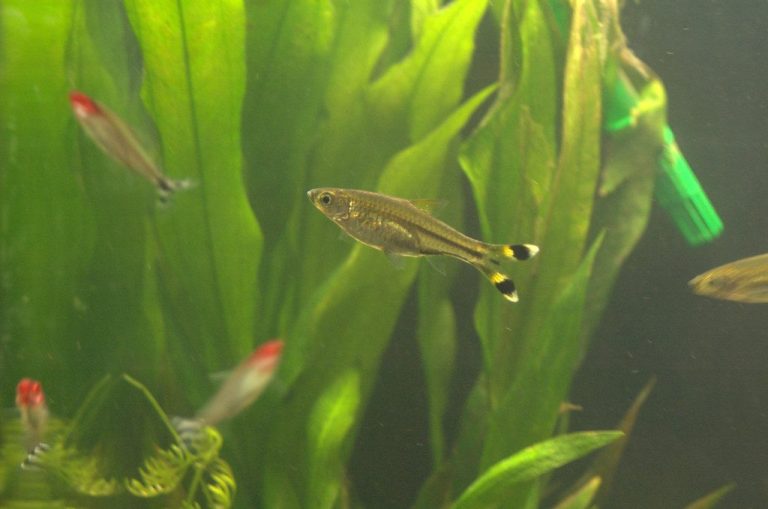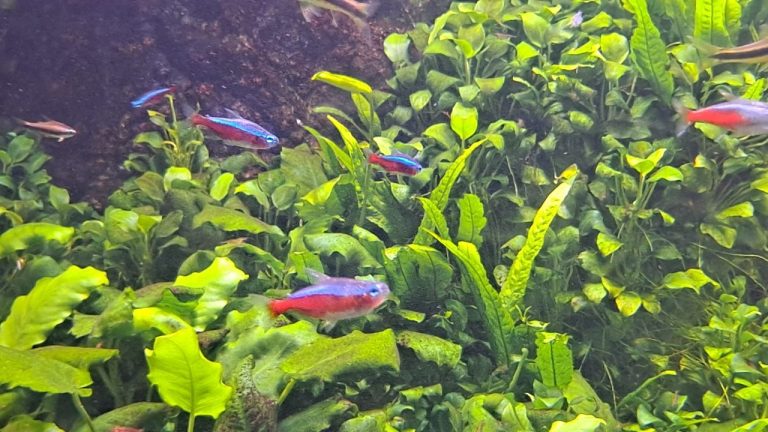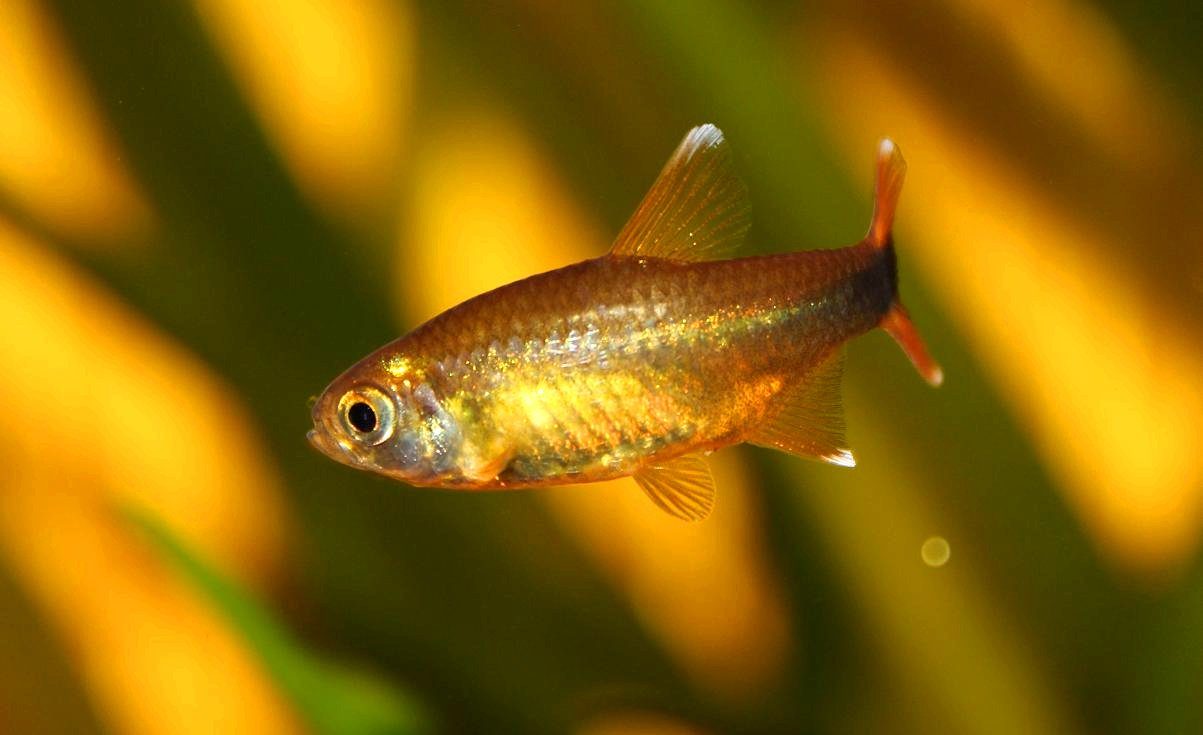
Silvertip Tetra Aggressive Or Peaceful – The Complete Guide
Silvertip tetras are generally peaceful but highly active community fish. They can display semi-aggressive nipping behavior if kept in groups smaller than eight or in cramped quarters. Proper shoaling density is the key to maintaining a peaceful tank.
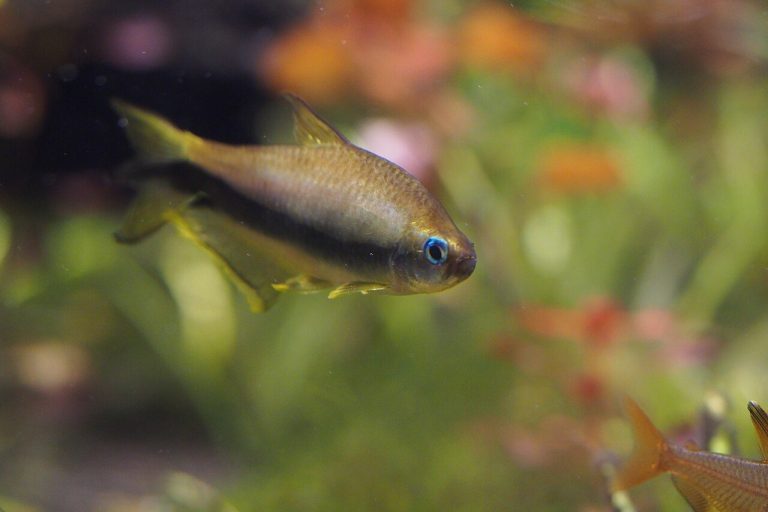
Determining if a silvertip tetra aggressive or peaceful nature will dominate your aquarium depends largely on how you set up their environment. These colorful, copper-colored fish, scientifically known as Hasemania nana, are a staple in the hobby for their hardiness and constant motion.
In my decade of keeping characins, I have found that Silvertips are often misunderstood. While they are labeled as “community fish,” their high energy levels can sometimes be mistaken for outright aggression.
Understanding the nuances of their behavior is essential for any hobbyist looking to add a splash of gold to their tank. This guide will look closely at why these fish act the way they do and how you can make sure they remain peaceful residents in your aquatic home.
Pro Tip: When you first introduce Silvertip tetras, observe them during feeding times. This is when their hierarchy establishment is most visible, and you can identify if one particular individual is being overly dominant.
At a glance: Silvertip tetra (Hasemania nana)
- Temperature
- 72–82°F (22–28°C)
- Water pH
- 6.0–8.0
- Adult size
- 2 in (5 cm)
- Minimum tank
- 20 gal
- Group size
- Groups of 8+
- Temperament
- Active, can nip fins
- Diet
- Omnivore: flakes, small pellets, frozen foods
- Lifespan
- 3–5 years
Keeper’s tip: A busy, fast swimmer that does best with other quick fish rather than slow long-finned species.
silvertip tetra aggressive or peaceful: The Core Temperament
The question of whether a silvertip tetra aggressive or peaceful personality will emerge is usually answered by the size of their shoal. In their natural habitats in Brazil, these fish live in massive groups where individual energy is diffused across the population.
When kept in a home aquarium, they retain this need for social interaction. If the group is too small, they may turn their attention toward other species, leading to what many keepers describe as “nippy” behavior.
Essentially, they are peaceful by nature but possess a “boisterous” energy. They are not predatory, but their constant chasing can stress out slower, long-finned tank mates if the environment isn’t managed correctly.
The Role of Conspecific Aggression
Conspecific aggression refers to the squabbles that happen within the same species. For Silvertip tetras, this is a normal part of their social structure as they work out their internal ranking.
You will often see males sparring with one another, shimmying side-by-side to show off their colors. This behavior is rarely harmful and is actually a sign of a healthy, flourishing group.
Distinguishing Play from Aggression
It is important to distinguish between high-energy play and genuine aggression. Peaceful play involves short bursts of chasing within the shoal, whereas aggression involves persistent bullying of a single fish or fin nipping that results in physical damage.
If you notice your tetras are staying within their own group and ignoring other species, they are behaving perfectly. However, if they begin to harass slower fish, it is time to evaluate your tank dynamics.
Factors That Influence Silvertip Tetra Behavior
Several environmental factors can tip the scales between a calm tank and a chaotic one. As an experienced keeper, I’ve noticed that water volume and “furniture” (plants and wood) play massive roles.
A cramped environment is a primary trigger for stress-induced nipping. When these fish feel they don’t have enough “runway” to burn off energy, they become much more prone to bothering their neighbors.
| Factor | Impact on Behavior |
|---|---|
| Shoal Size | Groups under 6 lead to increased nipping; 10+ promotes peace. |
| Tank Size | Small tanks (under 20 gallons) increase territorial disputes. |
| Decor/Plants | Dense planting breaks line of sight and reduces stress. |
| Feeding Schedule | Underfed fish are significantly more aggressive. |
The Importance of Shoaling Density
Shoaling density is perhaps the most critical factor in managing Hasemania nana. In my experience, a group of 10 to 12 is the “sweet spot” for a 20-gallon long aquarium.
When the shoal is large enough, the dominant males spend all their time interacting with each other. This keeps their focus inward, leaving the rest of your community fish in peace.
Impact of Tank Size and Dimensions
While some guides suggest a 10-gallon tank, I strongly advise against it for this species. Silvertip tetras are incredibly fast swimmers that need horizontal space to do well and remain calm.
A 20-gallon long (30 inches in length) provides the necessary space for them to dash around without bumping into others. This extra room significantly reduces the likelihood of them becoming “tank bullies.”
Creating a Peaceful Environment for Silvertip Tetras
To help your silvertip tetra aggressive or peaceful tendencies lean toward the latter, you must design the tank with their instincts in mind. They appreciate an environment that mimics the blackwater streams of South America.
Using driftwood and dried leaves can release tannic acid into the water. This slightly tints the water and provides a more natural, secure feeling for the fish, which naturally lowers aggression.
Common Mistake: Many beginners keep Silvertip tetras in a “sterile” tank with very few plants. Without hiding spots or visual barriers, the fish feel exposed and are much more likely to act out aggressively.
Using Plants as Visual Barriers
Dense clusters of plants like Vallisneria, Amazon Swords, or even floating plants like Salvinia are excellent. These create “rooms” in the aquarium, allowing subordinate fish to escape the gaze of a dominant male.
When a fish can break the line of sight, the chase usually ends immediately. This is a simple but effective way to maintain order in a busy community tank.
Water Parameters and Stability
Stress from poor water quality is a hidden cause of aggression in many tetra species. While Silvertips are hardy, fluctuations in pH or a spike in ammonia can make them irritable and prone to nipping.
They prefer slightly acidic to neutral water. Monitoring your carbonate hardness (KH) is also helpful to ensure your pH remains stable over time, preventing the stress that leads to behavioral issues.
| Parameter | Ideal Range |
|---|---|
| Temperature | 72°F to 82°F (22°C – 28°C) |
| pH Level | 6.0 to 7.5 |
| Water Hardness | 5 to 15 dGH |
| Ammonia/Nitrite | 0 ppm |
For more detailed help on keeping these fish healthy, you can check out our Silvertip Tetra Care Guide for comprehensive husbandry tips.
Choosing the Right Tank Mates
The compatibility of Silvertip tetras depends on the “vibes” of the other fish. Because they are so active, they make excellent dither fish for larger, semi-aggressive cichlids that might otherwise be shy.
However, they are poor companions for slow-moving fish with trailing fins. Their curious nature and fast swimming can lead to accidental or intentional nipping of delicate fins.
Best Tank Mates for Peace
Look for other active, short-finned species that can hold their own. Other tetras, rasboras, and sturdy bottom dwellers like Corydoras catfish are usually excellent choices.
Fast-moving fish are less likely to be targeted for nipping because they simply don’t present an easy “target.” This creates a balanced energy level throughout the aquarium.
Tank Mates to Avoid
Avoid keeping Silvertips with Angelfish, Fancy Guppies, or Bettas. The long, flowing fins of these species are often too tempting for a bored Silvertip tetra.
I have seen cases where even a well-behaved shoal of Silvertips couldn’t resist the occasional nip at an Angelfish’s feelers. For more specifics on this particular pairing, read about Silvertip Tetra With Betta Fish compatibility.
Identifying and Managing Fin Nipping
If you find that your silvertip tetra aggressive or peaceful balance has shifted toward nipping, you need to act quickly. Fin nipping can lead to secondary infections like fin rot if left unchecked.
First, check your shoal size. If you have fewer than 8 fish, adding 4 more can often solve the problem overnight by redirecting their energy.
Dietary Influences on Aggression
A hungry fish is often an angry fish. Silvertip tetras have high metabolic rates due to their constant movement and need frequent, high-quality feedings.
Providing a variety of foods, including high-protein flakes, frozen daphnia, and brine shrimp, keeps them satisfied. A well-fed shoal is much less likely to go looking for a “snack” in the form of a neighbor’s fin.
Observation and Isolation
If one specific tetra is causing all the trouble despite a large shoal and plenty of food, it may be an outlier. In rare cases, an individual may simply be too aggressive for a community setting.
Temporarily moving the “bully” to a separate tank or a breeder net for a few days can sometimes reset the hierarchy establishment. When reintroduced, the fish often finds a more peaceful place in the pecking order.
Unique Physical Characteristics and Sexual Dimorphism
Interestingly, Hasemania nana is one of the few tetras that lacks an adipose fin. This is the tiny fin located between the dorsal fin and the tail, present in almost all other characins.
This physical trait doesn’t affect their behavior, but it is a interesting point of identification. Knowing the sexual dimorphism of the species also helps in managing aggression, as a male-heavy tank can be more prone to sparring.
Distinguishing Males from Females
Males are typically much more colorful, sporting a deep copper or golden hue. Their “silver tips” on the fins are more pronounced and bright compared to the females.
Females are generally rounder, especially when carrying eggs, and their coloration is a more subdued pale yellow. In a community tank, aiming for a ratio of two females for every male can significantly reduce male-on-male aggression.
Breeding and Its Effect on Temperament
During spawning, Silvertip tetras will become more territorial. The males will vigorously defend a patch of fine-leaved plants where they hope to entice a female.
If you notice an uptick in chasing, it might just be nature taking its course. This temporary surge in energy is normal and usually subsides once the eggs have been scattered.
Common Health Issues Linked to Stress
When the silvertip tetra aggressive or peaceful dynamic is off, stress levels rise for everyone in the tank. Chronic stress weakens the immune system, making your fish susceptible to common ailments.
Keep an eye out for signs of Ich (white spot disease) or velvet, which often appear when fish are being bullied or living in overcrowded conditions. For a deep look at identifying these symptoms, our guide on silvertip tetra health issues is a valuable resource.
FAQ: Silvertip Tetra Behavior
Are silvertip tetras fin nippers?
They can be if they are kept in small groups or feel cramped. In a large shoal (10+) with plenty of space, this behavior is significantly minimized.
Can silvertip tetras live with shrimp?
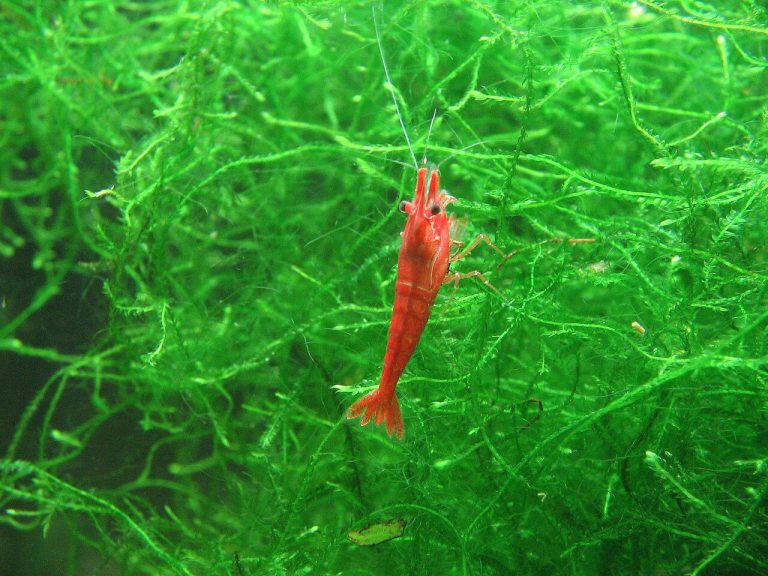
It is risky. While they won’t usually bother adult Amano shrimp, they will almost certainly eat baby Cherry shrimp. They are very active hunters.
Why are my silvertip tetras chasing each other?
This is usually normal shoaling behavior and hierarchy establishment. As long as no fish is being pinned in a corner or losing fins, it is healthy social interaction.
What is the minimum tank size for silvertip tetras?
While they can survive in a 10-gallon, a 20-gallon long is the minimum recommended size to prevent aggressive tendencies and provide swimming space.
Do silvertip tetras need a heater?
Yes, they are tropical fish and require a stable temperature between 72°F and 82°F to remain healthy and stress-free.
Before you go
The silvertip tetra aggressive or peaceful debate usually comes down to the quality of care provided by the aquarist. These fish are not “mean,” but they are high-octane athletes that require a specific environment to flourish.
If you provide a large shoal, a spacious tank, and plenty of visual barriers, you can enjoy the eye-catching golden flash of these fish without the worry of community conflict. They are a rewarding species that adds unparalleled movement and life to any well-planned aquarium.
The key to a successful aquarium is observation. Spend time watching your fish every day, and you will quickly learn the difference between a playful chase and a cry for more space.

- 2003First tank
- 20+Years keeping
- 40+Tanks kept
- 0Sponsored picks
Howard set up his first 10-gallon planted tank in 2003 and lost half of it within six weeks. Two decades and more than forty aquariums later, he writes the guides he wished he had then: clear numbers, the reasons behind them, and what actually goes wrong in home tanks.