Buenos Aires Tetra Disease / Dying / Stress Signs
Identify Buenos Aires Tetra disease / dying / stress signs by watching for clamped fins, white spots, lethargy, or gasping at the surface. Rapidly addressing poor water quality and isolating sick fish can save your school.
Buenos Aires Tetras, known scientifically as Hyphessobrycon anisitsi, are among the hardiest fish in the hobby.
However, even these sturdy swimmers can fall victim to poor environment or pathogens if their needs aren’t met.
In my experience, recognizing the early warnings of Buenos Aires Tetra disease / dying / stress signs is the difference between a stable tank and a total loss.
When I first started keeping these active characins over a decade ago, I assumed their “bulletproof” reputation meant I could slack on maintenance.
I quickly learned that while they are tough, they are not invincible to things like an Ammonia spike or Nitrite toxicity.
In this guide, we will look closely at how to spot trouble before it becomes fatal and how to restore your fish to health.
At a glance: Buenos Aires tetra (Psalidodon anisitsi)
- Temperature
- 64–82°F (18–28°C)
- Water pH
- 5.8–8.5
- Adult size
- 2.75 in (7 cm)
- Minimum tank
- 30 gal
- Group size
- Groups of 6+
- Temperament
- Boisterous, eats soft plants
- Diet
- Omnivore with a plant appetite: flakes, pellets, blanched greens
- Lifespan
- 5 years
Keeper’s tip: They will strip soft-leaved plants, so use tough species like java fern and anubias.
Recognizing Early Buenos Aires Tetra Disease / Dying / Stress Signs
Stress is the silent killer in the aquarium world, acting as the primary gateway for pathogens to take hold.
If your fish are under constant pressure, their immune systems weaken, making them vulnerable to bacteria like Aeromonas or fungi like Saprolegnia.
Early detection starts with observing behavioral changes that deviate from their normally active, schooling nature.
Behavioral Indicators of Stress
A healthy Buenos Aires Tetra is almost always in motion, often engaging in playful chasing within the school.
If you notice a fish hovering near the heater or tucked away in a corner, it is likely experiencing osmotic shock or the onset of illness.
Gasping at the surface is another critical sign, often indicating a drop in dissolved oxygen saturation or gill damage from toxins.
Physical Changes to Watch For
Physical changes are often more obvious than behavioral ones but may indicate a more advanced stage of distress.
Clamped fins, where the fish holds its fins tight against its body, are a universal sign of discomfort in the fish world.
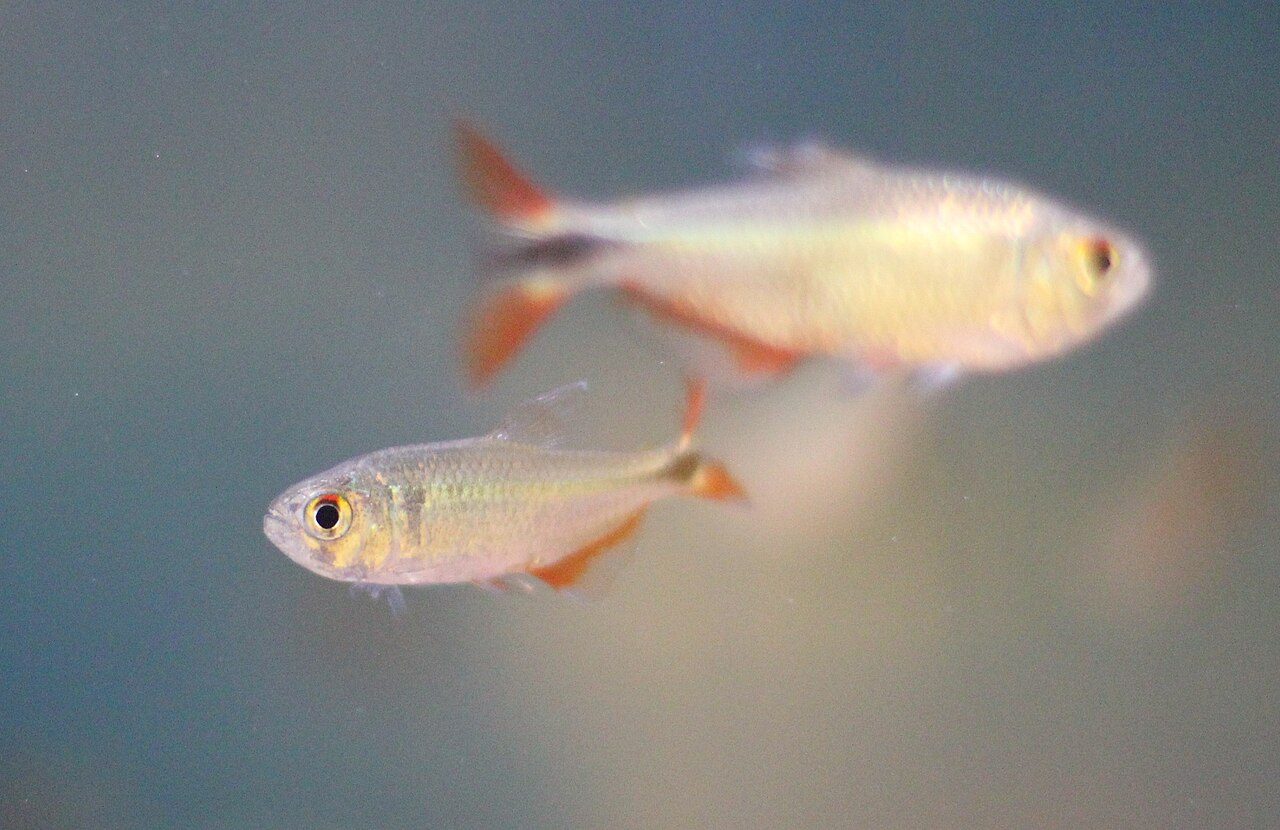
Loss of color is also common; a stressed Buenos Aires Tetra will lose its bright silver sheen and the red in its fins will fade to a dull pink.
Pro Tip: Always observe your fish during feeding time. A fish that refuses its favorite flake food is often a fish that is already in the early stages of a serious health crisis.
Water Quality: The Leading Cause of Dying Tetras
The most frequent reason for Buenos Aires Tetra disease / dying / stress signs is a breakdown in the nitrogen cycle.
Even a slight Ammonia spike can burn the gills of your fish, leading to permanent respiratory damage or immediate death.
Similarly, Nitrite toxicity prevents the fish’s blood from carrying oxygen, effectively causing them to suffocate even in well-aerated water.
| Parameter | Ideal Range | Danger Zone |
|---|---|---|
| Ammonia | 0 ppm | > 0.25 ppm |
| Nitrite | 0 ppm | > 0.25 ppm |
| Nitrate | 5-20 ppm | > 40 ppm |
| Temperature | 70°F – 82°F | Fluctuations > 3°F |
Managing the Nitrogen Cycle
If you find that your parameters are out of whack, immediate action is required to prevent your fish from dying.
I recommend a 50% water change using a high-quality water conditioner to neutralize any remaining toxins.
Regular testing with a liquid test kit is far more accurate than using paper strips, which can often give misleading results.
Oxygenation and Flow
Buenos Aires Tetras come from moving waters where oxygen levels are naturally high.
Low dissolved oxygen saturation can lead to chronic stress, making your fish more susceptible to infections.
Keep your filter provides enough surface agitation, or consider adding an air stone to increase gas exchange.
Common Bacterial Diseases in Buenos Aires Tetras
Bacterial infections are perhaps the most aggressive forms of Buenos Aires Tetra disease / dying / stress signs you will encounter.
These pathogens are often present in every aquarium but only strike when the fish is weakened by environmental factors.
Understanding the difference between these infections is key to choosing the right treatment.
Columnaris (Saddleback Disease)
Columnaris is often mistaken for a fungal infection because it creates white, fuzzy patches on the body.
However, it is a highly contagious bacterial infection that can wipe out a school in days if left untreated.
It often appears as a “saddle” shape across the back of the fish or as “mouth fungus” around the lips.
Aeromonas and Dropsy
Aeromonas bacteria can cause internal infections that lead to a condition known as Dropsy.
This is characterized by extreme bloating and “pineconing,” where the scales of the fish stick out from the body.
Unfortunately, by the time a Buenos Aires Tetra shows signs of pineconing, internal organ failure has usually occurred.
Pro Tip: When treating bacterial issues, I have found that lowering the tank temperature slightly (to around 74°F) can slow down the reproduction rate of the bacteria while you medicate.
Parasitic and Fungal Infections
Parasites are a common headache for any fish keeper, often introduced via new fish or plants.
If you are currently identifying males and females for a breeding project, be extra careful about quarantine.
New additions should always spend at least two weeks in a separate tank to help they aren’t carrying hitchhikers.
Ich (White Spot Disease)
Ichthyophthirius multifiliis, or Ich, is the most famous aquarium parasite.
It looks like the fish has been sprinkled with salt crystals, and affected fish will often “flash” or rub against décor.
Because the parasite has a life cycle that involves a free-swimming stage, the entire tank must be treated, not just the visible spots.
Saprolegnia (True Fungus)
Saprolegnia usually appears as a secondary infection on a site where the fish has been physically injured.
It looks like white or grey cotton-like tufts growing on the skin or fins.
Keeping the water pristine is the best way to prevent this, as fungal spores struggle to take hold in clean, well-maintained environments.
Sometimes, the cause of Buenos Aires Tetra disease / dying / stress signs isn’t a pathogen at all, but the environment itself.
These fish are highly social and require a specific group dynamic to feel secure.
If their social needs aren’t met, the resulting chronic stress can lead to a slow decline and eventual death.
The Importance of Schooling
Buenos Aires Tetras should never be kept in groups of fewer than six; in my experience, ten or more is much better.
In small groups, a dominant individual may bully the others, leading to physical injuries and constant fear.
Stress from isolation is a frequent cause of “unexplained” deaths in community tanks.
Tank Size and Compatibility
While they are smaller than many cichlids, they are much more active than most tetras.
Keeping them in a cramped space can lead to territorial aggression.
If you are comparing them to other species, you might notice that Neon Tetra health issues are often different because Neons are much more sensitive to water chemistry than social crowding.
How to Prevent Buenos Aires Tetra Disease and Stress
Prevention is always easier, cheaper, and more effective than trying to cure a sick fish.
If you set a strict routine and understanding the biological needs of your tetras, you can avoid most common pitfalls.
A healthy tank is a stable tank, and stability is the ultimate goal for any aquarist.
Quarantining New Arrivals
Never release new fish directly into your main display tank.
A simple 10-gallon quarantine tank with a sponge filter can save your entire collection from a disaster.
Observe new fish for at least 14 days to ensure they are eating well and showing no signs of parasites or bacteria.
High-Quality Nutrition
A varied diet boosts the immune system, allowing the fish to fight off minor infections naturally.
Don’t rely solely on dry flakes; incorporate frozen or live foods like brine shrimp or daphnia.
Buenos Aires Tetras also love vegetable matter, so providing some blanched spinach can keep them from nipping at your live plants.
Things people often ask
Why are my Buenos Aires Tetras chasing each other so much?
This is usually normal schooling behavior or “pecking order” establishment. However, if one fish is being targeted constantly and losing scales, you may need to increase the school size to spread out the aggression.
Can Buenos Aires Tetras recover from Dropsy?
It is very rare for a fish to recover once the scales begin to pinecone. At that stage, the kidneys are usually failing, and humane euthanasia is often the kindest option.
How often should I change the water to prevent disease?
In a moderately stocked tank, a 25% weekly water change is the gold standard. This keeps nitrates low and replenishes essential minerals that the fish and plants use up.
What is the best medicine for Ich?
Copper-based treatments or malachite green are very effective. Alternatively, raising the temperature to 86°F (if your fish can handle it) for 10 days can speed up the parasite’s life cycle and kill it off.
Why is my tetra swimming vertically?
This is often a sign of a swim bladder issue or severe nitrate poisoning. Check your water parameters immediately and consider if the fish has been overfed or has consumed too much air during feeding.
The short version
Understanding Buenos Aires Tetra disease / dying / stress signs is an essential skill for any serious hobbyist.
While these fish are incredibly resilient, they rely entirely on us to provide a stable, clean, and social environment.
If you watch their behavior daily, maintaining strict water quality standards, and acting quickly at the first sign of trouble, you can enjoy these silver beauties for many years.
A successful aquarium isn’t one that never has problems, but one where the keeper knows how to solve them.
Keep your water clean, your school large, and your eyes open, and your Buenos Aires Tetras will surely stay healthy.

- 2003First tank
- 20+Years keeping
- 40+Tanks kept
- 0Sponsored picks
Howard set up his first 10-gallon planted tank in 2003 and lost half of it within six weeks. Two decades and more than forty aquariums later, he writes the guides he wished he had then: clear numbers, the reasons behind them, and what actually goes wrong in home tanks.