Buenos Aires Tetra Lifespan – How To Maximize Longevity In Your Home
The average Buenos Aires Tetra lifespan is 5 to 6 years in a well-maintained home aquarium. With ideal diet, stable water parameters, and low stress, some individuals can even reach 8 years of age.
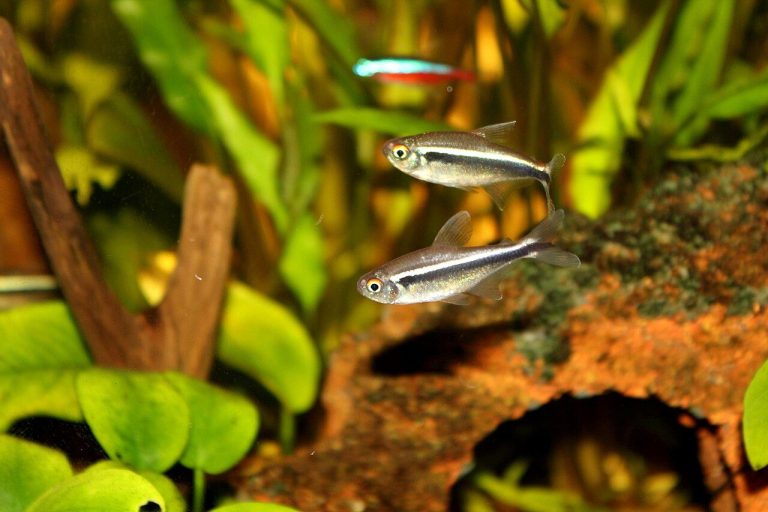
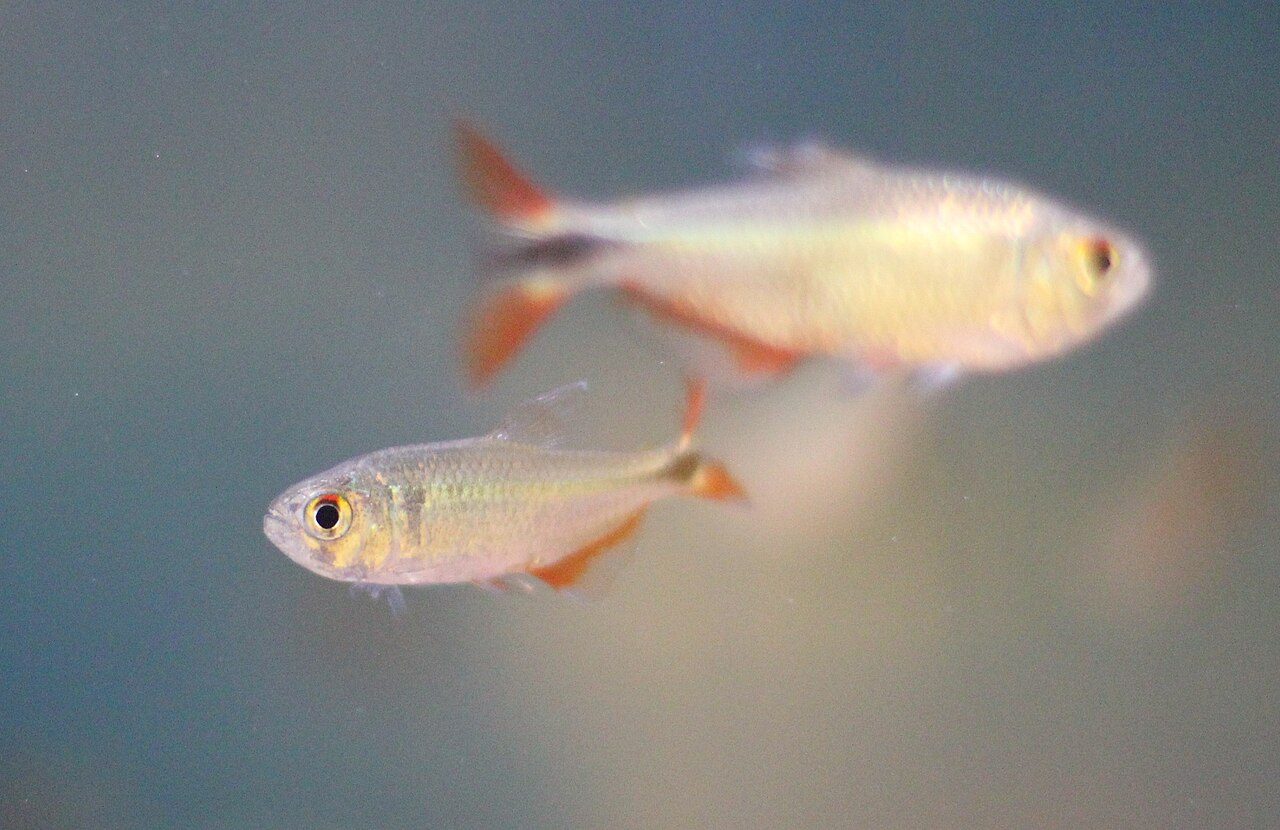
Bringing a school of Hyphessobrycon anisitsi into your home is a satisfying experience for any aquarist. Known for their shimmering silver bodies and colorful red fins, these fish are among the hardiest tetras available today.
In my experience, many beginners choose this species because they are forgiving of minor mistakes. However, if you want to see your fish reach their maximum potential, you must look beyond mere survival.
I have spent over a decade keeping various characins, and I’ve noticed that the Buenos Aires Tetra lifespan is directly tied to the consistency of their environment. Once you understand their biological needs, you can help they remain a centerpiece in your tank for many years.
At a glance: Buenos Aires tetra (Psalidodon anisitsi)
- Temperature
- 64–82°F (18–28°C)
- Water pH
- 5.8–8.5
- Adult size
- 2.75 in (7 cm)
- Minimum tank
- 30 gal
- Group size
- Groups of 6+
- Temperament
- Boisterous, eats soft plants
- Diet
- Omnivore with a plant appetite: flakes, pellets, blanched greens
- Lifespan
- 5 years
Keeper’s tip: They will strip soft-leaved plants, so use tough species like java fern and anubias.
Understanding the Factors Influencing the Buenos Aires Tetra lifespan
The genetic makeup of the Buenos Aires Tetra allows it to be more resilient than many of its cousins. Originating from the Paraná and Uruguay River basins in South America, they have evolved to handle seasonal shifts.
In the wild, their life is often cut short by predation or extreme environmental changes. In the safety of a home aquarium, we can eliminate these threats and extend their life significantly.
Proper care starts with recognizing that these are active, high-energy fish. Their Buenos Aires Tetra lifespan is heavily influenced by how much energy they must expend to stay healthy in their environment.
Pro Tip: When purchasing your fish, look for individuals with deep, vivid red in their fins and a thick “shouldered” appearance. Avoiding thin or lethargic specimens from the start is the first step toward a long-lived school.
Optimizing Water Chemistry to Prevent Osmoregulatory Stress
Maintaining stable water parameters is the cornerstone of fish health. When water chemistry fluctuates, fish experience osmoregulatory stress, which forces their internal organs to work harder to maintain balance.
Over several years, this constant strain can wear down their immune systems. I always recommend keeping a close eye on your carbonate hardness (KH) to ensure your pH remains stable over time.
Nitrogenous waste toxicity is another silent killer that shortens the Buenos Aires Tetra lifespan. Even low levels of ammonia or nitrite can cause permanent gill damage that reduces their ability to take in oxygen.
| Parameter | Ideal Range | Why It Matters |
|---|---|---|
| Temperature | 64°F – 82°F (72°F for longevity) | Regulates thermal metabolic rate. |
| pH Level | 6.0 – 8.5 | Prevents chemical burns and stress. |
| Ammonia / Nitrite | 0 ppm | Eliminates nitrogenous waste toxicity. |
| Nitrate | < 20 ppm | Reduces long-term chronic stress. |
| Carbonate Hardness (KH) | 3 – 10 dKH | Buffers pH to prevent sudden crashes. |
The Importance of Dissolved Oxygen Saturation
Buenos Aires Tetras are incredibly active swimmers that require high levels of dissolved oxygen saturation. If the water is stagnant, they will struggle to breathe, which leads to chronic fatigue.
I’ve noticed that adding a simple air stone or making sure plenty of surface agitation helps them stay energetic. This also helps break up any proteinaceous biofilm that might form on the water’s surface, which can block gas exchange.
How Temperature Affects the Thermal Metabolic Rate
One of the most overlooked aspects of the Buenos Aires Tetra lifespan is the tank temperature. Because fish are ectothermic, their internal chemistry is governed by the water temperature.
A higher temperature increases their thermal metabolic rate, meaning they grow faster, eat more, and unfortunately, age more quickly. Keeping them at the higher end of their range (above 80°F) might make them more active, but it may shorten their life.
If you are keeping them in unheated setups, you might find they live longer than those in tropical community tanks. A steady 72°F to 74°F is often the “sweet spot” for maximizing their years.
Seasonal Fluctuations
In their native habitat, these tetras experience seasonal cooling. Mimicking this by slightly lowering the heater setting in winter months can actually benefit their health.
This rest period allows their bodies to slow down and recover. It is a technique I’ve used for years to keep my tetra schools looking young and rich.
The Role of Nutrition in Long-Term Health
Feeding your fish high-quality food is non-negotiable if you want them to reach the 6-year mark. While they are omnivores and will eat almost anything, a varied diet is essential for their immune system.
I’ve found that they particularly enjoy grazing on plant matter. If you don’t provide greens, they may start nibbling on your delicate aquatic plants, which is a common complaint among aquarists.
To support the Buenos Aires Tetra lifespan, you should offer a mix of high-protein flakes and vegetable-based wafers. This helps make sure they get the vitamins necessary to fight off common infections.
Common Mistake: Many keepers only feed protein-heavy foods like bloodworms. While these are great treats, a lack of dietary fiber can lead to bloating and digestive issues in Buenos Aires Tetras.
Natural Foraging and Biofilm
In a mature aquarium, a light proteinaceous biofilm and algae can actually serve as a supplemental food source. These tetras will spend their day picking at surfaces, which keeps them mentally stimulated.
Mental stimulation is just as important as physical health. An engaged fish is a less stressed fish, and lower stress leads to a much longer life.
Managing Disease: Dealing with Ich and Columnaris
Even in the best tanks, disease can occasionally strike. The two most common issues I see with this species are Ichthyophthirius multifiliis (Ich) and Flavobacterium columnare (Columnaris).
Ich is often triggered by sudden temperature drops or the stress of moving into a new tank. It appears as white salt-like spots and must be treated immediately with copper-based medications or heat therapy.
Columnaris, on the other hand, is a bacterial infection that does well in high-organic-waste environments. It can manifest as “saddleback” lesions or mouth fungus and is much more lethal if not caught early.
Quarantine is Your Best Friend
To protect the Buenos Aires Tetra lifespan of your existing school, always quarantine new arrivals for at least two weeks. This prevents the introduction of parasites that could wipe out your entire population.
I once skipped this step and lost a five-year-old school to a single new fish that brought in a resistant strain of Ich. It was a hard lesson that I hope you never have to learn.
Environmental Enrichment and Shoaling Dynamics
The social structure of your tank plays a massive role in how long your fish live. Buenos Aires Tetras are schooling fish that require a high shoaling density to feel secure.
If kept in groups of fewer than six, they can become neurotic and aggressive. This stress manifests as fin-nipping or hiding, both of which decrease their overall health.
When selecting compatible companions, choose other active fish that won’t be intimidated by their speed. A peaceful but busy environment is ideal for them.
Space to Move
These fish are the “marathon runners” of the tetra world. They need horizontal swimming space more than they need tank depth.
A 29-gallon tank is the absolute minimum I recommend, but a 55-gallon long tank is where they stay healthy. Having the space to sprint helps them maintain muscle tone and cardiovascular health.
You can learn more about their specific environmental needs in this hardy species guide. Providing the right environment from day one is essential.
Questions and answers
How can I tell if my Buenos Aires Tetra is reaching the end of its life?
Older tetras often show signs of fading color, particularly in the red fins. You may also notice a slight curvature in the spine or a decreased interest in competing for food during feeding times.
Do Buenos Aires Tetras live longer in cold water?
Generally, yes. Keeping them at the lower end of their temperature range (around 68°F-72°F) slows their metabolism. This slower “burn” usually translates to a longer overall lifespan compared to keeping them at 80°F.
Can water changes improve the Buenos Aires Tetra lifespan?
Absolutely. Regular water changes remove nitrates and replenishes essential minerals. This prevents nitrogenous waste toxicity from building up and causing chronic health issues.
Why do my tetras look pale?
Paleness is usually a sign of acute stress or poor nutrition. Check your water parameters immediately for ammonia or nitrite spikes, and help you are feeding a variety of high-quality foods.
Are they prone to specific genetic issues?
Because they are widely farm-bred, some lines can be prone to skeletal deformities. Buying from a reputable breeder or local fish store that sources high-quality stock is the best way to ensure a long-lived fish.
Where that leaves you
Maximizing the Buenos Aires Tetra lifespan is a journey that requires consistency, observation, and a bit of science. By managing their thermal metabolic rate and keeping high dissolved oxygen saturation, you are giving them the best chance at a long life.
These fish are more than just “hardy” survivors; they are dynamic creatures that settle in when given the proper care. From controlling nitrogenous waste toxicity to providing a high shoaling density, every small action counts.
I have found that the most successful aquarists are those who treat their tanks as living ecosystems. If you take care of the water, the water will take care of your fish.
Keep your temperatures stable, your water clean, and your tetras well-fed. If you do, you will enjoy the shimmering beauty of these South American gems for many years to come.

- 2003First tank
- 20+Years keeping
- 40+Tanks kept
- 0Sponsored picks
Howard set up his first 10-gallon planted tank in 2003 and lost half of it within six weeks. Two decades and more than forty aquariums later, he writes the guides he wished he had then: clear numbers, the reasons behind them, and what actually goes wrong in home tanks.