Tetra Tetramin Tropical Flakes Fish Food – The Ultimate Guide
Tetra TetraMin Tropical Flakes are a nutritionally balanced, complete diet for all tropical fish, featuring a specialized ProCare formula that supports immune health and clear water while improving natural colors through high-quality proteins and essential vitamins.
Feeding your fish is more than just a daily chore; it is the foundation of their entire well-being. Over my ten years in the hobby, I have seen countless products come and go, but few have the staying power of tetra tetramin tropical flakes fish food.
When I first started keeping aquariums, I was overwhelmed by the rows of colorful canisters at the pet store. I quickly learned that what you put into the water directly affects the health of your fish and the clarity of your tank.
In this guide, we will look closely at why this specific flake food remains a staple for both beginners and seasoned experts. We will look at the nutritional science, feeding strategies, and how to maintain a pristine environment while using it.
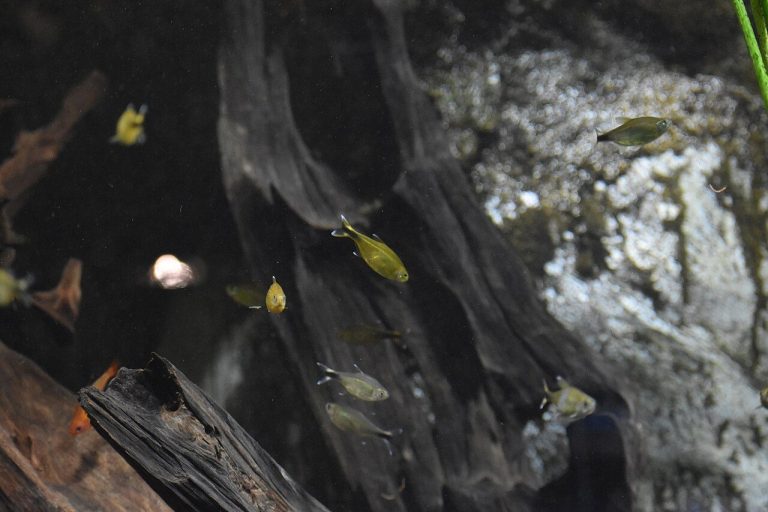
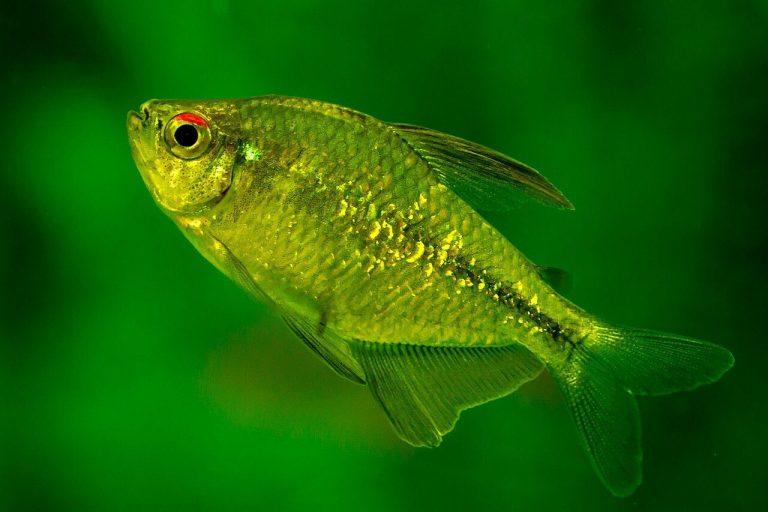
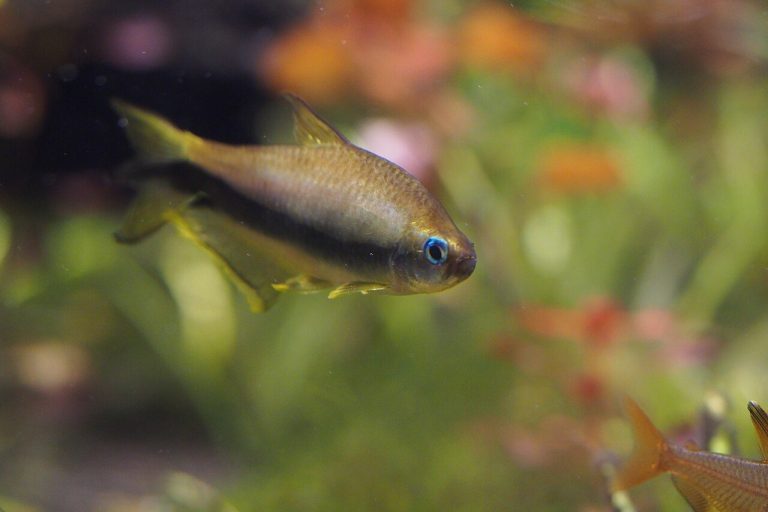
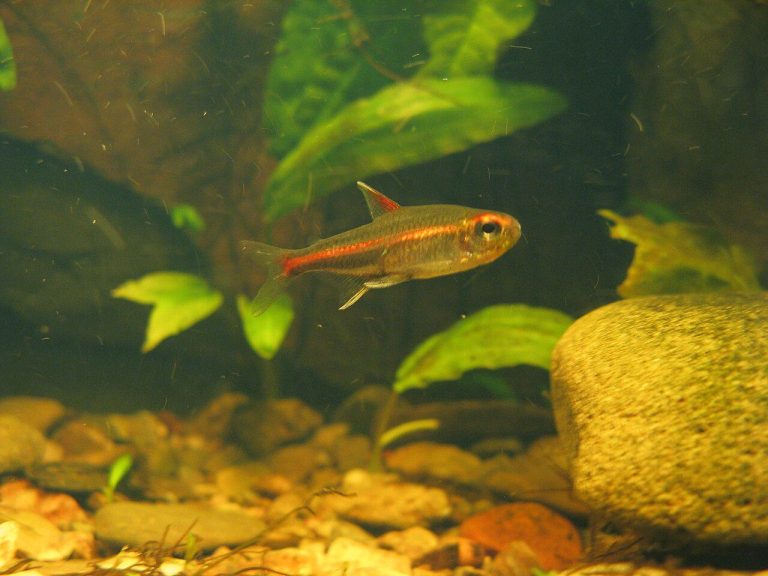
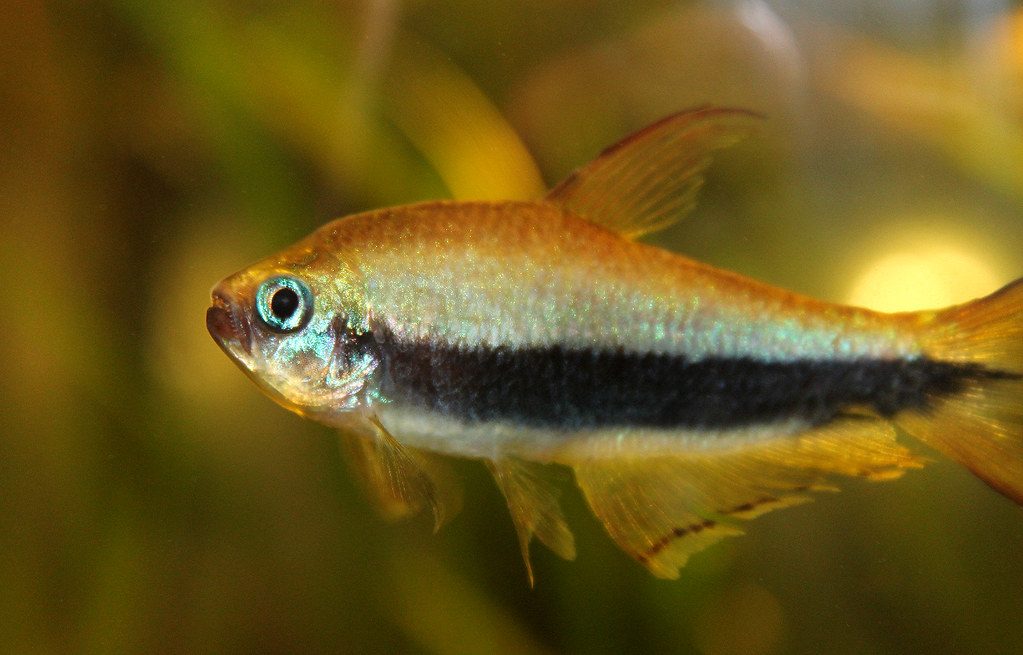
At a glance: Tetras (general) (Family Characidae and relatives)
- Temperature
- 72–80°F (22–27°C) for most species
- Water pH
- 6.0–7.5 for most species
- Adult size
- 1–3 in (2.5–8 cm)
- Minimum tank
- 10–30 gal depending on species
- Group size
- Groups of 6–10+
- Temperament
- Mostly peaceful schooling fish
- Diet
- Omnivores: quality flakes or micro pellets plus frozen foods
- Lifespan
- 3–8 years
Keeper’s tip: Schooling size matters more than tank size for most tetras: small groups hide, nip and stress.
The Science Behind the Success of Tetra TetraMin Tropical Flakes Fish Food
The success of any fish food lies in its ingredient list and how those components interact with a fish’s digestive system. tetra tetramin tropical flakes fish food is engineered with a proprietary “ProCare” blend that focuses on long-term health.
This formula isn’t just about filling bellies; it is about providing the building blocks for growth and disease resistance. I have noticed that fish fed with high-quality flakes tend to have much more energy and better fin development over time.
Essential Vitamins and Minerals
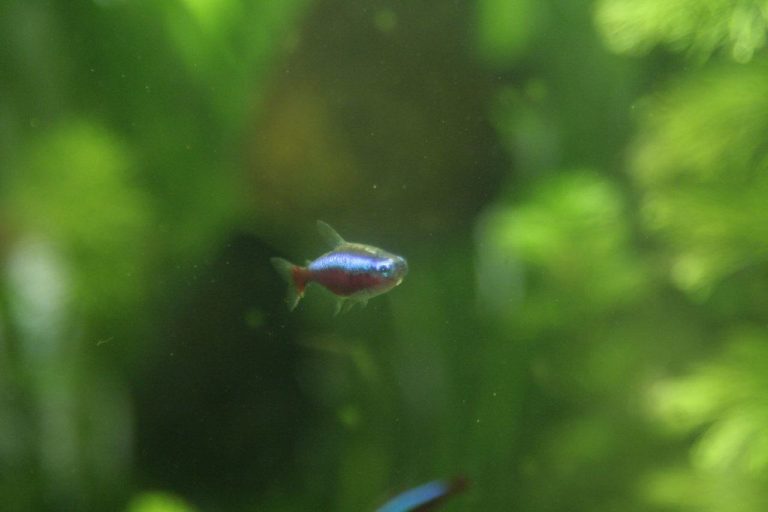
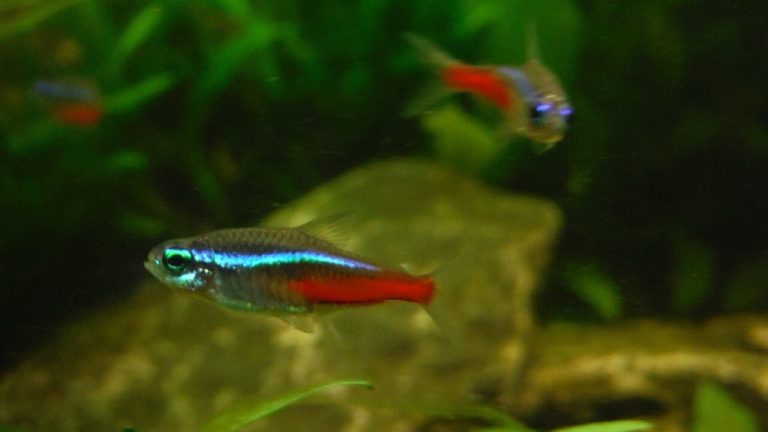
One of the standout features of this food is the inclusion of Biotin and Ascorbic acid (Vitamin C). These are critical for maintaining a strong immune system in species like the Paracheirodon innesi (Neon Tetra).
Vitamin C is particularly important because fish cannot synthesize it on their own. Without it, they become much more susceptible to stress and physical deformities.
Pro Tip: Always check the “Best By” date on your fish food canister. Vitamins like Ascorbic acid can degrade over time once the seal is broken and the food is exposed to oxygen and light.
Omega-3s and Color Enhancement
To achieve those brilliant reds and blues we love in our tanks, fish need specific pigments. This food contains Astaxanthin, a natural carotenoid that helps boost the colorful hues of your aquatic pets.
Furthermore, the inclusion of Omega-3 fatty acids supports heart health and provides the energy needed for active schooling. If you are feeding your schools, you will see a noticeable difference in their shimmer within just a few weeks.
Breaking Down the Ingredient Profile
Understanding what is inside the jar helps you make better decisions for your bio-load. The tetra tetramin tropical flakes fish food formula is designed to be highly digestible, which is a fancy way of saying “less waste.”
When fish can absorb more of what they eat, they produce less solid waste. This is essential for managing Nitrate accumulation in smaller setups where water volume is limited.
| Nutrient | Percentage (Approx.) | Primary Benefit |
|---|---|---|
| Crude Protein | 47.0% | Muscle growth and tissue repair |
| Crude Fat | 10.0% | Energy and metabolic function |
| Crude Fiber | 3.0% | Digestive health |
| Phosphorus | 1.0% | Bone development |
The Role of Prebiotics
In recent years, Tetra has updated their formula to include Prebiotics. These specialized fibers feed the beneficial bacteria in the fish’s gut.
A healthy gut biome means the fish can fight off internal parasites more effectively. I have found that fish on a prebiotic-rich diet show much better resilience during minor temperature fluctuations.
How to Feed Tetra TetraMin Tropical Flakes Fish Food Correctly
Even the best food can cause problems if used incorrectly. The most common mistake I see among new hobbyists is overfeeding, which leads to Phosphorus levels spiking and algae blooms.
You should aim to feed only what your fish can consume within two to three minutes. If you see flakes hitting the substrate and staying there, you have fed too much.
Catering to Surface and Middle-Water Feeders
Most tropical fish, such as Poecilia reticulata (Guppies), are surface or middle-water feeders. The light, airy texture of these flakes allows them to float long enough for everyone to get a bite.
If you have bottom dwellers, you might want to crush some flakes so they sink faster. This ensures that your corydoras or loaches get their share of the nutrients as well.
Pro Tip: To prevent the “gulping” of air at the surface, which can cause bloating, try pinching the flakes underwater. This makes them sink slowly and keeps the fish from sucking in air while they eat.
Feeding Frequency for Different Life Stages
Juvenile fish have much higher metabolic rates than adults. For a tank full of growing fry, I recommend feeding smaller amounts three times a day.
For established adult communities, once or twice a day is perfectly sufficient. Consistent proper tank maintenance will make sure any minor overfeeding doesn’t lead to a spike in ammonia.
Impact on Water Quality and Bio-load
One of the biggest selling points of tetra tetramin tropical flakes fish food is the “Clean & Clear Water” formula. This isn’t just marketing; it refers to the stability of the flake in water.
Cheap foods often disintegrate instantly, creating a “dust” that clogs filter pads. These flakes are designed to stay intact longer, giving the fish more time to find and eat them before they break down.
Managing Nitrate and Phosphorus
Excessive Phosphorus levels in fish food can lead to unsightly green water or hair algae. Tetra has optimized the phosphorus content to be biologically available to the fish while minimizing the amount excreted into the water.
Lower waste production directly translates to a lower Bio-load on your filtration system. This makes it much easier to keep your parameters within the ideal range for sensitive species.
| Water Parameter | Effect of High-Quality Flakes | Effect of Low-Quality Flakes |
|---|---|---|
| Ammonia (NH3) | Minimal increase due to high digestibility | Sharp spikes from uneaten decaying matter |
| Nitrate (NO3) | Slower accumulation over time | Rapid buildup requiring frequent water changes |
| Water Clarity | Remains clear; no “tea” staining | Cloudiness and particulate suspension |
Is This Food Right for Your Specific Fish?
While tetra tetramin tropical flakes fish food is a “community” food, it is important to know if it meets the specific needs of your inhabitants. Most tropical fish are omnivores, meaning they require both plant and animal matter.
This flake provides a balanced mix that satisfies the majority of common aquarium residents. However, some specialized fish might need supplemental feeding.
The Perfect Match for Neon Tetras
If you are following a comprehensive care guide for Neons, you know they flourish on variety. These flakes are the perfect size for their small mouths.
The color-improving properties are especially evident in the neon blue and red stripes of these fish. I have seen dull, stressed Neons transform into radiant gems after a few weeks of consistent feeding with this diet.
Livebearers and Guppies
Guppies and Mollies love to graze throughout the day. Because these flakes can be easily crushed into smaller pieces, they are also excellent for Guppy fry that are just starting to eat solid food.
The inclusion of vegetable matter in the flake helps prevent digestive issues in livebearers, who often require a bit more fiber in their diet.
Common Mistakes to Avoid with Flake Food
Even with a premium product like tetra tetramin tropical flakes fish food, user error can lead to a messy tank. One major mistake is keeping the food in a humid area, such as directly on top of the aquarium light hood.
Heat and moisture will cause the flakes to clump and lose their nutritional value. I always recommend storing your fish food in a cool, dry cabinet away from the tank itself.
Over-reliance on a Single Food Source
While TetraMin is a complete diet, your fish will always benefit from occasional variety. Think of it like a human eating a perfectly balanced protein shake every day—it works, but a little steak or salad once in a while is better.
I like to supplement these flakes with frozen brine shrimp or bloodworms once or twice a week. This provides mental stimulation and a different profile of amino acids.
Improper Handling
Avoid sticking wet fingers into the food jar. Moisture introduced to the canister can cause mold to grow on the flakes, which can be toxic to your fish.
Always use a small spoon or make sure your hands are bone-dry before reaching for a pinch. This simple habit can double the shelf life of your fish food.
FAQ
Can I use this food for saltwater fish?
While saltwater fish might eat it, it is not formulated for their specific nutritional needs. Saltwater species often require higher levels of specific marine proteins and different vitamin ratios.
Will these flakes cloud my water?
No, provided you do not overfeed. The flakes are designed to remain stable in the water column and are highly digestible to minimize waste.
How long does a jar of TetraMin last?
For a standard 20-gallon community tank, a medium-sized jar usually lasts 3 to 4 months. It is best to use it within 6 months of opening to help maximum vitamin potency.
Is it safe for shrimp and snails?
Yes, invertebrates will happily scavenge any flakes that fall to the bottom. The copper levels in the food are negligible and safe for most aquatic shrimp when used as directed.
Final Thoughts on Tetra TetraMin Tropical Flakes
Choosing the right nutrition is the kindest thing you can do for your fish. tetra tetramin tropical flakes fish food has earned its reputation through decades of research and proven results in millions of home aquariums.
If you provide essential nutrients like Biotin and Omega-3 fatty acids, this food helps make sure your fish aren’t just surviving, but well-kept. You will see the results in their active behavior, bright colors, and long lifespans.
Remember to monitor your Bio-load and adjust your feeding amounts as your fish grow. With a consistent feeding schedule and high-quality flakes, you are well on your way to maintaining a successful and beautiful aquarium.

- 2003First tank
- 20+Years keeping
- 40+Tanks kept
- 0Sponsored picks
Howard set up his first 10-gallon planted tank in 2003 and lost half of it within six weeks. Two decades and more than forty aquariums later, he writes the guides he wished he had then: clear numbers, the reasons behind them, and what actually goes wrong in home tanks.