Best Food For Neon Tetras – What and How Often to Feed
The best food for neon tetras is a varied diet of high-quality micropellets, crushed flakes, and live or frozen foods like brine shrimp and daphnia to provide essential proteins and color-boosting carotenoids.
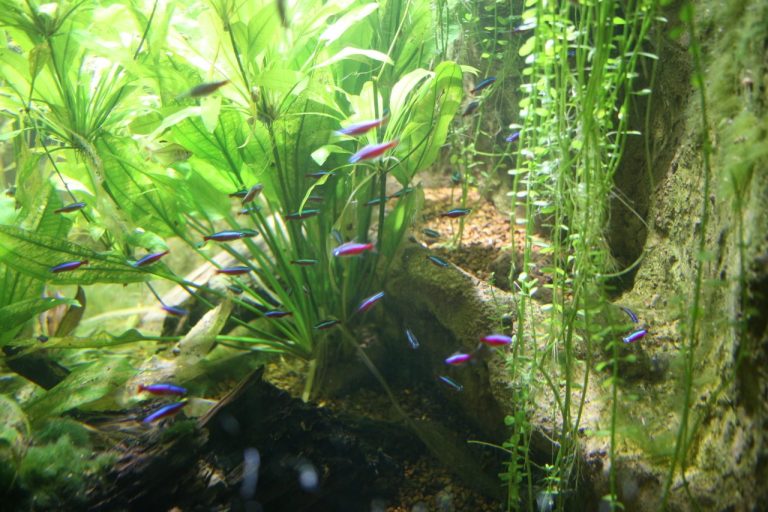
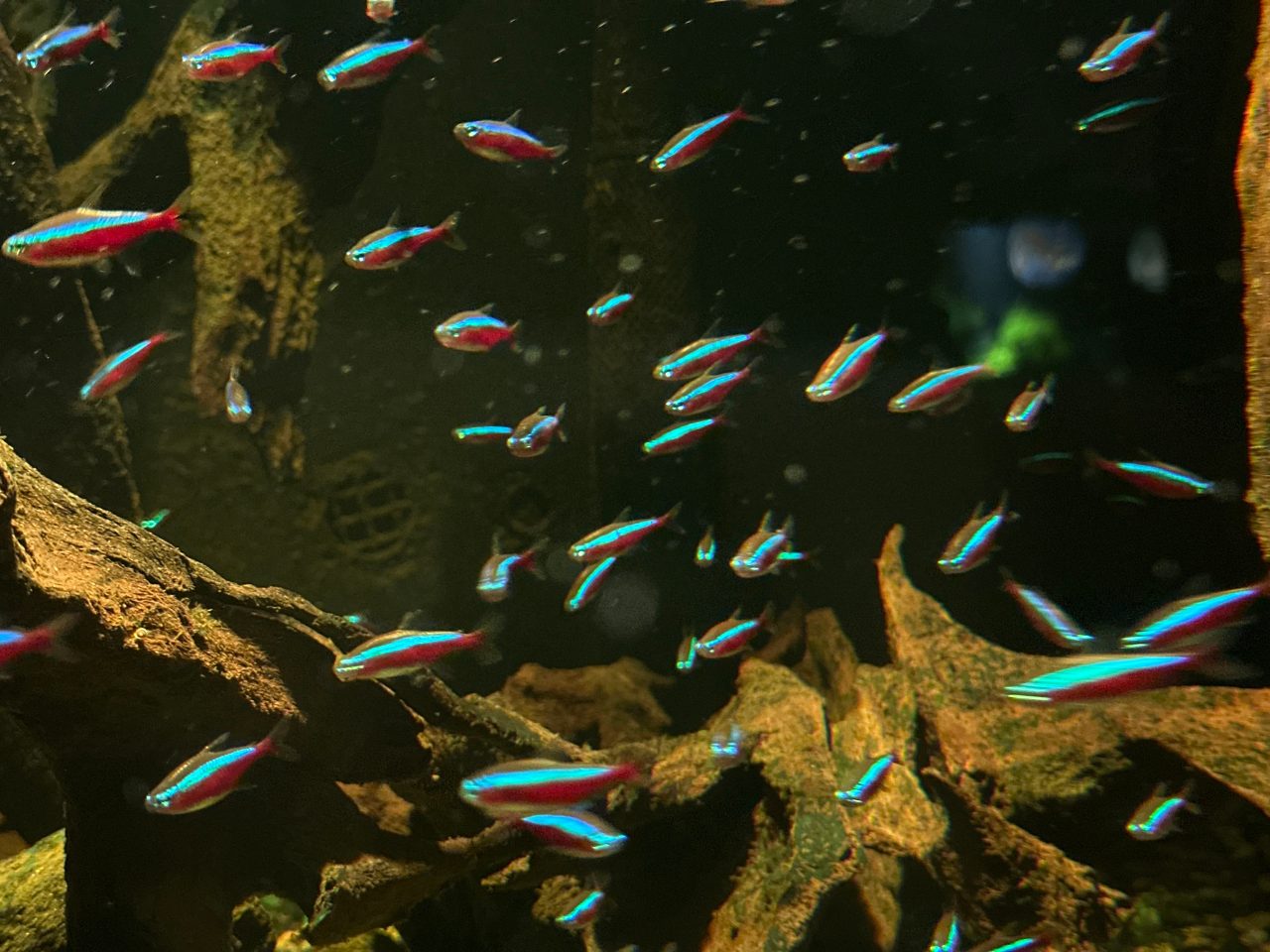
Watching a shimmering school of neon tetras glide through a lushly planted tank is one of the greatest joys in the aquarium hobby.
In my 10 years of keeping these jewels, I have learned that their brilliant glow is directly tied to what they eat.
Providing the best food for neon tetras is not just about keeping them full; it is about replicating the complex nutrition they find in their native Amazonian waters.
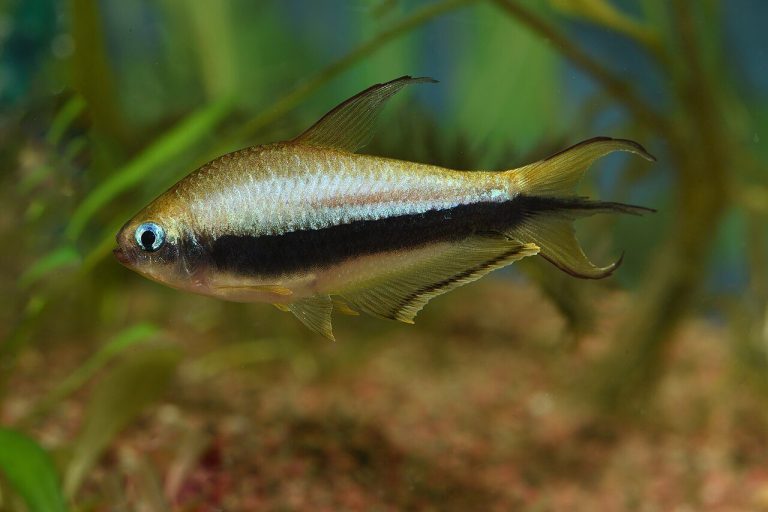
These tiny members of the Characidae family, scientifically known as Paracheirodon innesi, are omnivores with specific requirements.
In this guide, I will share the exact feeding strategies I use to keep my schools healthy, active, and incredibly colorful.
At a glance: Neon tetra (Paracheirodon innesi)
- Temperature
- 72–78°F (22–26°C)
- Water pH
- 6.0–7.0
- Adult size
- 1.5 in (4 cm)
- Minimum tank
- 10 gal (20 gal for a proper school)
- Group size
- Groups of 8+
- Temperament
- Peaceful
- Diet
- Omnivore: micro pellets, flakes, frozen daphnia
- Lifespan
- 5–8 years
Keeper’s tip: Add neons only to a fully cycled, stable tank; they are among the first fish to suffer from ammonia swings.
What Makes the Best Food for Neon Tetras?
The foundation of a healthy neon tetra diet is variety and size.
Because they have very small mouths and narrow throats, they cannot consume large pellets or thick flakes designed for bigger community fish.
In the wild, these fish are opportunistic feeders that consume tiny insects, larvae, and various forms of zooplankton like Cyclopoida.
To settle in in captivity, they need a balance of high-quality proteins, healthy fats, and vitamins that support their immune systems.
Pro Tip: Always observe your neons during feeding time to help the food particles are small enough for them to swallow easily. If you see them spit out a flake multiple times, it is likely too large or too hard for their delicate mouths.
The Importance of Small Particle Size
In my experience, micropellets are often superior to standard flakes because they are designed to stay suspended in the water column.
Neon tetras are mid-water feeders, meaning they prefer to catch their food as it slowly sinks rather than picking it off the surface or the substrate.
If you use flakes, I recommend gently crushing them between your fingers before adding them to the tank to create bite-sized pieces.
Nutritional Balance for Paracheirodon innesi
A high-quality diet must include a mix of animal and plant matter.
Look for foods where the first few ingredients are whole proteins like fish meal, shrimp meal, or squid meal.
Avoid products that rely heavily on “fillers” like corn, wheat gluten, or soy, as these can lead to digestive issues and excess waste in your aquarium.
High-Quality Dry Foods: The Foundation of Health
For most hobbyists, high-quality dry food will make up about 70-80% of the daily intake.
When selecting the best food for neon tetras in the dry category, I look for products specifically formulated for “small tropical fish” or “nano fish.”
These products are usually enriched with vitamins that help prevent common illnesses and support long-term growth.
| Food Type | Pros | Cons |
|---|---|---|
| Micropellets | Uniform size, slow-sinking, nutrient-dense. | Can sink too fast if not sized correctly. |
| Crushed Flakes | Easy to find, inexpensive, floats longer. | Lose nutritional value quickly once opened. |
| Freeze-Dried | High protein, safe from parasites. | Can cause bloating if not soaked first. |
Choosing the Right Pellet
I have found that semi-floating micropellets are the most effective for a rich neon tetra aquarium because they stay in the “feeding zone” longer.
If the pellets sink too quickly, the neons may ignore them once they hit the gravel, which can lead to ammonia spikes from decaying food.
Try to find pellets that contain Spirulina platensis, as this algae provides essential minerals and boosts the fish’s natural immunity.
The Role of Flake Food
Flakes are a staple for a reason: they are highly palatable and most fish accept them immediately.
However, flakes oxidize quickly when exposed to air, losing their vitamin potency within a few months of opening the jar.
I always buy smaller containers of flakes and replace them every three months to ensure my fish are getting the maximum nutritional benefit.
Live and Frozen Foods: Bringing Out the Best Colors
If you want your neons to “pop” against a dark background, you must include live or frozen treats.
In my early years of fish keeping, I noticed a massive difference in color intensity when I started feeding live Artemia salina (brine shrimp).
These tiny crustaceans are packed with protein and enzymes that stimulate the fish’s natural hunting instincts.
The Power of Brine Shrimp and Daphnia
Frozen baby brine shrimp is perhaps the most convenient way to provide high-quality protein to your school.
Another excellent option is Daphnia pulex, often called “water fleas,” which act as a natural laxative and keep the fish’s digestive tract healthy.
I try to offer these foods at least two to three times a week as a supplement to their dry diet.
Using Cyclops and Micro-Worms
Small organisms like Cyclopoida or vinegar eels are perfect for smaller or younger neon tetras.
When you are learning how to breed tetra fish, these tiny live foods are essential for conditioning the parents and feeding the fry.
Even in a standard community tank, the addition of live food encourages social behavior and keeps the school active.
Color Enhancement Through Specialized Nutrition
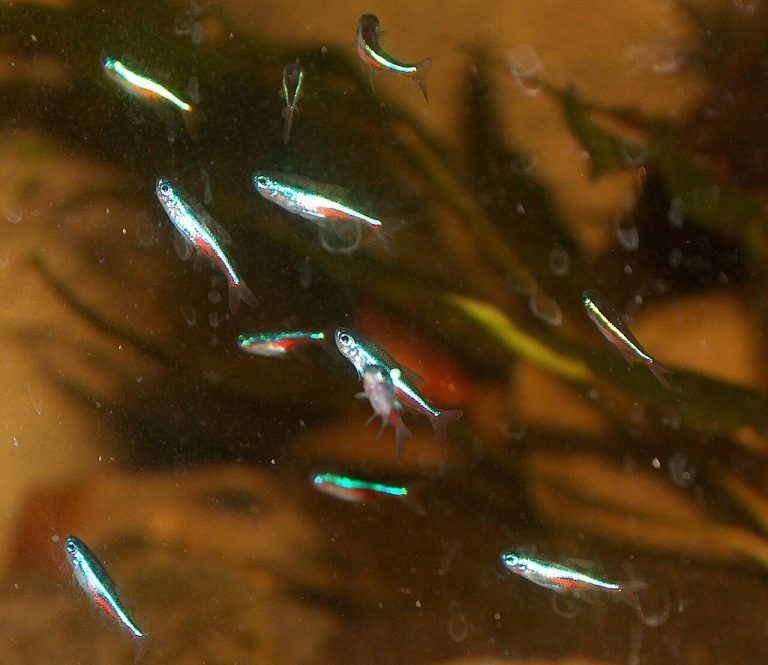
The iconic red stripe and blue neon line are what make these fish so famous.
These colors are not just genetic; they are influenced by pigments called carotenoids found in their food.
The best food for neon tetras will often contain natural color enhancers to maintain these vivid hues.
Astaxanthin and Natural Pigments
Many premium fish foods now include Astaxanthin, a powerful antioxidant and red pigment sourced from algae or crustaceans.
When neon tetras consume food rich in these pigments, the red stripe along their tail becomes much deeper and more defined.
I have found that after just two weeks of feeding a pigment-enriched diet, the visual difference in the school is remarkable.
The Impact of Water Chemistry on Color
While food is the primary driver of color, water quality plays a supporting role.
Neon tetras do well in slightly acidic water rich in humic acid and tannins, which mimic their natural blackwater habitats.
When the water parameters are stable and the diet is rich in Spirulina platensis and high-quality proteins, the fish feel secure and display their best colors.
Feeding Strategies for a Healthy School
How you feed is just as important as what you feed.
Overfeeding is the most common cause of health issues in small tetras, leading to fatty liver disease and poor water quality.
I always follow a “less is more” approach, feeding small amounts that the fish can completely consume within two minutes.
Pro Tip: Use a feeding ring or turn off your filter for five minutes during feeding. This prevents the food from being sucked into the intake or blown into the corners of the tank where the tetras cannot find it.
Frequency and Timing
I prefer to feed my neon tetras twice a day—once in the morning and once in the evening.
This mimics their natural feeding patterns where they hunt for insects during the dawn and dusk hours.
If you are keeping them in a tetra community tank, make sure faster-swimming fish are not stealing all the food before the neons can get their share.
Managing the “Feeding Frenzy”
Neon tetras are surprisingly competitive when it comes to food.
By spreading the food across the surface of the water, you help that even the shyest members of the school get a chance to eat.
I often use a pipette to target-feed frozen foods directly into the middle of the school, making sure every fish gets a high-protein meal.
Common Mistakes to Avoid When Feeding
Even with the best intentions, it is easy to make mistakes that can harm your fish.
One common error I see is feeding large “bloodworms” to neon tetras.
While they love the taste, full-sized bloodworms are often too large for them to swallow comfortably, which can lead to choking or internal blockages.
The Danger of Expired Food
Many hobbyists keep a large tub of fish food for years, not realizing that the vitamins (especially Vitamin C) degrade rapidly.
Feeding expired food can lead to “Hole in the Head” disease or general wasting away because the fish are essentially eating empty calories.
I recommend buying food in small quantities that you can use up within 3 to 4 months.
Avoid Over-Reliance on a Single Food
Feeding only one type of flake day after day is like a human eating only bread.
A lack of dietary variety can lead to nutritional deficiencies that weaken the immune system.
I always rotate through at least three different types of food throughout the week to provide a full spectrum of amino acids and minerals.
Frequently asked questions
How often should I feed neon tetras?
In my experience, feeding twice a day is ideal. Provide only what they can consume in 2 minutes to maintain water quality and prevent obesity.
Can neon tetras eat Betta food?
Yes, they can, as Betta pellets are high in protein. However, you must crush the pellets into smaller pieces, as standard Betta pellets are usually too large for a neon tetra’s mouth.
Why are my neon tetras not eating?
This is usually a sign of stress, poor water quality, or illness. Check your ammonia and nitrite levels immediately. If the water is fine, try offering live brine shrimp to stimulate their appetite.
What is the best frozen food for them?
Frozen baby brine shrimp and cyclops are the best choices. They are small enough for their mouths and provide excellent nutrition that dry foods sometimes lack.
Do neon tetras need vegetables?
While they are primarily insectivores, they do benefit from some plant matter. Foods containing Spirulina provide necessary fiber to keep their digestive systems moving.
My final take
Finding the best food for neon tetras is a journey of observation and balance.
If you combine high-quality micropellets with the occasional treat of live Artemia salina or Daphnia, you provide a diet that supports health, growth, and that famous neon glow.
Their small size requires small food, and their high metabolism benefits from frequent, small feedings.
When you invest in their nutrition, your neon tetras will reward you with years of active behavior and beautiful beauty in your aquarium.
Keep experimenting with variety, stay consistent with your water changes, and enjoy the vivid life of your school!

- 2003First tank
- 20+Years keeping
- 40+Tanks kept
- 0Sponsored picks
Howard set up his first 10-gallon planted tank in 2003 and lost half of it within six weeks. Two decades and more than forty aquariums later, he writes the guides he wished he had then: clear numbers, the reasons behind them, and what actually goes wrong in home tanks.