Neon Fish Water Temperature – The Expert Guide To A Healthy Aquarium
The ideal neon fish water temperature is between 70°F and 81°F (21°C to 27°C). Maintaining a consistent 75°F (24°C) is generally considered the “sweet spot” for promoting health, color, and longevity in your school.
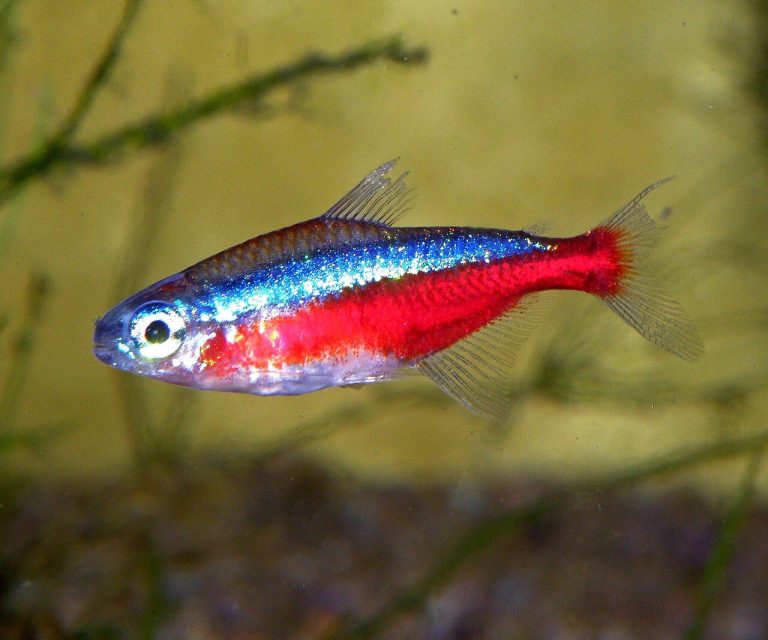
Keeping neon tetras, scientifically known as Paracheirodon innesi, is one of the most satisfying experiences in the aquarium hobby. These shimmering blue and red gems can transform a simple tank into a colorful underwater landscape.
In my experience over the last decade, the single most common reason beginners struggle with these fish is failing to stabilize the neon fish water temperature. While they are relatively hardy, their tiny bodies react quickly to even minor shifts in their environment.
In this guide, I will share everything I have learned about managing heat, choosing the right equipment, and protecting your fish from the dangers of temperature fluctuations. Let’s go through the specifics of creating a stable home for your vivid school.
At a glance: Neon tetra (Paracheirodon innesi)
- Temperature
- 72–78°F (22–26°C)
- Water pH
- 6.0–7.0
- Adult size
- 1.5 in (4 cm)
- Minimum tank
- 10 gal (20 gal for a proper school)
- Group size
- Groups of 8+
- Temperament
- Peaceful
- Diet
- Omnivore: micro pellets, flakes, frozen daphnia
- Lifespan
- 5–8 years
Keeper’s tip: Add neons only to a fully cycled, stable tank; they are among the first fish to suffer from ammonia swings.
Understanding Neon Fish Water Temperature and Its Biological Impact
Fish are ectothermic organisms, meaning they cannot produce their own body heat. This concept, known as ectothermic regulation, means that the water surrounding your fish dictates their internal body temperature.
When the neon fish water temperature rises, their metabolic rate increases significantly. They will swim faster, eat more, and produce more waste, which can lead to a shorter lifespan if the heat is consistently too high.
Conversely, if the water is too cold, their systems slow down to a crawl. Their immune systems become suppressed, making them easy targets for opportunistic pathogens and parasites.
Temperature and Metabolic Balance
Finding the right balance is essential for the long-term health of your aquarium. A stable temperature helps make sure that their digestion remains efficient and their energy levels stay consistent.
In the wild, these fish are often found in a blackwater environment where the water is stained with tannins and remains relatively stable. Replicating this stability is the key to preventing stress-related illnesses.
| Temperature Range | Metabolic Effect | Risk Level |
|---|---|---|
| Below 68°F (20°C) | Lethargy, Immune Suppression | High (Disease Risk) |
| 70°F – 78°F (21°C – 25°C) | Right Health and Growth | Low (Ideal) |
| Above 82°F (28°C) | Rapid Metabolism, Low Oxygen | Moderate (Stress Risk) |
The Ideal Neon Fish Water Temperature Range
While the broad range for these fish is 70°F to 81°F, I have noticed that they do well most when kept in the middle. Aiming for 74°F to 76°F provides a safety buffer in both directions.
If you are keeping them in a community tank, you must ensure the other inhabitants are also comfortable at this level. You can find more details on coordinating these needs in our guide to perfect water conditions.
I’ve noticed that at 75°F, their colors appear more saturated and they show more natural schooling behavior. High temperatures can cause them to scatter or hide, as they feel the stress of a racing heart.
Pro Tip: If you are planning to breed your fish, slightly raising the temperature to 77°F or 78°F can act as a trigger. However, for daily maintenance, keeping it lower will actually extend the lifespan of your school.
Why Consistency Matters More Than the Exact Number
A common mistake I see is hobbyists constantly fiddling with their heater settings. Stability is far more important than hitting a specific decimal point on your thermometer.
Frequent swings in neon fish water temperature cause chronic stress. This stress weakens the fish’s slime coat, leaving them vulnerable to Ichthyophthirius multifiliis, more commonly known as Ich or White Spot Disease.
Most heaters have a slight thermostat hysteresis, meaning they turn on and off within a small range. As long as this range is narrow (within 1-2 degrees), your fish will adapt perfectly well.
Managing Temperature Fluctuations and Thermal Shock
Thermal shock is a critical condition that occurs when a fish is moved too quickly between different temperatures. This often happens during water changes or when bringing new fish home from the store.
I always recommend the “drip acclimation” method or at least floating the bag for 20-30 minutes. This allows the water inside the bag to slowly match the tank’s environment before the fish are released.
When performing water changes, use a thermometer to check the new water. Even a five-degree difference can be enough to send a small neon into shock if the volume of the change is large.
Temperature and Dissolved Oxygen Saturation
One often overlooked aspect of neon fish water temperature is how it affects air in the water. Warmer water holds significantly less oxygen than cooler water.
This dissolved oxygen saturation drop can lead to fish gasping at the surface. If you must keep your tank on the warmer side (above 80°F), make sure you have plenty of surface agitation from a filter or air stone.
I’ve found that using a high-quality sponge filter or a spray bar helps maintain oxygen levels during the summer months. This keeps the water oxygenated even when the room temperature starts to climb.
Equipment for Maintaining Precise Neon Fish Water Temperature
To keep your aquarium stable, you need reliable tools. A high-quality submersible heater is the most important investment you will make for your neon tetras.
I always suggest buying a heater with an external controller if your budget allows. This prevents the “stuck on” scenario where a failing heater cooks the fish, a tragedy I unfortunately experienced early in my hobby.
You should also be aware of thermal stratification. This is where the water at the top of the tank is warmer than the water at the bottom, which can happen in tall tanks with low flow.
| Equipment Type | Purpose | Expert Recommendation |
|---|---|---|
| Submersible Heater | Maintaining heat levels | Use 3-5 watts per gallon |
| Digital Thermometer | Accurate monitoring | Place opposite the heater |
| Aquarium Chiller/Fan | Cooling during summer | Evaporative cooling works well |
The Importance of Thermometer Placement
Never rely on the dial on your heater for an accurate reading. These dials are notoriously inaccurate and should only be used as a rough guide.
Always place your thermometer on the opposite side of the tank from the heater. This ensures that the entire water column has reached the desired temperature, rather than just the area directly surrounding the heating element.
I personally prefer digital thermometers with a probe. They are much easier to read at a glance and tend to be more precise than the old-fashioned glass or “sticker” varieties.
Seasonal Changes and Environmental Considerations
Depending on where you live, the seasons can play a massive role in your neon fish water temperature. During the winter, your heater will work overtime, while in the summer, you may struggle to keep the tank cool enough.
If your home lacks air conditioning, a heatwave can push tank temperatures above 85°F. In these cases, I use a small clip-on fan directed at the water surface to encourage evaporation, which can drop the temperature by 2-4 degrees.
It is also vital to keep your aquarium away from direct sunlight. Windows can create a “greenhouse effect,” causing the temperature to spike rapidly during the afternoon and crash once the sun goes down.
Pro Tip: During a power outage in winter, wrap your aquarium in thick blankets or aluminum foil to retain heat. This simple step can buy your fish several hours of safety until the power returns.
How Lighting Affects Your Tank
Modern LED lighting produces very little heat, but older T5 or metal halide bulbs can significantly raise the water temperature. If you are using high-output lighting for plants, monitor your thermometer closely after the lights have been on for several hours.
I’ve seen tanks rise by 3 degrees just from the heat of the light fixture. If this happens, you may need to raise the light higher above the tank or increase the surface agitation to dissipate the extra energy.
Understanding these interactions is a core part of mastering water parameter management. Every piece of equipment in your tank affects the thermal equilibrium.
Common Mistakes to Avoid with Neon Fish Water Temperature
One of the biggest errors I see is using a heater that is too small for the tank. If the heater is undersized, it will run constantly, shortening its life and failing to maintain warmth during a cold snap.
Another mistake is placing the aquarium directly in the path of an air conditioning vent. The cold air blowing on the glass can create “cold spots” in the water, causing your fish to huddle near the heater and experience unnecessary stress.
Finally, always remember to unplug your heater during water changes. If the water level drops and exposes the heating element to the air, it can shatter or overheat, posing a fire risk and a danger to your fish when you refill the tank.
Frequently asked questions
Can neon tetras live at room temperature?
In most homes, room temperature is too inconsistent for neon tetras. While they might survive at 70°F, the fluctuations between day and night in an unheated tank will eventually lead to disease and a shortened lifespan.
What is the absolute maximum temperature for neons?
They can briefly tolerate temperatures up to 82°F or 83°F, but I do not recommend this for long periods. High heat reduces oxygen and accelerates their aging process significantly.
How do I lower the temperature safely?
The safest way to lower the neon fish water temperature is through evaporative cooling using a fan. Never drop ice cubes directly into the tank, as this causes localized “thermal shock” zones that can kill small fish.
Does temperature affect their breeding?
Yes, a slight increase in temperature often mimics the arrival of the warmer season in the wild, which can stimulate spawning behavior. However, they require very specific soft water conditions for the eggs to actually hatch.
My final take
Mastering the neon fish water temperature is the foundation of a successful aquarium. If you provide a stable, warm environment, you allow these beautiful fish to show off their best colors and energetic personalities.
Consistency is your best friend. Invest in a high-quality heater, monitor the temperature with a reliable thermometer, and avoid placing your tank in areas prone to drafts or sunlight.
If you keep your water within that 74°F to 76°F range, your neon tetras will reward you with years of beauty., and may your school always be colorful and healthy.

- 2003First tank
- 20+Years keeping
- 40+Tanks kept
- 0Sponsored picks
Howard set up his first 10-gallon planted tank in 2003 and lost half of it within six weeks. Two decades and more than forty aquariums later, he writes the guides he wished he had then: clear numbers, the reasons behind them, and what actually goes wrong in home tanks.