Buenos Aires Tetra Breeding – Step-by-Step Guide
Buenos Aires Tetra breeding is achieved by conditioning a pair with high-quality foods and placing them in a dedicated tank with soft water and mesh grates to protect the scattered eggs from being eaten.
In my decade of experience keeping characins, few species offer the same level of reward and activity as the Hyphessobrycon anisitsi. While many hobbyists appreciate them for their hardiness in community tanks, witnessing the full life cycle of these fish is a enlightening experience.
Successfully working through Buenos Aires Tetra breeding requires a blend of patience, preparation, and an understanding of their natural instincts. These fish are prolific spawners, but they are also notorious for consuming their own eggs if the right precautions aren’t taken.
When I first started breeding tetras, I realized that the secret isn’t just in the water parameters, but in the conditioning of the parents. In this guide, I will walk you through every step of the process, from identifying the right pair to raising a healthy school of fry.
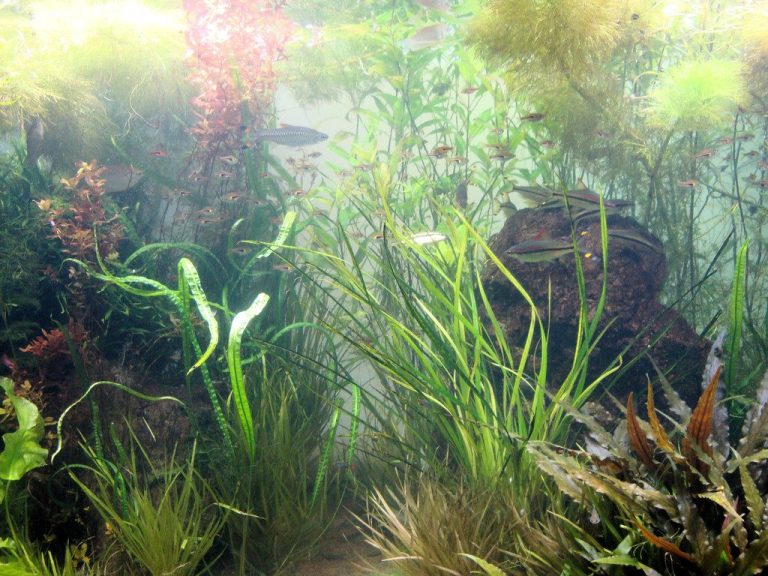
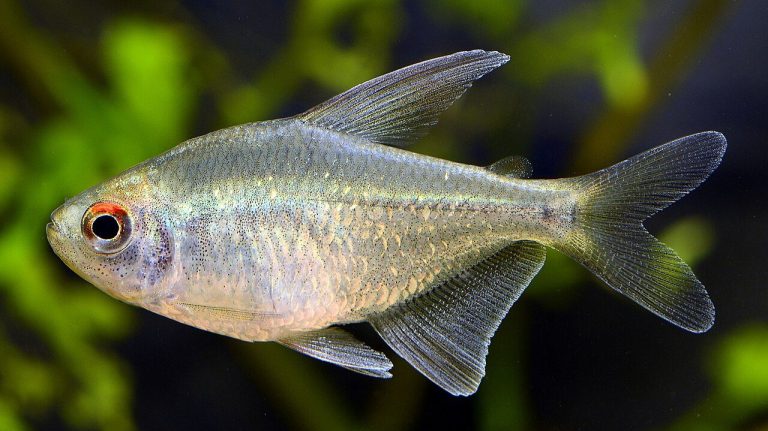
At a glance: Buenos Aires tetra (Psalidodon anisitsi)
- Temperature
- 64–82°F (18–28°C)
- Water pH
- 5.8–8.5
- Adult size
- 2.75 in (7 cm)
- Minimum tank
- 30 gal
- Group size
- Groups of 6+
- Temperament
- Boisterous, eats soft plants
- Diet
- Omnivore with a plant appetite: flakes, pellets, blanched greens
- Lifespan
- 5 years
Keeper’s tip: They will strip soft-leaved plants, so use tough species like java fern and anubias.
Understanding Sexual Dimorphism in Hyphessobrycon anisitsi
Before you can begin the breeding process, you must be able to distinguish between the males and the females. This is known as sexual dimorphism, and in this species, the differences are subtle but distinct once the fish reach maturity.
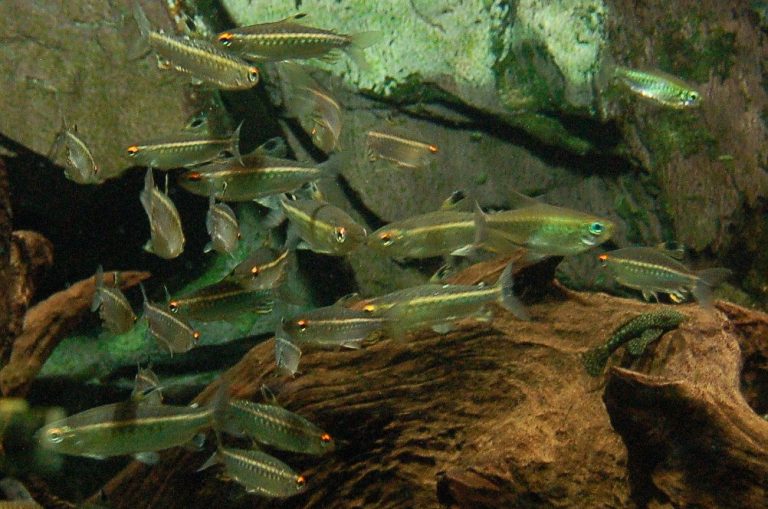
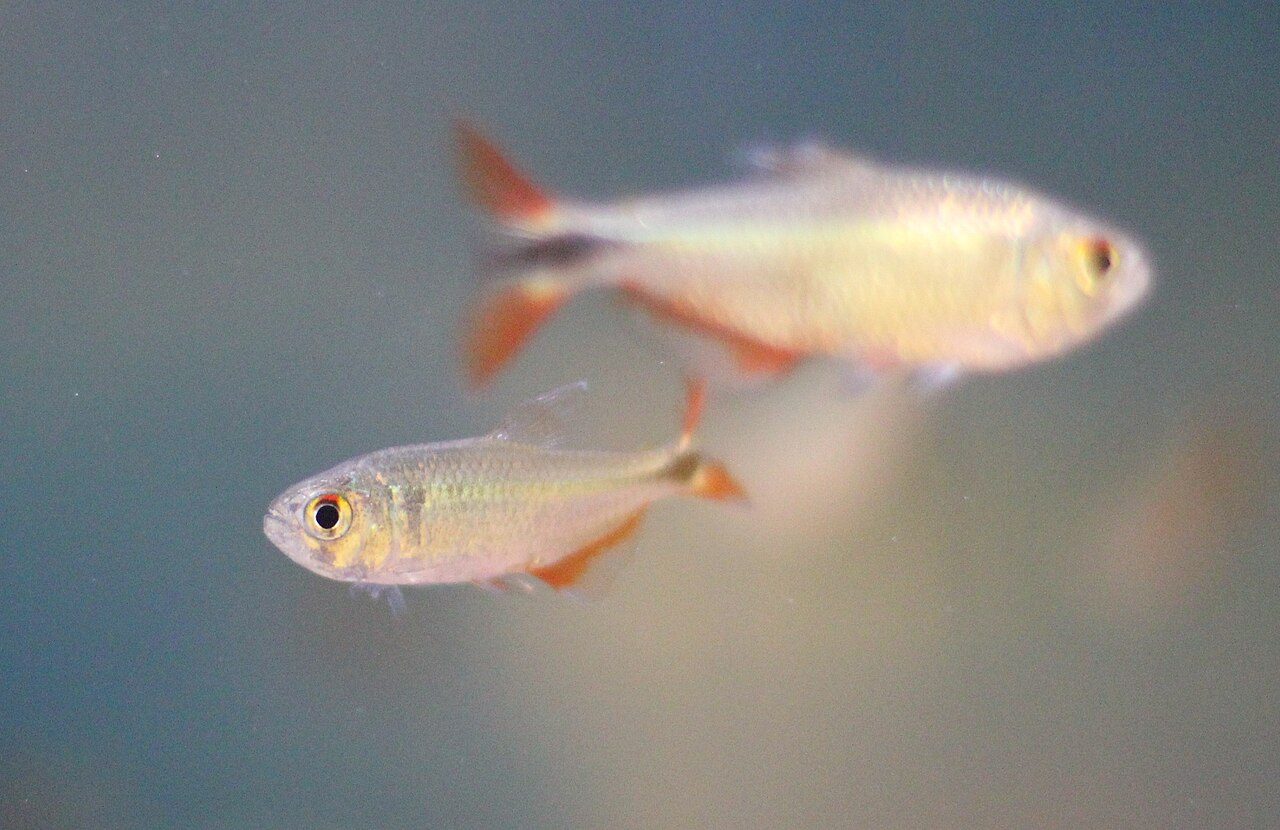
Males are generally slimmer and possess more intense coloration, especially in the red or orange hues of their fins. During the breeding season, their colors will become even more rich as they attempt to attract a mate.
Females, on the other hand, are noticeably rounder and deeper-bodied, particularly when they are “in egg” or gravid. If you look at them from above, the female will appear much wider than the streamlined male.
| Feature | Male Characteristics | Female Characteristics |
|---|---|---|
| Body Shape | Slender, streamlined | Round, strong, deep-bodied |
| Fin Color | Deep red or bright orange | Paler red or yellowish |
| Behavior | Active, chasing, displaying | Slower, focused on foraging |
Setting Up the Ideal Breeding Tank
While these fish are hardy enough for cooler water setups, the breeding tank needs specific conditions to trigger spawning. I recommend a dedicated 10 to 20-gallon aquarium for this purpose.
The tank should be kept dim, as these fish often spawn at dawn. Using a small sponge filter is essential to provide gentle aeration without the risk of sucking up the tiny fry once they hatch.
The most critical component of the setup is the substrate or lack thereof. Since these are egg scattering fish, they will drop their eggs haphazardly, and they will immediately turn around and eat them if they can reach them.
Pro Tip: Use a plastic mesh bottom grate or a thick layer of glass marbles. This allows the eggs to fall through the gaps where the parents cannot reach them, significantly increasing your survival rate.
Water Parameters for Spawning Success
The water in your breeding tank should be slightly softer and more acidic than your main display tank. This mimics the onset of the rainy season in their native South American habitats.
I have found that a temperature increase of 2-3 degrees Fahrenheit can often act as the final trigger. Make sure the water is crystal clear and well-oxygenated to prevent the development of Saprolegnia, a common water mold that attacks fish eggs.
| Parameter | Target Range |
|---|---|
| Temperature | 75°F – 79°F (24°C – 26°C) |
| pH Level | 6.0 – 7.0 |
| Water Hardness (GH) | 2 – 8 dGH |
Incorporating Spawning Mops and Plants
Even with a mesh grate, providing a medium for the fish to spawn over is helpful. In my experience, a dense clump of Taxiphyllum barbieri (Java Moss) works wonders for this species.
If you don’t have live plants, a synthetic spawning mop made of dark green acrylic yarn is an excellent substitute. These mops provide the tactile stimulation the fish need to release their eggs.
Make sure the moss or mop is placed in the center of the tank. This focuses the activity in one area, making it easier to monitor the progress of the spawn.
Conditioning the Parents for Buenos Aires Tetra breeding
Conditioning is the process of feeding the parent fish high-protein foods to prepare them for the physical demands of spawning. I recommend separating the males and females for about 7 to 10 days before the planned breeding.
During this time, feed them heavily with live or frozen foods. Brine shrimp, bloodworms, and daphnia are excellent choices that help the female produce high-quality eggs.
You can learn more about general maintenance by mastering their general care before attempting a breeding project. Well-fed fish are much more likely to produce a large, healthy clutch.
The Importance of Live Foods
While high-quality flakes are a staple, live foods provide the essential fatty acids and proteins needed for gamete production. I’ve noticed that when I use live blackworms, the males become significantly more energetic.
The female’s abdomen should become noticeably distended during this week. This is a sign that she is “ripe” and ready to be introduced to the breeding tank.
Once both the male and female are well-conditioned, introduce them to the breeding tank in the evening. This allows them to settle in overnight before the morning sun triggers the activity.
Managing the Spawning Event
Spawning usually occurs in the early morning hours. You will see the male driving the female toward the plants or the spawning mop, nudging her sides to encourage egg release.
The female will release several eggs at a time, which the male will immediately fertilize. This process can continue for several hours until the female is “spent” or empty of eggs.
Once you notice the activity has subsided and the female looks significantly thinner, it is vital to remove the parents. They have no parental instincts and will begin hunting for any eggs that didn’t fall through the mesh.
Protecting the Eggs
After removing the parents, the eggs will be sitting at the bottom of the tank. They are tiny, translucent, and very sensitive to light and fungal infections.
Some breeders choose to add a few drops of Methylene blue to the water at this stage. This helps prevent Saprolegnia from spreading and killing the fertile eggs.
Keep the tank light off or very dim during the incubation period. Strong light can be detrimental to the developing embryos in these early stages.
Raising the Fry: From Hatching to Schooling
The eggs typically hatch within 24 to 36 hours, depending on the temperature. At first, the fry will look like tiny “slivers” stuck to the glass or the mesh, absorbing their yolk sacs.
They will not need food for the first 48 hours while they utilize this built-in energy source. Once they become free-swimming, the real work of Buenos Aires Tetra breeding begins.
The fry are incredibly small and require microscopic food. Their mouths are not large enough for crushed flakes or even baby brine shrimp in the first few days.
Pro Tip: Start with Infusoria or liquid fry food for the first week. These microscopic organisms are the only thing small enough for the newly free-swimming fry to consume safely.
Transitioning to Larger Foods
After about 5 to 7 days of feeding Infusoria, the fry should have grown enough to handle slightly larger prey. This is when you can introduce newly hatched brine shrimp nauplii.
Brine shrimp nauplii are the “gold standard” for fry growth. They are high in protein and their movement triggers the hunting instinct of the young tetras.
Feed small amounts several times a day rather than one large feeding. This ensures that food is always available without polluting the water, which is a common cause of fry mortality.
Maintaining Water Quality for Growing Fry
Fry are extremely sensitive to nitrate and ammonia spikes. I recommend performing small, daily water changes of about 10% to keep the water pristine.
Use a thin airline tube for siphoning to avoid sucking up the fry. It is also helpful to keep a few small snails in the fry tank to clean up any uneaten food.
As the fry grow, you will notice them beginning to take on the characteristic shape of the species. By the end of the first month, they should be hardy enough to handle finely powdered flake food.
Common Challenges in Buenos Aires Tetra Breeding
Even for experienced keepers, things can go wrong. One of the most common issues is “non-viable” eggs, which turn white and fuzzy within hours.
This is usually caused by poor water quality or the male not being properly conditioned. If this happens, don’t be discouraged; simply clean the tank and try again in two weeks.
Another challenge is “velvet” or other parasitic infections that can wipe out a fry tank quickly. Keeping the temperature stable and the water clean is your best defense against these outbreaks.
Addressing Egg Fungus (Saprolegnia)
If you see white, cottony growth on the eggs, that is Saprolegnia. It spreads rapidly from unfertilized eggs to healthy ones.
Proper water flow and the use of anti-fungals are the best preventative measures. Always remove any obviously dead (white) eggs with a pipette if you can reach them without disturbing the others.
In my experience, a slightly lower pH (around 6.5) naturally inhibits some fungal growth. This is another reason why tailoring your water chemistry is so beneficial.
FAQ: Frequently Asked Questions About Buenos Aires Tetra Breeding
How many eggs does a Buenos Aires Tetra lay?
A healthy, well-conditioned female can lay anywhere from 200 to 400 eggs in a single spawning session. However, the survival rate depends heavily on how well you protect the eggs from the parents.
Can I breed them in a community tank?
While it is technically possible for them to spawn in a community tank, it is highly unlikely that any fry will survive. Other fish, and even the parents themselves, will eat the eggs and fry almost immediately.
How long does it take for the fry to reach adult size?
With proper feeding and frequent water changes, the fry can reach a sellable size (about 1 inch) in 3 to 4 months. They will reach full sexual maturity at around 6 to 8 months of age.
Why are my tetras not spawning?
The most common reasons are improper water parameters, lack of live food during conditioning, or the fish being too young or too old. Ensure the water is soft and slightly acidic to trigger their natural instincts.
Do I need a heater for the breeding tank?
Yes, a heater is necessary to maintain a stable and slightly elevated temperature. Fluctuations in temperature can stress the parents and lead to poor egg development.
Before you go
Mastering Buenos Aires Tetra breeding is a journey that transforms you from a casual keeper into a true aquarist. It requires attention to detail, from the specific weave of a spawning mop to the daily cultivation of Infusoria.
If you follow the steps outlined in this guide—focusing on conditioning, egg protection, and careful fry care—you can successfully raise a new generation of these colorful fish. The sight of a cloud of tiny fry growing into a shimmering school is one of the most rewarding sights in the hobby.
Remember that every failed attempt is a learning opportunity. Keep your water clean, your fish well-fed, and your eyes on the tank at dawn, and you will soon find success with these wonderful South American characins.

- 2003First tank
- 20+Years keeping
- 40+Tanks kept
- 0Sponsored picks
Howard set up his first 10-gallon planted tank in 2003 and lost half of it within six weeks. Two decades and more than forty aquariums later, he writes the guides he wished he had then: clear numbers, the reasons behind them, and what actually goes wrong in home tanks.